


Three Angels Kimble Warren Wall Art & Canvas Prints
Three Angels Kimble Warren Wall Art & Canvas Prints
Couldn't load pickup availability
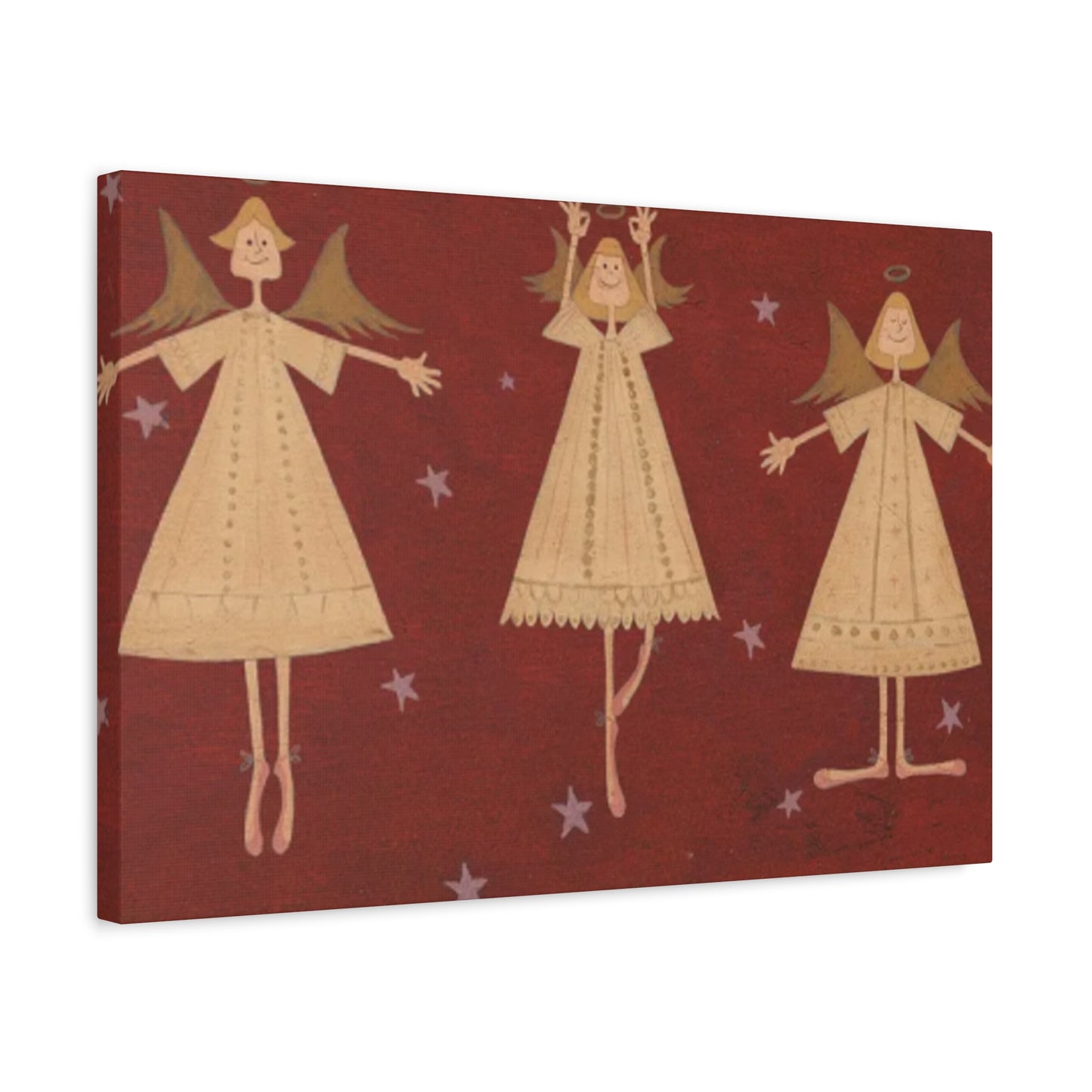


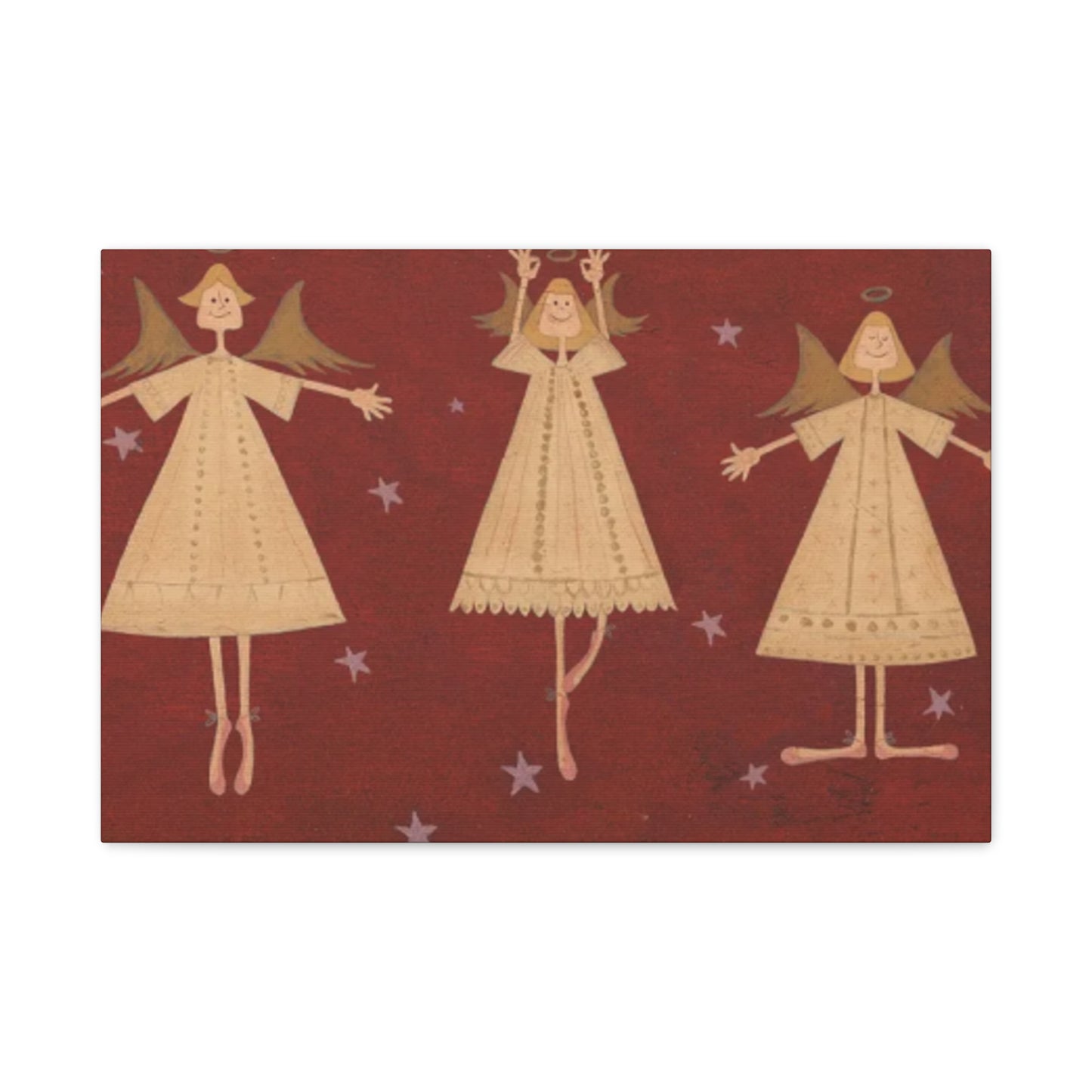
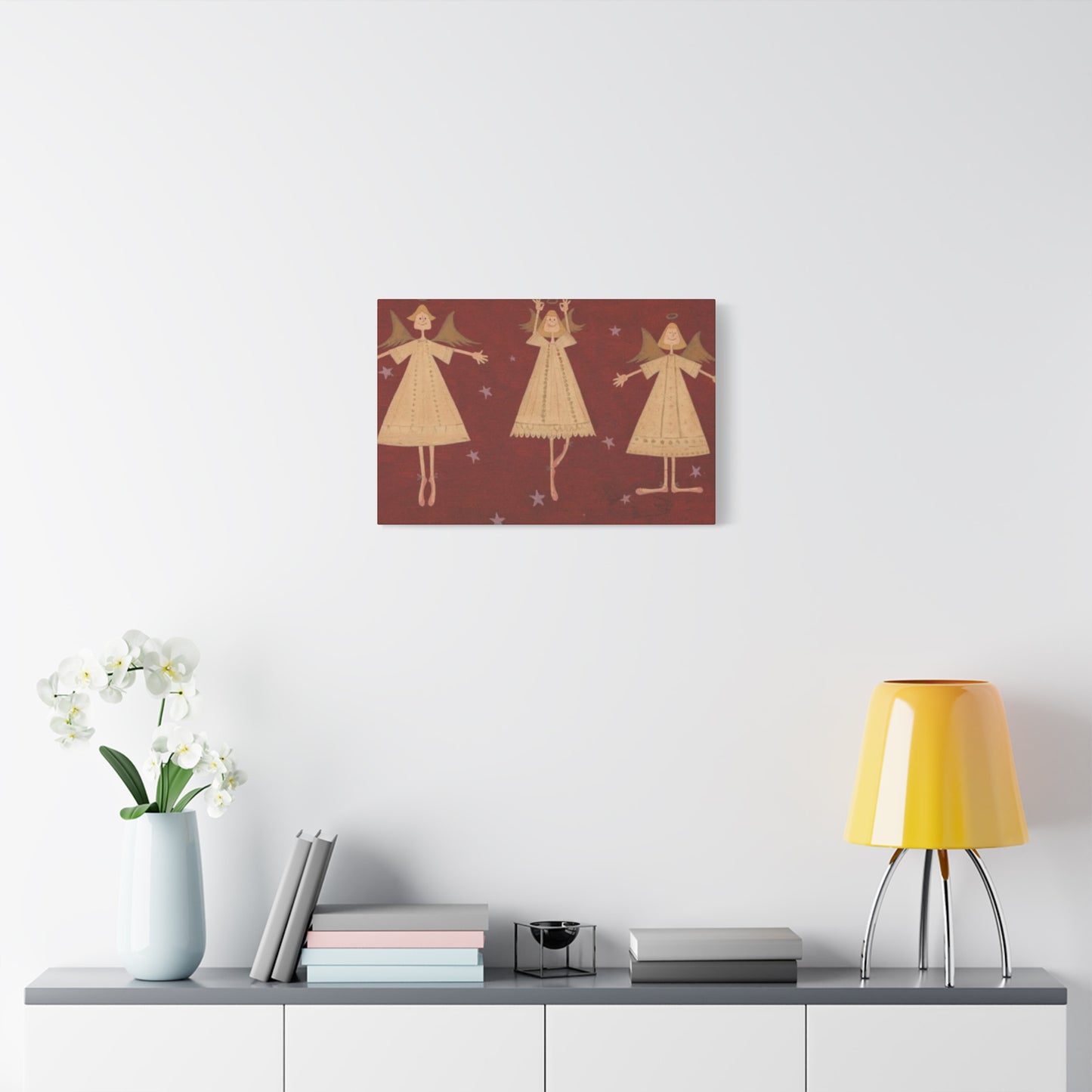
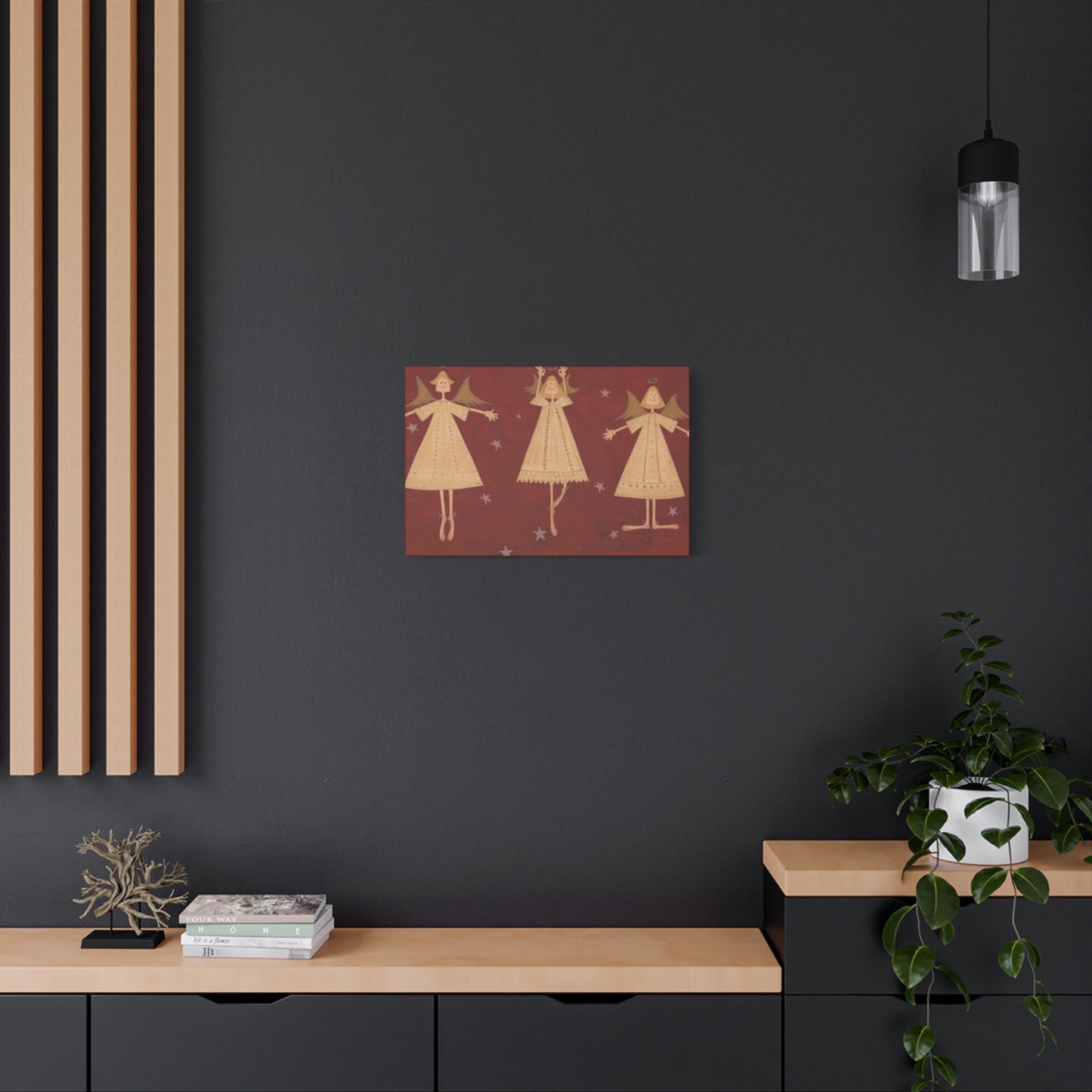


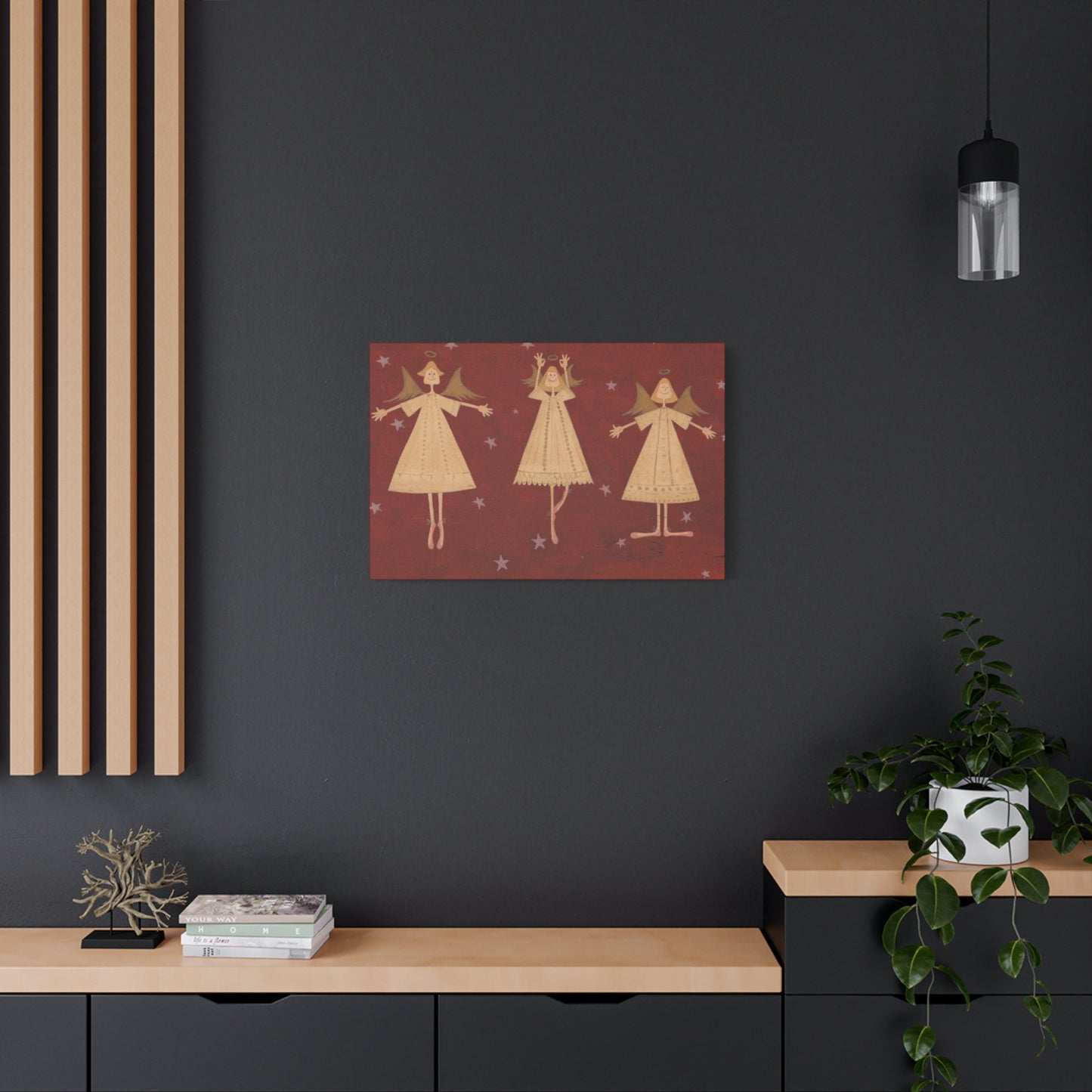
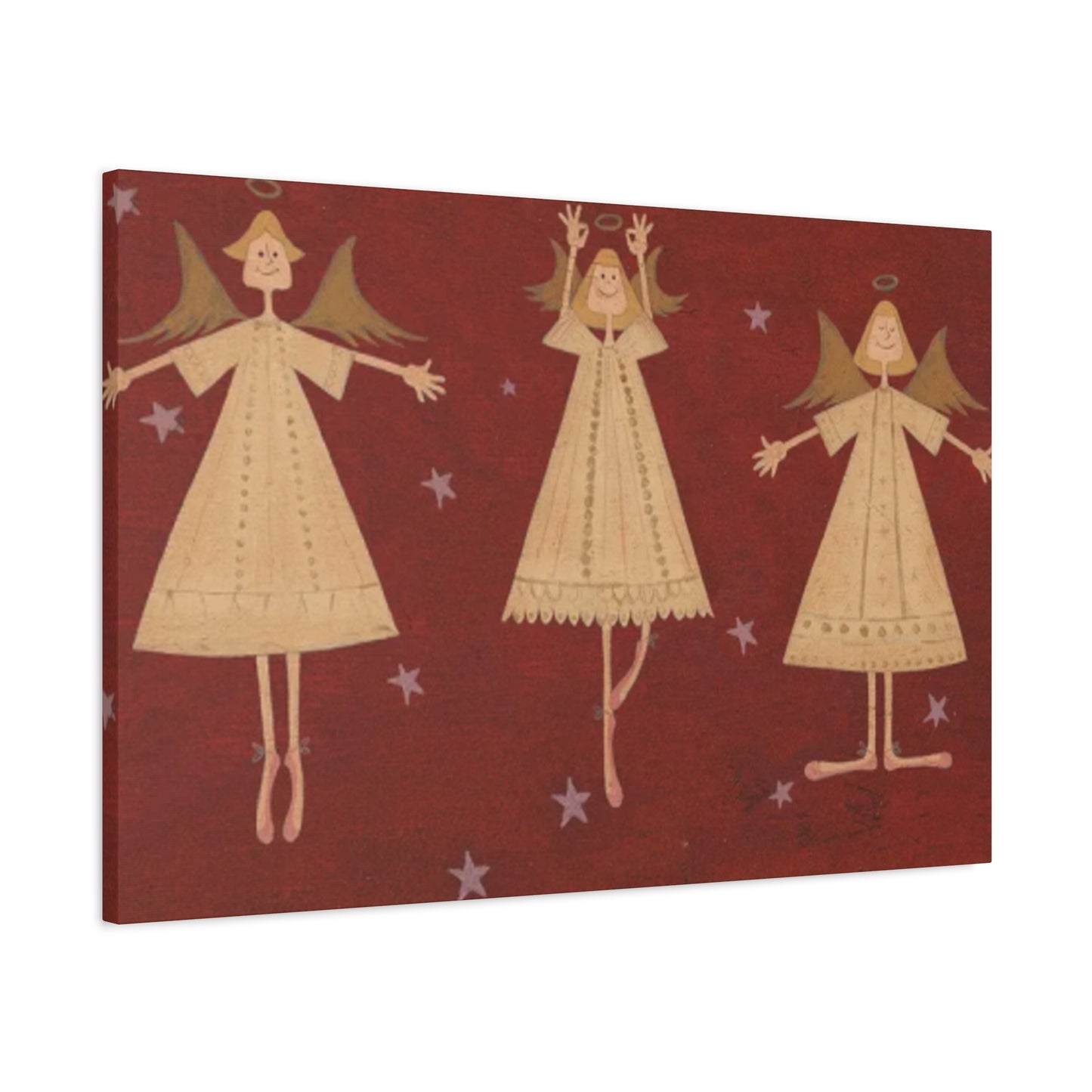
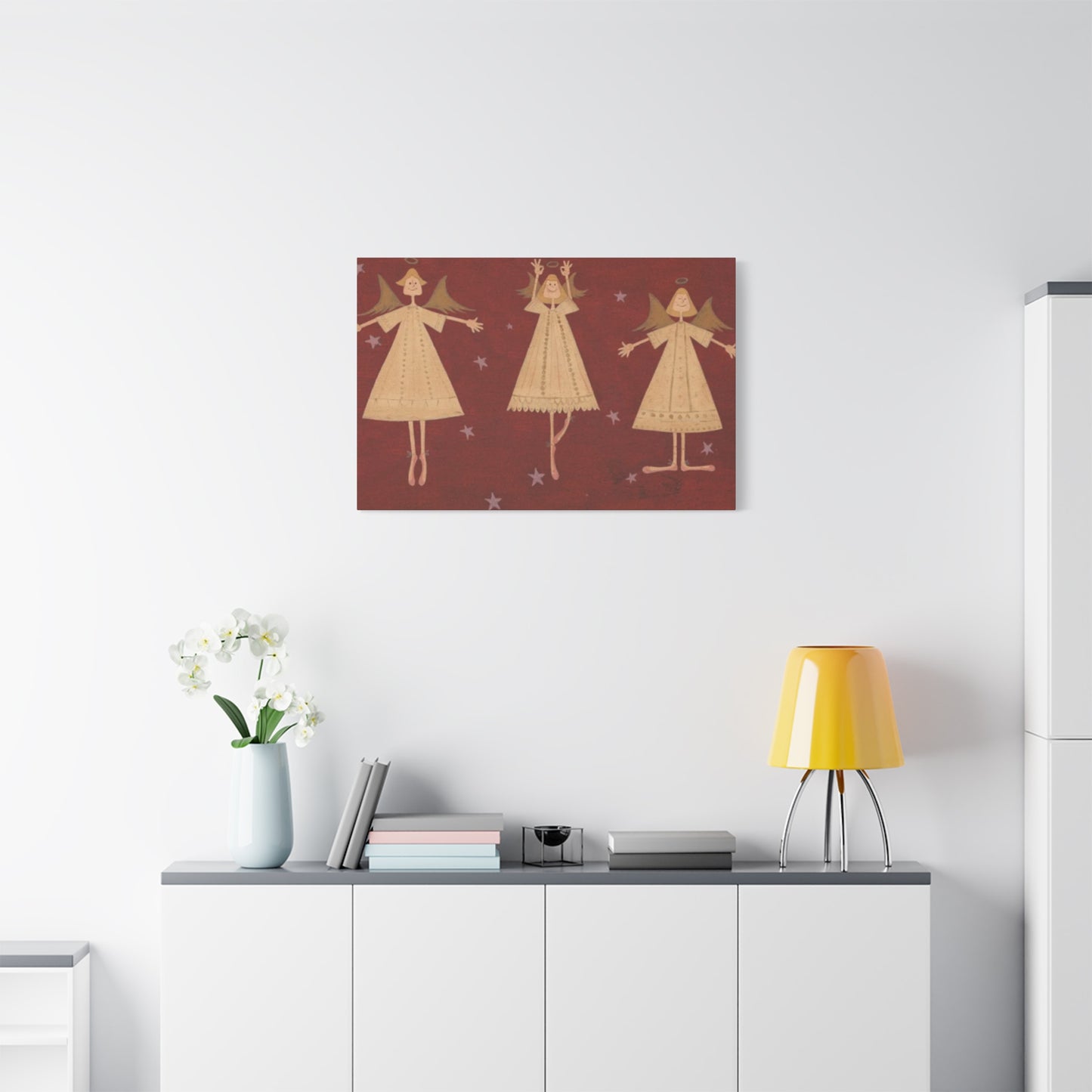
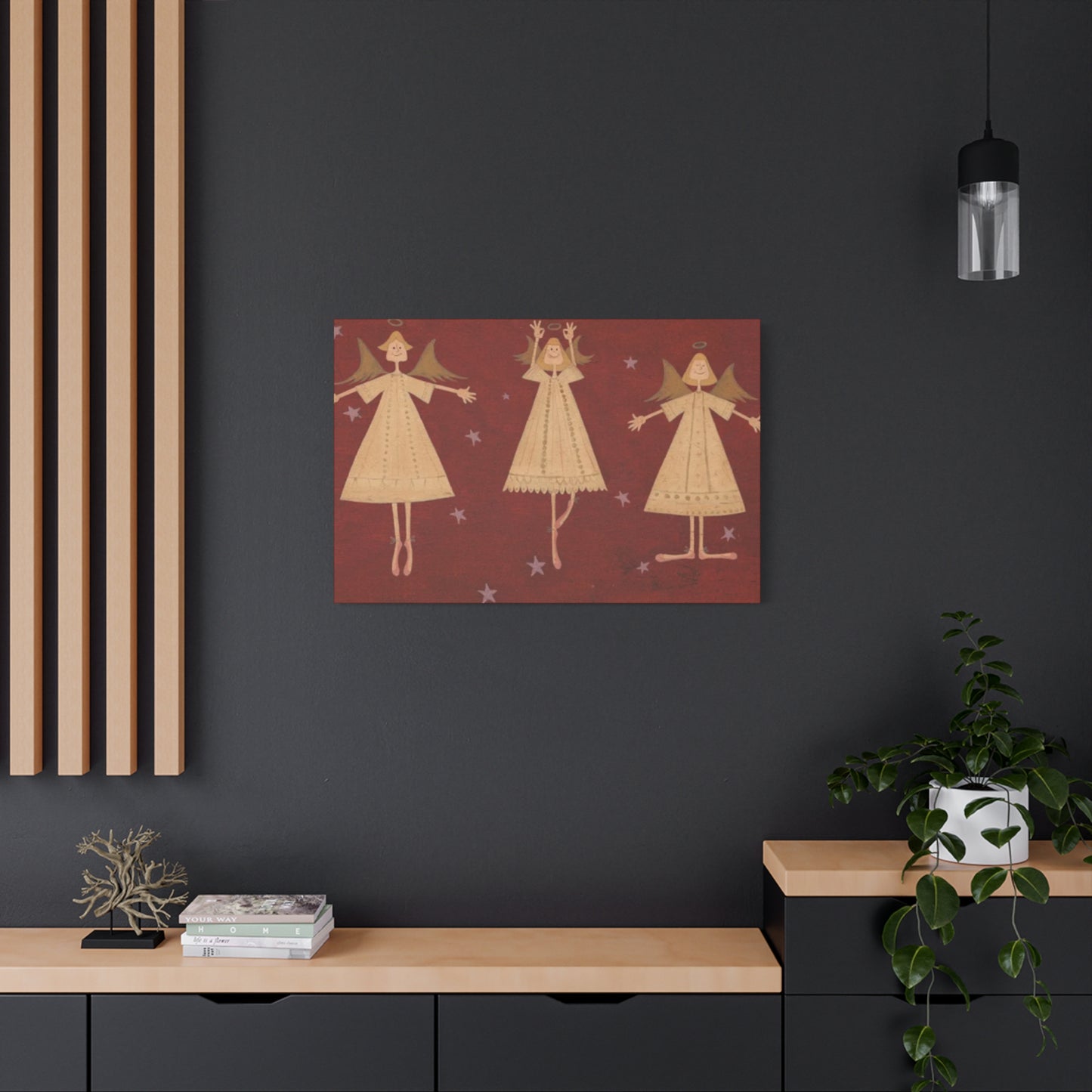


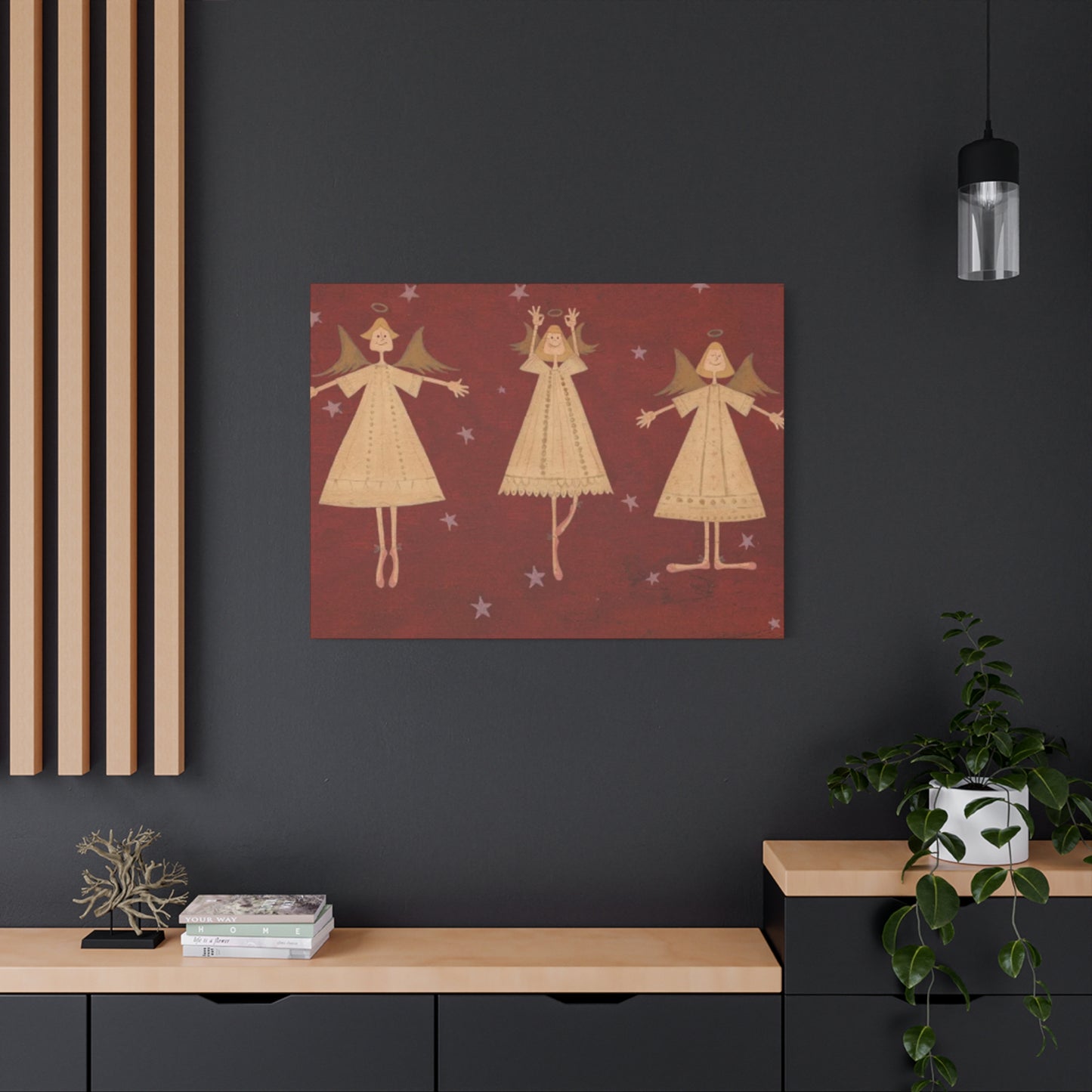
Exploring the Symbolism in Kimble Warren's 'Three Angels' Wall Art and Spiritual Connection
The artwork created by Kimble Warren featuring three celestial beings stands as a profound exploration of spiritual symbolism that resonates deeply with viewers seeking meaning beyond the physical realm. Each element within this masterpiece carries layers of interpretation that speak to the human soul's eternal quest for connection with higher powers. The three figures depicted are not merely decorative elements but represent fundamental aspects of divine presence that have been recognized across cultures and spiritual traditions throughout human history.
Within the composition, the number three itself holds profound significance, representing completeness, harmony, and the sacred trinity found in numerous spiritual belief systems. Warren's interpretation brings this ancient symbolism into contemporary artistic expression, creating a bridge between timeless spiritual concepts and modern aesthetic sensibilities. The positioning of each celestial figure within the artwork creates a visual dialogue that invites contemplation and meditation, encouraging viewers to pause and reflect on their own spiritual journey.
The color palette employed throughout the piece serves to enhance its symbolic depth, with each hue carefully selected to evoke specific emotional and spiritual responses. Warm tones suggest divine love and compassion, while cooler shades introduce elements of peace and transcendence. The interplay between light and shadow within the composition mirrors the eternal dance between earthly existence and heavenly realms, creating a visual metaphor for the spiritual path that many seekers walk throughout their lives.
The flowing forms and gentle movements captured within the artwork suggest the continuous nature of divine presence and protection. Rather than presenting static figures, Warren has imbued his celestial beings with a sense of motion and life, reminding viewers that spiritual guardianship is an active, ongoing process rather than a distant, unchanging concept. This dynamic quality makes the artwork feel alive and relevant, capable of speaking to contemporary audiences while honoring ancient spiritual truths.
The symbolic elements woven throughout the composition extend beyond the central figures themselves, incorporating subtle details that reward careful observation. Background elements, textural variations, and the careful arrangement of forms all contribute to the overall symbolic language of the piece. These details create multiple layers of meaning, ensuring that viewers can return to the artwork repeatedly and discover new insights with each viewing experience.
The Spiritual Influence of 'Three Angels' by Kimble Warren
The profound spiritual influence emanating from this remarkable artwork extends far beyond its visual appeal, touching the hearts and souls of those who encounter it. Warren's creation serves as a conduit for divine energy, creating an atmosphere that facilitates contemplation, prayer, and spiritual connection within any space it inhabits. The presence of these three celestial guardians radiates an energy that sensitive individuals can perceive almost immediately upon entering a room where the artwork is displayed.
Many collectors and spiritual practitioners have reported experiencing a shift in the energy of their homes after introducing this piece into their living spaces. The artwork seems to establish a sanctuary quality, transforming ordinary rooms into spaces conducive to meditation, reflection, and spiritual practice. This transformative effect speaks to Warren's deep understanding of how visual art can influence our psychological and spiritual states, creating environments that support our highest aspirations and deepest spiritual connections.
The influence of this celestial artwork extends into the realm of emotional healing, providing comfort during difficult times and serving as a visual reminder of divine protection and guidance. Those facing challenges often find solace in contemplating the serene expressions and graceful forms depicted within the composition. The artwork becomes a focal point for prayer and intention-setting, helping individuals to center themselves and reconnect with their faith during moments of uncertainty or distress.
Within spiritual communities, pieces like this one serve as gathering points for collective prayer and meditation. The universal symbolism of angelic protection transcends specific denominational boundaries, making the artwork accessible and meaningful to individuals from various faith traditions. This inclusivity enhances its spiritual influence, allowing it to serve as a bridge between different spiritual paths while maintaining respect for the unique beliefs of each tradition.
The subtle energy that this artwork carries also influences the daily rhythms and routines of household members, encouraging more mindful living and conscious awareness of the spiritual dimension of everyday life. Morning coffee or evening relaxation takes on new meaning when practiced in the presence of such powerful spiritual imagery. The artwork serves as a constant, gentle reminder to maintain awareness of the divine presence in all moments, not just during formal spiritual practices.
How 'Three Angels' Wall Art Brings Peace to Your Space
The introduction of this celestial artwork into living spaces creates an immediate atmosphere of tranquility and peace that permeates the entire environment. The calming influence flows from the serene expressions captured within the artwork, the harmonious color relationships, and the balanced composition that naturally draws the eye into a state of restful contemplation. These visual elements work together to create a sanctuary feeling, transforming ordinary rooms into havens of peace where stress and anxiety naturally diminish.
The peaceful quality of the artwork operates on multiple sensory and psychological levels simultaneously. Visually, the soft forms and flowing lines create movement patterns that the eye follows in soothing, rhythmic ways. This gentle visual journey reduces mental agitation and encourages a slower, more contemplative pace of thought. The color relationships within the piece have been carefully orchestrated to avoid jarring contrasts or aggressive tones, instead offering a palette that soothes rather than stimulates, calms rather than excites.
Psychologically, the presence of guardian figures provides a deep sense of security that allows occupants of the space to relax more fully. The subconscious mind recognizes these protective presences and responds by releasing tension and worry, creating a felt sense of safety that makes genuine relaxation possible. This psychological effect proves particularly valuable in bedrooms, where deep rest and restoration are essential, or in meditation spaces where mental stillness is the primary goal.
The artwork also influences the acoustic quality of a space in subtle but meaningful ways. Soft furnishings and thoughtful décor absorb sound differently than hard surfaces, and the addition of meaningful artwork encourages people to furnish and arrange spaces in ways that enhance overall tranquility. The presence of the piece often inspires complementary decorating choices that reinforce the peaceful atmosphere, creating a holistic environment design that supports wellbeing on all levels.
For families with children, the peaceful influence of this artwork creates a stabilizing presence that helps to moderate the natural chaos of household life. Children often respond positively to the protective imagery, finding comfort in the presence of guardian figures. Parents report that rooms containing this type of spiritual artwork tend to be spaces where family members naturally gather for conversation and connection, drawn by the peaceful energy that the piece radiates throughout the home.
Kimble Warren's Unique Approach to Angelic Art
Warren has developed a distinctive artistic voice within the realm of celestial imagery, setting his work apart through innovative techniques and deeply personal interpretations of traditional angelic themes. His approach combines classical understanding of celestial beings with contemporary artistic sensibilities, creating pieces that honor spiritual traditions while speaking directly to modern audiences. This balance between reverence for ancient wisdom and innovative artistic expression defines his unique contribution to the field of spiritual art.
The artist's technique involves layering multiple dimensions of meaning within each composition, ensuring that his work rewards both casual appreciation and deep contemplation. Surface beauty draws viewers initially, but sustained engagement reveals increasingly profound layers of spiritual significance. This multidimensional approach reflects Warren's belief that truly meaningful spiritual art should function on multiple levels simultaneously, offering something valuable to viewers regardless of their current spiritual development or artistic sophistication.
Warren's unique methodology includes extensive meditation and spiritual preparation before beginning each piece. Rather than approaching his work purely as a technical exercise, he views the creative process itself as a spiritual practice. This preparatory work infuses each artwork with intentional energy and purpose, transforming the finished piece into something more than mere paint on canvas. Collectors often remark on the palpable presence that Warren's work carries, an intangible quality that distinguishes it from technically proficient but spiritually empty reproductions.
The color theory employed throughout his celestial works demonstrates sophisticated understanding of how different hues affect human consciousness and emotion. Warren selects his palette not merely for aesthetic appeal but for the specific psychological and spiritual effects that various colors produce. This intentional use of color as a tool for consciousness elevation represents one of the key elements that makes his approach distinctive within the field of spiritual artwork.
His composition strategies also reveal innovative thinking about how to guide viewer attention and create visual narratives within static images. The arrangement of forms, the direction of gazes, and the flow of energy between elements all contribute to a carefully orchestrated viewing experience. Warren constructs his compositions to encourage specific patterns of observation, leading viewers through a visual journey that mirrors the spiritual journey from earthly concerns toward divine awareness.
The Story Behind Kimble Warren's 'Three Angels' Painting
The creation of this significant artwork emerged from a deeply personal spiritual experience that profoundly impacted Warren's artistic vision and creative direction. During a period of intense personal reflection and spiritual seeking, the artist received what he describes as a vision of three celestial guardians, each representing different aspects of divine protection and guidance. This vision became the foundation for the artwork, which Warren created as a means of sharing this profound experience with others who might benefit from connection with these protective presences.
The development process for the piece spanned several months, during which Warren worked through numerous preliminary sketches and studies before arriving at the final composition. Each iteration brought him closer to capturing the essence of what he had experienced during his initial vision. The artist approached this work with unusual dedication, often spending hours in meditation before each painting session to ensure he remained connected to the spiritual source that had inspired the original concept.
During the creation process, Warren encountered various technical challenges that pushed him to develop new techniques and approaches. The depiction of translucent, luminous beings required innovative layering methods and experimental use of materials. These technical explorations ultimately contributed to the distinctive visual quality that makes the finished artwork so compelling. The struggle to adequately capture ethereal beings in physical materials became a metaphor for the broader human challenge of expressing spiritual truths within the limitations of earthly existence.
The emotional journey accompanying the artwork's creation proved equally significant to the final result. Warren experienced periods of profound inspiration alternating with moments of doubt and frustration, a creative cycle that many artists recognize as part of bringing important work into being. These emotional fluctuations were ultimately incorporated into the depth and authenticity of the finished piece, adding layers of human vulnerability that make the artwork more relatable and accessible to viewers facing their own spiritual challenges.
Upon completion, the original artwork exceeded Warren's expectations, carrying a presence and power that confirmed for him the importance of sharing this vision with the wider world. The positive response from early viewers validated his intuition that this particular piece addressed a deep spiritual hunger present in contemporary society. The decision to make the artwork available for wider distribution through prints and reproductions emerged from Warren's desire to extend the blessing and protection represented by these celestial figures to as many people as possible.
Why 'Three Angels' is a Must-Have for Spiritual Art Lovers
Collectors of spiritual artwork recognize this piece as an essential addition to their collections for numerous compelling reasons that extend beyond aesthetic appreciation alone. The artwork represents a rare combination of technical excellence, spiritual authenticity, and universal appeal that makes it valuable on multiple levels. For serious collectors, pieces that successfully balance these qualities while maintaining accessibility to broader audiences are relatively uncommon, making Warren's celestial work particularly noteworthy within the field.
The investment value of authentic spiritual artwork has demonstrated consistent appreciation over time, as collectors increasingly recognize the enduring appeal of pieces that address timeless human concerns about meaning, purpose, and divine connection. Unlike trendy contemporary works that may lose relevance as aesthetic fashions change, spiritual artwork dealing with fundamental themes maintains relevance across generations. This long-term stability makes pieces like this one wise additions to collections being developed with both personal enjoyment and future value in mind.
For individuals building curated collections focused on angelic imagery and celestial themes, this particular work fills an important niche. The three-figure composition offers something distinctive compared to single-angel portrayals, while the balanced arrangement and harmonious execution make it suitable for prominent display in various settings. The piece functions equally well as a collection centerpiece or as part of a larger grouping of related works, demonstrating versatility that serious collectors value highly.
The spiritual potency of the artwork represents perhaps its most compelling quality for collectors who view their acquisition choices as more than mere decoration. Those who understand art as a carrier of energy and intention recognize that bringing such a piece into one's home or collection introduces powerful protective and uplifting influences. This understanding transforms the collecting activity itself into a form of spiritual practice, with each acquisition representing a deliberate choice to surround oneself with positive, elevated energies.
The accessibility of this work through quality reproductions also makes it must-have for collectors at various stages of their collecting journey. While original artworks command premium prices, high-quality prints allow those with more modest budgets to experience the spiritual benefits and aesthetic pleasure that the piece offers. This democratization of access aligns with the spiritual principle that divine protection and blessing should be available to all, regardless of financial circumstances, making the work's availability in multiple formats particularly appropriate given its sacred subject matter.
The Meaning of Angels in Kimble Warren's Artwork
Warren's artistic exploration of celestial beings reflects deep engagement with theological, mythological, and mystical traditions from diverse cultural sources. His interpretation of these spiritual guardians incorporates elements from various wisdom traditions, creating a synthesis that speaks to universal human experiences of divine protection and guidance. The artist approaches angelic imagery not as static religious iconography but as living symbols capable of evolving and remaining relevant to contemporary spiritual seekers.
Within Warren's artistic philosophy, these celestial figures represent intermediaries between divine consciousness and human experience, serving as bridges that make the infinite more accessible to finite human understanding. This conceptual framework allows him to create artwork that honors the mysterious, transcendent nature of these beings while making them approachable and relatable to ordinary viewers. The balance between majesty and approachability represents a key element of Warren's successful interpretation of this challenging subject matter.
The individual characteristics Warren assigns to each of the three figures reflect his understanding of different aspects of divine care and protection. One figure typically represents guidance and wisdom, helping souls navigate life's complex choices and challenges. Another embodies healing and comfort, offering solace during times of pain and loss. The third represents protection and strength, standing guard against forces that would harm or diminish the human spirit. This tripartite division allows Warren to present a comprehensive vision of divine care that addresses multiple dimensions of human need.
Warren's use of gender-neutral or ambiguous features in his celestial figures reflects contemporary understanding that spiritual beings transcend human biological categories. This choice makes his work more inclusive and allows viewers from diverse backgrounds to connect with the imagery without encountering barriers related to gendered expectations or assumptions. The universal quality of his figures enables them to serve as mirrors for viewers' own spiritual experiences rather than imposing narrow, culturally specific interpretations.
The symbolic language employed throughout Warren's celestial artwork includes both traditional elements recognizable from religious art history and innovative details that reflect personal spiritual insights. Wings, halos, and flowing garments appear alongside less conventional symbolic elements that emerge from Warren's own mystical experiences and artistic intuition. This blend of familiar and innovative symbolism creates accessibility while still offering fresh perspectives that prevent the work from feeling derivative or overly traditional.
Enhancing Your Home with Kimble Warren's 'Three Angels'
The strategic placement of this powerful artwork within living spaces can dramatically enhance both the aesthetic appeal and energetic quality of the home environment. Selecting the optimal location requires consideration of both practical factors like lighting and sightlines as well as more subtle concerns related to energy flow and functional use of different spaces. When thoughtfully positioned, the piece becomes an integral part of the home's atmosphere, influencing daily life in positive, uplifting ways.
Living rooms represent ideal locations for displaying this type of spiritual artwork, as these spaces typically serve as gathering points for family interaction and social connection. The presence of guardian figures in communal areas subtly influences the quality of conversations and interactions that occur there, encouraging more authentic, meaningful exchanges. The artwork serves as a conversation catalyst, often prompting discussions about faith, spirituality, and personal values that might not arise in its absence.
Bedrooms benefit enormously from the protective, peaceful energy that celestial imagery provides. Positioning the artwork where it can be easily viewed upon waking and before sleeping creates opportunities for meditation and spiritual centering during these transitional moments of the day. Many people find that starting and ending each day with contemplation of divine protection and guidance helps maintain spiritual awareness throughout daily activities, transforming routine sleep spaces into sanctuaries that support spiritual development.
Home offices and creative workspaces gain particular benefit from the presence of inspirational spiritual artwork. The challenges of modern work often create stress and anxiety that diminish productivity and creativity. The calming influence of celestial guardians helps counterbalance these pressures, creating an environment where focused concentration and creative flow become more accessible. Many artists, writers, and knowledge workers report that surrounding themselves with meaningful spiritual imagery enhances both the quality and quantity of their output.
Meditation rooms or dedicated spiritual practice spaces naturally benefit from the inclusion of powerful celestial artwork. In these contexts, the piece functions as a focal point for contemplation and serves as a visual anchor that helps practitioners settle into meditative states more quickly and deeply. The repeated exposure to the same meaningful imagery during spiritual practice creates psychological associations that make the artwork itself a trigger for entering elevated states of consciousness, enhancing the effectiveness of regular spiritual disciplines.
The Role of Angel Imagery in Kimble Warren's Art
Throughout Warren's artistic career, celestial beings have served as a central motif, appearing in various forms across his body of work. This consistent engagement with angelic themes reflects the artist's deep personal conviction about the reality and relevance of these spiritual guardians in contemporary life. Rather than treating them as mere decorative elements or historical curiosities, Warren approaches celestial imagery as a vehicle for expressing profound truths about the nature of reality and humanity's relationship with divine forces.
The evolution of Warren's treatment of this subject matter reveals his growing sophistication and deepening spiritual understanding over time. Early works displayed more conventional approaches to angelic portrayal, adhering closely to established iconographic traditions. As his confidence and spiritual insight developed, Warren began introducing more innovative interpretational elements, pushing the boundaries of how these beings might be represented while maintaining reverence for their sacred nature.
The recurring presence of these figures across multiple works allows Warren to explore different aspects of their nature and various dimensions of their relationship with humanity. Some pieces emphasize their protective qualities, presenting formidable guardians standing between vulnerable souls and threatening forces. Others highlight their role as messengers and guides, showing them in postures of communication and teaching. Still others focus on their nature as beings of pure light and energy, abstract representations that push beyond anthropomorphic limitations.
Warren's dedication to this theme has positioned him as a significant contemporary voice within the tradition of spiritual art focused on celestial beings. His work serves as a bridge between historical religious art and contemporary spiritual sensibilities, demonstrating that ancient themes retain vital relevance when approached with fresh eyes and authentic spiritual conviction. This bridging function has earned him recognition from both traditional religious art collectors and more eclectic spiritual seekers who might not typically engage with overtly religious imagery.
The artist's exploration of these themes also reflects broader cultural currents showing renewed interest in angels and celestial spirituality across diverse demographic groups. Warren's work both responds to and helps shape this cultural moment, offering artistic expressions that meet genuine spiritual hunger with authentic, skillfully executed imagery. His success demonstrates that contemporary audiences remain receptive to spiritual content when it is presented with artistic integrity and genuine reverence rather than commercialized sentimentality or religious dogmatism.
Kimble Warren's 'Three Angels': A Perfect Piece for Your Living Room
The living room serves as the heart of most homes, functioning as the primary space for family gathering, entertaining guests, and daily relaxation. Selecting artwork for this central location requires careful consideration, as the chosen pieces will be viewed daily by household members and will create the first impression for visitors entering the home. The celestial masterpiece created by Warren represents an ideal choice for this prominent location, offering both visual appeal and deeper significance that enriches the space on multiple levels.
The scale and composition of this particular artwork make it exceptionally well-suited for living room display. The piece commands attention without overwhelming the space, creating a focal point that draws the eye while allowing surrounding elements to maintain their own presence. The balanced arrangement of the three figures creates visual interest across the entire composition, preventing dead spots that might make the artwork feel unbalanced when viewed from various seating positions throughout the room.
The color palette employed in the piece demonstrates remarkable versatility, coordinating beautifully with a wide range of interior design styles and color schemes. Whether the existing décor tends toward traditional elegance, contemporary minimalism, or eclectic bohemian fusion, the artwork's carefully orchestrated hues provide complementary notes that enhance rather than clash with surrounding elements. This adaptability makes it an excellent choice for households that periodically refresh their decorating approach, as the piece remains relevant through style transitions.
The conversation-starting quality of meaningful spiritual artwork serves important social functions within living spaces designed for gathering and interaction. Guests often find themselves drawn to discuss the piece, leading to meaningful exchanges about faith, spirituality, and personal values. These deeper conversations create connections that go beyond surface-level social pleasantries, transforming ordinary visits into opportunities for authentic human connection and mutual understanding.
From a practical standpoint, the availability of this imagery in various sizes and formats allows homeowners to select options perfectly proportioned for their specific living room dimensions. Smaller spaces benefit from more modestly sized presentations that provide impact without overwhelming limited wall space. Larger rooms can accommodate bigger versions that fill generous wall areas with appropriate scale. This flexibility ensures that the spiritual and aesthetic benefits of the artwork remain accessible regardless of architectural constraints or spatial limitations.
How 'Three Angels' by Kimble Warren Connects to Divine Energy
The connection this artwork facilitates between viewers and higher spiritual realms represents one of its most significant qualities, transforming it from mere decoration into a functional spiritual tool. The piece serves as a portal or gateway through which divine energy can flow more freely into earthly spaces and human consciousness. This function emerges not only from the sacred subject matter but also from the intentional spiritual preparation and elevated consciousness that Warren brings to his creative process.
The mechanism by which visual art connects viewers to spiritual dimensions involves multiple psychological and energetic processes operating simultaneously. On the psychological level, the imagery activates spiritual associations and beliefs already present within the viewer's consciousness, reminding them of divine presence and support. This activation strengthens faith and opens awareness to spiritual realities that often recede into the background during ordinary daily activities focused on material concerns.
On an energetic level, those sensitive to subtle forces often perceive actual flows of energy emanating from powerful spiritual artwork. These energetic emanations may result from the intention and consciousness that the artist invested in the creation process, from the cumulative effect of concentrated attention and reverence directed toward the piece by viewers over time, or from the artwork's function as a attractor for celestial beings drawn to their own likenesses. Regardless of the exact mechanism, the experiential reality of these energy flows affects the atmosphere of spaces where such artwork is displayed.
The three-figure composition creates a particularly powerful energetic dynamic, as the number three carries potent spiritual significance across numerous traditions. The triangular relationship between the figures establishes a sacred geometry that some spiritual practitioners believe enhances the flow of divine energy through physical space. This geometric element adds an additional dimension to the piece's spiritual functionality, making it more than simply a picture of celestial beings but rather a active spiritual structure.
Regular meditation or prayer conducted in the presence of this artwork can deepen the connection it facilitates over time. As individuals repeatedly focus their spiritual attention while contemplating the piece, they strengthen the energetic pathways between their own consciousness and the divine realms represented by the imagery. This progressive deepening transforms the artwork into a personalized spiritual tool uniquely attuned to the specific needs and spiritual characteristics of its owner, creating a relationship between viewer and artwork that develops and matures over years of regular interaction.
Examining the Artistic Details of 'Three Angels' by Kimble Warren
Close examination of the technical execution reveals extraordinary attention to detail that rewards careful observation and demonstrates Warren's mastery of his medium. The rendering of individual features, the subtle gradations of color and value, and the skillful manipulation of edges and transitions all contribute to the overall impact of the finished piece. These technical accomplishments serve the larger spiritual purpose of the work, using artistic skill to create an image capable of carrying profound meaning and facilitating genuine spiritual connection.
The treatment of light within the composition demonstrates particularly sophisticated understanding of how illumination can be used to direct attention and create emotional atmosphere. Warren employs multiple light sources within the depicted scene, creating complex patterns of highlight and shadow that give the figures convincing three-dimensional form while also imbuing them with an otherworldly luminosity. This dual quality of solidity and radiance perfectly captures the paradoxical nature of spiritual beings who are both present and transcendent, tangible and mysterious.
The handling of drapery and flowing garments showcases classical artistic training combined with innovative contemporary techniques. The fabric depicted in the artwork moves with convincing weight and momentum while also possessing an ethereal lightness appropriate to celestial beings. The folds and cascades of material create secondary rhythms that complement the primary compositional structure, adding visual richness without creating confusion or clutter.
Facial expressions receive particularly careful attention, as Warren recognizes that the emotional content conveyed through the figures' countenances significantly impacts viewer response. Each face displays a unique emotional quality, ranging from serene contemplation to active compassion to vigilant protection. These varied expressions allow viewers to connect with different aspects of divine care depending on their current emotional and spiritual needs, making the artwork remarkably responsive to changing circumstances.
The textural qualities of the painting surface itself contribute significantly to the overall viewing experience. Warren employs varying degrees of paint thickness and surface manipulation to create areas of smooth refinement contrasting with passages of more visible brushwork. These textural variations catch and reflect light differently as viewers move past the piece or as natural lighting conditions change throughout the day, ensuring that the artwork reveals new aspects during different viewing occasions.
Bringing Comfort and Hope with Kimble Warren's 'Three Angels' Wall Art
During times of difficulty and uncertainty, the human need for comfort and hope becomes particularly acute. This celestial artwork serves a vital function in providing visual and spiritual reassurance that sustains people through challenging periods. The protective presence of the guardian figures offers psychological comfort, reminding viewers that they are not alone in facing life's struggles. This reminder of divine care and protection can make the difference between despair and perseverance during the darkest moments.
The artwork's capacity to inspire hope extends beyond immediate comfort, pointing toward possibilities for healing, growth, and transformation. The upward-directed energy of the composition naturally lifts the viewer's gaze and spirit toward higher perspectives, helping to shift attention from present difficulties toward larger contexts of meaning and purpose. This reorientation proves essential for maintaining hope, as it prevents people from becoming trapped in narrow, pessimistic views that focus exclusively on current problems while losing sight of broader possibilities.
For those experiencing grief and loss, the presence of celestial guardians provides particular solace. The artwork serves as a reminder that departed loved ones remain under divine care and protection, offering comfort to those left behind. Many people report finding peace while contemplating such imagery during bereavement, as it provides a focal point for prayers and thoughts directed toward those who have passed from earthly life into spiritual realms.
The hopeful quality of the piece also supports those facing serious illness or other major life challenges. Hospital rooms, rehabilitation centers, and home sickrooms benefit enormously from the presence of uplifting spiritual imagery that counterbalances the medical and clinical atmosphere often associated with health crises. The artwork reminds patients that healing encompasses more than physical recovery alone, acknowledging the spiritual and emotional dimensions of wellness that prove equally important to genuine health.
Communities facing collective challenges also benefit from meaningful spiritual imagery that reminds people of shared values and common sources of strength. During times of social upheaval, economic hardship, or natural disaster, symbols of divine protection and care help maintain social cohesion and collective hope. The artwork can serve as a rallying point that reminds communities of their deepest values and highest aspirations, supporting collective resilience during challenging periods.
The Influence of Faith in Kimble Warren's Angel Art
Warren's personal faith journey profoundly shapes his approach to creating celestial artwork, infusing each piece with authentic spiritual conviction that viewers instinctively recognize and respond to. The artist's work emerges not from intellectual theorizing about spiritual matters but from lived experience of faith and ongoing engagement with spiritual practices and disciplines. This experiential foundation gives his artwork a genuineness and depth that purely academic or commercial approaches to spiritual subject matter typically lack.
The particular faith tradition from which Warren works emphasizes personal relationship with divine reality rather than mere adherence to dogmatic formulations or ritual obligations. This relational emphasis manifests in the warmth and accessibility of the celestial beings he depicts. Rather than presenting distant, austere figures that inspire fear or intimidation, Warren's guardians invite relationship and connection, reflecting his understanding of spirituality as fundamentally relational rather than merely transactional or legalistic.
The artist's commitment to spiritual practice as a preparation for creative work reflects his belief that authentic spiritual art cannot be produced through technical skill alone. The quality that makes certain artwork genuinely spiritual rather than merely religious in subject matter emerges from the consciousness and intention that the artist brings to the creation process. Warren's disciplined approach to spiritual preparation before beginning creative work ensures that his finished pieces carry energetic and intentional qualities that extend beyond their visual characteristics.
The inclusive quality of Warren's faith allows him to create artwork that speaks across denominational and even interfaith boundaries. While rooted in his own spiritual tradition, his understanding embraces universal principles of divine love, protection, and guidance that transcend specific theological formulations. This universality makes his work accessible to viewers from diverse religious backgrounds who might not connect with more sectarian or dogmatic presentations of spiritual themes.
The evolution of Warren's faith understanding over time corresponds with developments in his artistic approach to celestial subjects. As his spiritual insights have deepened through years of practice and experience, his artistic treatments of these themes have gained sophistication and nuance. This parallel development demonstrates the intimate connection between the artist's inner spiritual life and the outer manifestation of that life through creative expression, confirming that genuine spiritual art emerges from spiritual maturity rather than merely technical accomplishment.
Kimble Warren's 'Three Angels': More Than Just a Painting
While the artwork certainly functions as a beautiful decorative piece suitable for enhancing living spaces, its significance extends far beyond aesthetic considerations alone. The creation represents a convergence of artistic skill, spiritual insight, and intentional energy work that transforms it into a multifunctional object serving purposes both practical and transcendent. Understanding the full scope of what this piece offers requires moving beyond conventional categories of art appreciation to embrace more holistic perspectives that acknowledge multiple dimensions of human experience.
As a meditation aid, the artwork provides a focal point that helps practitioners settle into contemplative states more quickly and deeply than unfocused meditation typically allows. The specific imagery of protective guardians creates psychological associations with safety and divine presence that facilitate relaxation and openness essential for meditation practice. Regular meditators often develop strong connections with particular images that become deeply integrated into their practice, and this piece offers richness and depth sufficient to support years of daily meditation without exhausting its capacity to inspire and center.
The piece also functions as a teaching tool, particularly valuable for parents seeking to introduce children to spiritual concepts and practices. The visual nature of the artwork makes abstract ideas about divine protection and guidance more concrete and accessible to young minds still developing capacity for abstract thought. Bedtime conversations about the celestial figures can become opportunities for transmitting values and spiritual understanding across generations, creating family traditions that children carry into their own adult spiritual lives.
From an energy work perspective, practitioners of various healing and consciousness disciplines recognize such pieces as tools for shifting and elevating the energetic quality of spaces. Feng shui practitioners might position the artwork strategically to influence energy flows through living areas. Reiki practitioners might use it as a focal point during healing sessions, directing universal life energy through the symbolic gateway provided by the imagery. These specialized uses demonstrate the artwork's versatility beyond its primary function as devotional imagery.
The social dimension of owning and displaying such meaningful artwork also deserves recognition. Visible spiritual artwork signals values and priorities to visitors, creating opportunities for connection with like-minded individuals and potentially opening doors for spiritual discussions that might not otherwise occur. The piece becomes a form of gentle witness, sharing faith and spiritual conviction through visual presence rather than verbal assertion, offering an alternative mode of spiritual expression particularly valuable for those uncomfortable with more direct forms of religious communication.
How to Incorporate Kimble Warren's 'Three Angels' into Your Décor
Successfully integrating powerful spiritual artwork into existing decorating schemes requires thoughtful planning that honors both the aesthetic requirements of interior design and the spiritual significance of the piece itself. The goal should be creating harmonious spaces where the artwork feels naturally at home rather than uncomfortably inserted into incompatible surroundings. This integration process involves considering color relationships, spatial proportions, thematic coherence, and the functional use of different areas within the home.
Color coordination represents the most obvious consideration when placing new artwork in decorated spaces. The palette employed in Warren's celestial piece offers considerable flexibility, containing both warm and cool tones that can complement various existing color schemes. Identifying which colors in the artwork to emphasize through surrounding décor choices allows for either harmonious blending or strategic contrast depending on desired effect. Pulling accent colors from the piece for use in throw pillows, rugs, or other decorative elements creates visual cohesion that makes the artwork feel integrated rather than isolated.
Framing choices significantly impact how spiritual artwork relates to surrounding décor. Traditional ornate frames can emphasize the formal, religious dimensions of the piece, making it feel more like devotional iconography. Simple, clean frames create a more contemporary presentation that may feel less overtly religious while maintaining spiritual significance. The decision between these approaches should reflect both personal aesthetic preferences and the overall decorating style of the space where the artwork will be displayed.
The relationship between the artwork and surrounding furniture and architectural features requires careful consideration. Centering the piece above a sofa or mantel creates a traditional, formal arrangement that emphasizes the artwork's importance. Off-center placement in gallery wall arrangements creates a more casual, eclectic feeling that may appeal to those preferring less conventional approaches. Neither option is inherently superior; the choice depends on the atmosphere and energy desired for the particular space.
Lighting represents a crucial but often overlooked element in displaying artwork effectively. Natural light creates ever-changing viewing experiences as sun angles shift throughout the day and across seasons, but must be balanced against concerns about long-term fading and damage to the artwork. Artificial lighting options include track lights that can be precisely aimed, picture lights mounted directly on the frame, or ambient room lighting that illuminates the piece more subtly. Each approach creates different moods and emphasizes different aspects of the artwork's visual characteristics.
The Spirit of Protection in 'Three Angels' by Kimble Warren
The protective function of celestial guardians represents one of the oldest and most universal elements of angelic mythology across diverse cultural traditions. Warren's artistic interpretation emphasizes this protective aspect, creating imagery that communicates safety, security, and divine care to viewers who bring various needs and vulnerabilities into their encounters with the work. The postures, expressions, and compositional arrangements of the three figures all work together to convey watchfulness and readiness to defend those under their care.
The psychological impact of perceiving oneself as protected and cared for by higher powers cannot be overstated. This sense of divine protection allows individuals to take necessary risks, pursue growth opportunities, and maintain hope during uncertain times. The visible reminder provided by the artwork helps sustain this empowering belief even during moments when circumstances might otherwise undermine faith and confidence. Regular viewing of the protective figures reinforces these beneficial psychological patterns, creating lasting effects on personality and behavior.
Different figures within the three-guardian composition often represent distinct forms of protection addressing various threats and challenges. One might represent protection from physical danger and harm, standing as a shield against violence and accident. Another might offer protection from emotional and psychological wounding, guarding the heart against bitterness and despair. The third could represent protection from spiritual dangers, defending against forces that would separate souls from divine connection and truth. This comprehensive protection addresses the full spectrum of human vulnerability.
The protective quality of the artwork extends to the physical spaces it inhabits, with many believers reporting that homes displaying such imagery seem to experience fewer problems and misfortunes. Whether this effect results from actual spiritual protection, from the psychological effects of feeling protected and therefore making better choices, or from simple confirmation bias matters less than the experiential reality for those who perceive these benefits. The subjective experience of living in a protected space carries real psychological and spiritual value regardless of metaphysical mechanisms.
Cultural beliefs about protective talismans and images have existed throughout human history, reflecting universal human need for tangible symbols of divine care. Warren's artwork functions within this ancient tradition while avoiding superstitious or magical thinking that might trivialize genuine faith. The piece offers protection not through magical properties but through its capacity to remind viewers of divine presence and to serve as a focal point for prayer and spiritual practice that invite genuine divine involvement in daily life.
Final Thoughts:
Kimble Warren’s Three Angels wall art stands as a testament to the profound power of symbolism in visual art. Through intricate use of imagery, color, and form, Warren has created a piece that speaks not only to the eye but also to the spirit, invoking feelings of peace, protection, and transcendence. The angels in this artwork are more than mere figures; they are conduits for a deeper exploration of spirituality and connection to the divine. As we consider the layers of meaning embedded in the artwork, it becomes clear that Warren's work is not only a reflection of personal belief but also an invitation to the viewer to explore their own spiritual journey.
The figure of the angel has long been associated with protection, guidance, and divine presence. Throughout history, angels have been depicted as messengers between the human and the divine, offering both comfort and direction. In Three Angels, Warren amplifies this connection by presenting three celestial beings, each possibly representing different facets of spiritual guidance—such as wisdom, hope, and love. The number three itself is symbolic, appearing frequently in religious and spiritual traditions worldwide, often representing completeness or the triune nature of the divine. Whether interpreted through a Christian lens as the Holy Trinity, or through other cultural frameworks that embrace the power of tripartite symbolism, the trio of angels in this piece underscores a sense of divine wholeness, completeness, and balance.
The angels' positioning and posture within the artwork are also deeply meaningful. In many traditional depictions, angels are often shown with open arms or in protective stances, suggesting that they are watching over the viewer. In Warren's piece, the angels' interaction with the viewer is not distant or passive; they seem to reach out, both inviting and comforting. This direct connection to the viewer allows the art to transcend its static form and become a dynamic experience. The posture of the angels serves as an invitation for the viewer to feel embraced, supported, and enveloped by spiritual energy.
Moreover, the color palette used in Three Angels contributes significantly to the spiritual atmosphere of the piece. Warm, ethereal tones—perhaps blues, golds, or soft whites—impart a sense of serenity, making the viewer feel as if they are in the presence of something divine. These colors are not chosen at random but are deeply rooted in spiritual traditions, where they symbolize purity, enlightenment, and divine light. In a world often filled with chaos and uncertainty, the calming influence of such colors encourages reflection and invites viewers to find a moment of stillness and connection with the divine.


