


Three Eyes Colorful Wall Art & Canvas Prints
Three Eyes Colorful Wall Art & Canvas Prints
Couldn't load pickup availability
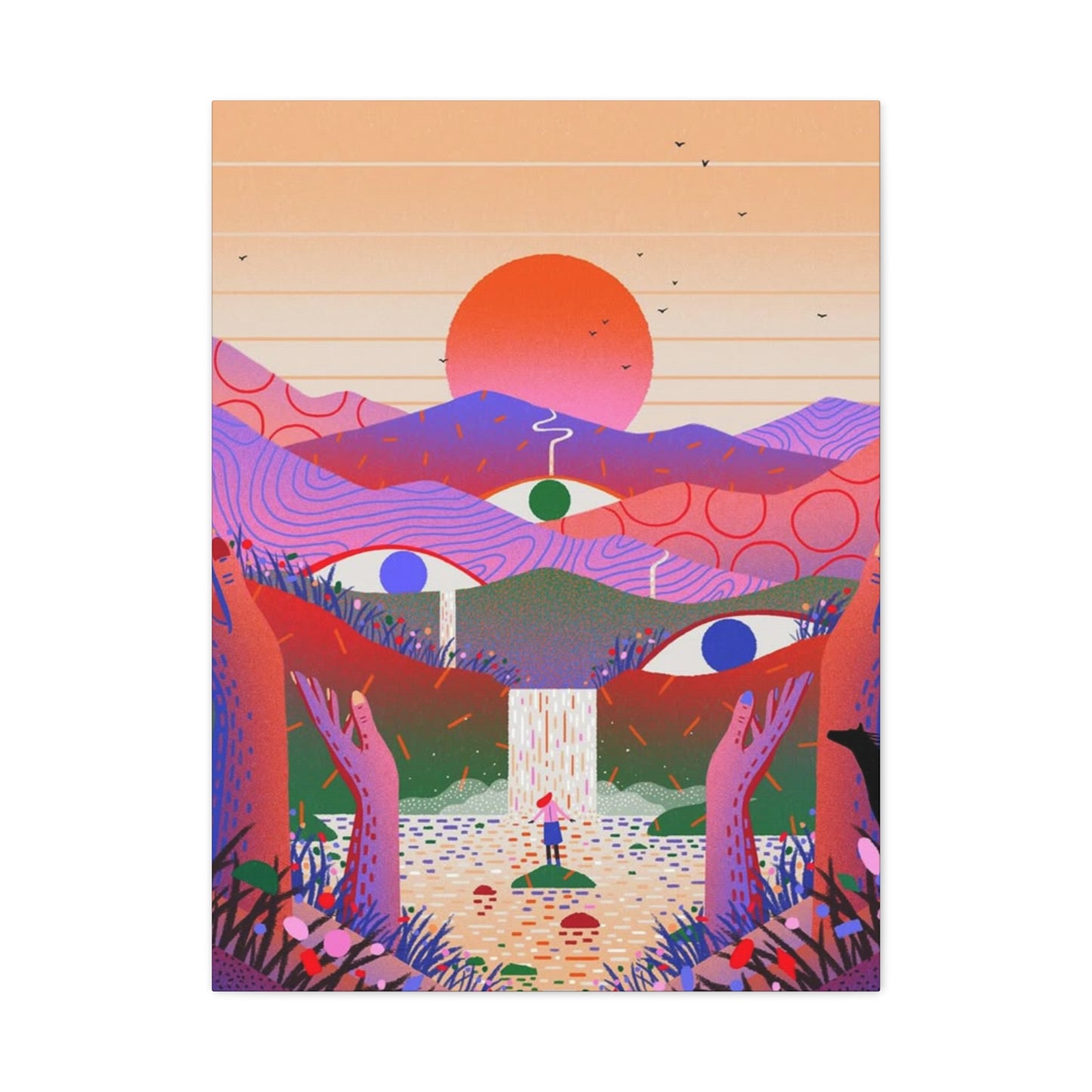
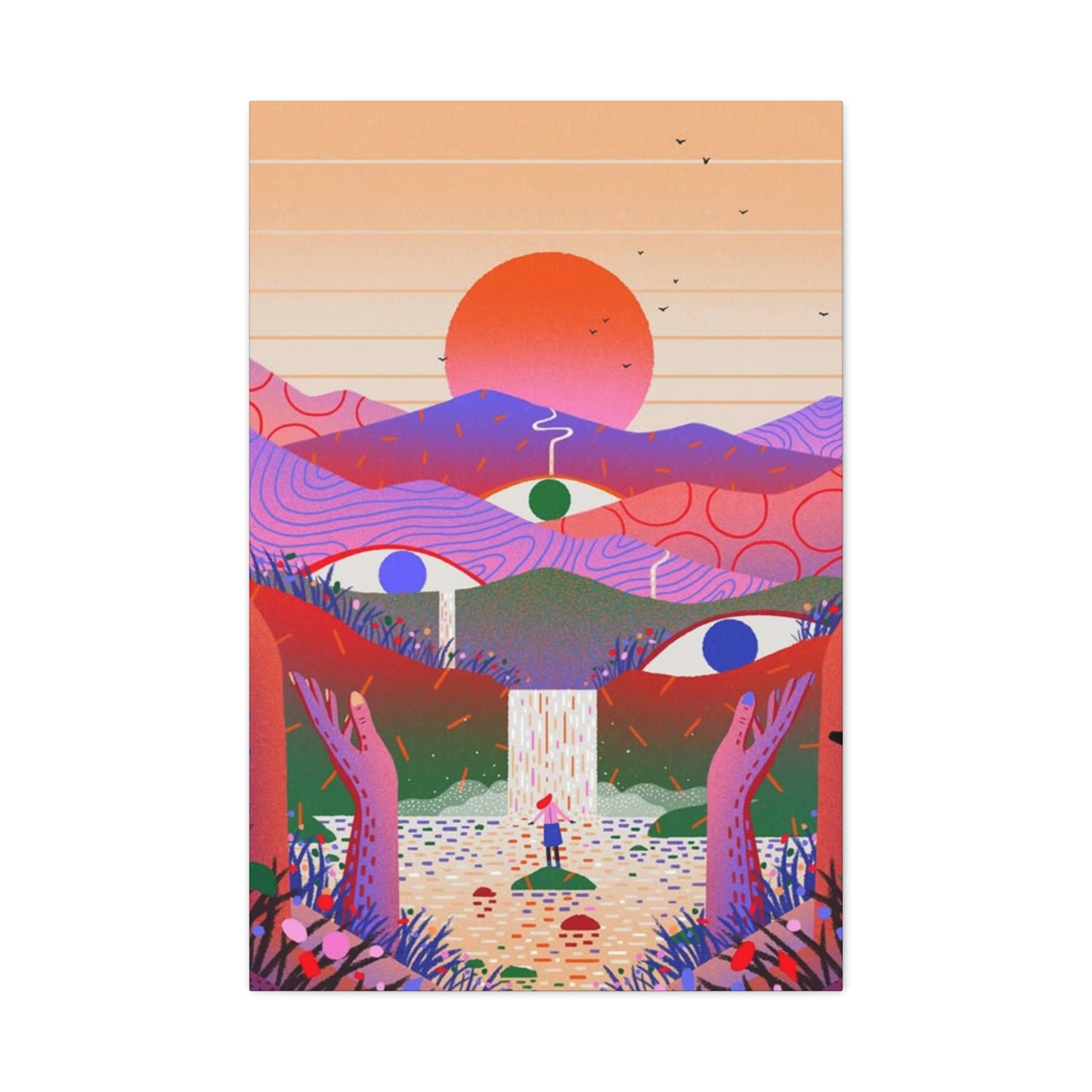
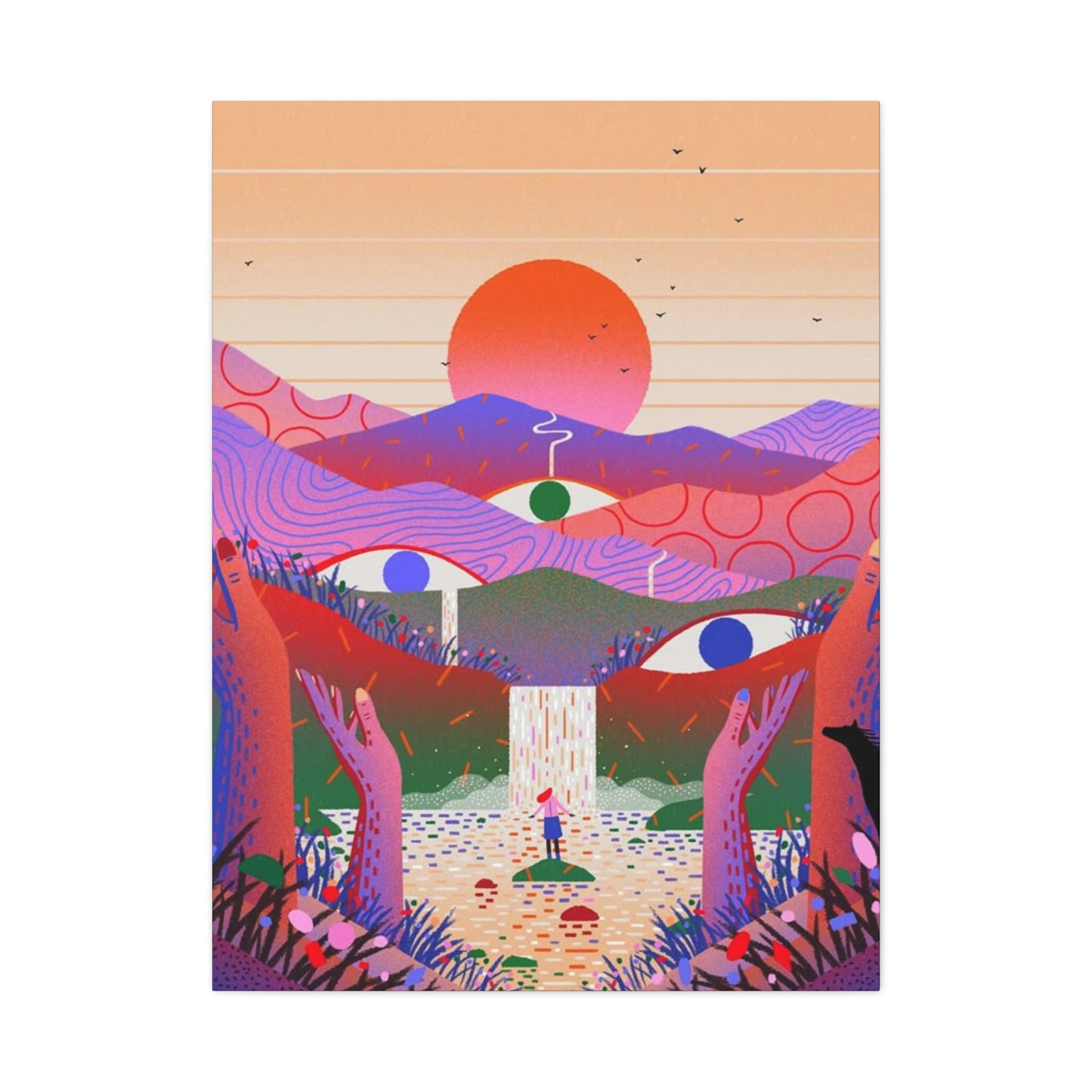
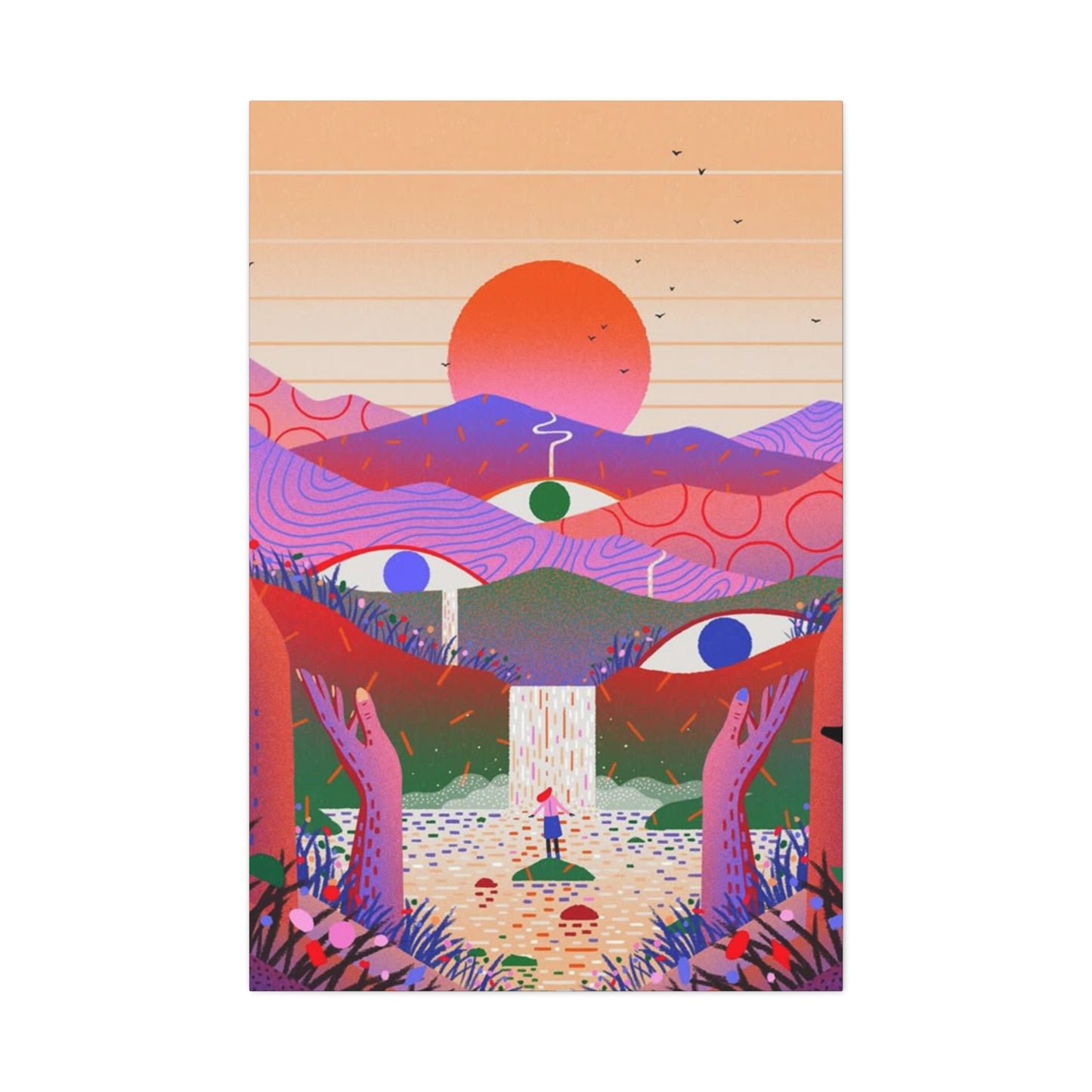
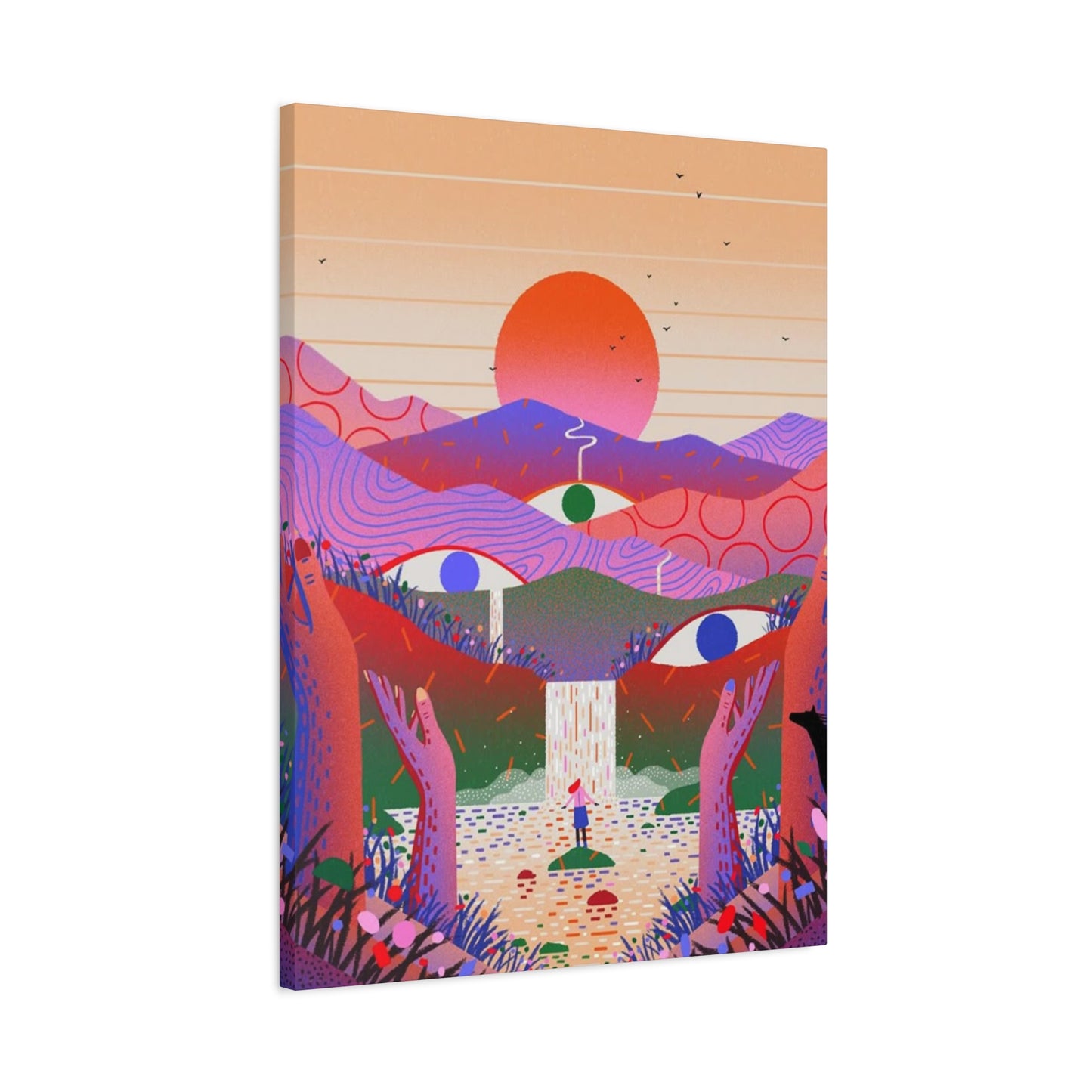
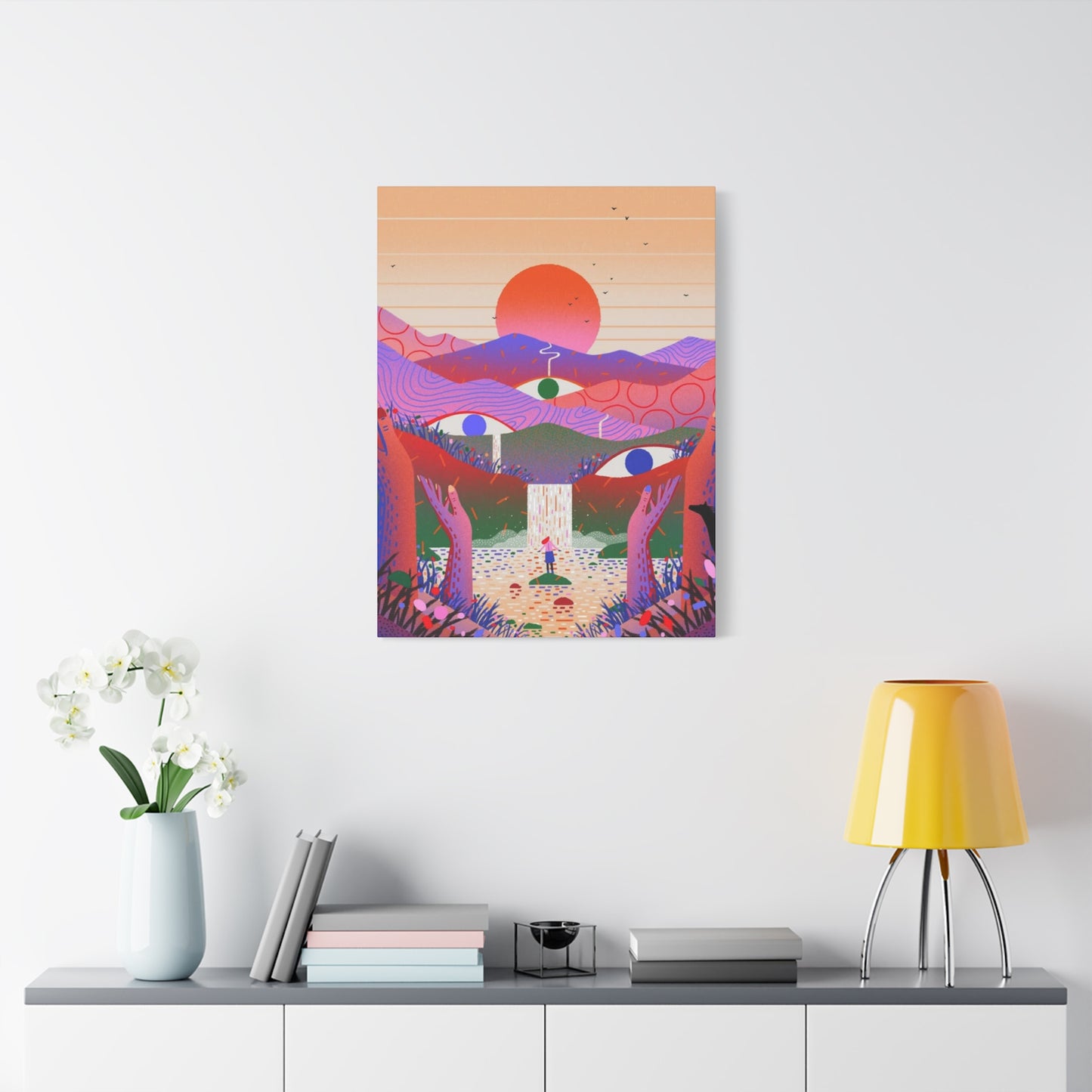
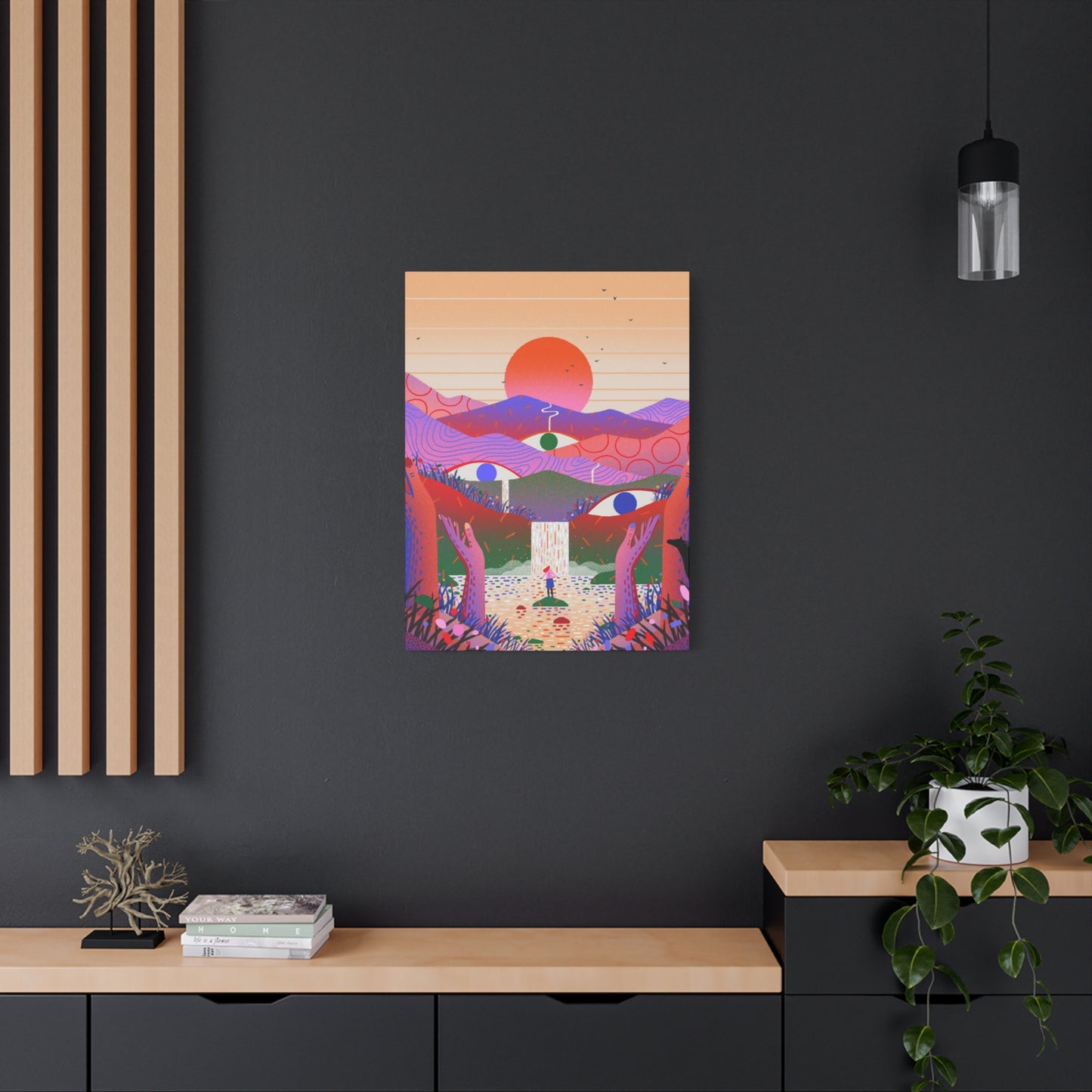
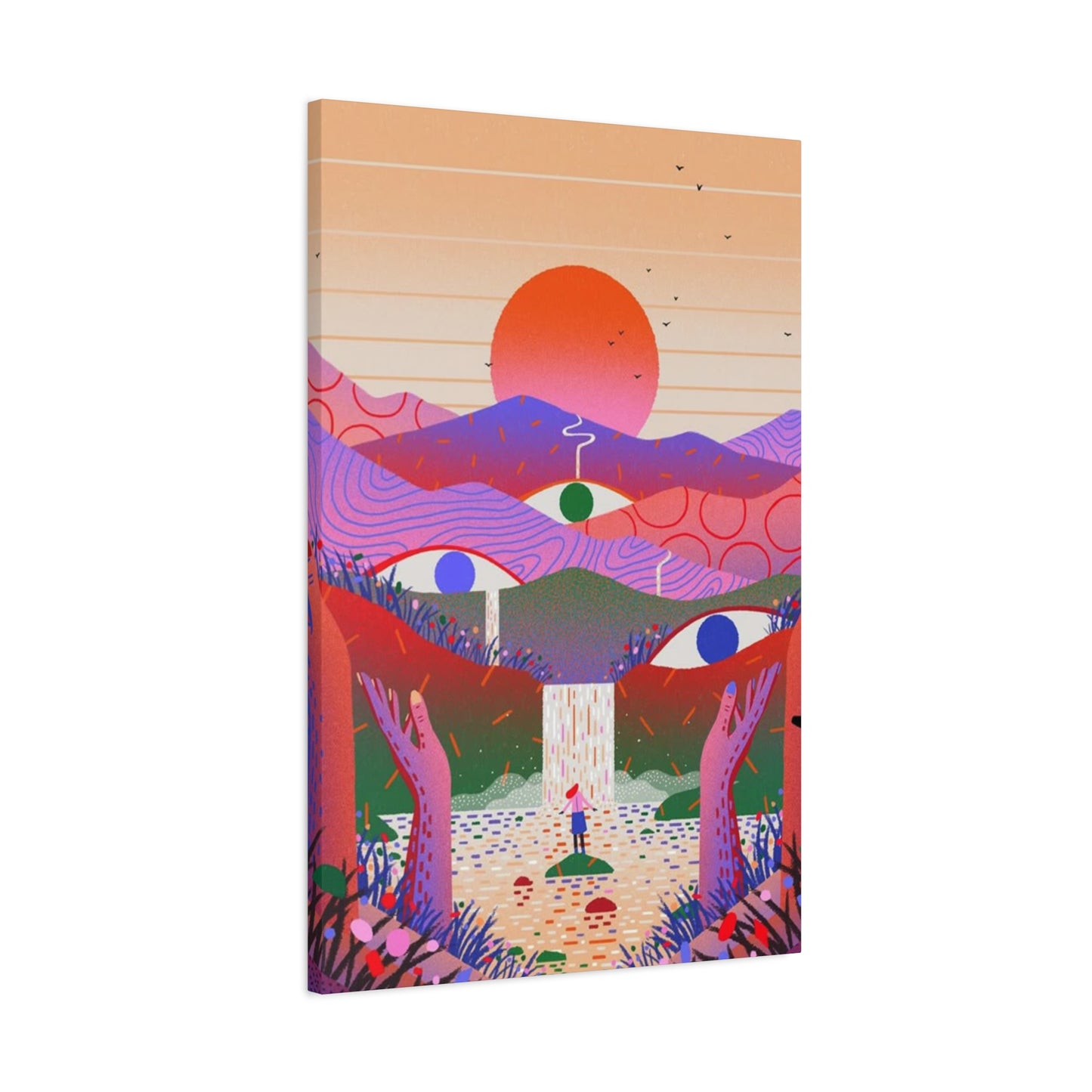
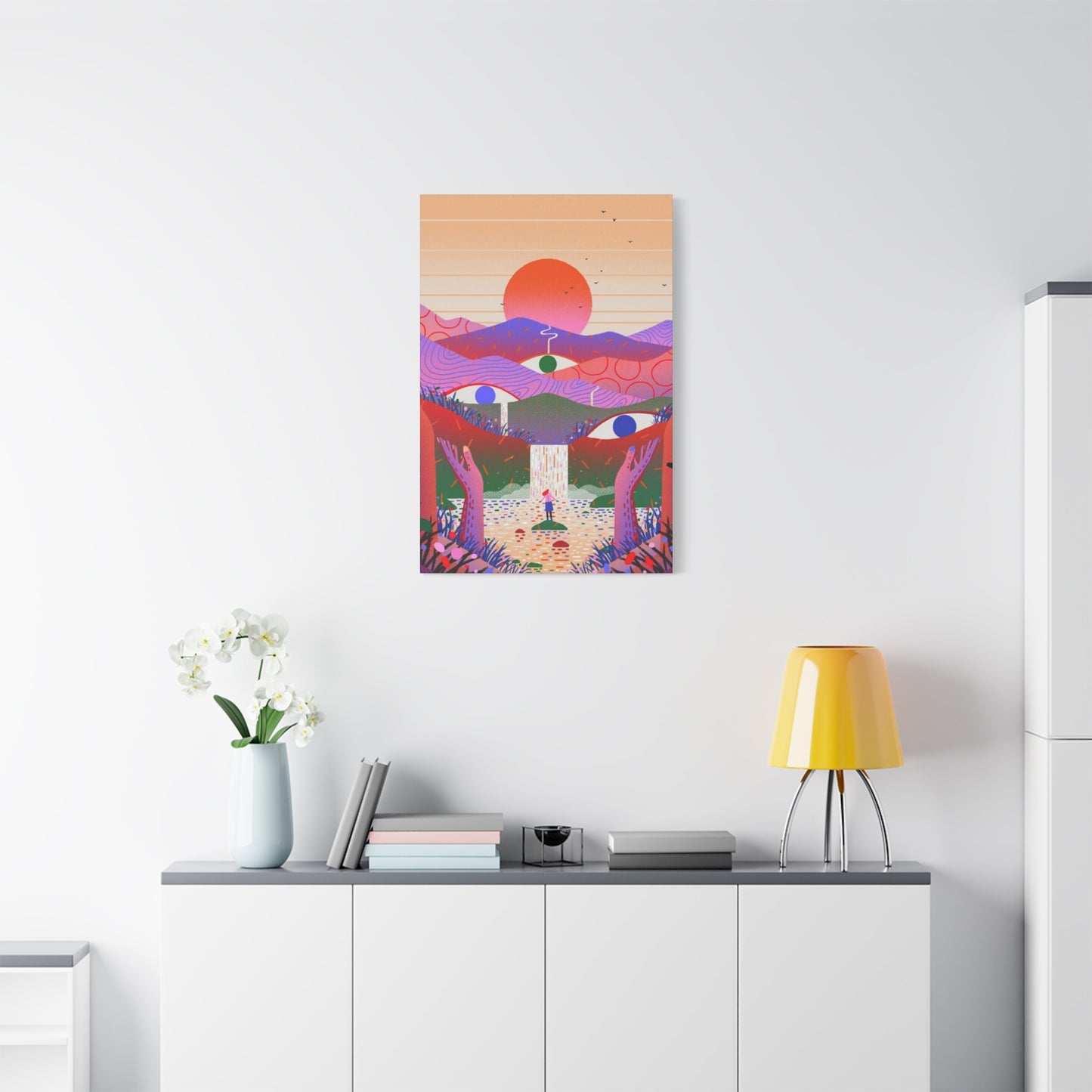
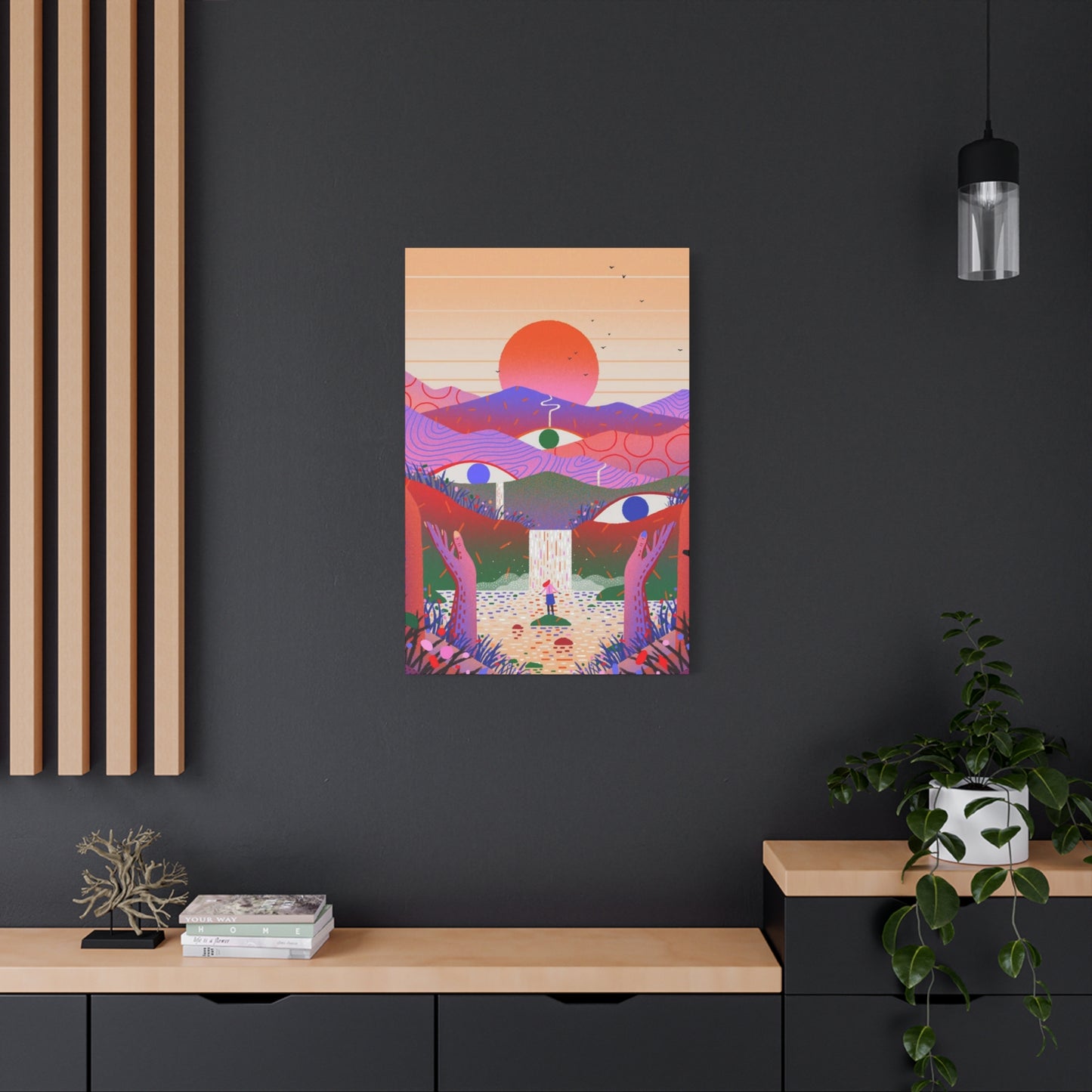
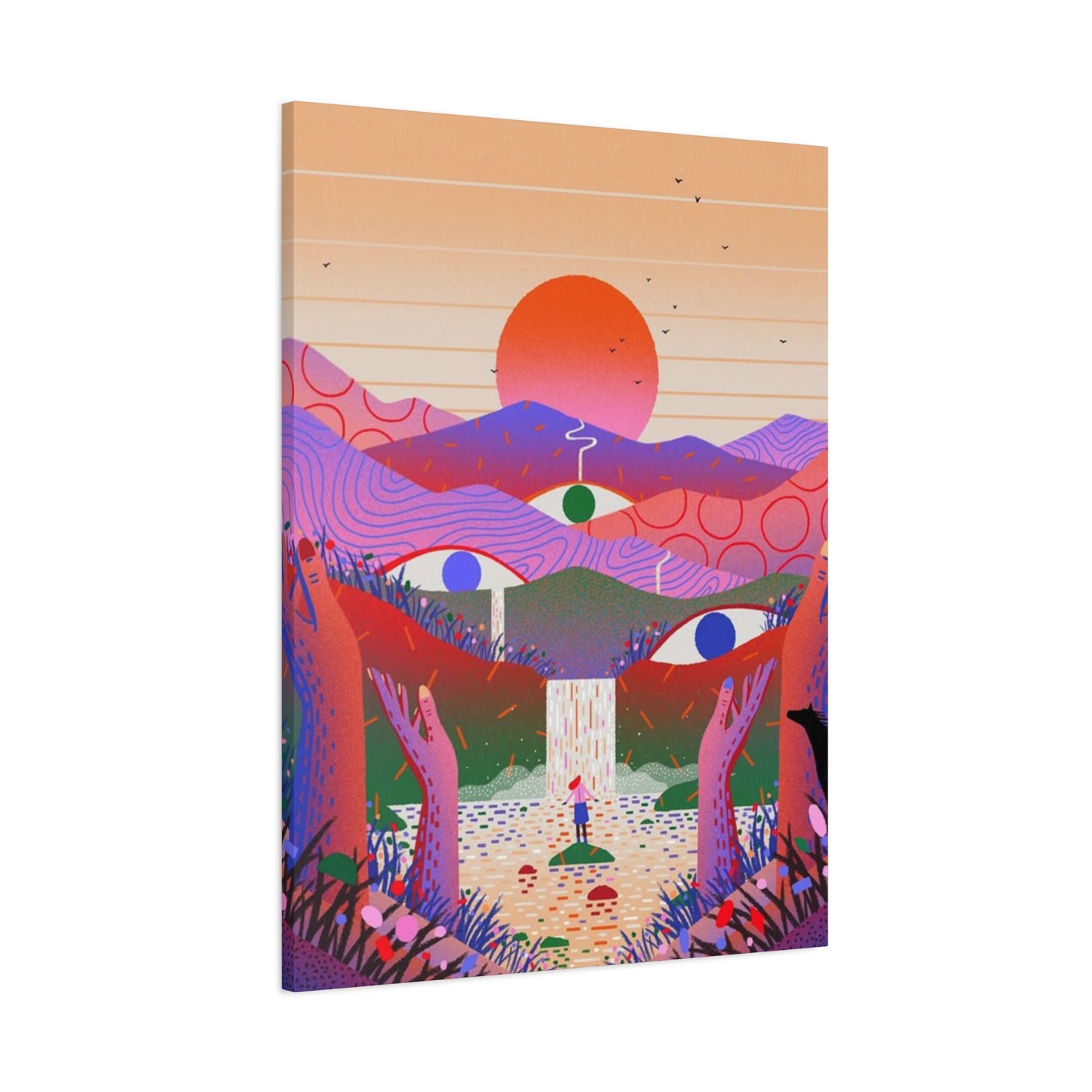
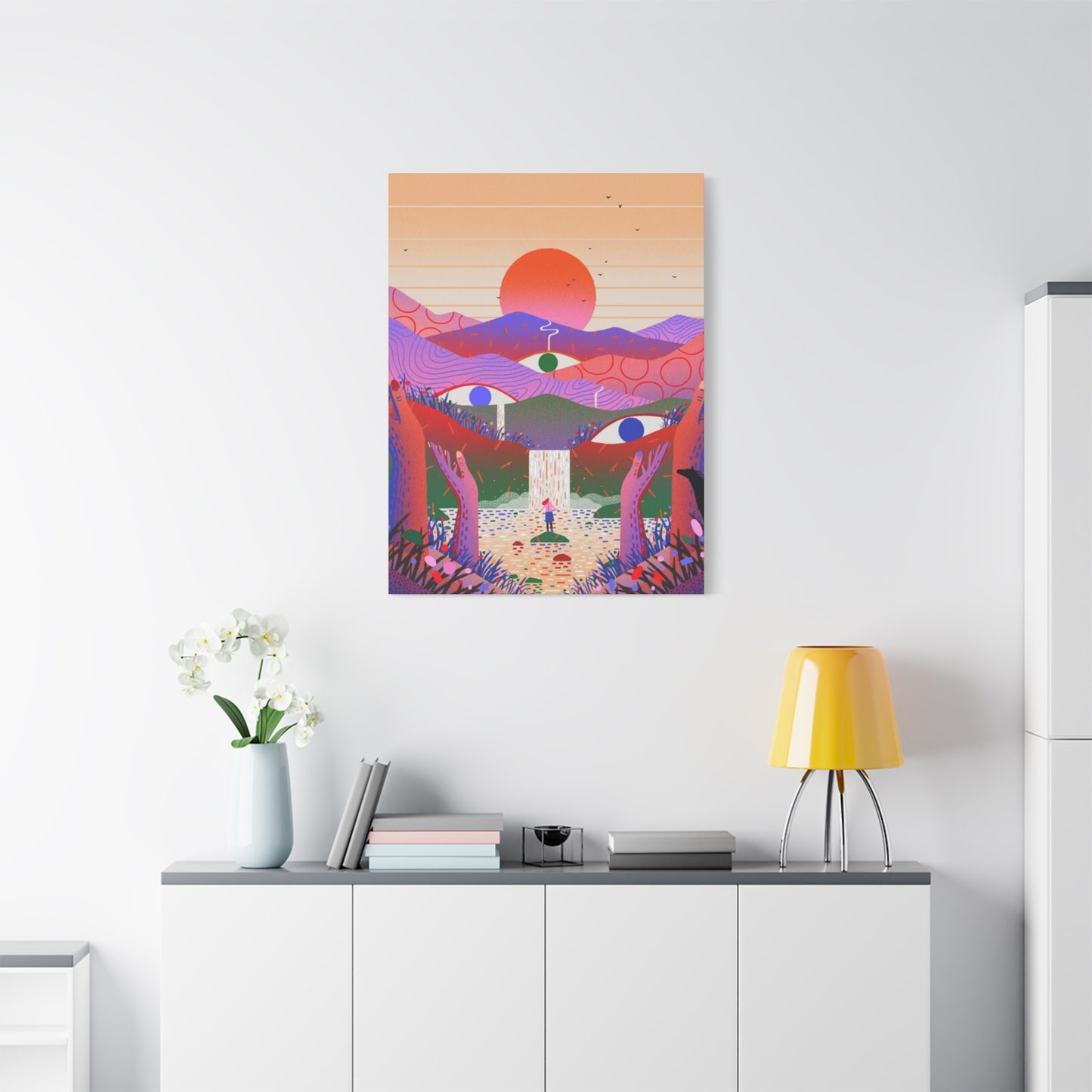
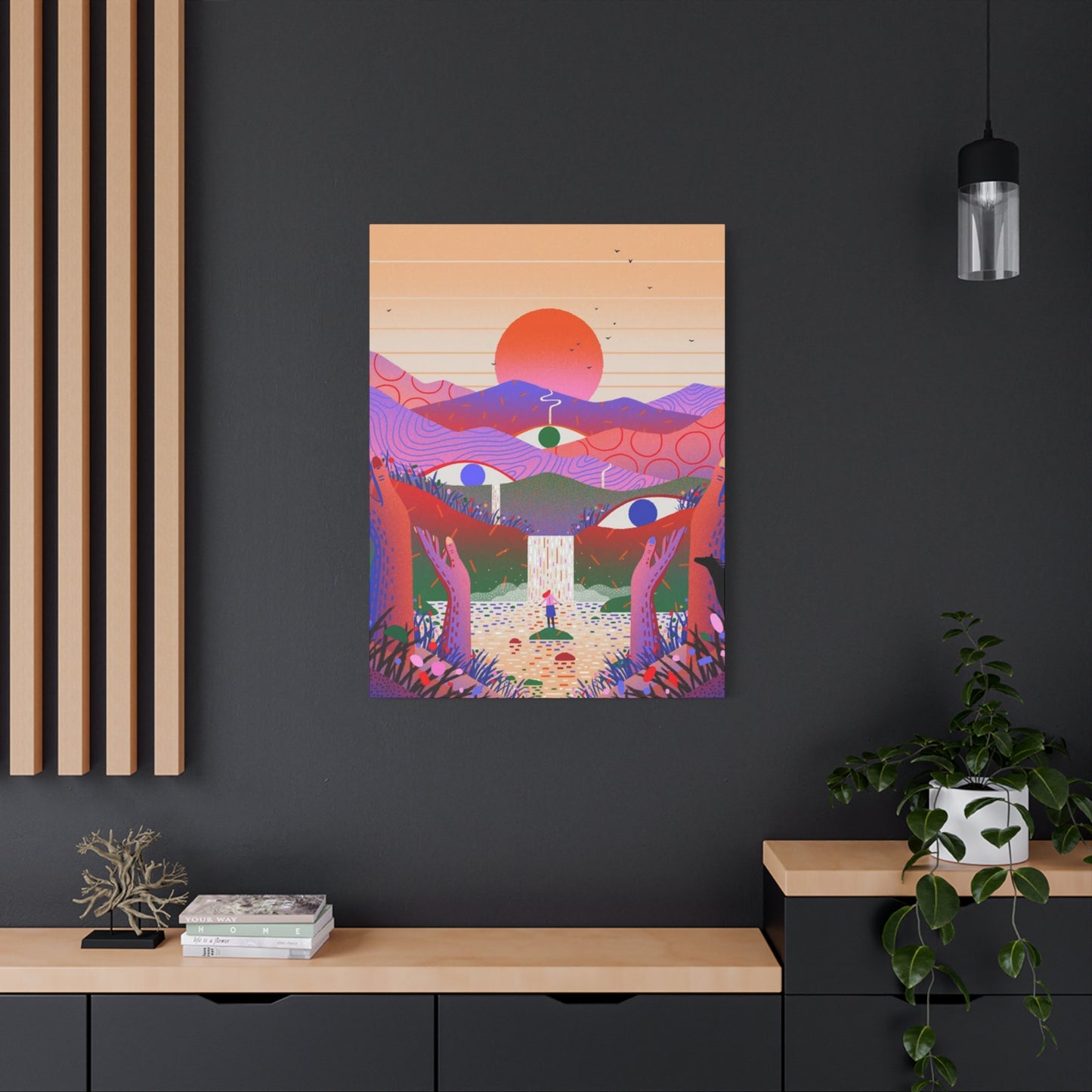
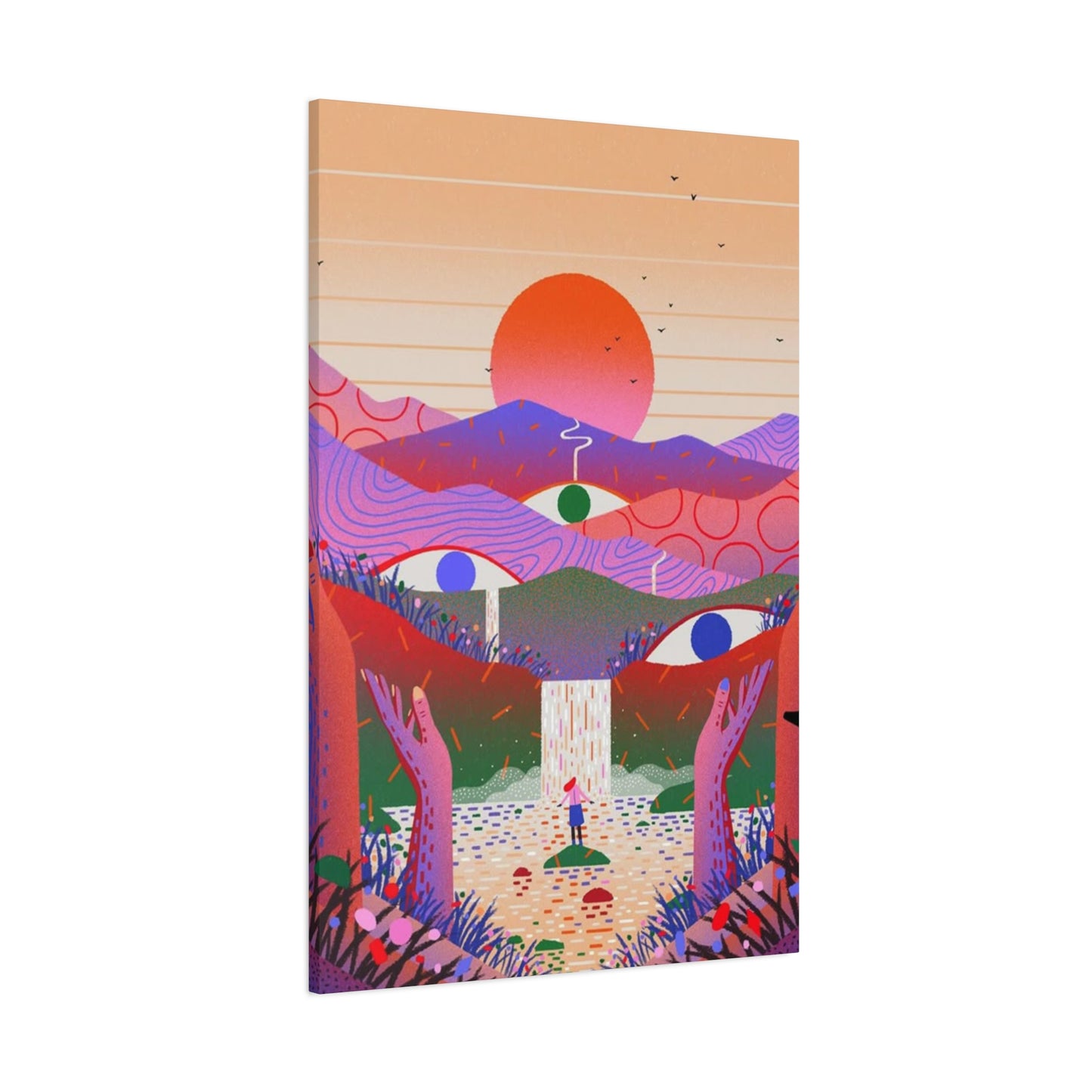
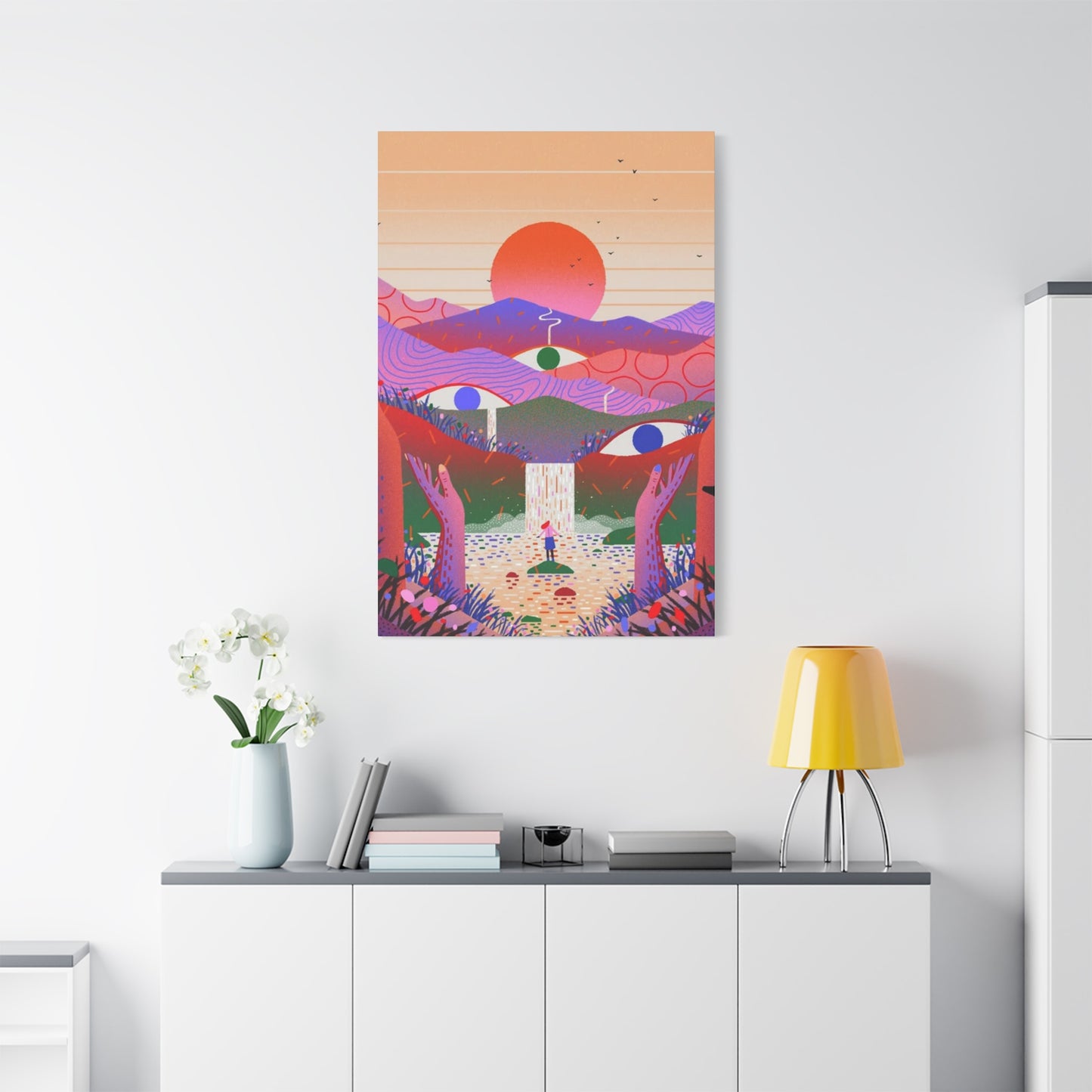
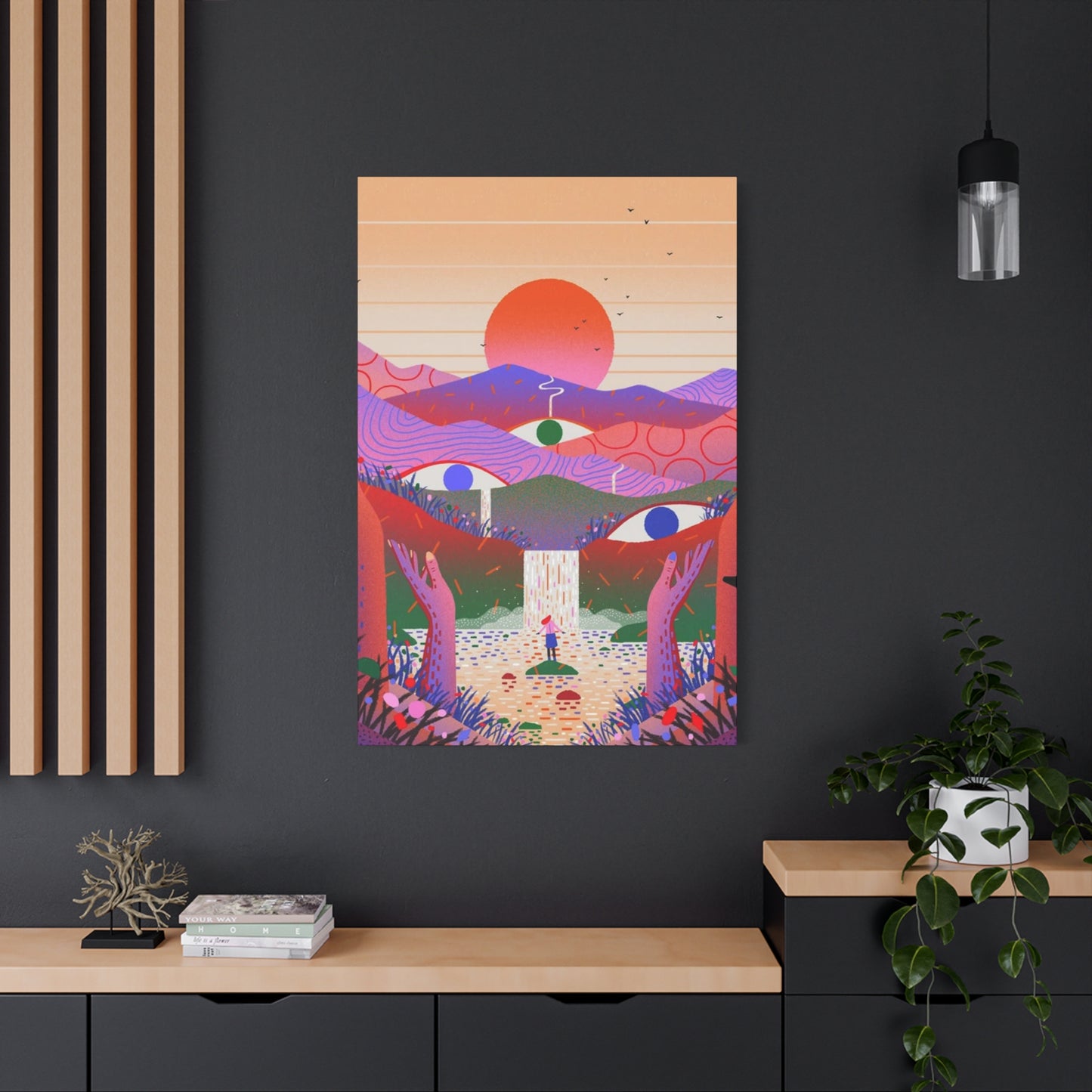
Captivating Vision: The Allure of Three Eyes Colorful Wall Art in Contemporary Spaces
The world of contemporary art continually evolves, bringing forth innovative designs that challenge our perception and invite us to see beyond the ordinary. Among these fascinating creations, three eyes canvas art has emerged as a powerful medium that captures attention and sparks imagination. This distinctive artistic expression combines vibrant hues, symbolic depth, and surrealist elements to create pieces that resonate with viewers on multiple levels. Whether displayed in residential spaces or commercial settings, these captivating artworks offer more than aesthetic appeal—they serve as windows into deeper consciousness and alternative ways of viewing our reality.
The presence of multiple eyes in artistic compositions has long fascinated both creators and admirers, representing heightened awareness, spiritual enlightenment, and the ability to perceive beyond surface appearances. When rendered in colorful, dynamic palettes, these works transform ordinary walls into extraordinary focal points that demand attention and invite contemplation. The fusion of traditional symbolism with modern artistic techniques creates a unique visual language that speaks to diverse audiences, from seasoned collectors to those just beginning their journey into art appreciation.
As interior design trends increasingly favor bold, meaningful artwork that reflects personal values and aesthetic preferences, three eyes canvas prints have found their place in contemporary homes and workspaces. These pieces offer versatility in styling while maintaining their powerful impact, making them suitable for various design schemes from minimalist modern to eclectic bohemian. The rich symbolism embedded within these artworks provides ongoing discovery, ensuring that viewers find new meanings and connections with each encounter.
Making Bold Declarations Through Triple Vision Canvas Artwork
The artistic choice to feature three eyes in canvas compositions represents a deliberate departure from conventional portraiture and representational art. This bold approach immediately captures viewer attention through its unconventional presentation, creating an unforgettable visual impact that distinguishes spaces from typical decorated environments. The statement made by such artwork extends beyond mere decoration, functioning as a declaration of the owner's willingness to embrace unconventional beauty and challenge traditional aesthetic norms.
When positioned prominently within a room, three eyes canvas art commands attention through its unusual configuration and often intense color schemes. The arrangement of multiple eyes creates a sense of constant observation, generating an interactive dynamic between artwork and viewer that traditional pieces rarely achieve. This perceived watchfulness can transform the energy of a space, making it feel more alive and engaged, as if the artwork itself participates in the room's activities rather than passively adorning its walls.
The boldness of these pieces stems not only from their subject matter but also from the artistic execution typically employed in their creation. Artists working in this genre often utilize saturated colors, dramatic contrasts, and dynamic compositions that amplify the already striking nature of the triple eye motif. These technical choices ensure that the artwork maintains visual interest from various distances and viewing angles, providing both immediate impact upon entering a space and rewarding closer inspection with intricate details.
For collectors and design enthusiasts seeking to make definitive statements about their aesthetic sensibilities, three eyes canvas art offers an ideal solution. These works communicate openness to abstract concepts, appreciation for symbolic depth, and confidence in selecting artwork that defies conventional prettiness in favor of thought-provoking beauty. The presence of such pieces in a home or office environment signals sophistication and intellectual curiosity, suggesting that the space's inhabitant values meaning alongside visual appeal.
The psychological impact of encountering multiple eyes in artistic representation creates a memorable experience that lingers in viewers' minds long after they leave the space. This lasting impression enhances the statement quality of the artwork, ensuring that guests and visitors remember both the piece and the environment in which it resides. The conversation-generating nature of these works further amplifies their statement-making potential, as people naturally discuss and analyze the unusual imagery, thereby extending the artwork's influence beyond its physical presence.
Symbolic Depths Within Eye Imagery and Vibrant Wall Decorations
Eyes have served as powerful symbols throughout human history, carrying meanings that transcend cultural boundaries while also acquiring specific significance within particular traditions. In the context of colorful wall art, eye symbolism becomes even more complex and layered, as the addition of vivid hues introduces new dimensions of interpretation. The colors chosen to render these eyes can dramatically alter their symbolic meaning, with warm tones suggesting passion and energy while cool shades evoke mystery and introspection.
The ancient concept of the third eye, representing intuition and spiritual insight, forms a foundational element in understanding three eyes canvas art. This mystical symbol appears in numerous spiritual traditions, from Hindu and Buddhist teachings to Western esoteric practices, always pointing toward enhanced perception beyond ordinary sensory experience. When artists incorporate this symbol into their work, they tap into this rich symbolic heritage, inviting viewers to consider dimensions of existence beyond the immediately visible.
Within colorful wall art compositions, the eye symbol frequently represents protection and warding off negative influences. This apotropaic function has roots in ancient Mediterranean cultures, where eye symbols adorned homes, ships, and personal items to deflect harmful energies. Contemporary artists often draw upon this protective association, creating works that serve not only aesthetic purposes but also function as talismans for the spaces they occupy, providing psychological comfort alongside visual stimulation.
The multiplicity of eyes in three eyes canvas art intensifies the symbolic potency of the single eye, suggesting exponentially enhanced awareness and perception. Where one eye might represent ordinary vision and two eyes binocular sight, three eyes symbolize the integration of physical sight with intuitive knowing, creating a complete perceptual system that encompasses all ways of seeing. This triadic configuration holds special significance across various belief systems, connecting to concepts of past, present, and future or body, mind, and spirit.
Color choices in eye-focused wall art significantly influence the emotional and symbolic resonance of the piece. Vibrant blues might evoke the evil eye tradition while simultaneously suggesting depth and mystery. Fiery reds and oranges can represent passionate vision and transformative sight. Emerald greens connect to growth and renewal, while purples link vision to spiritual royalty and mystical experience. The interplay of multiple colors within a single composition creates a symphony of meanings, allowing viewers to find personal significance based on their own color associations and emotional responses.
The gaze direction of depicted eyes adds another layer of symbolic meaning to colorful canvas art. Eyes looking directly at viewers create confrontation and engagement, forcing acknowledgment and interaction. Sideways glances suggest mystery and hidden knowledge, while upward-gazing eyes might indicate spiritual aspiration or connection to higher realms. In three eyes compositions, artists can employ varied gaze directions to create complex narratives about different types of seeing and knowing, with each eye potentially representing a distinct mode of perception.
Surrealist Elements Within Triple Eye Canvas Creations
Surrealism as an artistic movement sought to liberate human consciousness from the constraints of rational thought, accessing deeper truths through dream logic and unexpected juxtapositions. Three eyes canvas prints naturally align with surrealist principles by presenting an impossible biological configuration that challenges viewers' expectations of human anatomy. This fundamental impossibility creates a gateway into surrealist experience, preparing the mind to accept other departures from conventional reality that the artwork might present.
The tradition of surrealist portraiture, exemplified by artists exploring the malleability of human features and the hidden aspects of identity, finds powerful expression in three eyes compositions. By multiplying a facial feature that ordinarily appears in pairs, these works question the fixed nature of human appearance and suggest fluid, transformative possibilities for identity and consciousness. This approach echoes surrealist fascinations with metamorphosis and the blurred boundaries between different states of being.
Dream imagery frequently features in surrealist art, and eyes hold special significance in dream symbolism, representing awareness, truth-seeking, and the penetration of illusions. Three eyes canvas art taps into this oneiric quality, creating works that feel as though they emerged from powerful dreams rather than conscious design processes. The often fragmentary or non-linear compositions surrounding the eyes reinforce this dream-like atmosphere, presenting visual elements that connect through emotional and symbolic logic rather than realistic spatial relationships.
Automatism, a key surrealist technique involving the suppression of conscious control to allow unconscious mind expression, often manifests in the spontaneous, flowing color applications seen in vibrant three eyes artwork. The way colors bleed into one another, creating unexpected gradients and combinations, suggests the free-flowing nature of surrealist creation. This visual spontaneity contrasts with the precise rendering of the eyes themselves, creating tension between control and release that characterizes much surrealist expression.
The surrealist principle of the "convulsive beauty" described by André Breton finds embodiment in three eyes canvas prints through their capacity to simultaneously attract and unsettle viewers. These works possess undeniable visual appeal through their color and composition, yet the unusual subject matter creates a subtle discomfort that prevents purely passive appreciation. This productive tension maintains viewer engagement, prompting ongoing contemplation rather than a single moment of appreciation followed by dismissal.
Dislocation and unexpected contexts form essential surrealist strategies, and three eyes artwork employs these techniques by placing symbolic or fantastical imagery within familiar artistic formats. The canvas print itself represents a conventional presentation method associated with traditional art, yet the content challenges all traditional expectations. This juxtaposition of familiar medium with unfamiliar imagery creates cognitive dissonance that opens viewers to surrealist experience, allowing them to question other assumptions about reality and perception.
Biomorphic forms, organic shapes that suggest life without representing specific organisms, frequently appear in surrealist compositions and often surround or interact with the eyes in three eyes canvas art. These flowing, ambiguous forms enhance the work's surrealist quality by refusing clear categorization as either abstract or representational. They exist in the liminal space that surrealism seeks to explore, the territory between conscious recognition and unconscious resonance where the most profound artistic experiences occur.
Representation of Perception and Consciousness in Triple Eye Artwork
The conceptual foundation of three eyes art rests upon exploration of how we perceive reality and the nature of consciousness itself. By presenting an augmented visual system, these works invite contemplation about whether our ordinary two-eyed vision provides complete or merely sufficient information about our surroundings. This questioning of perceptual adequacy encourages viewers to consider what they might be missing in their everyday observations and interactions with the world.
Philosophical traditions across cultures have long distinguished between different types of seeing—physical sight versus insight, observation versus understanding, looking versus truly perceiving. Three eyes canvas compositions visually represent this distinction by suggesting a perceptual capacity beyond ordinary human equipment. The additional eye symbolizes the integration of intellectual understanding and intuitive knowing with sensory data, creating a holistic model of consciousness that processes information through multiple channels simultaneously.
Neuroscience reveals that human perception involves complex interpretation rather than passive recording of sensory input, with the brain constantly constructing reality based on expectations, memories, and contextual clues. Three eyes artwork reflects this constructive nature of perception by presenting imagery that our brains must actively work to process and integrate. The impossible anatomy forces viewers to engage interpretive capacities, making them conscious participants in creating meaning from the visual information presented rather than passive recipients of a predetermined message.
The relationship between attention and perception becomes particularly relevant when examining three eyes canvas art. Research demonstrates that we see only what we attend to, with unattended stimuli often failing to register consciously despite being physically visible. The multiple eyes in these compositions suggest an expanded capacity for attention, able to focus on more aspects of experience simultaneously. This visual metaphor for heightened awareness resonates with mindfulness practices and other consciousness-expanding disciplines that seek to increase present-moment attention.
Metacognition, or thinking about thinking, represents an advanced form of consciousness that allows humans to observe their own mental processes. Three eyes art encourages this metacognitive stance by making viewers aware of their own perceptual processes. The unusual imagery prompts people to notice how they're seeing and interpreting the artwork, creating a reflexive loop where the subject matter (perception) mirrors the viewer's activity (perceiving). This self-referential quality adds intellectual depth to the aesthetic experience.
Cultural variations in visual perception demonstrate that how we see is shaped by experience and cultural context, not solely by biological equipment. Three eyes canvas prints acknowledge this cultural construction of vision by presenting an alternative perceptual model that doesn't correspond to any actual human visual system. This artistic gesture suggests that our ways of seeing are more flexible and culturally determined than we typically recognize, opening possibilities for developing new perceptual capacities through intentional practice.
The temporal aspects of perception—how consciousness unfolds over time rather than capturing static moments—find expression in three eyes compositions through the implied narrative of shifting focus and attention. With three eyes, which does one attend to first? How does attention move between them? These questions mirror the constant flow of consciousness as it moves through experiences, selecting some elements for focused attention while relegating others to peripheral awareness, constantly constructing and reconstructing the experienced moment.
Integrating Colorful Triple Vision Art Into Residential Design
Successfully incorporating three eyes canvas art into home décor requires thoughtful consideration of both the artwork's powerful presence and the overall design environment. These pieces function best when given sufficient visual space to make their impact, avoiding overcrowded arrangements that might dilute their effectiveness. The boldness of the imagery demands respect through appropriate placement and surrounding design choices that complement rather than compete with the artwork's intensity.
Color coordination between the canvas art and the room's existing palette determines whether the piece feels integrated or jarringly out of place. While three eyes artwork often features vibrant, diverse color schemes, identifying one or two dominant hues within the piece and echoing them through room accessories creates visual harmony. This approach allows the artwork to stand out while maintaining connection to the broader design scheme, preventing the isolated appearance that can occur when art feels disconnected from its environment.
Lighting considerations significantly impact how three eyes canvas prints appear within a space. These works benefit from dedicated lighting that enhances their colors and details without creating glare on the canvas surface. Picture lights, track lighting, or strategically placed accent lamps can transform the artwork's appearance, revealing subtleties invisible under general room lighting. The interplay between light and the depicted eyes can create dramatic effects, with shadows and highlights making the eyes appear to shift and change throughout the day.
Scale relationships between artwork and furniture determine visual balance within a room. Oversized three eyes canvas prints work beautifully above substantial furniture pieces like sofas or beds, where their size feels proportional to the surrounding elements. Conversely, smaller works might better suit more intimate spaces or gallery wall arrangements where multiple pieces interact. Understanding these scale dynamics prevents the common mistakes of hanging art too small for its space or overwhelming a room with disproportionately large pieces.
Room function influences appropriate placement for three eyes artwork, as these pieces carry psychological weight that affects space atmosphere. In living areas designed for social interaction, such art can serve as a conversation catalyst and focal point that draws people together. In private spaces like bedrooms or studies, the introspective quality of eye imagery supports contemplation and personal reflection. Understanding these functional considerations ensures the artwork enhances rather than conflicts with each room's intended purpose.
Mixing three eyes canvas art with other design styles demonstrates sophisticated decorating skills and prevents the themed appearance that occurs when all elements match too perfectly. These pieces adapt surprisingly well to various aesthetics, from minimalist spaces where they provide necessary visual interest to maximalist environments where they contribute to overall richness. The key lies in maintaining some consistency in color intensity or artistic approach while allowing individual pieces their distinct character.
Textural contrasts between smooth canvas surfaces and other room materials create tactile interest that enhances overall design sophistication. Pairing three eyes artwork with natural materials like wood, stone, or woven textiles balances the artwork's often fantastical subject matter with grounding physical elements. These material juxtapositions prevent spaces from feeling too conceptual or disconnected from physical comfort, maintaining livability alongside artistic expression.
Seasonal rotation of artwork allows homeowners to keep their environments fresh while building diverse collections over time. Three eyes canvas prints with cooler color palettes might appear during summer months, while warmer-toned pieces could emerge in autumn and winter. This rotation practice maintains ongoing engagement with the artwork while preventing the visual fatigue that can occur when powerful images remain in constant view without variation.
Decoding the Eye Symbol in Vibrant Canvas Compositions
The eye as an artistic motif carries layered meanings accumulated over millennia of human creative expression. In ancient Egypt, the Eye of Horus represented protection, royal power, and good health, appearing on amulets and architectural elements throughout the civilization. This protective function continues to resonate in contemporary colorful canvas art, where eye imagery often serves as a guardian presence within domestic spaces, providing psychological security alongside aesthetic value.
Greek mythology contributed the concept of the evil eye, a malevolent gaze capable of causing harm to those it fixates upon. This belief spawned protective counter-symbols, particularly in Mediterranean cultures, where eye amulets deflect harmful intention. Modern canvas art incorporating eye imagery sometimes references this tradition, transforming ancient superstition into contemporary symbolism that acknowledges unseen energies and the power of focused attention, whether beneficial or harmful.
Christian iconography employed the All-Seeing Eye to represent divine providence and God's omniscient presence observing all human actions. This symbol appears in numerous churches and religious artworks, often positioned at architectural apex points to emphasize the vertical relationship between earthly and heavenly realms. When incorporated into colorful wall art, this symbol retains spiritual connotations while often acquiring more ambiguous meaning, pointing toward universal consciousness rather than specific religious doctrine.
Eastern spiritual traditions, particularly Buddhism and Hinduism, developed sophisticated eye symbolism centered on the third eye or ajna chakra. Located at the brow center, this invisible eye represents intuitive wisdom and the ability to perceive truth beyond sensory illusions. Canvas art drawing upon these traditions often features eyes in non-anatomically-correct positions, suggesting vision that transcends physical limitation and accesses higher planes of understanding.
Freemasonry and other esoteric Western traditions adopted eye symbolism to represent enlightenment and the initiated individual's ability to perceive hidden truths. The eye within a triangle, surrounded by radiating light, became a particularly potent image representing the illuminated mind capable of comprehending mysteries. Contemporary colorful canvas art sometimes employs these symbolic vocabularies, creating works that resonate with viewers familiar with esoteric traditions while remaining visually engaging for those without such background knowledge.
Psychological interpretations of eye imagery emphasize self-awareness and the examined life, with the eye representing consciousness turned inward. Freudian and Jungian traditions both assigned significance to eyes in dreams and art, viewing them as symbols of ego awareness and the capacity for self-reflection. Colorful canvas art featuring prominent eyes can trigger these psychological associations, encouraging viewers toward greater self-examination and conscious engagement with their inner lives.
The biological reality of eyes as organs of perception grounds all symbolic interpretations in physical experience. This concrete foundation allows eye imagery to communicate across cultural boundaries, as all humans share the basic experience of vision even while interpreting its symbolic meaning differently. Colorful canvas art leveraging this universal recognition creates immediately accessible work that nonetheless carries potential for deep symbolic exploration.
Contemporary artists working with eye imagery often blend multiple symbolic traditions, creating syncretic works that draw power from diverse sources. A single canvas might incorporate protective evil eye elements, third eye spiritual references, and psychological self-awareness themes simultaneously. This multiplicity of meaning enriches the artwork, offering different entry points for varied viewers while maintaining overall coherence through the central eye motif.
Why Triple Eye Canvas Prints Excel in Contemporary Interior Spaces
Modern interior design increasingly favors bold, meaningful artwork over generic decorative pieces, creating ideal conditions for three eyes canvas prints to thrive. These works satisfy the contemporary preference for statement pieces that reflect personal values and aesthetic courage while providing the visual impact necessary to anchor minimalist spaces. The conceptual depth of triple eye imagery aligns with the intellectual approach many modern homeowners take toward decorating, viewing their spaces as curated environments expressing identity rather than merely functional shelters.
The color palettes typically employed in three eyes artwork complement contemporary design's embrace of vibrant hues as accent elements against neutral backgrounds. Many modern interiors feature predominantly white, grey, or beige surfaces that benefit from energetic color injections, and these canvas prints deliver such color in concentrated, sophisticated form. The artwork's vibrancy prevents spaces from feeling sterile while maintaining the clean aesthetic that characterizes modern design sensibilities.
Open floor plans dominating contemporary residential architecture require strong focal points to define different areas within continuous space. Three eyes canvas prints serve this function excellently, creating visual anchors that help distinguish living zones from dining areas or home offices. The artwork's ability to command attention from across open spaces makes it particularly effective in these challenging layouts, where traditional room divisions don't exist to guide the eye or define territories.
The industrial elements common in modern interiors—exposed brick, concrete surfaces, metal fixtures—benefit from the humanizing influence of eye imagery. While abstract geometric art might reinforce industrial coldness, the presence of eyes introduces organic reference and psychological warmth. This balance prevents modern spaces from feeling too austere or unwelcoming, maintaining livability alongside architectural honesty.
Technology integration characterizing contemporary homes finds unexpected harmony with three eyes artwork through shared themes of enhanced perception and expanded awareness. Just as smartphones and smart home systems extend human capabilities, additional eyes suggest augmented perceptual powers. This conceptual resonance creates subtle connection between cutting-edge technology and timeless artistic exploration, demonstrating that contemporary living can embrace both innovation and symbolic depth.
The emphasis on curated, meaningful possessions over abundant decorative objects in modern minimalism makes each artwork selection particularly important. Three eyes canvas prints justify their presence through multiple qualities: visual impact, symbolic meaning, conversation value, and artistic merit. This multi-dimensional value proposition satisfies the minimalist preference for fewer but more significant possessions, ensuring that every item in a space earns its presence through genuine contribution.
Contemporary design's global influences and cultural eclecticism welcome symbolism drawn from diverse traditions. Three eyes artwork, with its connections to various spiritual and cultural systems, embodies this cosmopolitan approach. Homeowners can incorporate these pieces without committing to a single cultural aesthetic, instead expressing openness to wisdom and beauty from multiple sources—a core value in contemporary global culture.
The instagrammable quality of modern interiors, designed to photograph beautifully for social media sharing, benefits from distinctive artwork like three eyes canvas prints. These pieces create the visual interest and uniqueness that makes spaces memorable and worth documenting. In an age where home design often has a public dimension through social media, artwork that photographs well and generates engagement holds practical value alongside its aesthetic function.
Color and Enigma United in Triple Eye Wall Decorations
The deliberate fusion of vibrant color with mysterious imagery creates a productive tension that defines exceptional three eyes wall art. Color serves as the immediate attraction, drawing viewers toward the piece through visceral response to hue, saturation, and contrast. Mystery embedded in the impossible anatomical configuration and symbolic depth sustains engagement once initial color attraction succeeds, transforming casual glances into prolonged contemplation. This two-stage engagement process makes these works effective across different viewing durations and distances.
Color psychology principles inform how three eyes artwork affects viewer emotions and the spaces it inhabits. Warm colors—reds, oranges, yellows—energize and stimulate, making them appropriate for social spaces requiring vitality and interaction. Cool colors—blues, greens, purples—calm and introspect, suiting private areas dedicated to rest or contemplation. Many three eyes compositions combine warm and cool tones, creating emotional complexity that mirrors the intellectual complexity of the multiple eyes motif itself.
The mystery element in these works operates on multiple levels simultaneously. Surface mystery emerges from the biological impossibility of three eyes, creating immediate cognitive dissonance. Deeper mystery resides in symbolic meanings—what does this extra eye signify? What does the artist intend? What personal meaning might viewers discover? This layered mystery prevents exhaustion of the artwork's interest, as new questions and interpretations continue emerging with repeated viewing over time.
Chromatic relationships between the depicted eyes and their surrounding environments within the composition guide viewer attention and create visual hierarchy. When eyes appear in contrasting colors to their background, they dominate attention and assert their presence forcefully. When color relationships are more harmonious, with eyes rendered in hues related to their surroundings, the overall composition gains importance over individual elements, suggesting integration rather than separation between observer and observed.
The ineffable quality that distinguishes memorable art from merely competent work often emerges from the tension between clarity and ambiguity, between what reveals itself immediately and what remains forever partially hidden. Three eyes wall art exemplifies this balance, presenting clear, recognizable imagery—eyes are universally identifiable—while embedding that clarity within frameworks of mystery and multiple meanings. This combination satisfies both our desire for recognition and our appetite for enigma.
Color's capacity to transcend verbal language makes it particularly suitable for exploring mysterious themes that resist direct statement. While words might explain the symbolism of additional eyes, color communicates the feeling of expanded awareness directly, bypassing intellectual processing to affect viewers emotionally. This non-verbal communication channel allows three eyes artwork to impact viewers who might resist or overthink more explicitly symbolic or text-based pieces.
The interplay between translucency and opacity in painted or printed colors creates depth that enhances mysterious qualities. When underlying layers partially show through surface applications, they suggest hidden dimensions and concealed information, reinforcing the theme of seeing beyond surfaces that three eyes inherently represents. These technical painting qualities mirror the conceptual content, unifying form and meaning in sophisticated artistic integration.
Contemporary digital printing technologies enable color gradations and combinations impossible in traditional painting media, expanding expressive possibilities for three eyes canvas art. The seamless blending of multiple hues, the precision of detail combined with fluid color transitions, creates visual experiences that feel simultaneously hyperreal and dreamlike. This technical capability serves mysterious content perfectly, producing images that seem to exist between categories, neither fully realistic nor entirely abstract.
Styling Residential Environments With Vibrant Triple Eye Prints
Creating cohesive room designs around three eyes canvas prints requires understanding the artwork as the design's emotional and visual anchor. Other elements—furniture, textiles, accessories—should support and enhance the artwork's presence rather than competing for attention. This approach means selecting pieces in complementary colors and styles that create conversation with the artwork, building a unified environment where each element strengthens the others.
Wall color selection significantly affects how three eyes artwork presents within a space. Neutral walls—whites, grays, taupes—provide clean backgrounds that allow colorful artwork to dominate attention without interference. Darker walls can create dramatic settings where the artwork glows with intensified presence, particularly effective with pieces featuring lighter or more luminous colors. Matching wall color to minor tones within the artwork creates sophisticated coordination that demonstrates design mastery.
Furniture arrangement should acknowledge the artwork's position, with seating oriented to provide comfortable viewing angles. Creating a primary viewing distance where the artwork can be appreciated in detail encourages engagement with the piece rather than relegating it to peripheral vision. In conversation areas, positioning the artwork where it's visible to multiple seating positions allows it to serve its function as a conversation catalyst, naturally drawing attention during social gatherings.
Textile selections—curtains, throw pillows, blankets—offer opportunities to echo colors from the three eyes artwork throughout the room. This color repetition creates rhythm that guides the eye around the space, making the design feel intentional rather than accidental. The key lies in using varied materials and textures while maintaining color relationships, preventing the matched-set appearance that makes spaces feel contrived rather than thoughtfully curated.
Layering different art styles around a central three eyes piece demonstrates sophisticated collecting and prevents the single-note appearance of themed decoration. Abstract works, landscape photographs, sculptural objects—all can coexist with three eyes canvas art when unified through color relationships or conceptual connections. This eclectic approach creates personally meaningful collections that reflect diverse interests rather than narrow aesthetic focus.
Negative space management ensures the three eyes artwork receives adequate visual breathing room. Overcrowding the wall or surrounding area dilutes impact and creates visual chaos that prevents any single element from achieving its potential. Allowing empty wall space around the artwork emphasizes its importance and gives viewers' eyes rest areas that enhance rather than detract from the focal piece.
Seasonal styling updates can incorporate three eyes artwork as a constant around which other elements rotate. Summer might bring lightweight textiles and natural materials that complement the artwork's vibrant colors. Winter could introduce richer textures and warmer accent colors that create cozy atmosphere while maintaining visual connection to the canvas piece. This rotation keeps spaces fresh while building cohesion over time.
Personal collections and meaningful objects gain enhanced significance when displayed in relation to powerful artwork like three eyes canvas prints. The combination of mass-produced art prints with unique personal items creates balance between accessibility and individuality. Photographs, travel souvenirs, inherited objects—all become part of the story told by the space, with the artwork serving as a visual exclamation point emphasizing the room's narrative.
Emotional Resonance of Vivid Triple Eye Artwork
The immediate emotional response to three eyes colorful art often combines fascination with slight unease, a productive discomfort that maintains engagement and prevents passive reception. This emotional complexity reflects the artwork's essential character—beautiful yet strange, attractive yet challenging. Viewers experience simultaneous pull and push, drawn toward the vibrant colors and repelled by the impossible anatomy, creating dynamic tension that sustains interest over time.
Color's direct emotional impact operates through both innate and learned associations. Warm hues trigger physiological responses including increased heart rate and body temperature, creating feelings of energy and excitement. Cool tones have opposite effects, slowing systems and encouraging calm reflection. Three eyes artwork employing full-spectrum palettes produces emotional range that shifts as attention moves between different colored areas, creating varied experience within a single viewing session.
The sensation of being watched, triggered by depicted eyes in artwork, produces psychological effects distinct from viewing other imagery. Research demonstrates that people behave more prosocially when eyes are present, even highly stylized or symbolic eyes. This phenomenon suggests deep evolutionary programming around gaze awareness, making eye-featuring artwork particularly psychologically active within spaces. Three eyes intensify this effect, potentially tripling the sensation of observation.
Emotional projection onto artwork allows viewers to externalize and examine their own feelings through the mediating presence of the art object. The ambiguous nature of three eyes imagery—neither clearly positive nor negative—creates optimal conditions for projection, functioning like visual Rorschach tests where individuals discover personal meanings. This projective quality makes the artwork emotionally versatile, serving different psychological functions for different viewers or for the same viewer at different times.
The aesthetic pleasure derived from well-executed color harmonies and compositions activates reward centers in the brain, producing measurable positive emotional states. Three eyes canvas art that achieves technical excellence in color blending, compositional balance, and visual rhythm generates genuine pleasure responses that accumulate with repeated exposure. This neurological reward reinforces positive associations with both the artwork and the spaces it inhabits.
Nostalgia and memory connections can emerge unexpectedly when viewing three eyes artwork, as particular colors or stylistic elements trigger associations with past experiences. A specific shade of blue might recall childhood rooms or favorite garments. Surrealist elements might connect to beloved books or films encountered years earlier. These personal associations, unique to each viewer, create individualized emotional responses that extend beyond the artwork's inherent qualities.
The sublime—that aesthetic category mixing awe with terror, fascination with overwhelm—occasionally characterizes encounters with particularly powerful three eyes compositions. When scale, color intensity, and symbolic weight combine effectively, the result can produce that characteristic sublime sensation of pleasurable confrontation with something beyond ordinary experience. This profound emotional response marks truly exceptional artistic encounters that remain memorable for extended periods.
Emotional catharsis through art viewing occurs when accumulated tensions find release through aesthetic experience. The strangeness of three eyes imagery, combined with vibrant color's energizing effects, can facilitate emotional release for viewers carrying stress or suppressed feelings. The artwork provides a safe object onto which difficult emotions can be displaced and examined, offering therapeutic benefits alongside aesthetic pleasure.
The Fascinating Nature of Triple Eyes in Contemporary Art
The conceptual intrigue of featuring three eyes in modern wall art stems from this configuration's position precisely at the boundary between familiar and alien. Two eyes are mundane, expected, anatomically correct. Four or more eyes begin feeling fantastical or monstrous. Three eyes occupy a liminal zone—just barely impossible, suggesting potential rather than pure fantasy. This positioning creates cognitive engagement as viewers process the almost-but-not-quite-plausible imagery.
Biological symmetry deeply influences human aesthetic preferences, with symmetrical faces and forms generally preferred over asymmetrical alternatives. Three eyes disrupts this preference by creating fundamental asymmetry—one eye must occupy a different position than the paired set. Artists handle this challenge through various strategies: centralizing the third eye above or below the pair, scattering all three across a surface without paired arrangement, or creating ambiguous compositions where eye positioning defies clear spatial logic.
The uncanny valley effect, where almost-human entities trigger discomfort, applies to three eyes artwork that maintains otherwise realistic human features. This psychological phenomenon occurs because the configuration is human enough to trigger recognition but different enough to signal wrongness, activating threat-detection responses. Skilled artists working with three eyes imagery navigate this challenge by either fully embracing surrealist departure from realism or by rendering the three eyes so beautifully that aesthetic pleasure overrides uncanny discomfort.
Pattern recognition drives much human cognition, allowing rapid processing of complex visual information. Three eyes artwork hijacks these pattern recognition systems by presenting familiar elements in unfamiliar configurations. The brain recognizes eyes instantly but struggles to categorize the triple arrangement, creating productive confusion that maintains attention. This cognitive engagement distinguishes memorable art from forgettable decoration, ensuring ongoing interaction between viewer and work.
The philosophical implications of three eyes—what would it mean to possess such vision?—invite speculative thinking that extends beyond the artwork itself. Viewers might imagine enhanced depth perception, simultaneous forward and backward vision, or the famous third eye's intuitive capabilities. This imaginative engagement activates viewers' creative faculties, making them active participants in meaning-making rather than passive recipients of predetermined messages.
Cultural variations in interpreting three eyes imagery demonstrate how meaning emerges through interaction between artwork and viewer's background knowledge. Western viewers might immediately reference Judeo-Christian all-seeing-eye symbolism or sci-fi alien imagery. Eastern viewers might connect more readily to third eye spiritual traditions. This interpretive diversity enriches the artwork's cultural life, generating varied meanings across different contexts while maintaining core visual identity.
The artistic lineage connecting contemporary three eyes work to historical precedents in surrealism, symbolism, and visionary art provides depth and legitimacy to what might otherwise seem merely provocative. Understanding these connections allows appreciation of how current artists participate in ongoing conversations about perception, consciousness, and representation that have occupied creators for centuries. This historical continuity distinguishes serious artistic exploration from shallow trend-following.
The market dynamics around three eyes canvas art reflect broader trends in contemporary art collection, where bold, Instagram-friendly pieces gain traction among younger collectors. This artwork's visual distinctiveness makes it highly shareable on social media, expanding its audience beyond traditional art world boundaries. The resulting popularity feedback loop brings these pieces into more homes, further normalizing their once-shocking imagery.
What Captivates Art Enthusiasts About Triple Eye Compositions
Art lovers drawn to three eyes canvas prints appreciate the works' successful fusion of immediate visual appeal with conceptual substance. Unlike purely decorative art that offers surface beauty without depth, or purely conceptual work that privileges ideas over aesthetic pleasure, three eyes pieces achieve balance between these sometimes-competing priorities. This dual offering satisfies both the eye and mind, providing complete aesthetic experiences that reward different types of engagement.
The rarity of truly distinctive imagery in mass-market art makes genuinely unusual pieces like three eyes compositions particularly valuable to discerning collectors. Much available artwork recycles familiar motifs—landscapes, abstracts, inspirational quotes—without adding fresh perspective. Three eyes imagery disrupts this predictability, offering something memorable and conversation-worthy. For art lovers seeking to distinguish their collections and personal environments from standard offerings, this distinctiveness holds significant appeal.
Technical execution quality separates amateur from professional three eyes artwork, with skilled rendering of eyes' complex anatomy, successful color harmonization, and thoughtful composition elevating pieces above novelty status. Art enthusiasts trained to evaluate technical proficiency appreciate when artists successfully meet the challenges of depicting multiple eyes convincingly while maintaining overall compositional integrity. This appreciation for craft adds another dimension to the work's appeal beyond subject matter alone.
The interpretive openness of three eyes imagery allows knowledgeable art lovers to bring their understanding of symbolism, art history, and cultural references to bear on appreciation. Rather than prescribing single meanings, these works invite informed speculation and personal interpretation. This intellectual engagement transforms viewing from passive reception to active meaning-construction, satisfying the participatory impulses of sophisticated audiences.
Conclusion:
In the ever-evolving world of contemporary interior design, bold and unique wall art pieces have become central to creating striking, personalized spaces. Among the various artistic trends that have emerged in recent years, "three eyes" colorful wall art has captured the imagination of designers and homeowners alike. This dynamic and thought-provoking visual style, characterized by its use of three eyes, offers a powerful way to infuse rooms with energy, intrigue, and vibrant color. Whether you interpret the eyes as symbols of perception, spirituality, or even mysticism, their striking presence provides a captivating focal point that encourages conversation and adds depth to any space.
One of the most compelling aspects of three eyes wall art is its ability to evoke a sense of mystery and intrigue. The idea of three eyes has long held symbolic significance in various cultures and spiritual traditions, often representing expanded consciousness, the awakening of deeper truths, or the ability to see beyond the ordinary. In modern art, this motif is reimagined in a multitude of ways, from surreal and abstract designs to more playful and whimsical representations. Regardless of the style, the three eyes become a focal point that invites viewers to explore new dimensions, both visually and metaphorically. This sense of discovery enhances the overall atmosphere of the room, creating a space where contemplation and wonder are at the forefront.
The allure of three eyes wall art also lies in its ability to infuse any contemporary space with bold, vibrant color. Typically, this style features a rich palette of hues, ranging from deep, saturated tones to softer pastel shades. The interplay of color in three eyes art can be both energizing and calming, depending on the design and choice of colors. Whether the eyes are surrounded by fiery reds, electric blues, or tranquil greens, the combination of hues creates a visually stimulating composition that draws the viewer's attention. In a contemporary space, such art provides a striking contrast to more neutral elements, adding a sense of dynamism and vitality to otherwise minimalist or monochromatic environments.
In addition to its visual appeal, three eyes colorful wall art can also serve as a conversation starter, offering a unique opportunity to express personal beliefs, philosophies, or interpretations. The eyes can symbolize anything from a deeper understanding of the world to a playful commentary on perception itself. This open-ended symbolism allows the art to resonate with a wide range of viewers, offering multiple interpretations depending on individual experiences. As such, these pieces often become more than just decorative items; they serve as gateways to discussion, reflection, and connection among those who encounter them.
The versatility of three eyes wall art makes it an ideal choice for various interior styles, from sleek, modern apartments to bohemian-inspired homes and even eclectic spaces that mix and match elements from different eras and cultures. The boldness of the design can easily complement and elevate a room, providing an eye-catching contrast to minimalist furnishings or enhancing a more eclectic or maximalist decor scheme. Additionally, the piece's symbolic nature allows it to integrate seamlessly with other artworks, creating a cohesive narrative throughout the space that speaks to the homeowner's personality and aesthetic preferences.
What sets three eyes colorful wall art apart from more traditional designs is its ability to break from conventional design norms while still maintaining a sense of harmony and balance. The surreal nature of the three eyes often challenges the viewer's expectations, yet the way the piece is composed, particularly in terms of color and form, ensures that it remains visually engaging without overwhelming the room. This balance between boldness and subtlety makes it an ideal piece for anyone looking to inject character and creativity into their home without resorting to overly chaotic or cluttered decor.


