


Tiger On Branch Wall Art & Canvas Prints
Tiger On Branch Wall Art & Canvas Prints
Couldn't load pickup availability
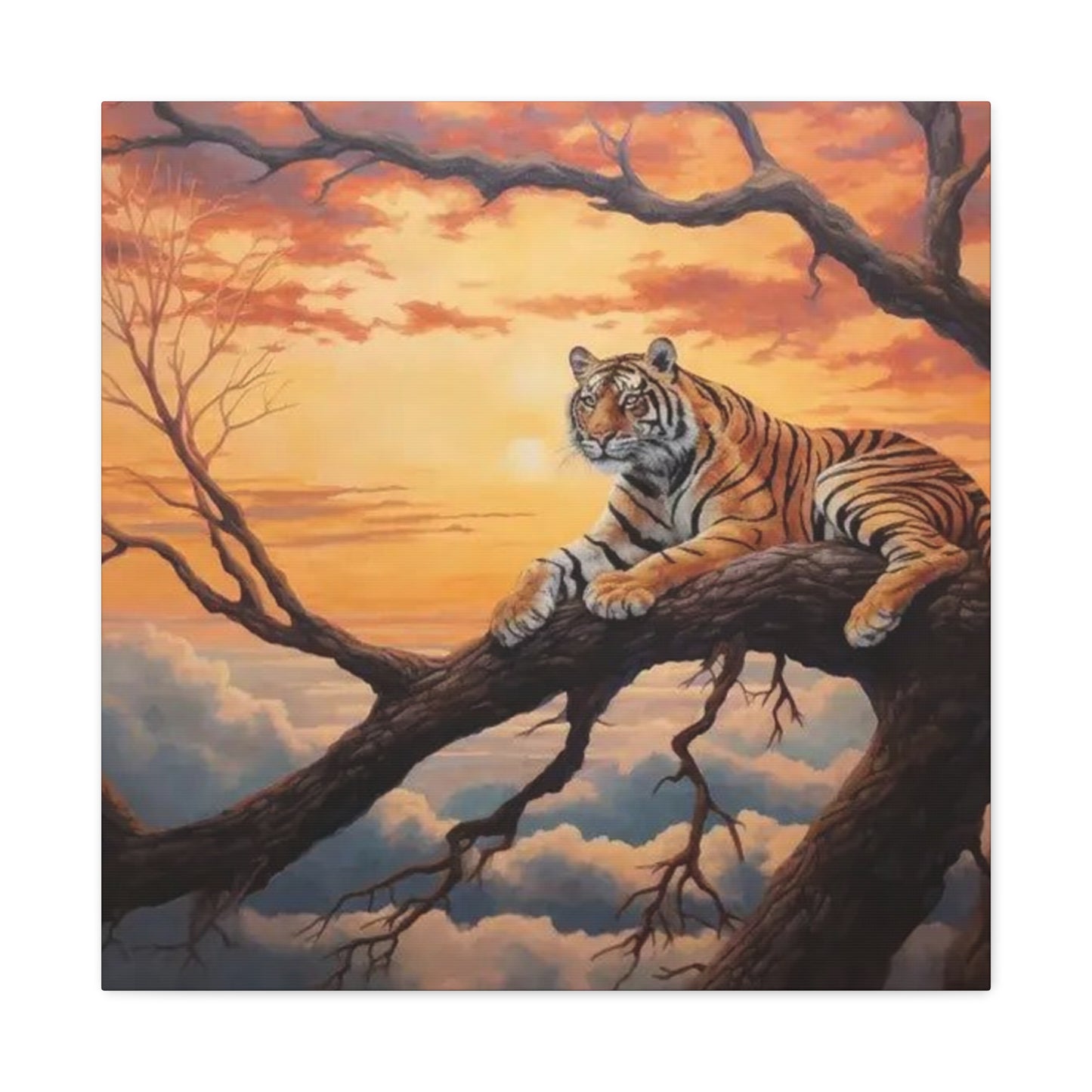
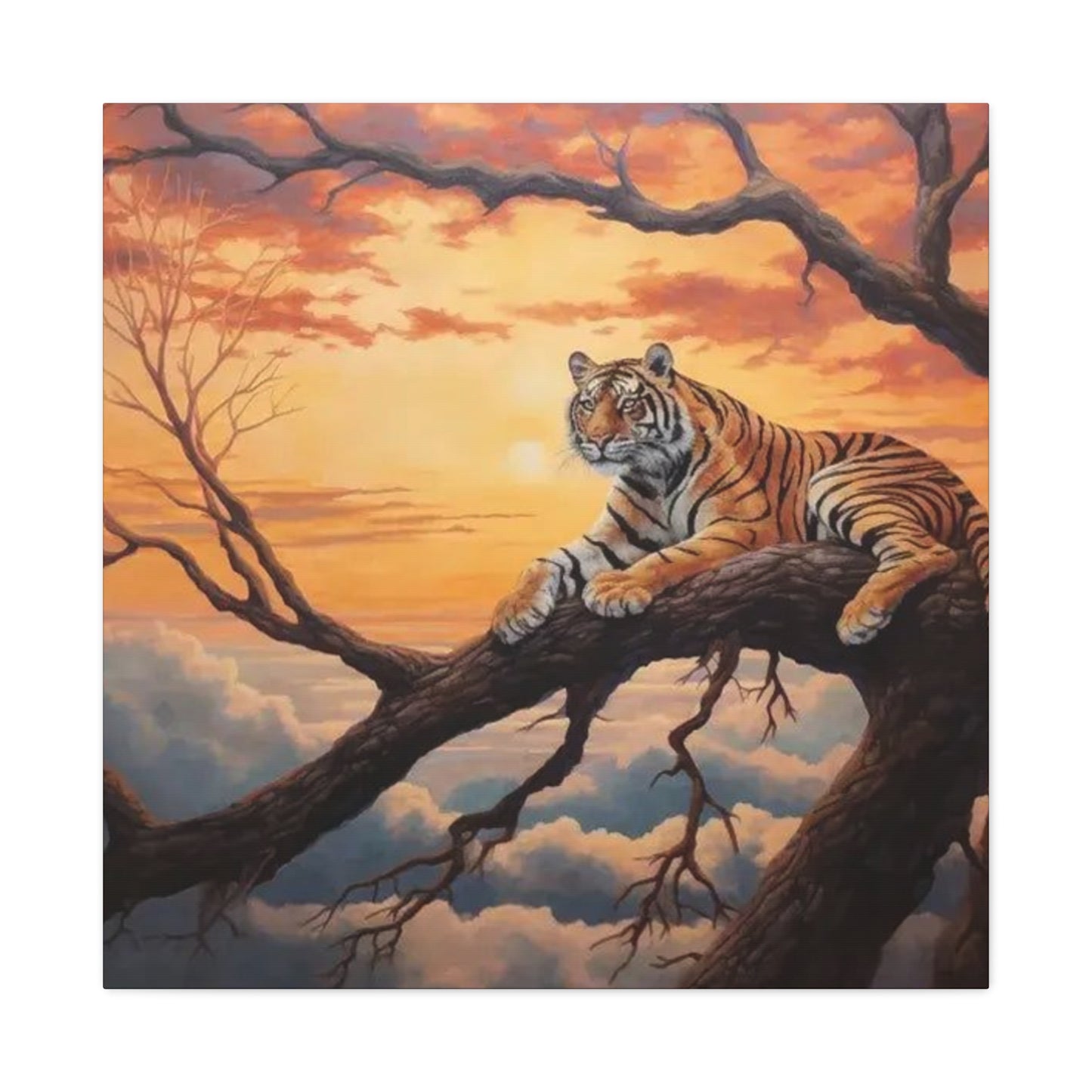
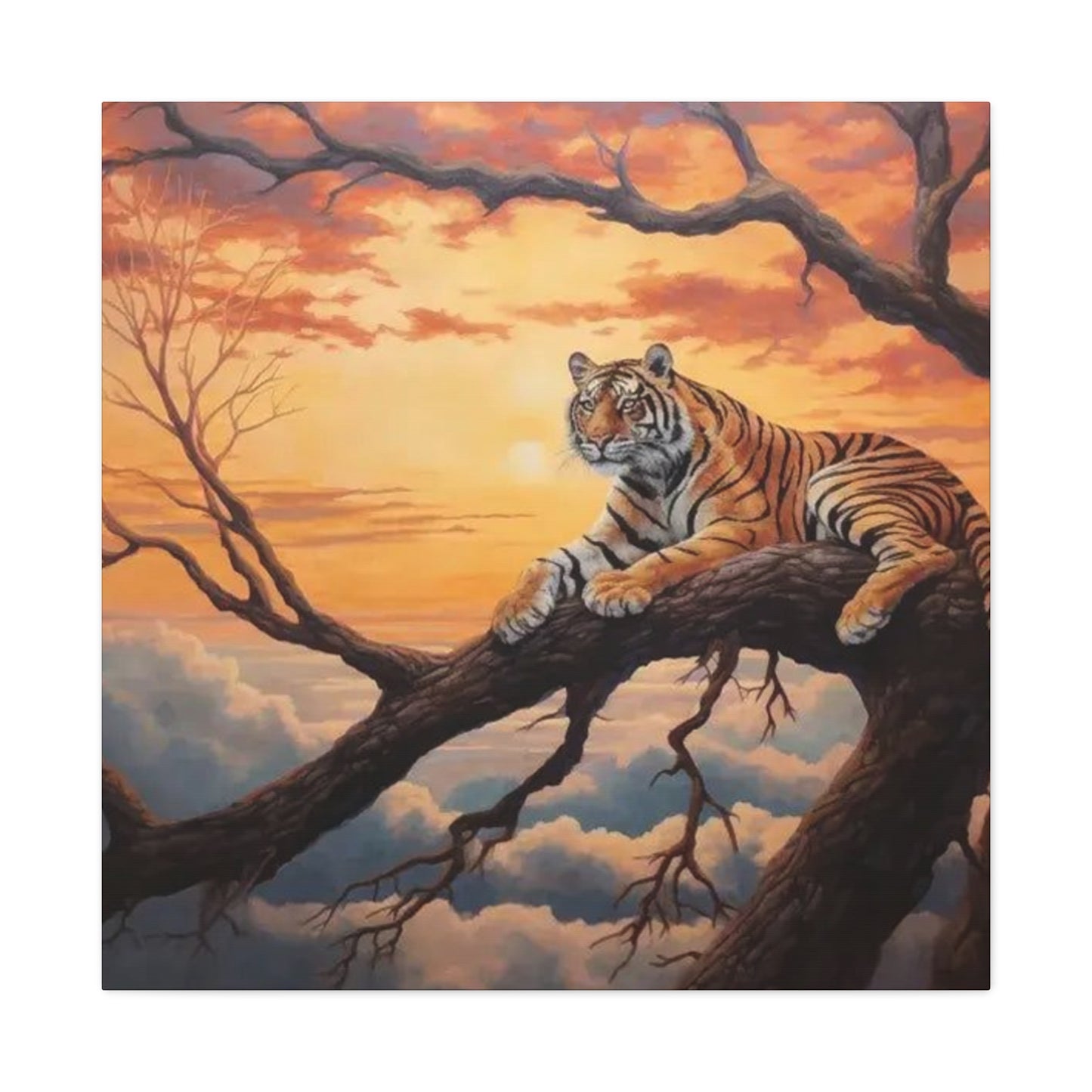
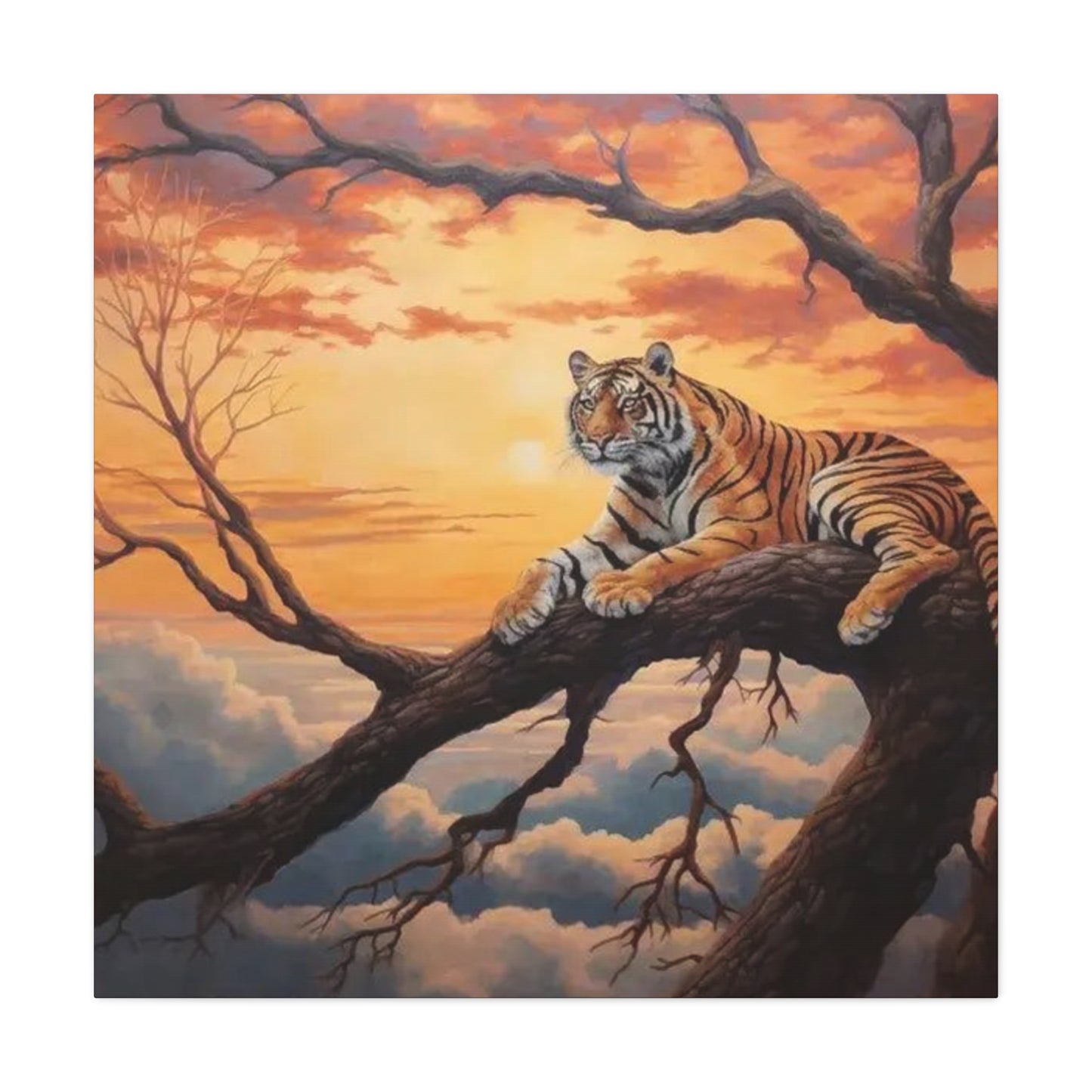
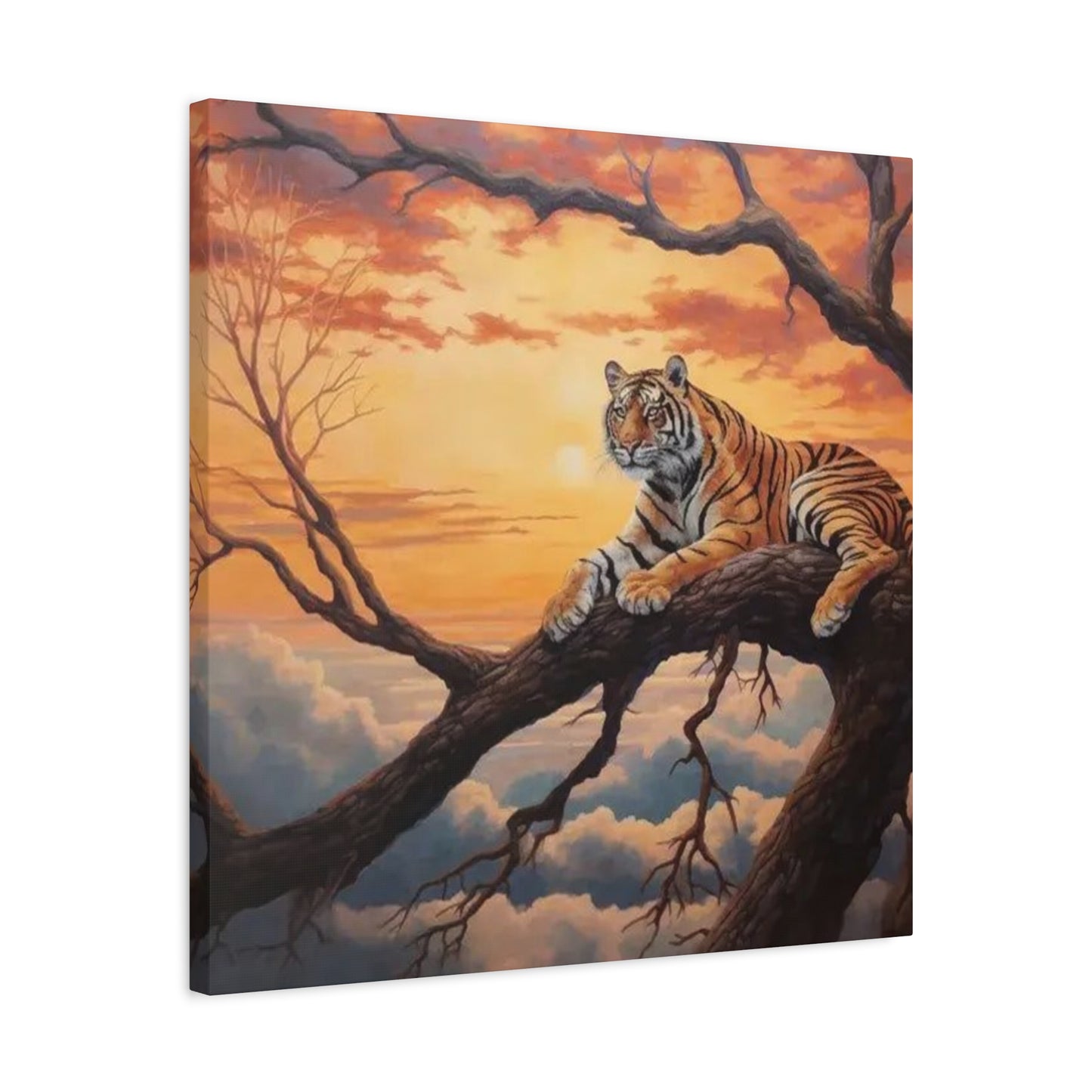
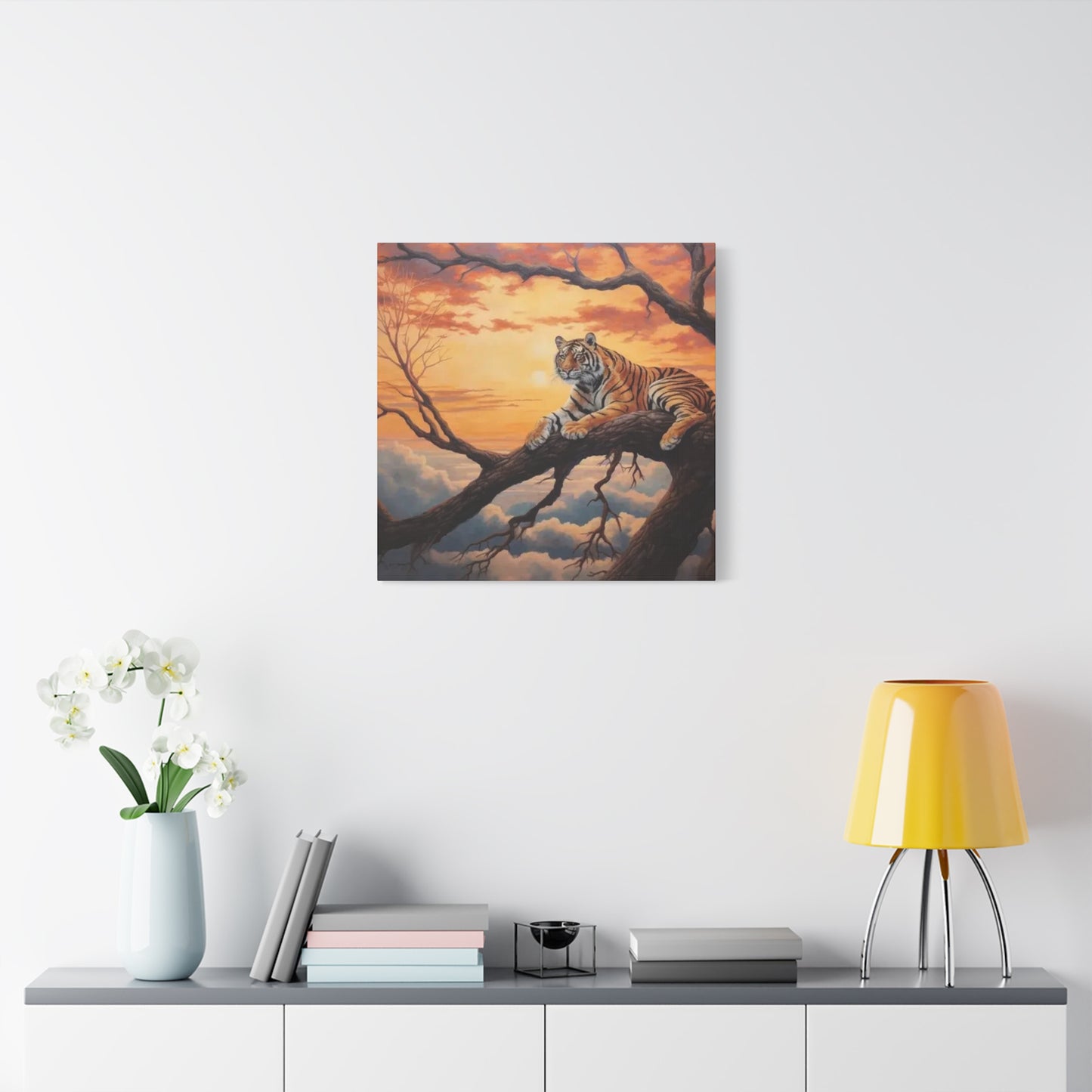
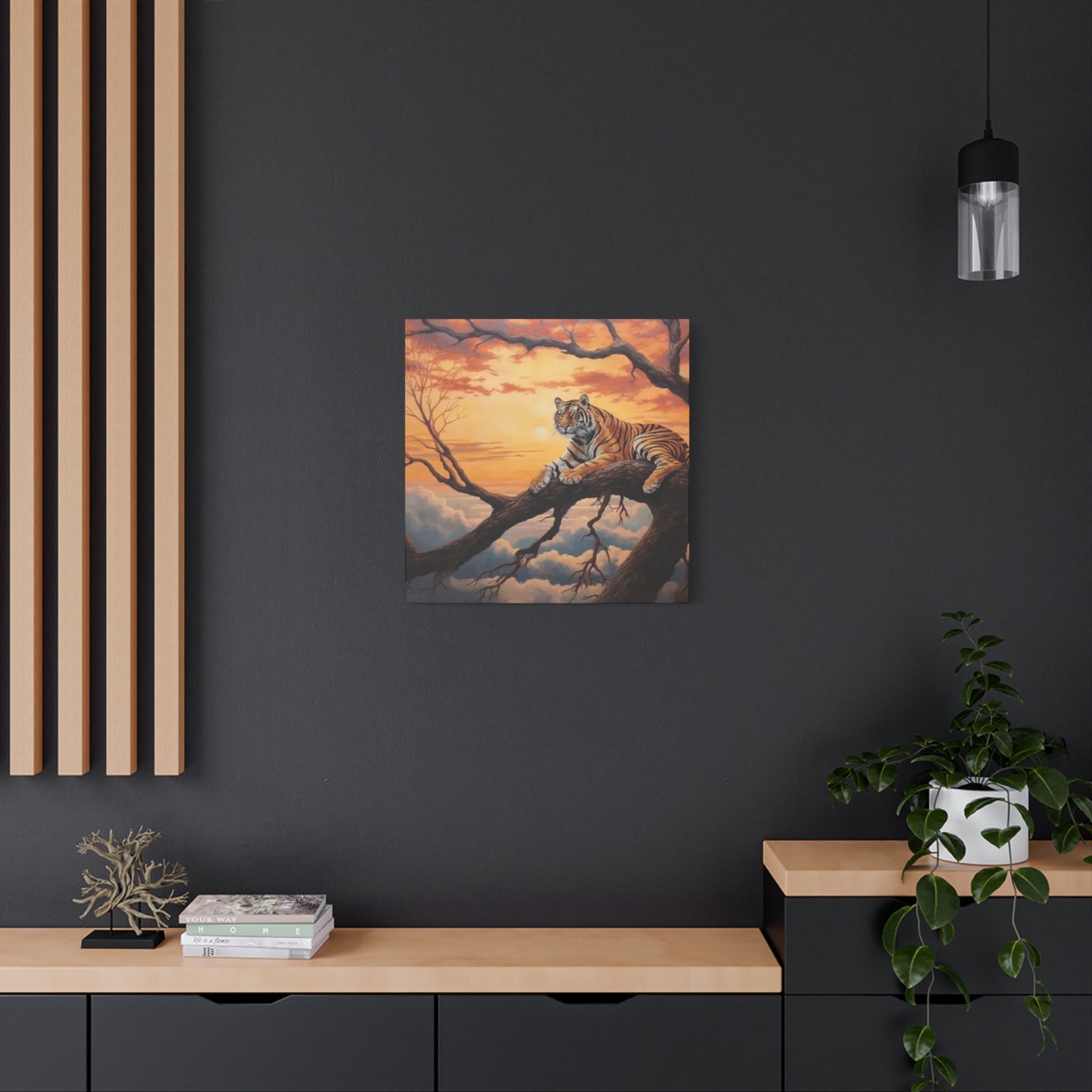
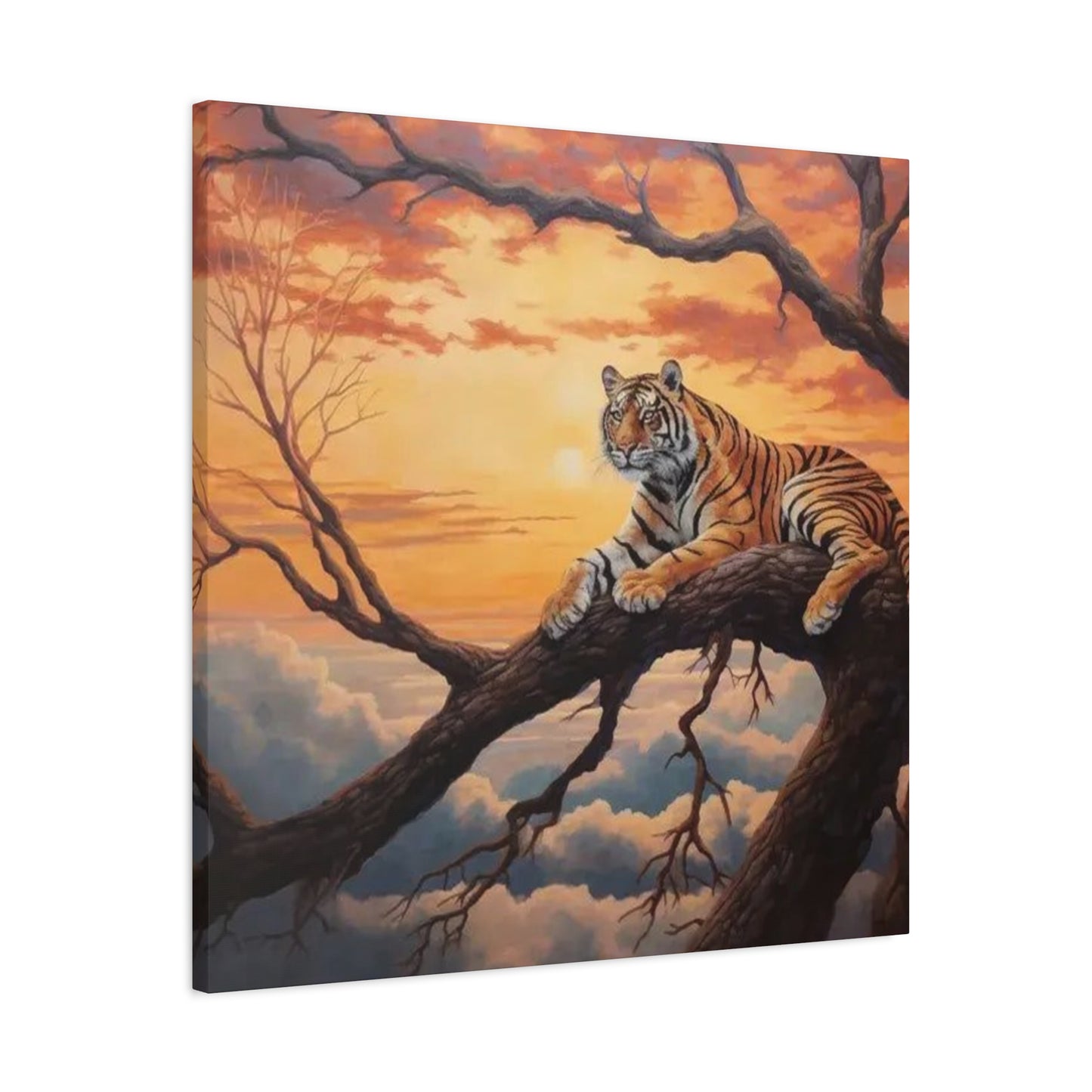
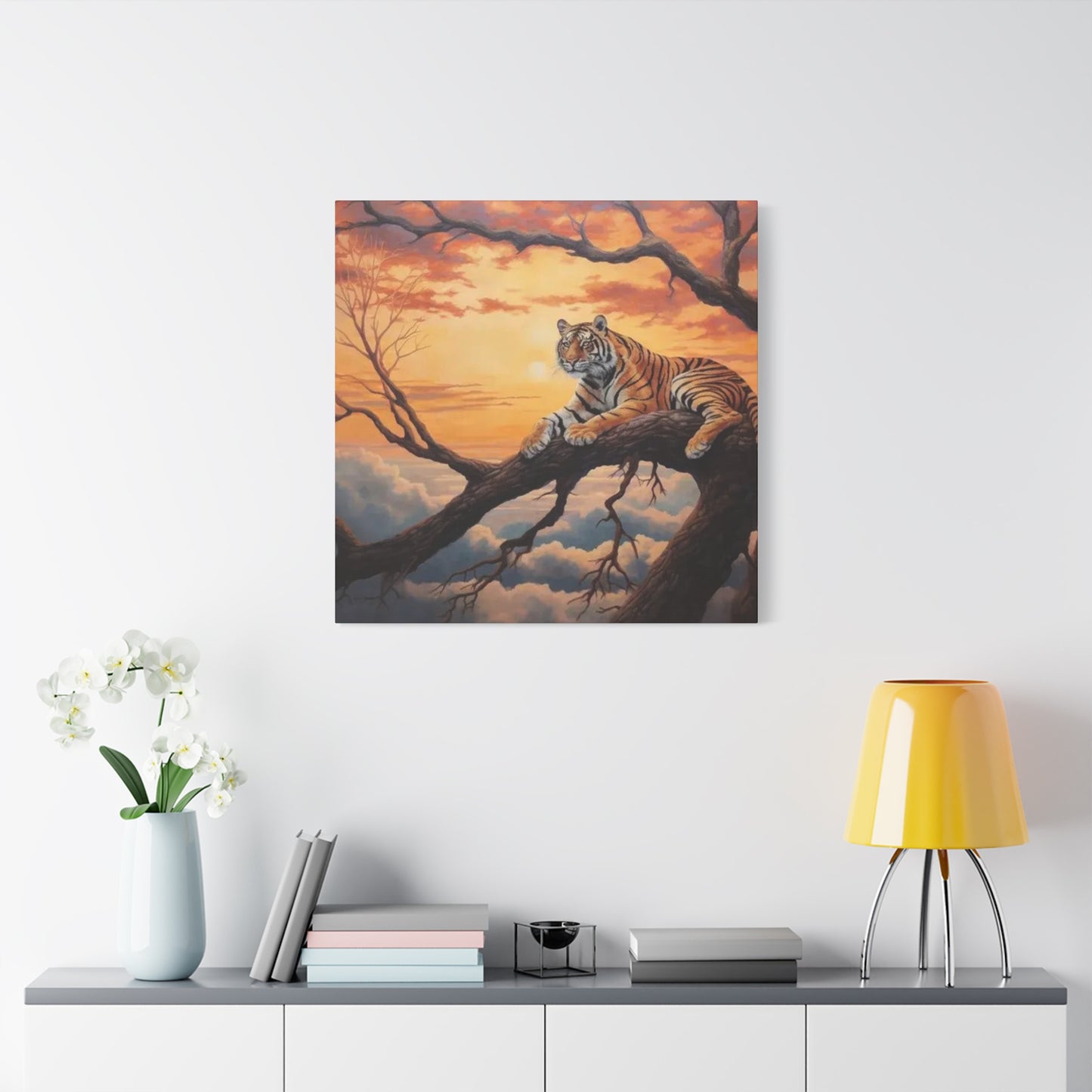
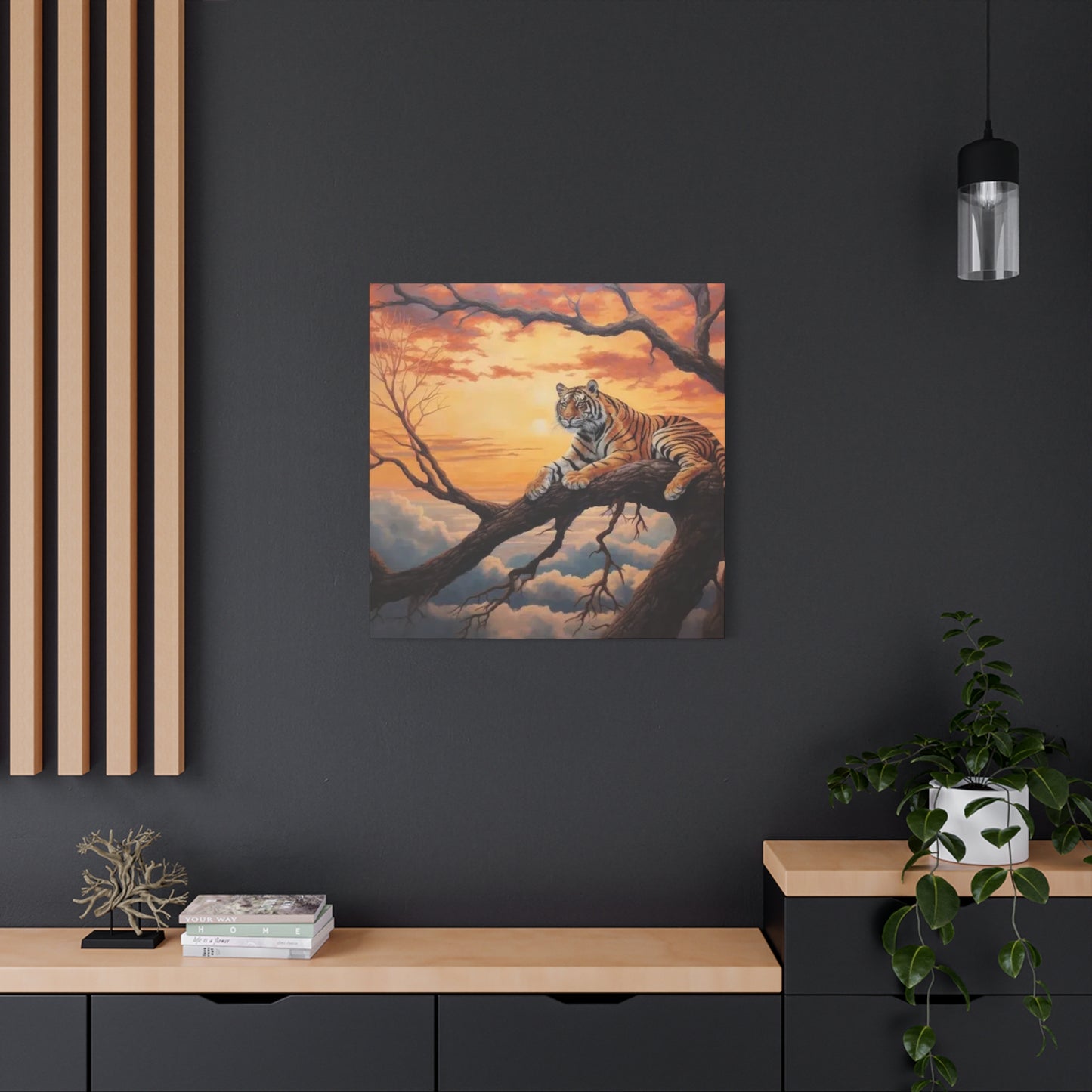
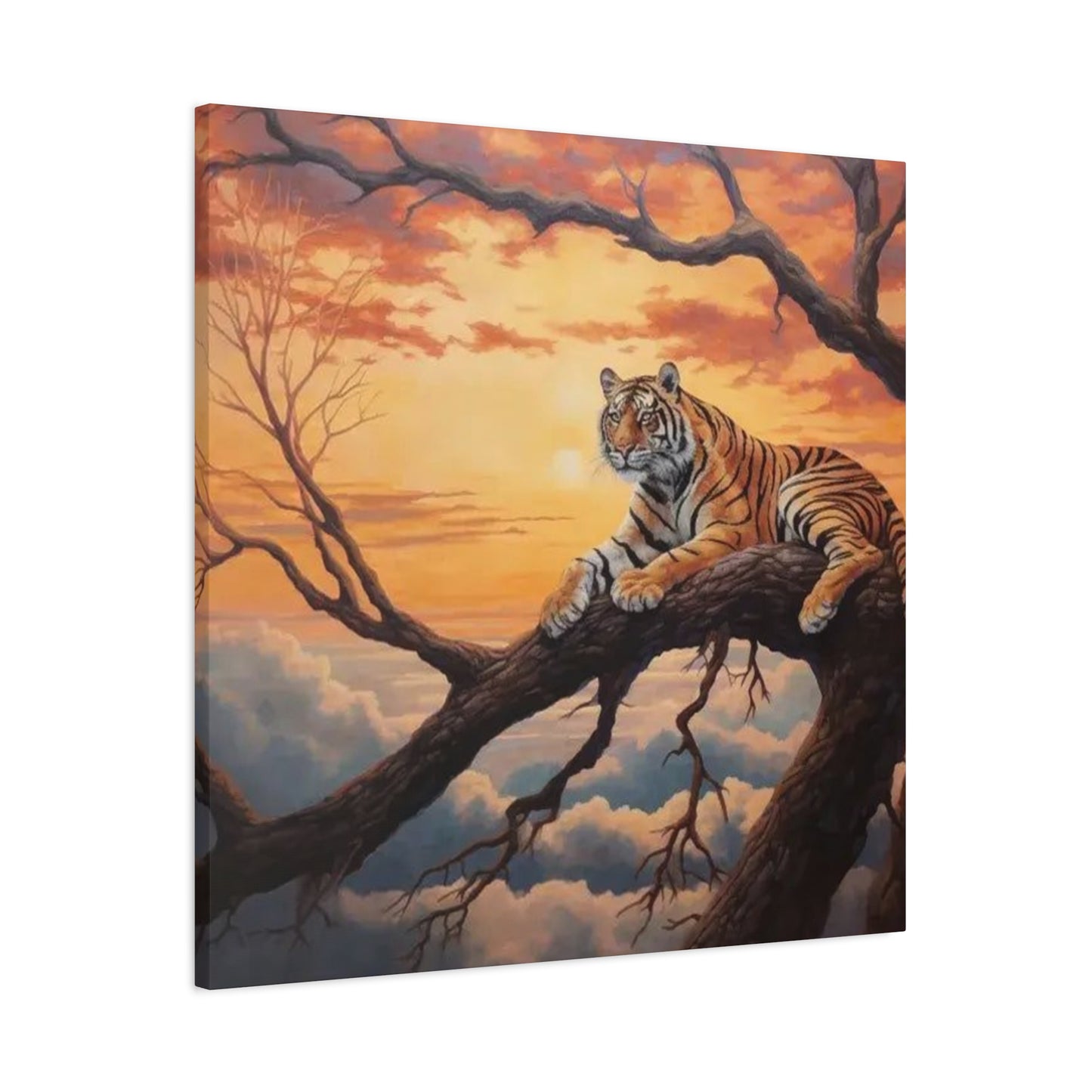
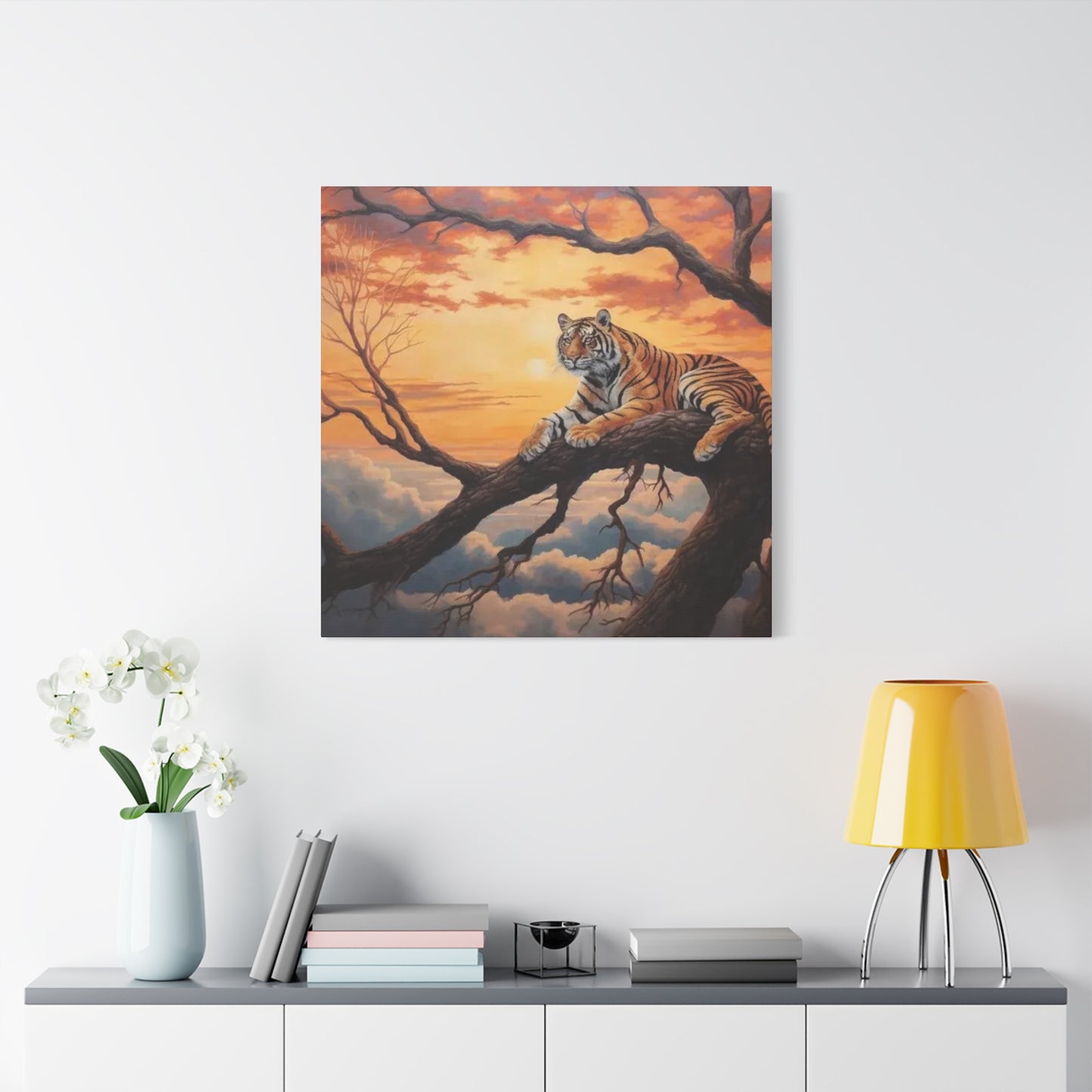
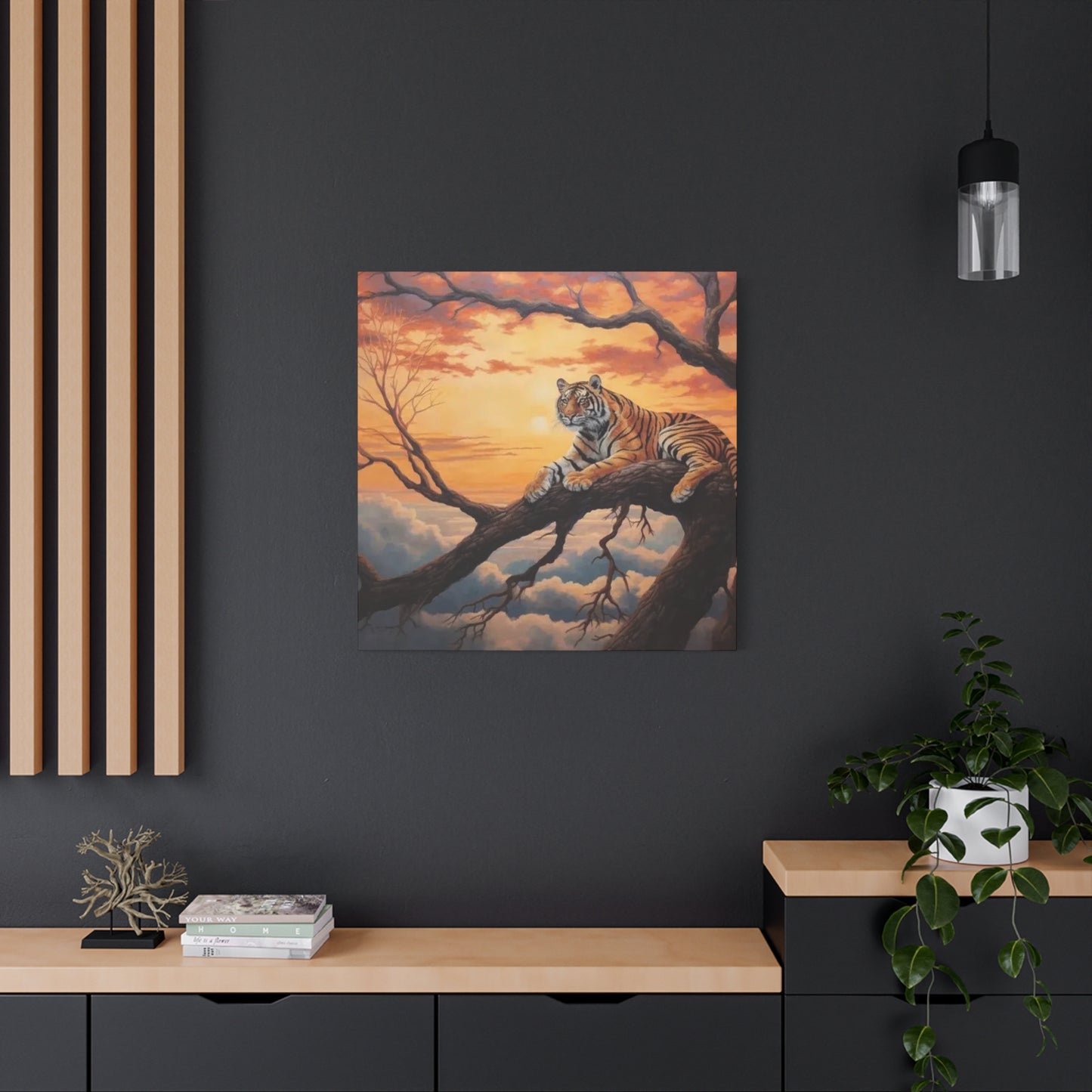
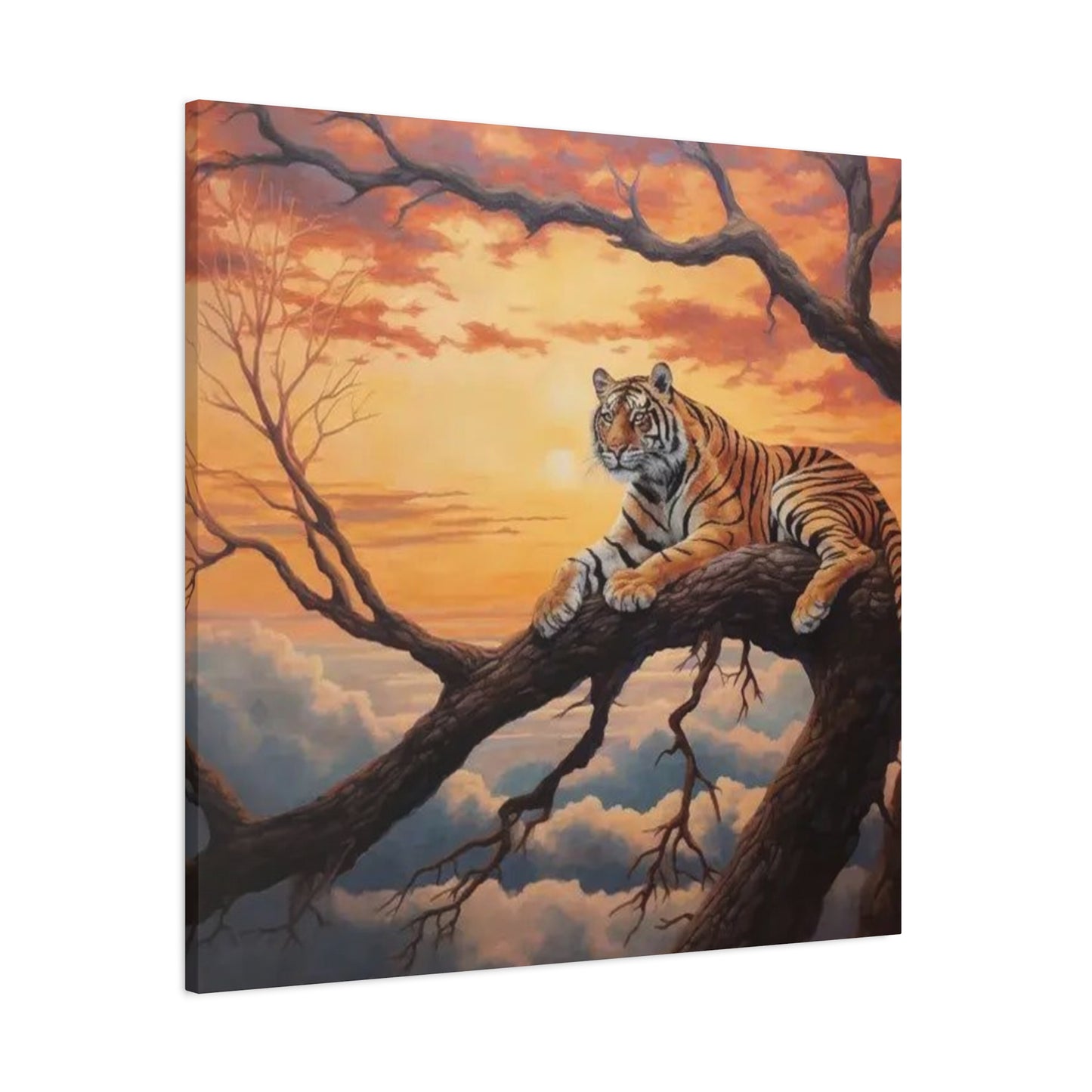
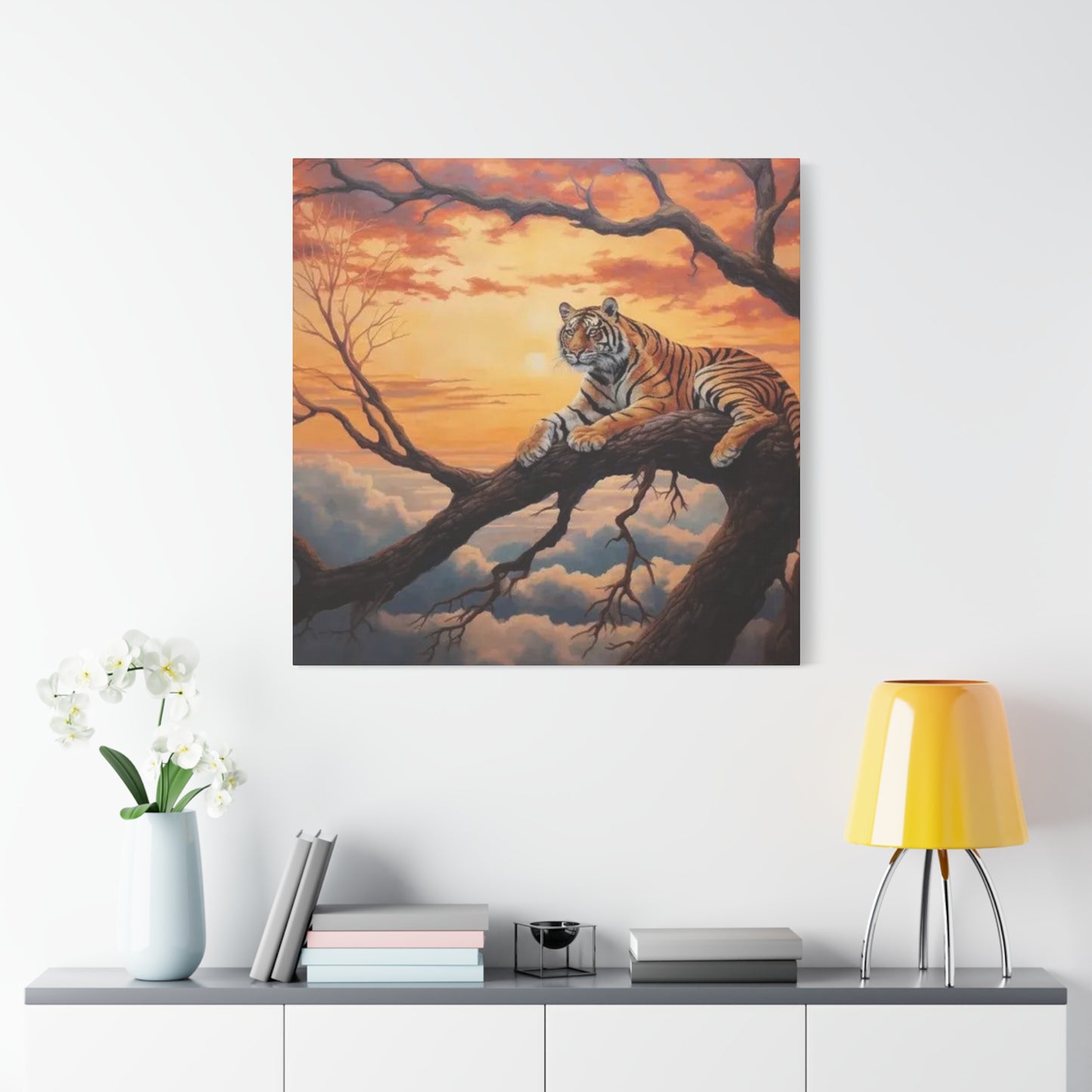
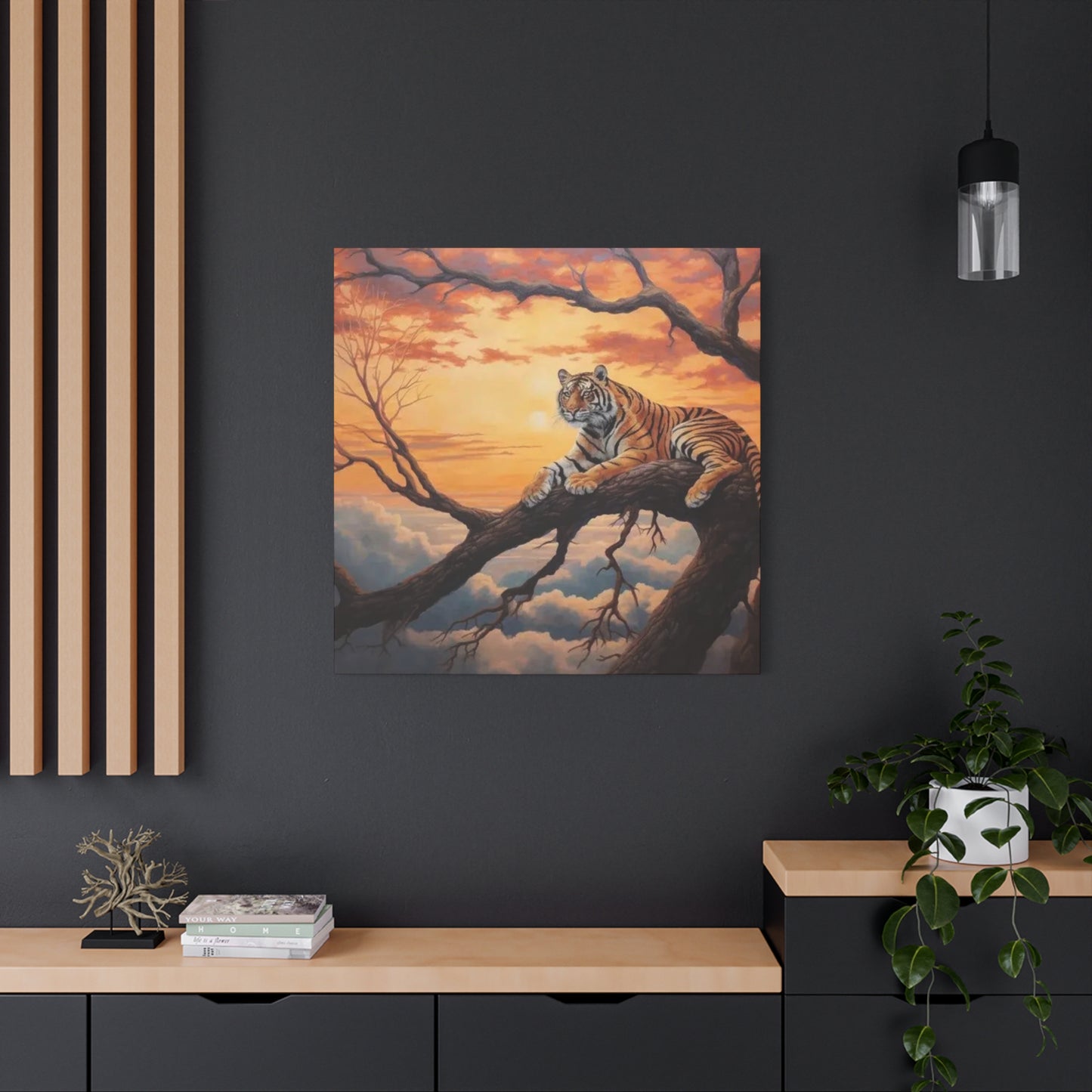
Captivating Tiger on Branch Wall Art: Exploring Wildlife Aesthetics for Every Interior Space
The allure of wildlife-inspired interior design has experienced a remarkable renaissance in contemporary home styling, with tiger imagery emerging as one of the most sought-after elements in modern canvas art. The magnificent portrayal of these apex predators perched gracefully on tree branches creates a stunning visual narrative that combines raw power with unexpected elegance. This comprehensive exploration delves into the multifaceted world of tiger-themed canvas artwork, examining how these striking pieces can revolutionize your interior spaces while celebrating the untamed beauty of nature's most formidable felines.
Majestic Predator: Tiger on Branch Canvas Art
The representation of tigers positioned on branches captures a rarely witnessed moment in nature that speaks volumes about the complexity of these extraordinary creatures. These canvas pieces showcase the remarkable dexterity and surprising grace of animals weighing several hundred pounds as they navigate through their arboreal environment. The artistic interpretation of this scenario creates a powerful focal point that immediately commands attention while introducing an element of sophisticated wilderness into any interior setting.
When selecting artwork featuring these apex predators in their natural habitat, the composition becomes crucial in determining the overall impact on your space. High-quality canvas prints capture the intricate details of the tiger's striped coat, the texture of the bark beneath powerful paws, and the interplay of light filtering through surrounding foliage. These elements combine to create depth and dimension that transform a simple wall decoration into a captivating window into the natural world.
The visual narrative presented by these pieces extends beyond mere decoration, inviting viewers to contemplate the duality of strength and agility inherent in these magnificent animals. The contrast between the tiger's muscular form and the delicate branches supporting its weight creates a metaphor for balance and adaptability that resonates with modern lifestyles. This symbolic representation makes such artwork particularly meaningful for spaces where creativity, determination, and strategic thinking are valued.
Contemporary artists approach this subject matter with varying techniques, from photorealistic renderings that capture every whisker and stripe to impressionistic interpretations that emphasize movement and emotion. The choice between these styles depends largely on the existing aesthetic of your space and the atmosphere you wish to cultivate. Realistic portrayals bring the raw authenticity of nature indoors, while more abstract treatments allow for greater flexibility in color coordination and thematic integration.
The sizing of these canvas pieces plays an instrumental role in their effectiveness as design elements. Large-format prints spanning several feet create immersive experiences that can anchor entire room designs, while smaller compositions work beautifully as part of curated gallery walls or intimate viewing spaces. The scale should correspond with both the physical dimensions of the wall and the visual weight needed to achieve desired impact without overwhelming the surrounding environment.
Lighting considerations become paramount when displaying these artworks, as proper illumination can dramatically enhance the three-dimensional quality of the image. Natural light sources create shifting shadows and highlights throughout the day, lending dynamic character to the piece, while strategically positioned artificial lighting can emphasize specific elements like the tiger's piercing gaze or the intricate branch patterns. This interplay between artwork and illumination transforms static images into living elements of your interior landscape.
The color palette featured in tiger branch compositions typically revolves around warm amber tones, rich browns, and deep greens, creating a naturally harmonious scheme that integrates seamlessly with various interior color strategies. These earthy tones provide grounding elements in rooms dominated by cooler colors or neutral palettes, while complementing spaces that already embrace warmer hues. The versatility of this natural color range makes such artwork accessible to diverse design preferences and existing decorative frameworks.
Wildlife in Motion: Tiger Wall Art Ideas
Capturing movement within a static medium presents one of the most compelling challenges and triumphs in wildlife art. Pieces that successfully convey the dynamic energy of tigers navigating their environment create visceral connections with viewers, evoking emotional responses that transcend traditional decorative functions. The suggestion of motion through artistic technique transforms walls into portals of kinetic energy, bringing vitality and excitement to interior spaces that might otherwise feel static or uninspired.
Artists employ various methods to suggest movement in their compositions, including directional brushstrokes that guide the eye across the canvas, carefully choreographed compositions that imply a moment frozen in time, and strategic blurring techniques that mirror photographic motion capture. These approaches create visual rhythms that activate the surrounding space, making the artwork feel less like an object hanging on a wall and more like an integrated component of the room's energy flow.
The psychological impact of movement-oriented artwork extends beyond aesthetic appreciation, influencing the mood and atmosphere of entire rooms. Spaces featuring these dynamic pieces tend to feel more alive and engaging, encouraging conversation and contemplation. This quality makes them particularly effective in social areas where you want to foster interaction and maintain visual interest, though they can also introduce welcome energy into private spaces that benefit from motivational or inspirational elements.
Positioning considerations become especially important with kinetic-focused artwork, as the implied direction of movement should complement rather than conflict with the room's traffic patterns and sight lines. A composition showing a tiger leaping rightward might work beautifully on a left-hand wall where the eye naturally follows the direction of movement into the room, while the same piece could feel awkward if positioned to direct attention toward a wall or corner. These subtle spatial relationships significantly impact how comfortably the artwork integrates into daily life.
The framing and presentation of motion-based wildlife art should enhance rather than constrain the sense of dynamism. Clean, simple frames prevent visual clutter that might compete with the artwork's energy, while frameless gallery wraps allow images to extend to the edges of the canvas, creating the impression that the scene continues beyond the physical boundaries of the piece. This edge-to-edge approach particularly suits contemporary interiors where seamless integration between elements is prized.
Seasonal variations in how you experience these pieces add another dimension to their appeal, as changing light quality throughout the year subtly alters the perception of movement and energy within the image. Morning light might emphasize the tiger's powerful musculature and create sharp shadows suggesting coiled energy, while softer afternoon illumination could highlight the grace and fluidity of the pose. This temporal dimension ensures that familiar pieces continue revealing new aspects over time rather than becoming invisible through overfamiliarity.
The educational aspect of movement-focused wildlife art shouldn't be overlooked, particularly in family homes where children benefit from exposure to nature's wonders. These pieces spark curiosity about animal behavior, habitats, and conservation, creating opportunities for meaningful discussions about ecology and environmental stewardship. The combination of aesthetic appeal and educational value makes them investments that serve multiple functions beyond simple decoration.
Statement Pieces: Tiger on Branch for Living Rooms
Living rooms serve as the social hearts of homes, making them ideal venues for artwork that stimulates conversation and reflects the occupants' personalities and values. Large-scale canvas pieces featuring tigers in arboreal settings naturally assume center stage in these communal spaces, creating focal points around which other design elements can be organized. The inherent drama of these subjects elevates the sophistication level of the entire room while maintaining an approachable warmth through their connection to the natural world.
The selection of a signature piece for your primary living space requires careful consideration of not just personal preference but also the message you wish to convey to guests and family members alike. Tigers represent various qualities across different cultures, from courage and strength to patience and strategy, allowing you to choose pieces that align with values you wish to emphasize in your home environment. This symbolic dimension adds layers of meaning that transform simple decoration into personal expression.
Integration with existing furniture and architectural elements determines the success of these ambitious art installations. The visual weight of a substantial tiger canvas must be balanced by equally commanding furniture pieces or architectural features to prevent the room from feeling lopsided. Conversely, in minimalist settings where furniture is deliberately understated, a powerful wildlife canvas can provide the necessary gravitas to prevent the space from feeling sparse or incomplete.
Color coordination between the artwork and surrounding elements need not be rigidly matching but should demonstrate intentional relationships. The warm oranges and browns dominating tiger imagery pair beautifully with leather furnishings, wooden accents, and earth-toned textiles, creating cohesive natural schemes. Alternatively, these pieces can provide striking contrast in rooms featuring cooler color palettes, introducing warmth and visual interest that prevents monochromatic spaces from feeling cold or sterile.
The height at which you hang these substantial pieces affects both their visual impact and the overall proportions of the room. While standard recommendations suggest centering artwork at eye level, large statement pieces often benefit from slightly lower placement that creates more intimate relationships with seating areas. This approach encourages comfortable viewing from sitting positions while maintaining appropriate visual relationships with other room elements like mantels, windows, or architectural moldings.
Lighting strategies for showcase wildlife art in living rooms should account for multiple viewing scenarios, from bright daytime gatherings to intimate evening conversations. Layered lighting approaches incorporating ambient, task, and accent sources allow you to adjust the emphasis on the artwork based on activities and mood. Picture lights or strategically placed spots can dramatically enhance the three-dimensional quality of the canvas during evening hours when natural light fades, ensuring the piece remains a compelling presence regardless of time or circumstances.
The longevity of your investment in quality canvas art depends partly on proper care and positioning relative to potentially damaging environmental factors. Direct sunlight can gradually fade even high-quality prints, making it wise to position pieces away from unfiltered southern exposures or to employ window treatments that protect artwork during peak sun hours. Similarly, avoiding placement above heat sources like fireplaces or radiators prevents warping and preserves the structural integrity of the canvas over decades of enjoyment.
Jungle Majesty: Tiger Canvas Prints for Nature Lovers
For individuals deeply connected to the natural world, artwork serves as more than decoration—it becomes a tangible expression of personal values and a daily reminder of what matters most. Canvas prints celebrating tigers in their native jungle environments speak directly to those who find inspiration, solace, and meaning in wilderness spaces. These pieces bring fragments of distant ecosystems into domestic settings, creating sanctuaries that honor the beauty and importance of biodiversity while acknowledging humanity's responsibility toward conservation.
The authenticity of jungle-themed tiger art varies considerably based on the artist's knowledge and respect for actual habitats and behaviors. Nature enthusiasts particularly appreciate pieces that demonstrate ecological accuracy, showing appropriate vegetation, realistic postures, and contextually appropriate scenarios. This attention to detail distinguishes true wildlife art from generic animal imagery, appealing to those who value substance alongside aesthetic qualities. Researching the artist's background and approach can reveal whether they work from personal observation, scientific references, or purely imaginative sources.
The emotional resonance of these pieces often relates to personal experiences with nature, whether through actual jungle travel, documentary viewing, or lifelong fascination with wildlife. A canvas depicting a tiger's natural habitat can evoke memories of transformative encounters with wilderness, serving as visual anchors for cherished experiences. Even for those without direct experience, these artworks can represent aspirational connections to wild places, keeping dreams of future adventures visibly present in daily life.
Multiple-panel installations allow for more immersive storytelling, with connected canvases creating panoramic scenes that envelope viewers in the jungle atmosphere. These expanded compositions work particularly well in larger spaces where single pieces might appear lost, instead creating commanding installations that transform entire walls into portals to distant ecosystems. The triptych format remains especially popular, balancing visual impact with practical considerations of shipping, handling, and installation.
The selection between photographic prints and painted interpretations presents interesting considerations for nature-focused collectors. Photographic pieces offer documentation-like authenticity that appeals to those who value scientific accuracy and realistic representation. Painted works, whether in oils, acrylics, or digital media, introduce artistic interpretation that can emphasize emotional qualities or highlight specific aspects of the subject. Neither approach is inherently superior, with the choice depending on whether you prioritize documentary realism or artistic expression.
Supporting conservation through art purchases adds another dimension of meaning for environmentally conscious collectors. Many wildlife artists donate portions of their proceeds to tiger conservation organizations, allowing your decorating choices to directly contribute to protecting these endangered animals and their habitats. Researching artists' conservation connections and commitments transforms the acquisition of canvas art from simple commercial transaction into participation in broader environmental stewardship efforts.
The educational potential of jungle-themed wildlife art extends beyond children to include adults who may have limited exposure to these ecosystems and their inhabitants. Displaying such pieces creates natural opportunities to discuss habitat loss, conservation challenges, and the interconnected nature of global ecosystems. This casual education through everyday exposure to beautiful imagery represents a subtle but meaningful way to maintain awareness of environmental issues without the heaviness of constant activism, keeping important topics present without overwhelming daily life.
Fierce Elegance: Tiger Wall Art for Bedrooms
Bedrooms function as personal sanctuaries where design choices reflect intimate preferences unfiltered by considerations of public opinion or conventional expectations. Introducing tiger imagery into these private spaces requires thoughtful calibration to achieve the desired atmosphere, balancing the inherent power of the subject with the tranquility typically sought in sleeping quarters. When executed successfully, this combination creates deeply personal environments that feel simultaneously energizing and restful, reflecting the complex nature of the individuals who inhabit them.
The apparent contradiction between fierce animal imagery and bedroom serenity resolves through careful selection of composition, color treatment, and presentation style. Pieces emphasizing contemplative poses rather than aggressive displays maintain the tiger's inherent majesty while supporting restful atmospheres. Similarly, softer color palettes or treatments that emphasize the animal's grace rather than its predatory nature create artwork that feels appropriate for private spaces while retaining visual interest and symbolic significance.
Bedroom artwork occupies unique viewing patterns compared to pieces in public spaces, with viewing angles typically including reclined positions from the bed. This distinctive perspective means that artwork positioned opposite the bed receives extended contemplation during pre-sleep and morning waking periods, making it particularly influential on mood and mindset. Selecting images that inspire desired mental states—whether confidence, tranquility, or empowerment—leverages this extended viewing time for psychological benefit beyond mere aesthetic pleasure.
The intimate scale of many bedrooms suggests proportionally sized artwork that complements rather than overwhelms the space. While living rooms might accommodate massive statement pieces, bedrooms often benefit from medium-sized canvases that maintain presence without dominating. This scaled approach creates more balanced environments where the artwork integrates seamlessly into the overall design rather than demanding constant attention. However, in spacious primary suites, larger pieces can certainly work when sufficient wall space and appropriate viewing distances accommodate their scale.
Pairing tiger canvas art with complementary textiles and accessories extends the design narrative throughout the bedroom. Bedding, curtains, and decorative pillows in colors pulled from the artwork create cohesive schemes that feel intentionally designed rather than accidentally assembled. This doesn't require exact color matching, which can feel overly coordinated and artificial, but rather selecting hues that harmonize with the artwork's palette while maintaining sufficient variety to prevent monotony.
The symbolic significance of tiger imagery in bedrooms varies according to personal interpretation and cultural background. For some, the presence of a powerful predator represents protection and security, creating subconscious comfort that supports restful sleep. Others appreciate the motivation and strength suggested by these animals, wanting to wake daily to reminders of determination and courage. Understanding your own psychological relationship with the imagery helps ensure your selection supports rather than undermines the bedroom's primary functions of rest and renewal.
Privacy considerations in bedrooms allow for more adventurous or personal artistic choices than might feel comfortable in public areas of the home. If you've always been drawn to wildlife imagery but hesitated to display it prominently, bedrooms offer perfect testing grounds for incorporating these preferences into your living environment. The reduced audience and deeply personal nature of these spaces encourage authentic expression without concern for others' reactions or judgments, potentially opening doors to design directions you might not have otherwise explored.
Artistic Wildlife: Tiger on Branch Canvas Inspiration
The creative interpretation of wildlife subjects by talented artists transforms familiar subjects into endlessly varied artistic expressions, each bringing unique perspectives to the ancient relationship between humans and the natural world. Canvas pieces depicting tigers in arboreal settings span an impressive range of styles, techniques, and approaches, offering collectors opportunities to find works that resonate personally while contributing to the broader appreciation of both wildlife and artistic achievement. Understanding this diversity helps inform selection processes and deepens appreciation for the craft behind each piece.
Traditional realistic approaches to wildlife art emphasize accurate anatomical representation, correct coloration, and naturalistic settings that educate while they beautify. Artists working in this vein often conduct extensive field research, studying live animals and their habitats to ensure their portrayals convey authentic characteristics and behaviors. These pieces appeal to viewers who value scientific accuracy and documentary quality, seeking artwork that faithfully represents the subject without artistic license distorting reality for stylistic purposes.
Impressionistic interpretations sacrifice literal accuracy in favor of capturing essential qualities, moods, or energy through loose brushwork, simplified forms, and expressive color choices. These pieces often convey the experience of encountering a tiger more effectively than precise renderings, communicating the emotional impact and visceral response such meetings evoke. The interpretive freedom inherent in this approach allows artists to emphasize particular aspects—perhaps the play of light through leaves, the texture of bark, or the intensity of the predator's gaze—creating focused experiences that direct viewer attention deliberately.
Contemporary approaches incorporating mixed media, digital manipulation, or abstract elements push wildlife art into new territories that challenge traditional boundaries between categories. Tigers rendered in geometric patterns, surrounded by unexpected color fields, or integrated with text and symbolic elements create conversation pieces that function simultaneously as wildlife art and contemporary design objects. These avant-garde approaches particularly appeal to collectors seeking artwork that makes bold statements and defies easy categorization.
The cultural backgrounds of artists significantly influence their interpretations of tiger subjects, with Asian artists often bringing different symbolic associations and aesthetic traditions than their Western counterparts. Chinese and Korean artists might emphasize spiritual qualities and incorporate traditional painting techniques that Western viewers find exotic and intriguing, while Indian artists draw on centuries of tigers' cultural significance in the subcontinent. This global diversity enriches the available options for collectors while highlighting the universal fascination these animals inspire across human societies.
Emerging artists working in wildlife subjects often bring fresh perspectives unburdened by established conventions, experimenting with new techniques and approaches that can feel more current and relevant to contemporary audiences. Supporting these developing talents through art purchases contributes to the evolution of wildlife art as a genre while offering opportunities to acquire distinctive pieces before artists achieve wider recognition and corresponding price increases. Balancing acquisitions between established names and promising newcomers creates collections with both stability and exciting growth potential.
The technical execution quality separates amateur efforts from professional-grade artwork regardless of style or approach. Superior craftsmanship reveals itself through careful attention to composition, skillful handling of the medium, successful color harmonies, and effective creation of depth and dimension. Even in loose or expressionistic styles, trained eyes can distinguish between intentional artistic choices and technical limitations disguised as style. Learning to recognize these distinctions helps collectors make informed decisions and avoid disappointment with pieces that initially appeal but ultimately lack staying power.
Bold and Dramatic: Tiger Wall Prints for Statement Walls
Certain architectural features or room designs naturally call for equally commanding artwork that can hold its own against dramatic backdrops or expansive spaces. Statement walls represent opportunities to deploy your most ambitious decorative impulses, creating focal points that define the character of entire rooms. Tiger canvas prints excel in these applications, offering subject matter with sufficient inherent power and visual interest to anchor even the most ambitious design schemes without disappearing into oversized spaces or being overwhelmed by competing elements.
The concept of the statement wall has evolved from accent wall treatments to encompass entire design strategies centered on singular spectacular elements. Rather than distributing visual interest evenly throughout a space, this approach concentrates impact in one carefully selected location, allowing other areas to recede into supporting roles. This focused strategy often proves more effective than attempting to make every wall equally interesting, instead creating clear hierarchies that guide attention and establish room character definitively.
Scale considerations for statement wall artwork differ from standard decorating guidelines, with pieces occupying substantially more wall real estate than conventional recommendations suggest. Where typical advice might suggest leaving generous borders around artwork, statement installations often extend nearly wall-to-wall and floor-to-ceiling, creating immersive experiences that blur boundaries between art and architecture. This ambitious scale requires confidence in both artwork selection and overall design vision, as mistakes at this magnitude become difficult and expensive to correct.
The relationship between statement artwork and surrounding furnishings requires careful orchestration to prevent competition or visual confusion. Furniture arrangements should direct attention toward rather than away from the featured wall, creating clear sight lines and comfortable viewing angles. Color relationships between furnishings and artwork need not match but should demonstrate intentional connections, with upholstery, accessories, or accent pieces pulling colors from the canvas to create cohesive schemes that feel deliberate rather than accidental.
Dramatic lighting treatments transform already impressive statement walls into spectacular experiences that justify their architectural prominence. Track lighting systems allow for flexible highlighting that can be adjusted seasonally or as preferences evolve, while permanent installations like picture lights or wall washers create consistent emphasis. The interplay between artwork and illumination becomes particularly important during evening hours when artificial sources replace natural light, requiring careful planning to ensure the piece maintains its impact after dark when rooms typically see their heaviest use.
The psychological impact of dominant artwork should align with the room's purpose and the emotional tone you wish to establish. Bold tiger imagery creates energy and excitement suitable for entertaining spaces or areas where you want to feel motivated and alert, but might prove overwhelming in rooms intended for quiet relaxation or concentration. Understanding these functional considerations helps avoid installations that work aesthetically but fail practically, creating spaces that look impressive in photographs but feel uncomfortable for actual daily use.
Maintenance and longevity considerations become especially important for statement pieces representing significant financial and emotional investments. Professional installation ensures proper hanging that protects both artwork and walls, while regular maintenance including dusting and occasional professional cleaning preserves appearance over time. Planning for these ongoing needs during the initial selection process prevents future disappointment and protects your investment across years or decades of enjoyment.
Minimalist Jungle: Tiger Canvas for Modern Interiors
The apparent contradiction between minimalist design principles and wildlife subject matter resolves beautifully when approached with thoughtful restraint and careful selection. Modern interiors characterized by clean lines, neutral palettes, and uncluttered spaces can absolutely accommodate tiger canvas art when pieces demonstrate compatible aesthetic sensibilities. The key lies in selecting artwork that emphasizes simplicity over complexity, suggesting rather than exhaustively depicting jungle settings, and maintaining the visual restraint that defines contemporary minimalist spaces.
Compositions featuring tigers with minimal background elements or simplified environmental contexts work particularly well in modernist settings. A single animal against neutral backgrounds or barely suggested surroundings provides sufficient visual interest without introducing the business or complexity that would conflict with surrounding minimalism. These pared-down approaches allow the essential form and character of the subject to command attention without competing elements demanding equal consideration, creating focused experiences appropriate to contemplative modern spaces.
Monochromatic or limited palette treatments of tiger subjects align more naturally with minimalist color schemes than full-color jungle scenes. Black and white interpretations, sepia tones, or restricted palettes emphasizing just a few carefully selected hues demonstrate restraint consistent with minimalist principles while maintaining the power and presence of the subject. These color-limited approaches also integrate more easily into existing neutral schemes, adding interest without disrupting carefully calibrated tonal balances.
The framing and presentation of wildlife art in modern contexts deserves special consideration, as ornate traditional frames would undermine minimalist aesthetics. Clean-lined frames in materials like brushed metal or simple wood profiles maintain focus on the artwork itself, while frameless gallery wraps create seamless presentations where images extend to canvas edges. These simplified approaches honor minimalist preferences for unadorned functionality while providing necessary structural support for the artwork.
Negative space plays crucial roles in both minimalist design and effective art presentation, with the breathing room around pieces being as important as the artwork itself. Resisting the temptation to fill walls completely allows individual pieces to command appropriate attention while contributing to the overall sense of spaciousness that defines successful minimalist interiors. This disciplined approach can feel counterintuitive to those accustomed to maximalist decorating, but the resulting clarity and focus justify the restraint.
The quality of individual pieces becomes even more critical in minimal settings where each element receives heightened scrutiny due to reduced visual competition. Every artwork must justify its presence and contribute meaningfully to the space since there are no distracting elements to camouflage mediocrity. This elevated standard encourages thoughtful acquisition and curation, building collections gradually with only pieces that meet rigorous criteria rather than filling spaces quickly with quantity over quality.
Contemporary photography of wildlife subjects offers particularly appropriate options for modern minimalist interiors, with clean captures of tigers in natural settings providing the documentary realism that complements architectural modernism. High-quality photographic prints demonstrate technical excellence while maintaining the authenticity valued in both wildlife observation and minimalist design philosophy. The straightforward presentation of photographic subjects aligns naturally with minimalism's preference for honest materials and transparent processes.
Wild Beauty: Tiger on Branch Artistic Wall Décor
The intersection of untamed natural power and refined artistic expression creates fascinating tensions that elevate wildlife art beyond simple nature documentation into sophisticated decorative elements suitable for the most carefully curated interiors. Tigers positioned on branches embody this duality perfectly, combining raw predatory capability with unexpected grace and agility. Artistic interpretations of this scenario allow for explorations of beauty that transcend conventional prettiness, instead engaging with more complex aesthetic experiences that challenge and reward viewers.
Beauty in wildlife art manifests differently than in traditionally pretty subjects like flowers or pastoral landscapes. The appeal of predator imagery includes elements of danger and power that add psychological depth to aesthetic appreciation, creating multi-layered responses that engage both emotional and intellectual faculties. This complexity gives wildlife art surprising versatility, working effectively in spaces ranging from ultra-traditional to cutting-edge contemporary, united by appreciation for authentic rather than sanitized natural beauty.
The artistic treatment of a subject determines whether it emphasizes harsh realities or softer aspects of the natural world. Tigers can be portrayed as terrifying threats or magnificent beauties depending on composition, lighting, expression, and surrounding context. For decorative purposes, most artists strike balances that acknowledge both qualities, creating pieces that feel truthful without being disturbing. This calibrated approach makes the artwork suitable for living spaces while maintaining enough edge to prevent sentimentality or excessive domestication of inherently wild subjects.
Texture plays important roles in how canvas art conveys natural subjects, with visible brushstrokes, built-up paint layers, or textured printing techniques adding dimensional qualities that enhance realism or expressive power. High-quality canvas treatments preserve and even emphasize these textural elements, making them visible and tactile rather than flattening images into purely visual experiences. This physical dimension adds value and interest that continues revealing itself over time rather than exhausting its appeal quickly.
The concept of artistic wall décor distinguishes intentionally designed and carefully selected pieces from generic mass-produced prints that merely fill blank spaces. Approaching tiger canvas acquisition as art collecting rather than simple shopping elevates the entire process, encouraging research into artists, consideration of technique and quality, and thought about how pieces will function over years rather than just immediate visual impact. This mindset shift often results in more satisfying selections that continue providing pleasure long after initial installation.
Seasonal rotations of displayed artwork allow collections to grow beyond available wall space while keeping interiors feeling fresh and responsive to changing moods or circumstances. Establishing systems for safe storage and periodic rotation turns art collecting into an ongoing relationship rather than one-time decisions, allowing you to live with different pieces as your preferences evolve or as seasonal changes suggest different atmospheres. This approach particularly benefits those drawn to multiple styles or subjects, preventing any single aesthetic from dominating indefinitely.
The personal narrative dimension of curated wall décor transforms homes from anonymous spaces into autobiographical statements that reveal occupants' values, interests, and experiences. Wildlife art featuring specific species or habitats can commemorate meaningful travels, represent conservation commitments, or simply celebrate subjects that have captured imagination since childhood. These personal connections distinguish thoughtfully decorated spaces from showcase homes that might look impressive but lack authentic character or individual voice.
Wildlife Aesthetics: Tiger Canvas Prints for Galleries
The presentation of wildlife art in formal gallery contexts elevates these pieces from decoration to fine art, positioning them within broader aesthetic and cultural conversations. Tigers portrayed with artistic sophistication and technical excellence deserve recognition alongside any subject matter within fine art traditions. Gallery-quality canvas prints demonstrate production values matching museum standards, ensuring that presentation quality supports rather than undermines artistic ambitions. These professional-grade pieces appeal to serious collectors and institutions seeking wildlife subjects without compromising on artistic or technical standards.
The distinction between wildlife illustration and wildlife fine art hinges on artistic intention, technical execution, and conceptual sophistication rather than subject matter alone. Illustrative work prioritizes accurate representation and educational value, serving important functions within scientific and conservation contexts. Fine art approaches use wildlife subjects as vehicles for exploring broader themes, demonstrating artistic vision, and creating aesthetic experiences that transcend documentary purposes. Both approaches have value, but understanding these distinctions helps collectors articulate preferences and make informed acquisition decisions.
Gallery framing and presentation standards differ from casual home décor conventions, with attention to archival materials, conservation-grade components, and professional finishing that protect investments and ensure longevity. Museum-quality framing costs substantially more than standard options but provides protection justifying premiums for valuable artwork. Canvas prints intended for serious collecting benefit from similar conservation mindsets, using fade-resistant inks, appropriate canvas materials, and professional stretching that maintains appearance and value across decades or generations.
The provenance and documentation accompanying gallery-quality artwork contribute significantly to long-term value and collectibility. Certificates of authenticity, edition information for limited prints, artist statements, and exhibition histories all enhance pieces beyond their immediate visual qualities. Collectors building serious holdings should prioritize adequately documented work and maintain careful records of acquisitions, providing future proof of authenticity and appropriate valuations for insurance or estate purposes.
Gallery representation of wildlife artists signals professional recognition and market validation that casual or exclusively online sales cannot match. Artists accepted by reputable galleries undergo vetting processes ensuring quality and marketability, providing collectors with expert curation that filters vast quantities of available work down to pieces meeting professional standards. Purchasing through galleries also typically includes guarantees, return options, and ongoing relationships that support collectors' evolving interests and needs over time.
Exhibition opportunities for wildlife canvas art continue expanding as museums and galleries recognize environmental themes' cultural relevance and animal subjects' universal appeal. Group shows, solo exhibitions, and themed presentations featuring conservation messages provide visibility for wildlife artists while educating audiences about species, habitats, and ecological challenges. Attending these exhibitions offers collectors opportunities to view work in person, meet artists, and connect with communities sharing similar interests, enriching the collecting experience beyond transactional artwork acquisition.
Investment potential in wildlife fine art varies considerably based on artist reputation, work quality, and market timing, with no guarantees that purchases will appreciate financially. However, pieces by established artists with strong exhibition records and critical recognition generally maintain value better than anonymous or mass-produced work. Collectors should balance financial considerations with genuine aesthetic appreciation, ensuring that acquisitions provide immediate enjoyment rather than serving purely speculative purposes that might result in disappointment if anticipated appreciation fails to materialize.
Jungle Power: Tiger on Branch Wall Décor Ideas
The concept of power manifests physically through muscular capability, psychologically through confidence and dominance, and symbolically through cultural associations and metaphorical meanings. Tiger imagery naturally embodies all these power dimensions, making such artwork particularly appealing for spaces where strength, determination, and capability warrant emphasis. Decorative applications highlighting these qualities create environments supporting ambitious undertakings, challenging goals, and sustained effort toward difficult achievements, whether in professional contexts or personal development pursuits.
Compositional strategies emphasizing power include low camera angles that position viewers looking upward at subjects, suggesting dominance and superiority. Tightly cropped frames focusing on powerful features like muscular shoulders, massive paws, or intense facial expressions concentrate attention on physical capability. Dramatic lighting creating strong contrasts and deep shadows amplifies perception of mass and strength while adding emotional intensity. These accumulated choices transform ordinary representations into celebrations of raw physical power that command respect and attention.
The architectural positioning of power-themed artwork significantly influences its psychological impact, with pieces placed in prominent positions asserting dominance over spaces while quieter locations diminish authority. Entryways benefit from powerful imagery that establishes tone immediately upon entry, while workspace positioning provides inspiration and motivation during challenging tasks. Living areas might use power-themed art more judiciously, balancing energizing influences with relaxation needs to prevent spaces from feeling oppressive or overwhelming despite impressive artwork.
Color treatments affect power perception substantially, with warm bold hues suggesting active aggressive power while cooler darker tones imply controlled reserved strength. The natural orange-and-black coloration of tigers inherently reads as powerful, but artistic enhancement through saturation adjustment, contrast manipulation, or strategic color emphasis can amplify or moderate these perceptions according to decorative intentions. Understanding color psychology helps in selecting pieces creating desired power levels without accidentally introducing uncomfortable intensity.
Cultural symbolism surrounding tigers varies globally but consistently emphasizes strength, courage, and commanding presence. Asian traditions particularly rich in tiger symbolism associate these animals with royalty, protection, and spiritual power, while Western contexts emphasize wilderness, danger, and untamed nature. This nearly universal recognition of tiger power makes such imagery broadly accessible while allowing for personally resonant interpretations based on individual cultural backgrounds and symbolic associations.
The balance between celebrating power and avoiding aggression requires careful calibration in decorative contexts, as excessively fierce or threatening imagery can create discomfort undermining intended inspirational effects. The goal involves suggesting capability and strength without implying violence or danger, maintaining positive associations with power rather than fear-based responses. Artwork showing tigers alert and commanding but not actively aggressive typically achieves this balance, demonstrating power through presence rather than action.
Series installations exploring power themes might juxtapose strength with grace, action with rest, or ferocity with tenderness, creating more nuanced narratives than single pieces allow. These multi-faceted presentations acknowledge that true power includes dimensions beyond brute force, incorporating intelligence, strategy, patience, and controlled restraint. Such complex treatments appeal to sophisticated audiences seeking artwork that rewards contemplation and resists simplistic interpretations, building collections that maintain interest through layered meanings and varied perspectives.
Fierce and Elegant: Tiger Canvas for Modern Interiors
The simultaneous expression of opposing qualities creates fascinating tensions that elevate artwork beyond one-dimensional representations into complex expressions capturing multifaceted truths. Tigers naturally embody fierce-elegant contradictions, combining lethal capability with graceful beauty in ways that challenge simplistic categorizations. Canvas art successfully capturing this duality appeals to modern sensibilities appreciating complexity and nuance over reductive certainties, creating pieces that function intellectually and emotionally while satisfying aesthetic requirements of contemporary interiors.
Modern interior design increasingly embraces conceptual sophistication alongside visual appeal, favoring pieces that engage minds as well as eyes. The fierce-elegant tiger paradigm fits perfectly within this framework, offering visual beauty while prompting contemplation about nature's contradictions, the coexistence of opposing traits, and the inadequacy of binary thinking. These intellectual dimensions add value beyond decorative function, transforming artwork into conversation starters and thinking tools that enrich daily experience of living spaces.
The practical integration of conceptually sophisticated artwork requires surroundings supporting rather than competing with complex messages. Minimalist contemporary settings provide ideal backdrops for work with layered meanings, allowing pieces breathing room to assert themselves without visual clutter diluting impact. Clean lines, neutral palettes, and uncluttered surfaces create stages where meaningful artwork performs optimally, focusing attention on intended subjects rather than distributing awareness across competing elements.
The technical execution quality separating ordinary from exceptional work becomes crucial when attempting to convey subtle qualities like simultaneous fierceness and elegance. Artists must master anatomical accuracy, movement suggestion, material texture, and emotional expression while maintaining compositional balance and aesthetic appeal. This demanding combination of skills explains why truly outstanding wildlife art commands premium prices and why collectors willing to invest in superior work find their purchases appreciating rather than depreciating over time.
Lighting design for fierce-elegant artwork should enhance rather than flatten the dimensional qualities creating desired effects. Dramatic lighting emphasizing contrasts and shadows supports fierce interpretations, while softer more even illumination brings forward elegant aspects. Variable lighting systems allowing adjustment based on time, activity, or mood provide maximum flexibility, letting owners emphasize different qualities depending on circumstance. This controllable presentation keeps artwork feeling fresh and responsive rather than static despite unchanging physical properties.
Layered Wildlife Art: Tiger on Branch Wall Prints
The concept of layering applies simultaneously to artistic technique, compositional structure, and thematic complexity, with strongest work demonstrating sophistication across all dimensions. Tigers positioned on branches naturally suggest multiple layers including foreground subject, middleground branches, and background foliage or atmosphere. This inherent depth provides frameworks for exploring spatial relationships, atmospheric effects, and narrative complexity that flat single-plane compositions cannot achieve. The resulting three-dimensional quality transforms walls into portals rather than mere decorated surfaces.
Technical layering in painting involves building up multiple passes of color, texture, and detail that interact to create final appearances exceeding what any single application could achieve. Artists might establish tonal underpainting defining value structures, add local colors building toward accurate hues, introduce textural elements creating surface interest, and finish with details bringing subjects into focus. This accumulated process creates richness and depth that shortcuts cannot match, distinguishing professional work from amateur efforts regardless of subject matter or style.
Digital art processes allow for layering approaches mimicking traditional techniques while introducing capabilities impossible in physical media. Separate layers for background, middleground, and subject enable independent adjustment and refinement without affecting other elements. Blend modes create optical mixing effects that build complex colors from simple components. Masking techniques allow for precise control over where effects appear. These digital advantages democratize sophisticated technique, enabling artists without decades of traditional training to produce professional-quality work suitable for fine art markets.
The psychological experience of depth in two-dimensional artwork engages cognitive processing more actively than flat images, as brains work to interpret spatial relationships and construct three-dimensional mental models from visual cues. This engagement creates more memorable experiences and sustains interest longer than images immediately understood at glance. Layered compositions reward extended viewing, revealing relationships and details that aren't instantly apparent, building relationships between viewers and artwork that deepen over time rather than exhausting themselves quickly.
Atmospheric perspective represents one powerful technique for creating spatial depth, with distant elements rendered lighter, less detailed, and cooler in tone than foreground subjects. This mimics how atmosphere affects perception of distant objects in nature, triggering recognition of depth despite flat surfaces. Wildlife artists effectively employing atmospheric perspective create convincing environmental contexts that situate subjects realistically within their habitats, supporting educational functions while enhancing aesthetic sophistication.
Statement Wildlife Canvas: Tiger Art for Any Room
The versatility of well-executed wildlife art enables successful deployment across virtually any interior space when selections account for room-specific considerations of function, traffic, and atmosphere. Tigers' universal appeal and symbolic richness support applications from formal dining rooms to casual family spaces, from professional offices to intimate bedrooms. Understanding how to adapt general wildlife art principles to specific spatial contexts allows collectors to build cohesive home-wide collections rather than treating each room as isolated decorating challenge requiring entirely different approaches.
Entryways and foyers benefit from impressive wildlife art establishing home character immediately upon entry. These transitional spaces tolerate bolder choices than some interior rooms since occupants don't spend extended time there, making them ideal locations for dramatic pieces that might overwhelm if positioned where they'd receive constant exposure. First-impression positioning also lets you showcase favorite pieces or make strongest statements about values and interests, using artwork strategically to influence how visitors perceive your home and priorities.
Dining rooms accommodate statement wildlife art particularly well as their intermittent use prevents visual fatigue while their social functions encourage conversation-starting subjects. Tiger imagery provides ample talking points from conservation concerns to travel experiences to artistic appreciation, facilitating discussions during meals without dominating discourse. The formal character of dining spaces supports more ambitious or serious artwork than might fit casual living areas, allowing for sophisticated pieces that might feel pretentious elsewhere.
Family rooms and casual living spaces require different considerations than formal areas, with artwork needing to complement active lifestyles, withstand visual competition from televisions and electronics, and maintain appeal across age groups. Wildlife subjects generally succeed in these contexts through broad accessibility and relatively non-controversial content. However, extremely fierce or dark pieces might prove uncomfortable in spaces dedicated to relaxation and entertainment, suggesting slightly softer selections for these high-use areas.
Bathroom artwork often gets overlooked despite these spaces' daily use and visitors' extended time availability for contemplation during necessary functions. Moisture-resistant canvas treatments enable wildlife art in these humid environments, introducing natural beauty into utilitarian spaces. Smaller-scaled pieces suit typical bathroom dimensions while adding personality and interest to rooms frequently treated as purely functional rather than decorative opportunities.
Majestic Scenes: Tiger on Branch Artistic Canvas
The concept of majesty encompasses grandeur, dignity, and impressive beauty that commands respect and admiration. Tigers naturally embody majestic qualities through their physical presence, behavioral bearing, and cultural symbolism. Artistic interpretations emphasizing these aspects create pieces that elevate interior spaces through association, introducing qualities of nobility and significance that transform ordinary rooms into special environments. The careful cultivation of majestic character through artistic choices, presentation decisions, and spatial relationships demonstrates how thoughtful design transcends mere decoration to create meaningful experiences.
Scale plays crucial roles in conveying majesty, with subjects presented at heroic proportions naturally assuming greater importance than modestly sized representations. Large canvas prints spanning multiple feet create commanding presences that dominate walls and anchor room designs, while smaller pieces require exceptional artistic execution to project equivalent gravitas. The decision between these approaches depends on available space, surrounding elements, and desired impact levels, with neither inherently superior to the other when properly matched to contexts.
The choice between close-up portraits and environmental scenes significantly affects majestic character, with each approach offering distinct advantages. Intimate portraits create direct confrontations with subjects' power and presence, eliminating distractions and forcing engagement with the animal itself. Environmental presentations situate subjects within broader contexts that demonstrate their roles as ecosystem apex predators, suggesting majesty through dominance over territories rather than merely individual magnificence. Both approaches validly convey majesty through different mechanisms appealing to different preferences.
Historical artistic traditions provide rich references for contemporary wildlife artists seeking to convey majesty. Classical portraiture techniques developed for royal subjects translate effectively to wildlife applications, with formal compositions, dignified poses, and heroic lighting all contributing to impressions of grandeur and importance. Artists conversant with art history draw upon these established vocabularies, creating work that resonates with deep cultural associations while applying them to natural rather than human subjects.
The presentation context significantly influences whether artwork achieves majestic effects or falls short despite quality execution. Pieces positioned prominently in well-lit locations with appropriate clearance receive attention supporting majestic perceptions, while identical work hidden in corners, poorly illuminated, or crowded by competing elements loses impact regardless of inherent quality. Successful presentation requires holistic thinking about how all spatial elements interact rather than treating artwork as isolated insertions into predetermined environments.
Conclusion:
The world of tiger on branch canvas art represents a rich and multifaceted landscape where natural majesty meets artistic expression, creating pieces that transform interior spaces while celebrating one of nature's most magnificent creatures. Throughout this extensive exploration, we have examined how these powerful works function across numerous contexts, from intimate bedrooms to sophisticated galleries, from minimalist modern spaces to bold statement installations. The versatility and universal appeal of tiger imagery, particularly when depicting these apex predators in their arboreal habitat, demonstrates the enduring human fascination with wildlife and our desire to maintain connections with the natural world even within our most domestic environments.
The documentary versus artistic tension runs throughout wildlife art, with some practitioners prioritizing accurate representation while others embrace creative interpretation. Bold natural approaches attempt bridging these poles by creating artistically impressive work remaining rooted in observable reality. This middle path appeals to audiences uncomfortable with purely documentary approaches' potential dullness or purely artistic interpretations' disconnection from actual animals and habitats, offering instead pieces that feel both real and remarkable.
The compositional opportunities presented by tigers on branches naturally support bold presentations through inherent drama of substantial predators in unlikely positions. Artists need not invent or exaggerate to create compelling images; instead, they simply need to recognize and capture naturally occurring remarkable moments. This grounding in authentic scenarios lends credibility and substance to bold presentations, preventing them from feeling empty or manipulative despite their visual impact.


