


Wild Elephant Wall Art & Canvas Prints
Wild Elephant Wall Art & Canvas Prints
Couldn't load pickup availability
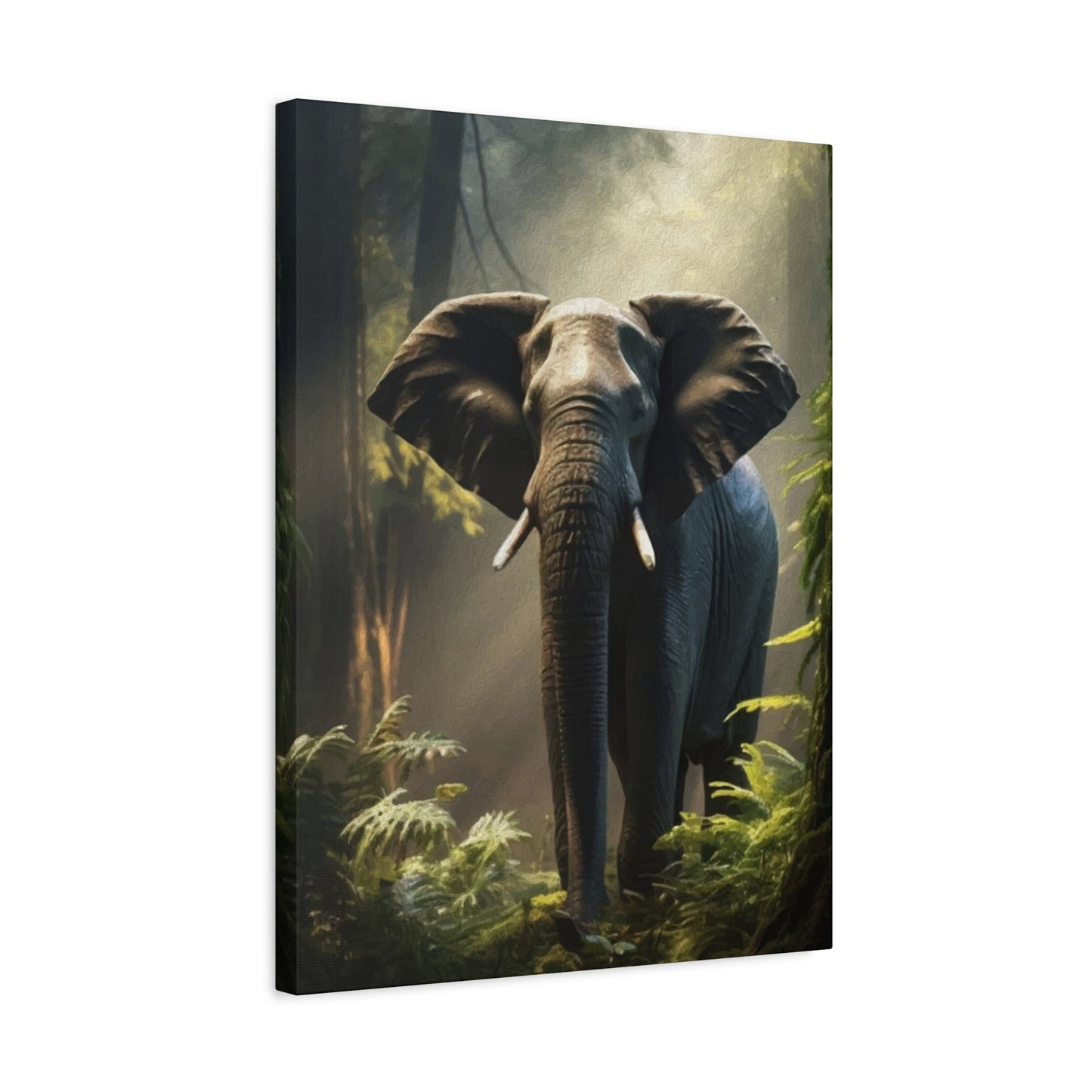
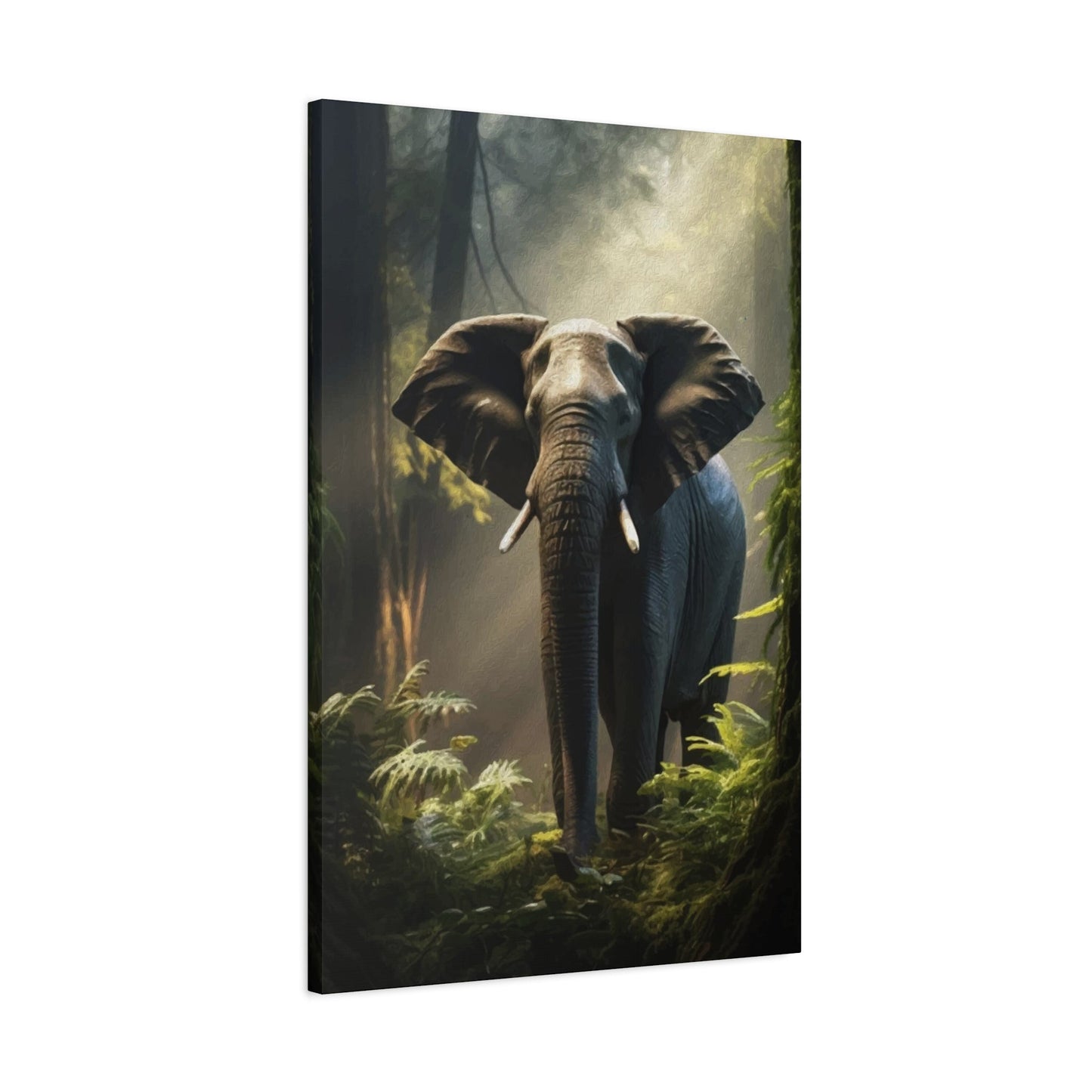
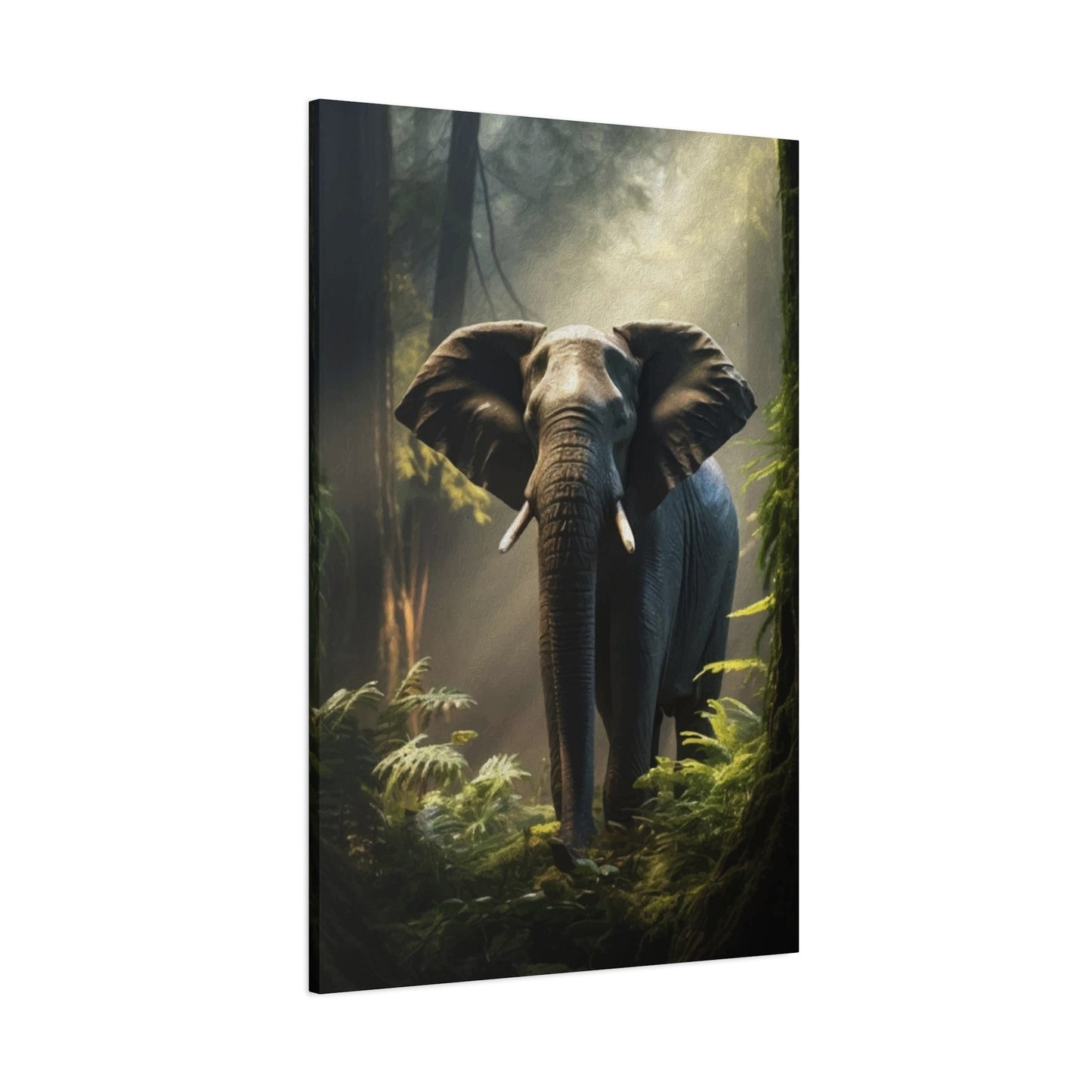
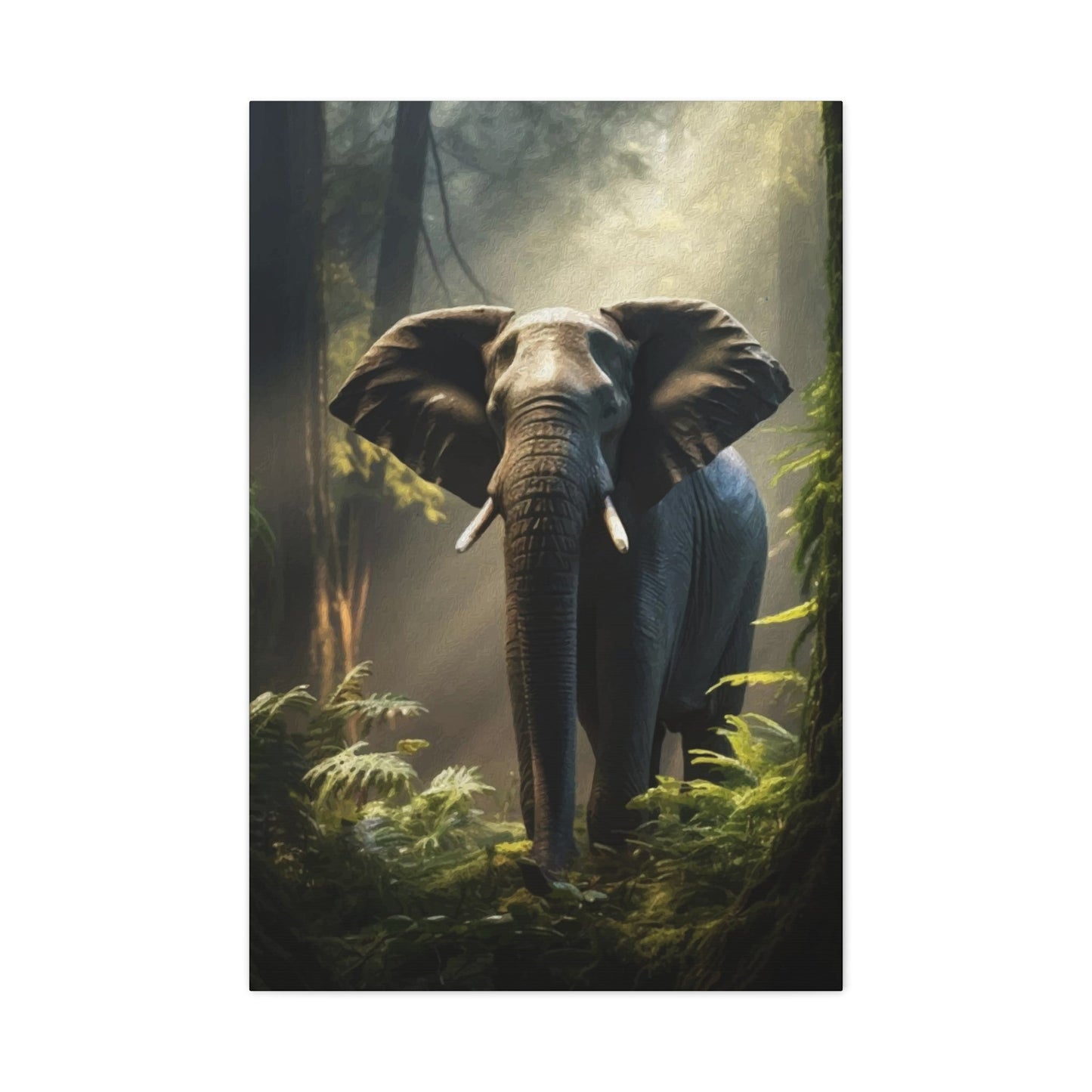
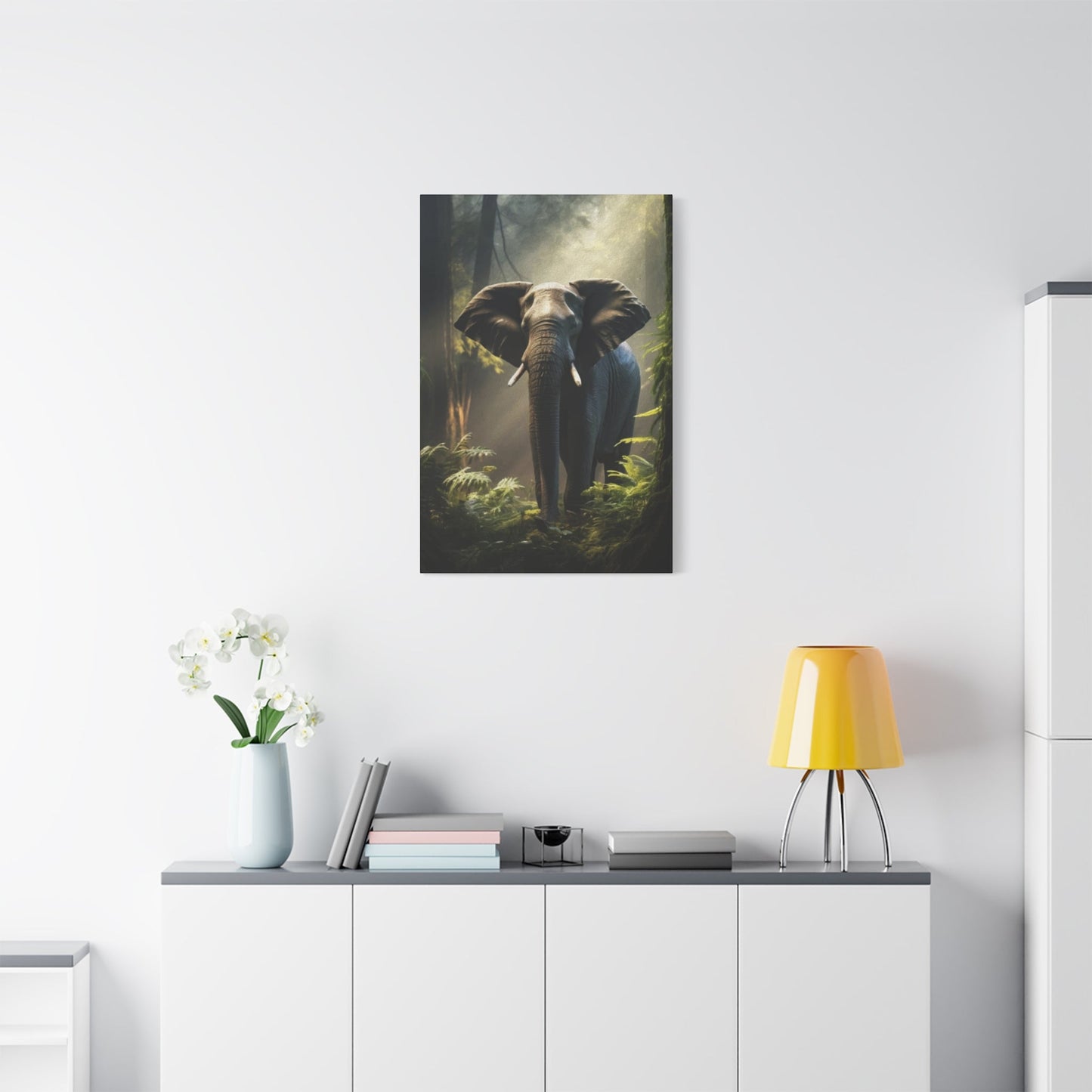
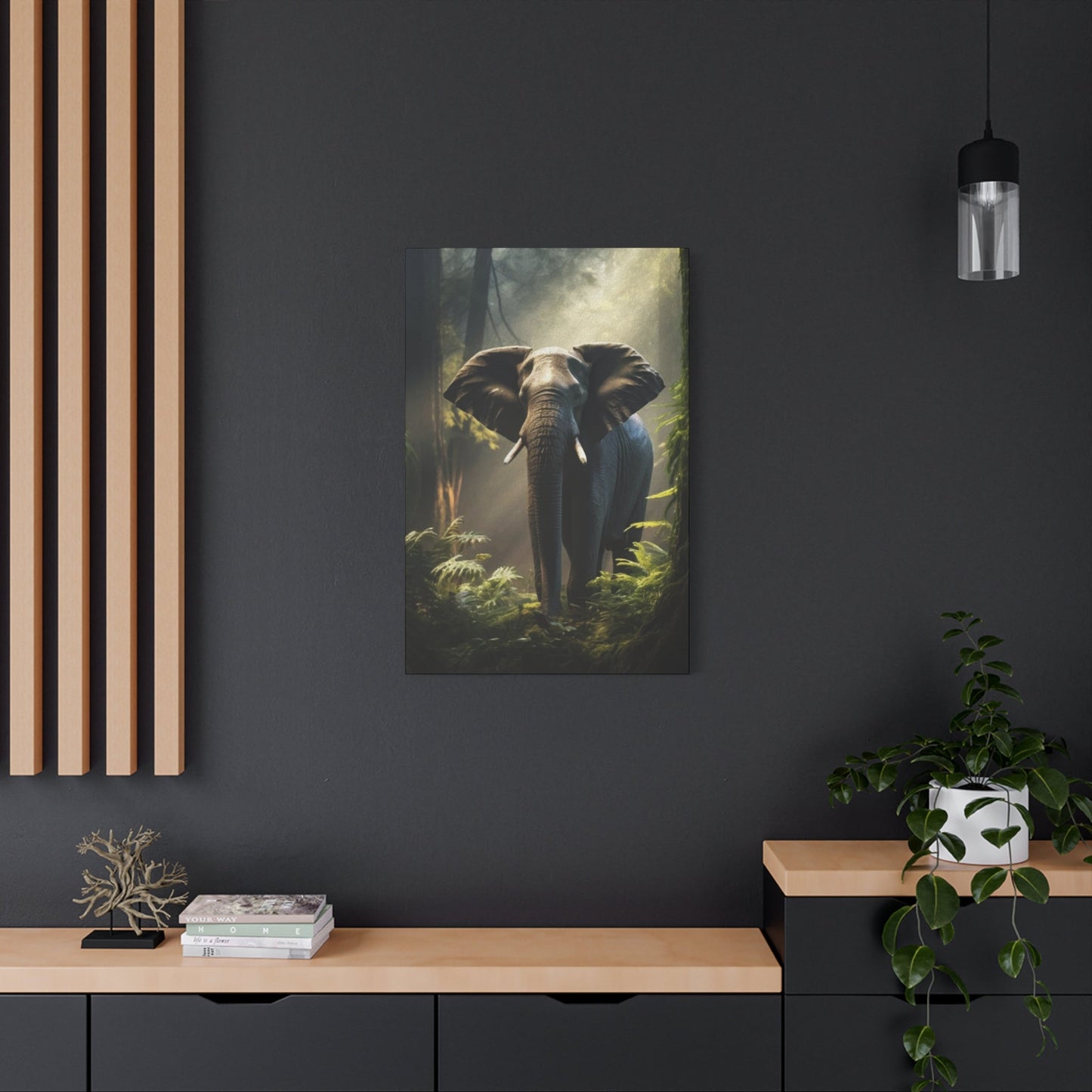
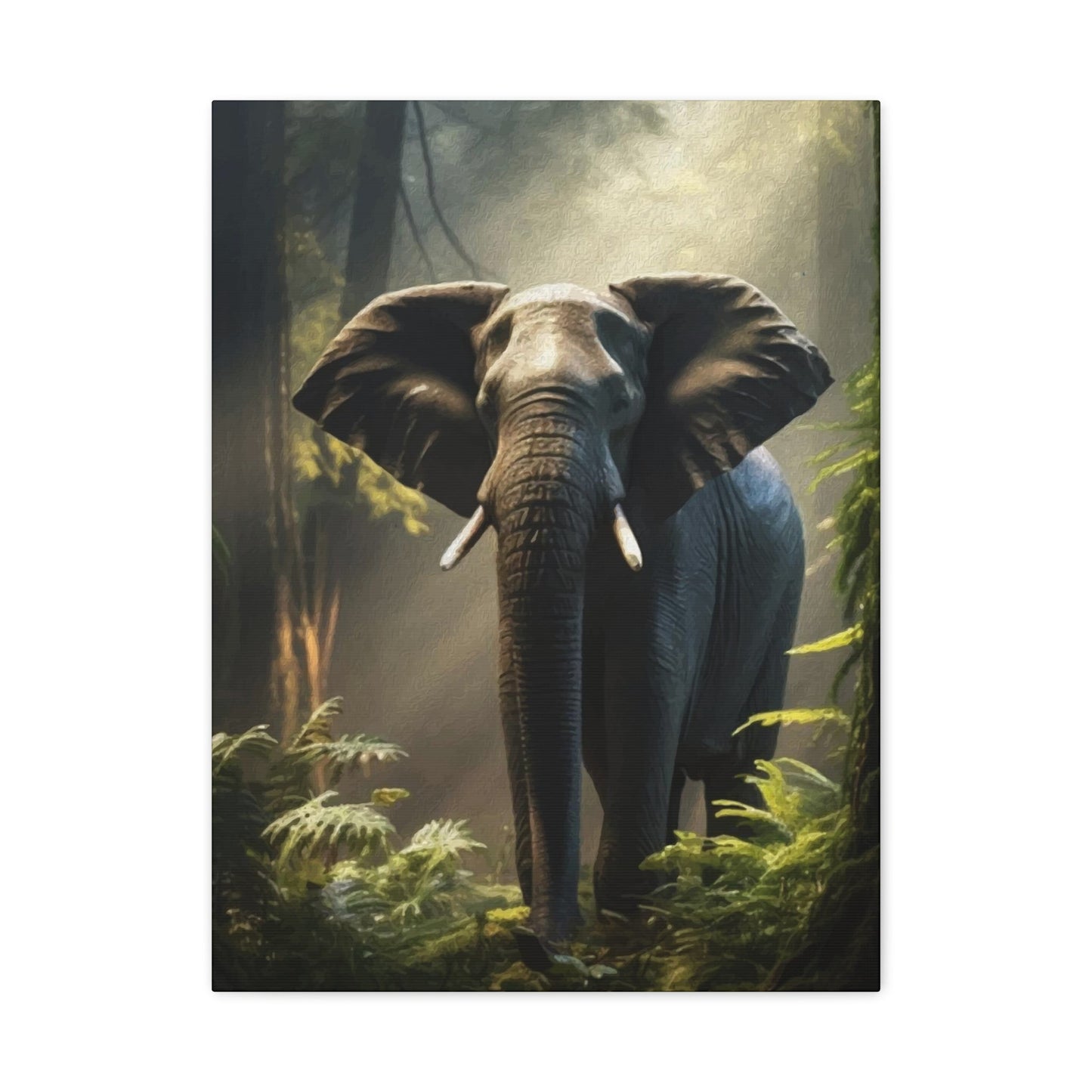
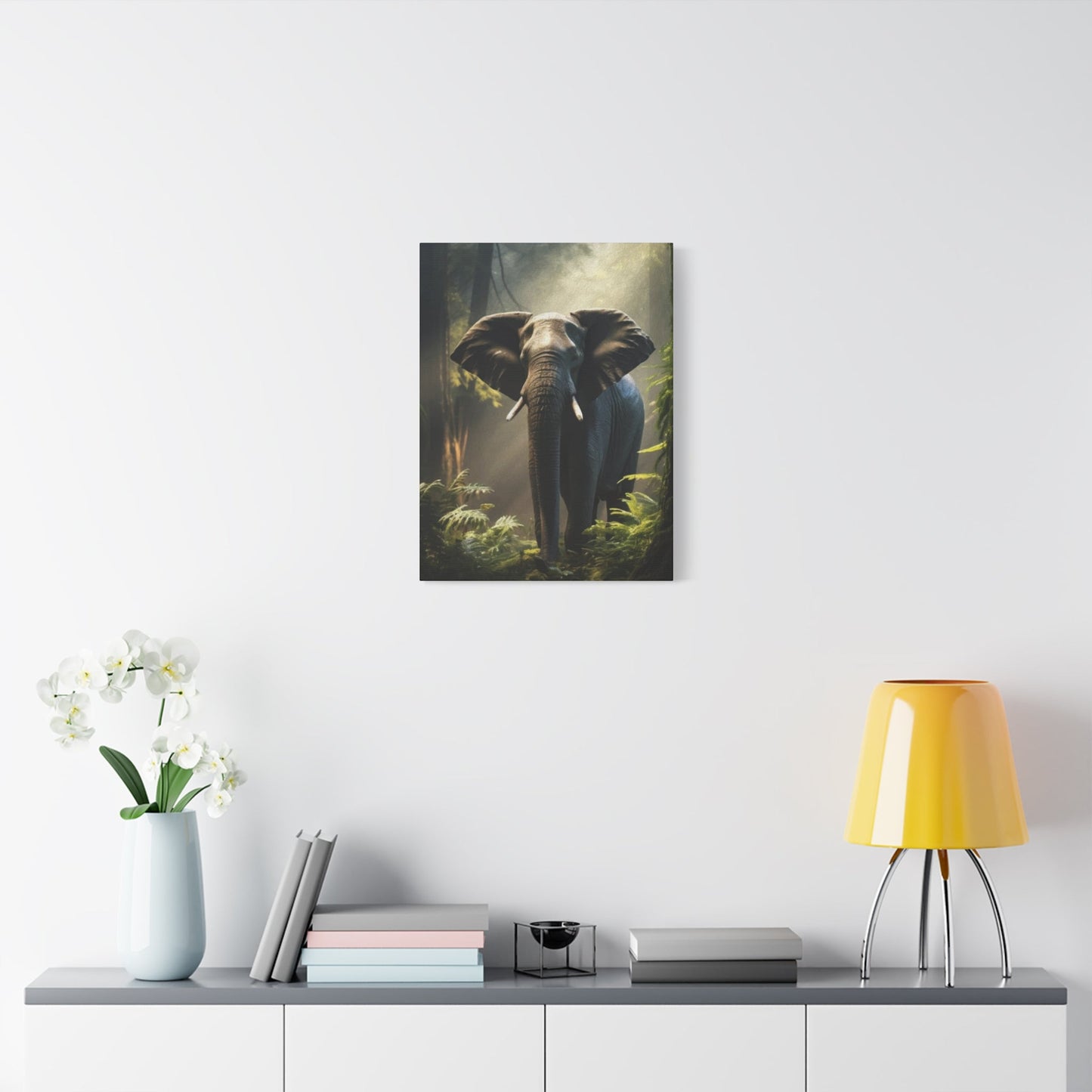
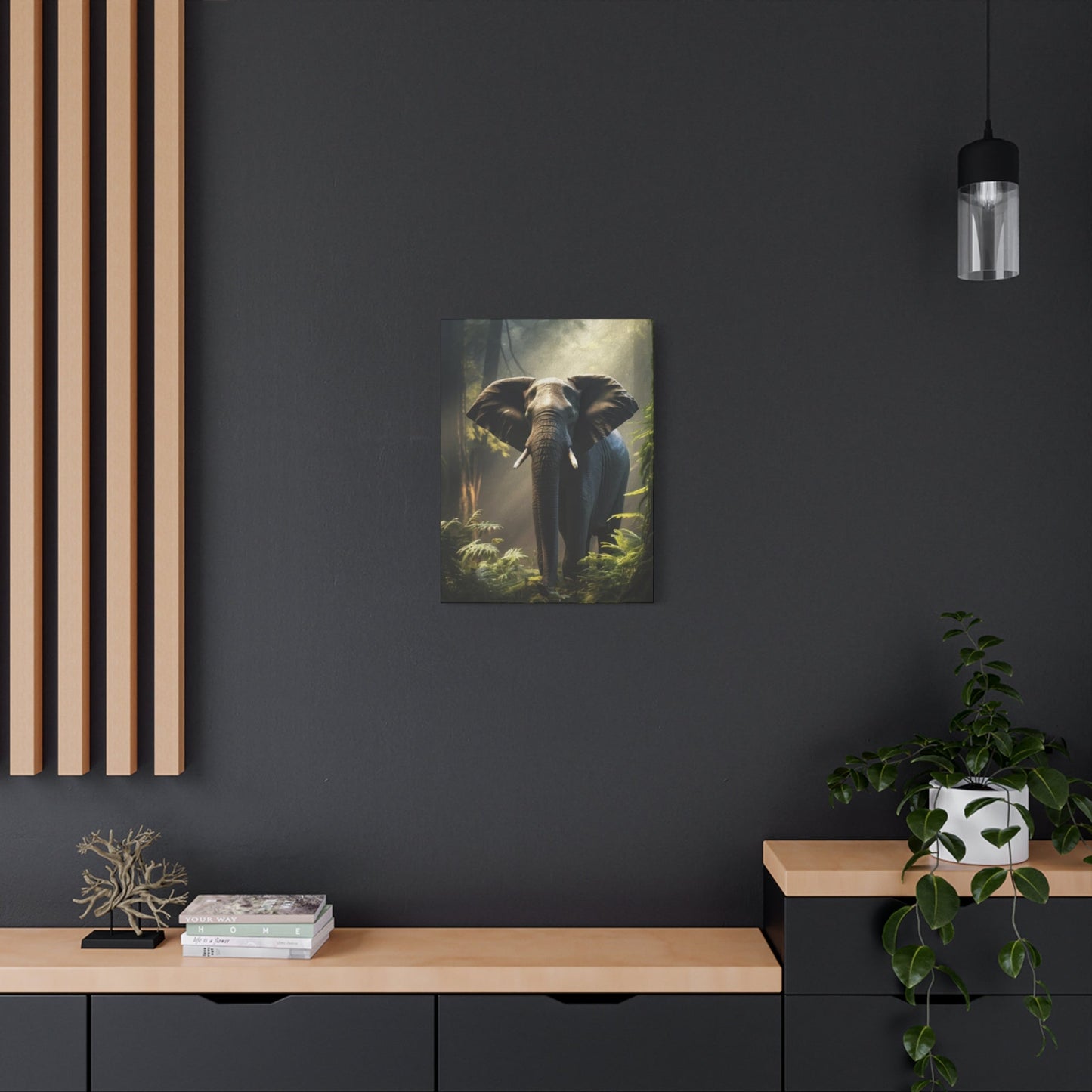
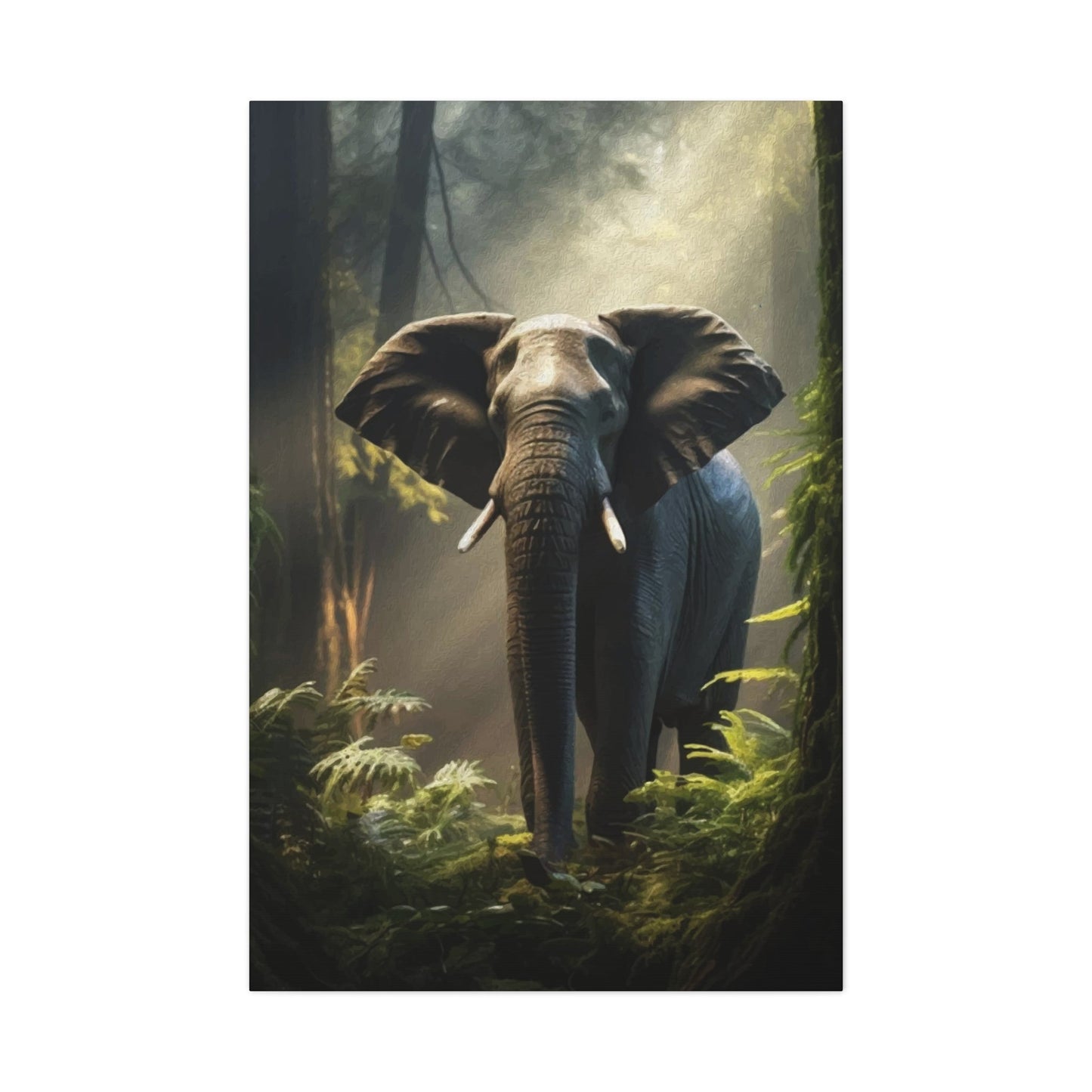
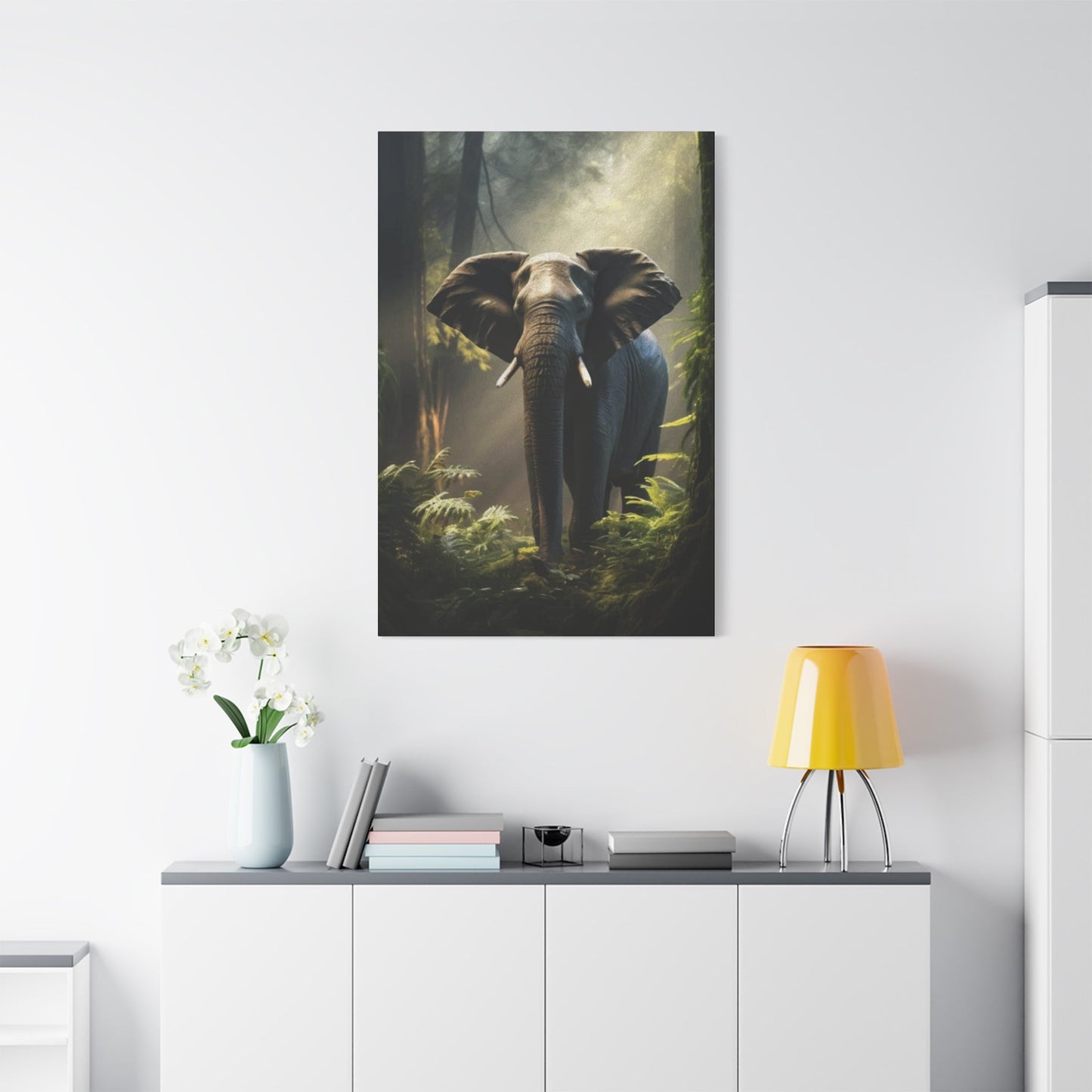
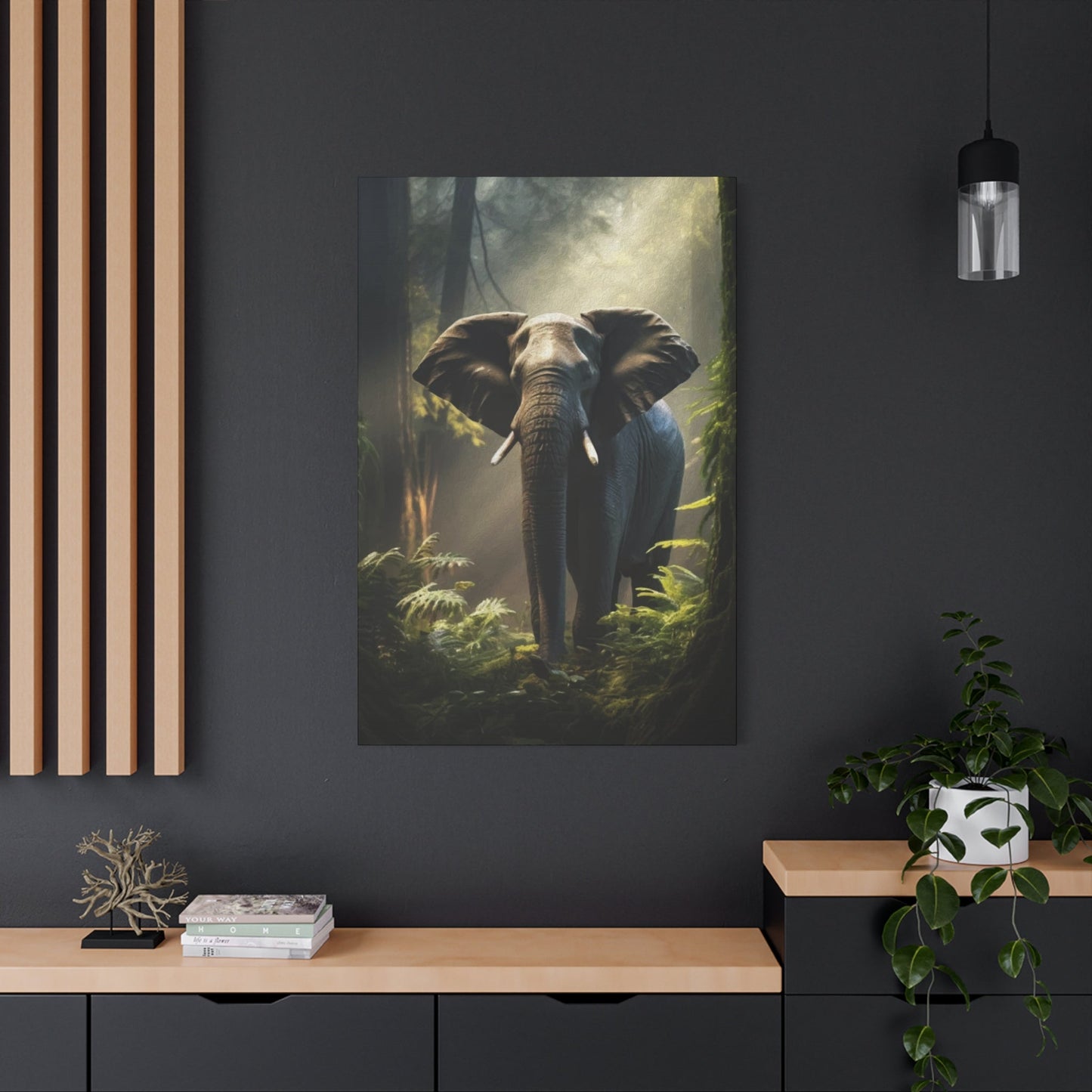
Untamed Elegance: Decorating with Wild Elephant Wall Art
Decorating your living space with powerful imagery can completely transform the atmosphere and energy of any room. Among the most majestic and meaningful choices available today, elephant themed decorative pieces stand out as timeless symbols of strength, wisdom, and natural beauty. These magnificent creatures have captivated human imagination for centuries, and their representation in home decor continues to grow in popularity across diverse interior design styles.
When selecting artwork featuring these gentle giants, homeowners discover endless possibilities ranging from photographic representations to abstract interpretations. The versatility of elephant imagery allows it to complement various design aesthetics, from contemporary minimalism to traditional elegance. Whether you prefer realistic depictions that capture every wrinkle and texture of elephant skin or stylized artistic renderings that emphasize color and emotion, there exists a perfect piece waiting to enhance your walls.
The appeal of these decorative items extends beyond mere aesthetics. Throughout history and across cultures, elephants have symbolized profound concepts including memory, family bonds, loyalty, and spiritual enlightenment. Incorporating such meaningful imagery into your home creates not just visual interest but also invites contemplation and conversation. Guests invariably pause to admire well-chosen elephant artwork, making it an excellent focal point for any room.
This comprehensive exploration delves into every aspect of selecting, displaying, and appreciating elephant themed decorative pieces. From understanding different artistic styles and materials to learning about proper placement and care, this guide provides everything needed to make informed decisions about incorporating these magnificent animals into your interior design scheme.
The Symbolic Significance of Elephant Imagery in Home Decoration
Elephants carry tremendous symbolic weight across numerous cultures and spiritual traditions worldwide. In many Asian cultures, particularly within Hindu and Buddhist traditions, elephants represent wisdom, prosperity, and the removal of obstacles. The Hindu deity Ganesha, depicted with an elephant head, is revered as the remover of barriers and the patron of arts and sciences. Displaying elephant imagery in homes connects inhabitants to these ancient traditions of seeking wisdom and overcoming challenges.
African cultural traditions also hold elephants in high esteem, viewing them as symbols of strength, honor, stability, and patience. The matriarchal structure of elephant herds, led by wise elder females, resonates with themes of family unity and the importance of generational knowledge. Incorporating African elephant imagery into your space can serve as a reminder of these values, encouraging family cohesion and respect for wisdom gained through experience.
Beyond cultural symbolism, elephants naturally embody qualities that make them powerful decorative subjects. Their impressive size combined with surprisingly gentle behavior creates a compelling juxtaposition. These animals demonstrate remarkable intelligence, emotional depth, and social complexity that fascinates researchers and animal lovers alike. Artwork depicting elephants can evoke feelings of awe, peace, and connection to the natural world.
The growing awareness of elephant conservation adds another layer of meaning to choosing elephant themed decoration. Many people select such artwork as a way to express their commitment to protecting these endangered species and preserving their natural habitats. This conscious decorating choice reflects personal values and can inspire conversations about environmental stewardship and wildlife protection.
From a design perspective, elephant subjects offer remarkable versatility. Their distinctive silhouettes are instantly recognizable yet allow for creative interpretation. The textured skin, expressive eyes, and majestic tusks provide rich visual elements that translate beautifully across various artistic mediums. Whether rendered in monochromatic schemes or vibrant colors, elephant imagery maintains its powerful impact.
Exploring Different Artistic Styles for Elephant Wall Decoration
The world of elephant themed artwork encompasses an extraordinary range of artistic styles, each offering unique aesthetic qualities and emotional resonances. Understanding these different approaches helps in selecting pieces that perfectly align with your personal taste and existing decor. Photographic realism represents one end of the spectrum, capturing elephants in their natural habitats with stunning clarity and detail.
Wildlife photography transformed into decorative pieces brings the raw beauty of African savannas and Asian forests directly into your home. These photographs often capture intimate moments of elephant behavior, from mothers nurturing calves to massive bulls asserting dominance. The authenticity of photographic images appeals to nature enthusiasts and those seeking to bring outdoor majesty indoors. High resolution printing technologies now allow these photographs to be reproduced with exceptional quality, preserving every detail from weathered skin texture to the glint of sunlight in an elephant's eye.
Abstract interpretations offer a completely different approach, deconstructing elephant forms into shapes, colors, and patterns that suggest rather than literally depict. These pieces work particularly well in contemporary spaces where bold artistic statements are welcome. Abstract elephant artwork might feature geometric representations, splashes of color forming recognizable silhouettes, or impressionistic renderings that capture the essence and energy of elephants without photographic precision. Such pieces invite viewers to engage more actively with the artwork, finding personal meaning in the artistic interpretation.
Watercolor renderings bring a softer, more ethereal quality to elephant imagery. The flowing, translucent nature of watercolors creates dreamy representations that emphasize grace and gentleness. These pieces often incorporate subtle color gradations and delicate details that give elephants an almost mythical quality. Watercolor elephant artwork pairs beautifully with shabby chic, coastal, and romantic interior design styles where softer aesthetics predominate.
Pop art inspired elephant pieces inject playful energy and vibrant colors into spaces. Following in the tradition established by artists who celebrated popular culture through bold graphics and unconventional color choices, these works might depict elephants in neon hues or against backgrounds featuring repeated patterns. Such pieces make excellent statement art for playful spaces like game rooms, creative studios, or children's areas where whimsy is encouraged.
Minimalist line drawings represent another popular style, using simple continuous lines to suggest elephant forms with elegant economy. These understated pieces suit Scandinavian inspired interiors and spaces where visual calm is prioritized. The simplicity of line art allows it to complement rather than compete with other design elements while still maintaining a distinctive presence.
Traditional oil painting techniques bring classical elegance to elephant subjects. These pieces often feature rich colors, dramatic lighting, and meticulous attention to detail that recalls the great animal painters of history. Oil painted elephant artwork lends gravitas and sophistication to formal living spaces, studies, and libraries where traditional aesthetics are appreciated.
Selecting the Perfect Size for Your Space
Determining the appropriate size for elephant themed artwork requires careful consideration of multiple factors including wall dimensions, room proportions, furniture arrangement, and the desired visual impact. Oversized pieces make dramatic statements and work exceptionally well as focal points in large rooms with substantial wall space. A massive elephant portrait above a sofa or behind a dining table immediately draws the eye and establishes the design tone for the entire room.
Large scale artwork measuring five feet or more in width creates an immersive experience, allowing viewers to appreciate intricate details and feel almost transported into the elephant's environment. These substantial pieces work best in rooms with high ceilings and generous square footage where they have breathing room. Placing an oversized elephant piece in a cramped space can feel overwhelming rather than impactful, so honest assessment of your available space is essential.
Medium sized pieces offer versatility, working well both as standalone features and as components of gallery wall arrangements. Artwork measuring between two and four feet in width fits comfortably in most residential spaces without dominating them. These dimensions work particularly well above console tables, in hallways, or as complementary pieces in bedrooms and home offices. Medium pieces allow you to incorporate elephant imagery without committing to a single dominant theme.
Smaller decorative items provide opportunities for creating curated collections and intimate displays. Pieces under two feet in width can be grouped together to create visual interest through repetition and variation. A collection of small elephant photographs or illustrations arranged in a grid pattern or organic cluster brings cohesive design to a wall while allowing individual pieces to be appreciated. Small scale artwork also works well in tight spaces like powder rooms, reading nooks, and above desks where delicate scale is appropriate.
When selecting size, consider the viewing distance from which the artwork will typically be seen. Pieces viewed from across a room can be larger and bolder, while artwork in intimate spaces where viewers will be close should feature details worth examining. The rule of thirds provides helpful guidance, suggesting artwork should occupy roughly two thirds to three quarters of the width of the furniture below it for balanced proportions.
Vertical versus horizontal orientation also impacts how elephant artwork integrates into your space. Horizontal pieces naturally suit walls above sofas, beds, and long furniture where width is emphasized. Vertical orientations work well in narrow spaces like hallways, between windows, or flanking doorways where height is more available than width. Some elephant compositions work equally well in either orientation, while others are specifically designed for one format.
Multi panel arrangements offer another dimension to size considerations. Triptychs and polyptychs split a single elephant image across multiple panels, creating dynamic visual flow and allowing for creative spacing between segments. These arrangements can span very large wall areas while maintaining visual lightness through the separation between panels. Multi panel pieces also offer flexibility in arrangement, as the spacing between panels can be adjusted to fit different wall dimensions.
Material Choices and Their Impact on Visual Effect
The material and printing medium selected for elephant artwork dramatically affects both its appearance and durability. Understanding the characteristics of different options helps in making choices that align with your aesthetic preferences and practical requirements. Stretched fabric remains among the most popular choices for several compelling reasons including lightweight construction, wrapped edges that eliminate the need for framing, and a contemporary look that suits modern interiors.
High quality fabric printing utilizes advanced inkjet technology to transfer images onto tightly woven textile surfaces. The texture of the fabric adds subtle depth to images, particularly benefiting photographic elephant subjects by adding tactile interest. Fabric prints resist glare better than glossy surfaces, making them ideal for rooms with abundant natural light where reflections might otherwise be problematic. The material also provides slight cushioning that protects the image from minor impacts.
Gallery wrapped fabric stretches around wooden frames with edges that continue the image, creating a finished look from all angles. This three dimensional presentation adds sophistication and allows the artwork to hang without additional framing. The depth created by the stretcher bars, typically ranging from three quarters of an inch to two inches, creates shadows that emphasize the artwork's presence on the wall. Deeper gallery wraps make particularly bold statements suitable for contemporary spaces.
Traditional paper prints offer exceptional detail reproduction and come in various finishes from matte to glossy. Fine art papers specifically designed for photographic and artistic reproduction provide archival quality that resists fading over time when paired with appropriate inks. Paper prints typically require framing and glazing for protection, adding another layer of customization through frame and mat selection. The combination of the right paper, professional printing, and complementary framing creates museum quality presentation.
Metal printing represents an innovative option that infuses elephant images directly onto aluminum sheets. This process creates luminous, vibrant colors with exceptional depth and a modern, sleek appearance. Metal prints are incredibly durable, resistant to moisture and fading, making them suitable for spaces where traditional materials might be vulnerable. The reflective quality of metal adds dimension to images, causing them to seem almost illuminated from within. This contemporary medium particularly suits industrial, modern, and minimalist interior styles.
Acrylic mounting involves printing images on paper or directly on the back of clear acrylic panels, creating a glass like finish with incredible depth. The acrylic layer intensifies colors and creates a luminous quality that makes elephant subjects appear almost three dimensional. These pieces have a high end, gallery quality appearance and exceptional durability. The weight and fragility of acrylic require sturdy mounting systems, but the visual impact justifies the additional consideration.
Wood mounting brings rustic charm and organic warmth to elephant imagery. Images transferred onto wood panels retain the natural grain and texture of the wood, which becomes part of the artistic composition. This approach works beautifully with elephant subjects, as the organic material complements the natural subject matter. Wood mounted pieces suit farmhouse, rustic, and eclectic interior styles where the blend of image and material creates unique character.
Framed prints under glass offer traditional presentation with customizable styling through frame selection. Frames range from ornate gilt options that add classical elegance to simple black or white contemporary profiles that emphasize the artwork itself. Matting provides another customization opportunity, with colors and widths selected to complement both the image and the surrounding decor. Glass or acrylic glazing protects the print while options like non reflective glass minimize glare issues.
Color Palettes and Their Influence on Room Ambiance
The color scheme of elephant artwork significantly influences the mood and atmosphere it creates within a space. Understanding color psychology and how different palettes interact with existing decor helps in selecting pieces that enhance rather than clash with your interior design vision. Monochromatic approaches featuring various shades of a single color create sophisticated, cohesive looks that integrate smoothly into carefully curated color schemes.
Black and white elephant photography delivers timeless elegance and dramatic impact. The absence of color focuses attention on form, texture, light, and shadow, highlighting the magnificent physical presence of elephants. These pieces suit virtually any color scheme since they add no competing hues, making them safe choices for spaces where color coordination is challenging. Black and white imagery also imparts a classic, documentary quality that suggests seriousness and artistic intent.
Sepia toned and warm monochromatic palettes featuring browns, tans, and creams create nostalgic, earthy atmospheres. These vintage inspired color schemes pair beautifully with natural materials like wood and leather, making them ideal for rustic, traditional, and masculine oriented spaces. The warm tones suggest African landscapes and create welcoming, comfortable environments. Sepia imagery of elephants can evoke safari adventures and classic nature photography.
Cool toned monochromatic schemes utilizing blues, grays, and silvers establish calm, peaceful environments. These palettes work exceptionally well in bedrooms, bathrooms, and other spaces where relaxation is prioritized. Cool colors recede visually, making rooms feel more spacious, while also suggesting tranquility and contemplation. Gray scale elephant imagery fits seamlessly into contemporary and industrial design schemes where neutral palettes dominate.
Vibrant multi color palettes inject energy and personality into spaces. Abstract and pop art inspired elephant pieces often feature bold, saturated colors that make immediate visual impact. Rainbow hued elephants or those set against brilliant sunset skies bring joy and playfulness to rooms. These exuberant color choices work well in creative spaces, children's rooms, and areas where conventional design rules are intentionally broken. The unexpected color treatment of a traditionally gray animal creates delightful surprise.
Natural color palettes that accurately represent elephant coloring and native habitats create authentic, grounded aesthetics. These pieces feature the actual grays and browns of elephant skin along with the tans, greens, and blues of African savannas or Asian jungles. Natural palettes integrate easily into organic and biophilic design schemes that emphasize connections to nature. The realistic coloring allows the magnificent form and character of elephants to speak for themselves without artistic embellishment.
Metallic accents including gold, silver, and copper add luxurious touches to elephant artwork. These reflective elements catch light and create dynamic visual interest that changes throughout the day. Gold accents pair beautifully with warm color schemes and add opulence to traditional or glamorous interiors. Silver and chrome accents complement cool palettes and contemporary spaces. Metallic elements can appear as backgrounds, highlighting details, or as actual metal leaf applied to mixed media pieces.
Pastel palettes featuring soft pinks, blues, lavenders, and mint greens create gentle, soothing environments perfect for nurseries and feminine spaces. While less common for elephant subjects, pastel treatments can be surprisingly effective, adding whimsy while maintaining the grace of these animals. Watercolor techniques particularly lend themselves to pastel palettes, creating dreamy interpretations that feel both artistic and approachable.
Placement Strategies for Maximum Visual Impact
Strategic placement of elephant artwork maximizes its visual impact and integration into your overall design scheme. The location you choose affects not only how the piece is viewed but also how it influences the energy and function of the space. Above seating areas remains the most traditional and effective placement, creating natural focal points that draw the eye while providing visual interest for those using the space.
Positioning elephant artwork above a sofa requires careful measurement to achieve proper proportions and height. The bottom edge of the artwork should sit approximately six to eight inches above the sofa back, creating visual connection while maintaining separation. This spacing prevents the piece from appearing to float disconnectedly while avoiding the cramped feeling of insufficient space. The width should span roughly two thirds to three quarters of the sofa length for balanced proportions that neither overwhelm nor underwhelm.
Bedroom placement offers opportunities for creating peaceful, contemplative environments. Large elephant pieces above the bed function as dramatic headboards, establishing the room's aesthetic tone. The calm, wise presence of elephants suits bedroom environments where rest and reflection occur. Alternatively, placing elephant artwork on a wall opposite the bed creates a view to wake up to, starting each day with the positive symbolism these animals represent.
Dining areas benefit from elephant artwork that stimulates conversation and creates sophisticated ambiance. A substantial piece on the main dining room wall becomes a talking point during meals and gatherings. The social nature of elephants, with their complex family structures and communication, metaphorically enhances the communal experience of sharing meals. Consider scale carefully in dining spaces, ensuring artwork complements rather than overwhelms the dining table and chairs.
Home office and study placements allow elephant imagery to inspire qualities associated with these animals including wisdom, memory, and patient problem solving. Positioning elephant artwork where it is visible from your desk provides visual respite during work while subtly encouraging the positive attributes elephants symbolize. The presence of such majestic subjects can elevate the psychological experience of workspace, making it feel more important and inspiring.
Entryways and foyers offer prime real estate for making first impressions. Elephant artwork in these transitional spaces welcomes guests while immediately communicating something about your aesthetic sensibilities and values. The strength and dignity of elephants make them appropriate greeters, and many cultural traditions consider elephants lucky, making them auspicious choices for entry placement. Ensure entryway pieces are scaled appropriately for often compact spaces while still making sufficient impact.
Hallways and corridors provide opportunities for creating gallery experiences with multiple elephant pieces or a single substantial work that draws visitors through the space. Long, narrow walls particularly suit horizontal elephant compositions or series of smaller pieces arranged linearly. Proper lighting in hallways ensures artwork receives adequate illumination despite potentially windowless conditions.
Unexpected placements including bathrooms, powder rooms, and closets demonstrate design confidence and create delightful surprises. A beautiful elephant piece in a powder room makes necessary visits more pleasant and shows attention to design detail throughout your home. These unconventional locations work particularly well for smaller pieces or those with special moisture resistance like metal prints.
Asymmetrical and unconventional arrangements create visual interest in contemporary spaces. Rather than automatically centering artwork, consider off center placements that create dynamic tension or balance other room elements. Leaning large elephant pieces against walls rather than hanging them produces casual, collected looks suitable for eclectic interiors. Layering elephant artwork with other pieces creates depth and suggests curated collections developed over time.
Creating Gallery Wall Collections with Elephant Themes
Gallery wall arrangements offer opportunities to create sophisticated, personalized displays that tell visual stories through carefully curated collections. Elephant themed gallery walls can incorporate multiple pieces of varying sizes, styles, and formats united by their common subject matter. The key to successful gallery walls lies in achieving balance between unity and variety, creating cohesive displays that maintain visual interest through thoughtful diversity.
Starting with a anchor piece provides a focal point around which smaller elements can be arranged. Select your largest or most visually striking elephant piece as the centerpiece, then build outward with complementary works. The anchor typically sits slightly off center within the overall arrangement rather than in the geometric middle, creating more dynamic compositions. This foundational piece establishes the aesthetic direction for the entire collection, so choose carefully based on your preferred style and color palette.
Mixing sizes creates visual rhythm and prevents gallery walls from appearing static or grid like. Combine large statement pieces with medium supporting works and small detail oriented items. The variation in scale guides the eye around the arrangement, creating a journey through the collection. When planning size distribution, ensure no single piece other than your intended anchor overwhelms the composition. Sketch arrangements or use paper templates on the wall before committing to nail holes.
Incorporating varied frame styles adds depth and interest while maintaining cohesion through color coordination or material consistency. All black frames create unified looks even when their profiles differ, as do all natural wood frames despite variations in tone. Alternatively, mixing metallics like brass, silver, and copper creates eclectic elegance when unified by similar colors or subjects. White and cream frames produce gallery wall arrangements that feel light and airy, particularly effective in cottages and coastal interiors.
Balancing elephant photographs with illustrations, paintings, and mixed media pieces prevents monotony while maintaining thematic consistency. A gallery wall might include realistic elephant photographs alongside abstract interpretations and vintage elephant illustrations from natural history books. This approach celebrates different artistic perspectives on the same subject, creating intellectual interest alongside visual appeal. Ensure stylistic variety serves the overall composition rather than creating chaotic confusion.
Color coordination throughout the gallery wall creates cohesion despite diversity of individual pieces. You might select all monochromatic elephant images, or choose pieces that share a specific color accent like blue skies or golden sunsets. Matting provides another opportunity for color coordination, with consistent mat colors unifying diverse pieces. Consider how the collection's overall color story interacts with your room's palette, either complementing existing colors or introducing calculated contrast.
Geometric arrangements including grids and strict alignments create orderly, contemporary looks. Pieces of identical size hung in perfect rows and columns produce clean, gallery like presentation suitable for modern spaces. This approach works particularly well when all pieces share similar framing and when the images themselves vary enough to prevent repetition. Mathematical precision in placement communicates intentionality and sophistication.
Organic salon style arrangements embrace asymmetry and flow, creating collected, personal aesthetics. These gallery walls develop from a central point outward with pieces fitted together like puzzle pieces until the composition feels complete. Salon arrangements suit eclectic, bohemian, and traditional interiors where perfect symmetry would feel too rigid. The key is maintaining relatively consistent spacing between all pieces, typically two to three inches, which creates unity despite irregular arrangement.
Incorporating three dimensional elements like sculptures, shadow boxes, or mounted tusks alongside two dimensional elephant artwork adds depth and tactile interest. Small elephant figurines on floating shelves integrated into the gallery wall create dimensional variety. Ensure three dimensional elements harmonize with the overall aesthetic and don't create visual competition that fragments the display.
Caring for and Maintaining Your Elephant Artwork
Proper care and maintenance preserve the beauty and integrity of elephant artwork for years or even generations. Different materials require specific care approaches, but universal principles apply across most decorative items. Understanding how to protect your investment ensures the piece continues bringing joy and enhancing your space long term. Protection from direct sunlight ranks among the most critical considerations for preserving artwork regardless of medium or material.
Ultraviolet radiation from sunlight causes fading and degradation of inks, dyes, and materials over time. While modern printing technologies use fade resistant inks, prolonged direct sun exposure still causes damage. Position elephant artwork away from windows where direct beams will strike it, or use window treatments that filter UV rays while allowing natural light. Museum quality glazing with UV protection offers another solution for framed pieces, blocking harmful radiation while maintaining visibility.
Climate control helps prevent damage from humidity fluctuations and temperature extremes. High humidity can cause warping, mold growth, and ink running on certain materials, while excessive dryness may cause cracking and brittleness. Maintain indoor environments within recommended ranges of 40 to 60 percent relative humidity and avoid temperature extremes. Don't hang artwork above heating vents, fireplaces, or in uninsulated spaces subject to significant temperature swings.
Regular gentle cleaning removes dust accumulation that can dull appearance over time. For fabric based pieces, use soft brushes or vacuum attachments on low suction to carefully remove surface dust. Avoid applying liquids directly to fabric as they may cause staining or ink bleeding. For framed pieces under glass, clean the glass with appropriate cleaners applied to your cloth rather than spraying directly on the frame to prevent liquid seepage. Metal and acrylic pieces can be cleaned with slightly damp microfiber cloths, always wiping gently to avoid scratching.
Inspection routines help catch developing problems before they become serious. Periodically examine elephant artwork for signs of fading, especially if positioned where indirect sunlight reaches it. Check for loose hanging hardware, frame joints separating, or canvas developing slack. Early detection allows for preventive action rather than reactive repairs. Pay particular attention to pieces in high traffic areas where accidental contact is more likely.
Professional conservation services can address damage and perform preventive treatments for valuable pieces. Art conservators possess specialized knowledge and tools for restoring faded colors, repairing tears, and addressing other damage. For especially meaningful or valuable elephant artwork, consultation with conservation professionals provides peace of mind and expert guidance. They can also advise on proper framing materials and techniques that protect rather than harm artwork over time.
Proper hanging techniques prevent damage and ensure safety. Use appropriate hanging hardware rated for your piece's weight, as inadequate hardware can lead to falling artwork and wall damage. Wall anchors provide necessary support in drywall where studs are unavailable. For very heavy pieces, especially large metal or acrylic works, professional installation ensures proper support and levelness. Consider earthquake resistant hanging systems in areas with seismic activity.
Storage of elephant artwork requires attention to environment and protection. When rotating seasonal displays or storing pieces during moves, wrap them carefully in acid free materials that won't cause discoloration. Store flat rather than leaning when possible, and never place heavy items atop artwork. Climate controlled storage prevents the humidity and temperature problems that can develop in attics, basements, and garages. Keep stored pieces accessible for periodic condition checks.
Styles of Interior Design that Complement Elephant Artwork
Elephant themed artwork adapts beautifully to numerous interior design styles, though certain approaches create particularly harmonious pairings. Understanding how elephant imagery functions within different aesthetic frameworks helps in selecting pieces that enhance rather than conflict with your overall design vision. African inspired and safari style interiors represent natural homes for elephant artwork, as these themes explicitly celebrate African wildlife and landscapes.
Safari style embraces natural materials, earth tones, and wildlife imagery that evoke the experience of African expeditions. Elephant artwork becomes a central element rather than an added feature in such spaces, where the entire design aesthetic revolves around celebrating African nature. Pair realistic elephant photography with natural wood furniture, leather upholstery, woven textures, and warm color palettes featuring browns, tans, and deep greens. Accessories like animal print pillows, tribal inspired patterns, and natural fiber rugs complete the cohesive safari atmosphere.
Contemporary and modern interiors accommodate elephant artwork through clean lines and thoughtful editing. In minimalist modern spaces, a single striking elephant piece becomes a powerful focal point against neutral backgrounds. The simplicity of the surrounding space allows the artwork to command full attention without competing elements. Modern design's emphasis on quality over quantity means each piece must be carefully selected for maximum impact. Abstract or graphic elephant interpretations particularly suit contemporary aesthetics, as do monochromatic pieces that maintain color discipline.
Scandinavian inspired interiors with their emphasis on simplicity, functionality, and connection to nature welcome elephant imagery. The Nordic aesthetic appreciates clean lines, muted colors, and meaningful objects rather than excessive decoration. Black and white elephant photography or minimal line drawings align perfectly with Scandinavian restraint. The symbolic wisdom and family orientation of elephants also resonate with Scandinavian values of community and thoughtful living.
Industrial style spaces characterized by exposed brick, metal elements, and raw materials gain warmth through thoughtfully placed elephant artwork. The organic subject matter softens industrial edge while the potential for large scale pieces fills the substantial wall space often found in loft style industrial interiors. Metal printed elephant images particularly complement industrial aesthetics, echoing the material vocabulary while introducing natural subject matter. Black and white photography also suits industrial spaces with their typically neutral color schemes.
Bohemian and eclectic interiors embrace elephant artwork as part of layered, collected aesthetics that celebrate global influences and personal expression. Boho style encourages mixing patterns, textures, and cultural references, making elephant imagery from various artistic traditions welcome. Colorful, artistic elephant interpretations fit naturally into bohemian spaces where conventional design rules are intentionally bent. Layer elephant pieces with textiles, plants, and diverse objects that reflect travels and interests.
Traditional and classic interiors incorporate elephant artwork through properly framed pieces that respect formal design principles. Oil painted elephant portraits in ornate frames suit traditionally decorated libraries, studies, and formal living rooms. The timeless elegance of properly presented elephant artwork complements antique furniture, rich fabrics, and sophisticated color schemes. Traditional design's appreciation for symbolism and meaning aligns well with the cultural significance elephants carry.
Coastal and nautical themes might seem unlikely partners for elephant artwork, but thoughtful selection creates beautiful results. Elephants do swim and many populations inhabit coastal regions, making water based elephant photography thematically appropriate. Blue toned elephant images complement coastal color palettes, while the massive, gentle presence of elephants echoes similar qualities in marine mammals like whales. Weathered or whitewashed frames on elephant pieces help them integrate into beach inspired spaces.
Rustic and farmhouse styles embrace elephant artwork through natural materials and organic subjects. Wood mounted elephant images or those in reclaimed wood frames feel at home among shiplap walls, vintage accessories, and comfortable lived in furnishings. The enduring, solid presence of elephants complements farmhouse aesthetic values of authenticity and connection to simpler times. Warm toned elephant photographs coordinate with farmhouse color schemes dominated by creams, whites, and soft grays.
Size Variations and Multi Panel Arrangements
The physical dimensions and configuration of elephant artwork dramatically affect its presence and impact within a space. Beyond simply choosing between small, medium, and large sizes, considering innovative arrangements opens additional creative possibilities. Multi panel configurations split elephant images across several separate pieces, creating dynamic presentations that differ substantially from single panel alternatives.
Diptychs consisting of two panels offer balanced, symmetrical arrangements that create visual dialogue between halves. An elephant image might be split down the center with each half on a separate panel, or composed specifically as two complementary scenes. The space between panels creates breathing room that prevents large compositions from feeling overwhelming while adding contemporary sophistication. Diptych arrangements work particularly well flanking focal points like fireplaces or mounted televisions.
Triptychs with three panels provide classical proportions that have pleased viewers for centuries. The central panel typically carries the primary visual weight while flanking panels provide context or continuation. A triptych might show an elephant herd with the matriarch centered and family members on either side, creating narrative across the panels. Three panel arrangements offer flexibility in spacing and overall width, adaptable to various wall dimensions while maintaining compositional integrity.
Polyptych arrangements featuring four, five, or more panels create spectacular large scale installations suitable for expansive walls. These compositions might show panoramic African landscapes with elephant herds spanning the entire arrangement, or capture different aspects of elephant life across multiple scenes. The complexity of multi panel arrangements demands careful planning and precise installation, but the resulting impact justifies the additional effort. Such pieces function as architectural elements that define entire walls.
Vertical panel arrangements create striking visual interest in spaces with high ceilings or where vertical emphasis is desired. Rather than arranging panels horizontally, stacking them vertically draws the eye upward and emphasizes height. This approach works beautifully with elephant subjects, as their impressive stature is naturally emphasized by vertical orientation. Narrow spaces like hallways or between windows accommodate vertical arrangements where horizontal configurations would be impractical.
Progressive sizing within multi panel arrangements creates dynamic visual flow. Panels might progress from small to large and back to small, creating crescendo effects, or maintain graduated sizes that direct the eye in a specific direction. These variations in panel size add energy and movement to compositions, making them feel alive rather than static. Progressive arrangements require more careful planning than uniform panels but offer distinctive results.
Irregular panel shapes and sizes create contemporary, artistic presentations that break from traditional rectangular formats. Hexagonal, circular, or custom cut panels arranged in organic clusters produce one of a kind displays. Such innovative approaches suit modern and eclectic interiors where conventional presentations would feel too conservative. The elephant imagery provides recognizable subject matter that grounds otherwise experimental compositional approaches.
Three dimensional depth variations where panels are mounted at different distances from the wall create shadow play and architectural interest. Rather than hanging all panels flush on a single plane, some extend further from the wall while others remain closer, creating sculptural dimensionality. This technique adds drama through the interplay of light and shadow across the varied surfaces. Depth variations work particularly well with metal or acrylic prints that can support the structural requirements.
Corner wrapping installations continue elephant imagery around inside or outside corners, creating immersive environments that transform architectural elements into design features. Specially designed corner pieces turn otherwise awkward spaces into focal points. This technique works especially well in open concept homes where walls meet at angles visible from multiple viewpoints. The unexpected use of corner space demonstrates design sophistication and creative thinking.
Color in Elephant Wall Decoration
Color psychology explores how different hues affect human emotions, behaviors, and psychological states. When selecting elephant artwork, considering the psychological impact of colors helps create environments that support desired moods and activities. The colors present in elephant imagery influence not just aesthetic coordination but also the subtle emotional atmosphere of spaces.
Blue tones promote calmness, tranquility, and mental clarity, making them excellent choices for bedrooms, bathrooms, and meditation spaces. Elephant artwork featuring blue skies, water elements, or artistic blue coloring creates peaceful environments conducive to rest and contemplation. Cool blue tones also enhance focus and productivity, making them appropriate for home offices and study areas. The combination of elephants' wise symbolism with blue's calming properties doubles the peaceful impact.
Warm earth tones including browns, tans, ochres, and terracotta create grounded, comfortable atmospheres that feel stable and secure. These colors naturally dominate realistic elephant imagery and African landscape scenes. Earth tones promote feelings of warmth and connection to nature while remaining neutral enough to coordinate with various decorating schemes. Spaces decorated with warm earth toned elephant art feel welcoming and nurturing, ideal for family rooms and gathering spaces.
Green hues connect viewers to nature, growth, and renewal while promoting balance and harmony. Elephant artwork set in lush jungle environments or African grasslands brings these verdant qualities indoors. Green has been shown to reduce stress and eye strain, making it beneficial in virtually any room. The life affirming quality of green coordinates beautifully with elephant subjects, both being symbols of natural vitality and endurance.
Red and warm accent colors inject energy, passion, and vitality into spaces. While less common in naturalistic elephant imagery, artistic interpretations might incorporate red sunsets, flowers, or abstract color fields. Red stimulates conversation and appetite, making it suitable for dining areas and social spaces. Even small amounts of red within predominantly neutral elephant artwork can energize a room without overwhelming it.
Yellow and gold tones evoke sunshine, optimism, and mental stimulation. Golden hour elephant photography bathed in warm sunset light or artistic pieces with yellow accents create cheerful, uplifting environments. Yellow stimulates mental activity and creativity, making it beneficial for creative studios, kitchens, and children's spaces. The precious metal associations of gold add luxury and richness to elephant imagery.
Purple shades ranging from deep eggplant to soft lavender suggest luxury, spirituality, and creativity. While unconventional for elephant subjects, purple can appear in artistic interpretations or as accent colors in backgrounds. Purple's association with royalty complements the majestic nature of elephants, creating sophisticated atmospheres. Lighter lavenders provide calming effects similar to blues while maintaining more individuality.
Neutral grays, blacks, and whites provide sophisticated, timeless backdrops that emphasize form and composition over color impact. Monochromatic elephant artwork delivers maximum flexibility in placement since it introduces no competing color scheme. Neutrals suggest refinement and allow the powerful subject matter to speak without chromatic distraction. These safe choices ensure artwork coordinates with future decorating changes without requiring replacement.
Conclusion
In conclusion, wild elephant wall art embodies a striking fusion of untamed elegance and profound symbolism, making it a captivating choice for decorating spaces that seek both beauty and meaning. Elephants, with their majestic presence and deep-rooted cultural significance, have long inspired artists and admirers alike. Incorporating wild elephant imagery into your home or office decor not only enhances aesthetic appeal but also infuses the environment with powerful messages of strength, wisdom, and compassion.
The untamed aspect of elephant art highlights the raw beauty and grandeur of these magnificent creatures in their natural habitat. Unlike domesticated or tamed representations, wild elephant art captures the authentic spirit of freedom, resilience, and connection to the earth. These artworks often portray elephants amidst lush jungles, expansive savannas, or during moments of social interaction within their herds, reminding us of the importance of community, family bonds, and survival. This authenticity adds depth and emotional resonance to any space, inviting viewers to appreciate nature’s grandeur and fragility.
Elegance in wild elephant wall art arises from the graceful movements, textured skin, and serene expressions of these gentle giants. Skilled artists translate this elegance through various mediums, from realistic oil paintings and detailed pencil sketches to vibrant digital prints and mixed media. The interplay of light and shadow, the subtle nuances in posture, and the intricate details all contribute to a sense of refinement that elevates the artwork beyond mere wildlife depiction. This elegance makes elephant wall art versatile, suitable for both contemporary and traditional interiors, where it can serve as a striking centerpiece or a subtle accent.
Beyond its visual appeal, wild elephant art carries rich symbolic meanings that resonate across cultures. Elephants are often seen as symbols of wisdom, patience, loyalty, and strength. In many traditions, they represent good luck, protection, and spiritual insight. By decorating with elephant wall art, individuals invite these qualities into their living spaces, fostering an environment of calm, stability, and positive energy. This symbolic layer transforms the artwork into a source of inspiration and mindfulness, making it more than decoration but a meaningful presence in daily life.
Decorating with wild elephant wall art also encourages a connection to wildlife conservation and environmental awareness. Elephants face significant threats from habitat loss, poaching, and human-wildlife conflict. Displaying their images can be a statement of support for preservation efforts and a reminder of our responsibility to protect the planet’s biodiversity. Many artists and organizations use elephant art to raise awareness and funds, making these pieces both beautiful and impactful. Choosing ethically sourced or artist-supportive elephant artwork further strengthens this commitment.
In terms of interior design, wild elephant wall art offers great flexibility. Large-scale prints or canvases can serve as dramatic focal points in living rooms, dining areas, or entryways, setting a tone of grandeur and elegance. Smaller pieces can enhance bedrooms, offices, or meditation spaces, creating a calming atmosphere infused with nature’s presence. The neutral tones often found in elephant art—grays, browns, and muted earth colors—blend effortlessly with various color palettes and styles, from rustic and bohemian to modern and minimalist.
To maximize the impact of wild elephant art, consider complementary decor elements inspired by nature. Textiles featuring organic patterns, wooden furniture, and natural fibers can enhance the wild elegance theme. Incorporating plants or natural materials alongside the artwork further creates a cohesive, serene environment that honors the beauty of the natural world. Lighting also plays a crucial role; soft, warm lighting highlights the textures and details in elephant art, accentuating its elegance and emotional power.
Ultimately, decorating with wild elephant wall art is a celebration of both the majestic creatures themselves and the timeless qualities they represent. It invites a sense of wonder, respect, and connection to nature into our everyday surroundings. By choosing art that reflects untamed elegance, we create spaces that are not only visually stunning but also rich with meaning and purpose.
Whether you are a wildlife enthusiast, a lover of fine art, or someone seeking to imbue your home with tranquility and strength, wild elephant wall art offers a powerful and versatile solution. It bridges the gap between aesthetic beauty and symbolic depth, making it a meaningful addition to any decor. Through this art, we honor the magnificence of elephants while inspiring ourselves to live with greater wisdom, compassion, and awareness.
In essence, wild elephant wall art transforms ordinary walls into portals of elegance and wildness, grounding us in the profound beauty of the natural world and reminding us of our shared responsibility to protect it. It is a timeless choice that enriches spaces with both heart and soul.


