


Women Drying Clothes Laundry Wall Art & Canvas Prints
Women Drying Clothes Laundry Wall Art & Canvas Prints
Couldn't load pickup availability
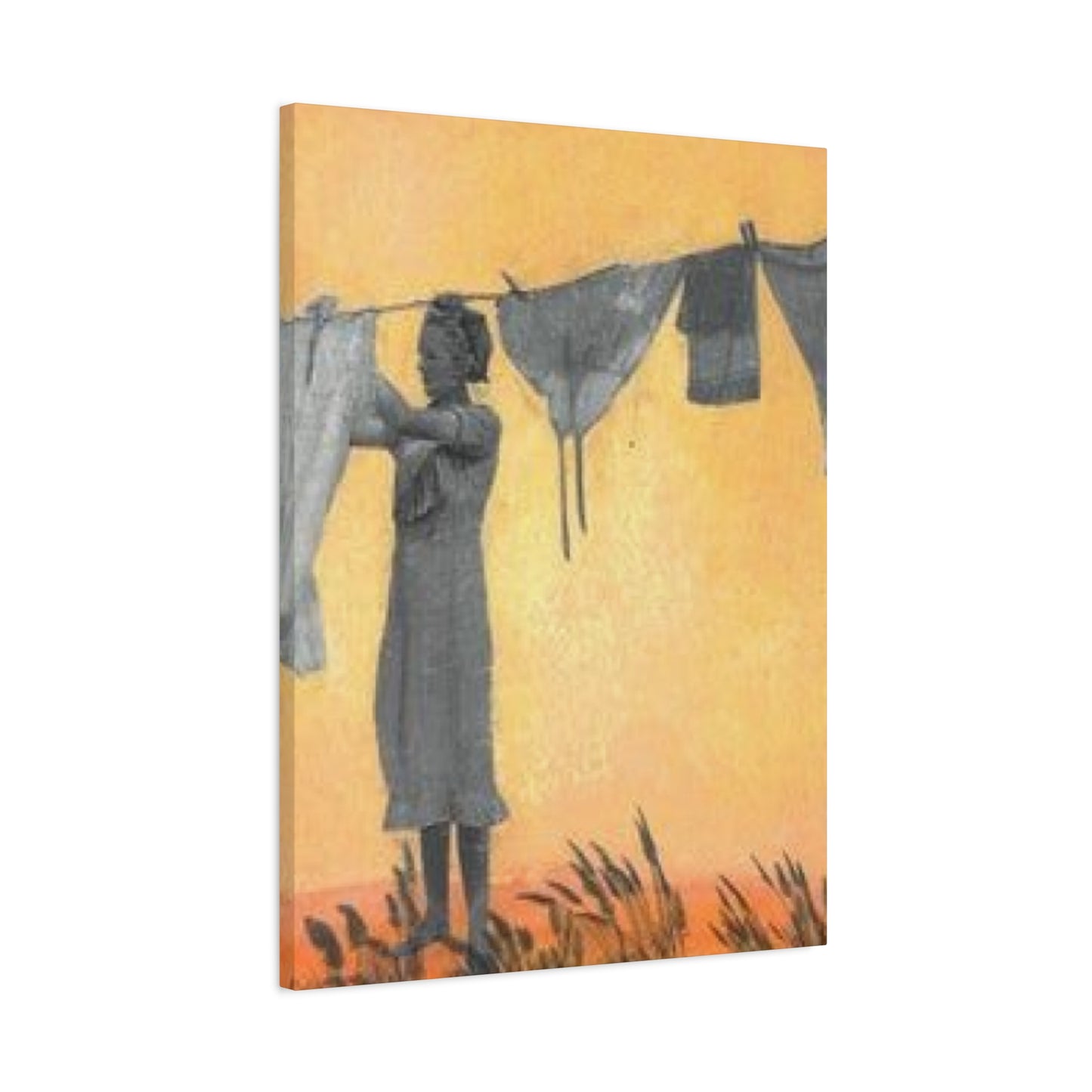
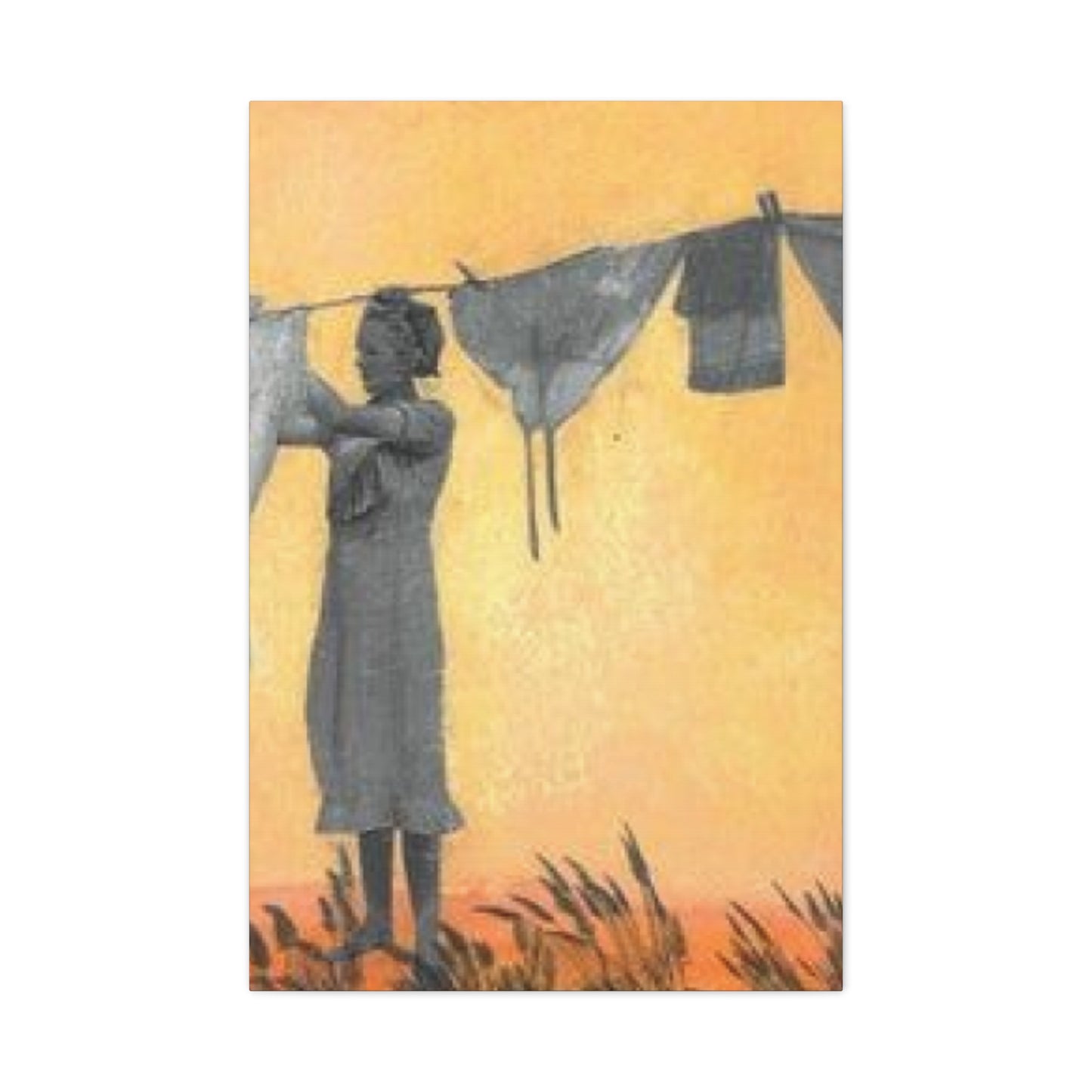
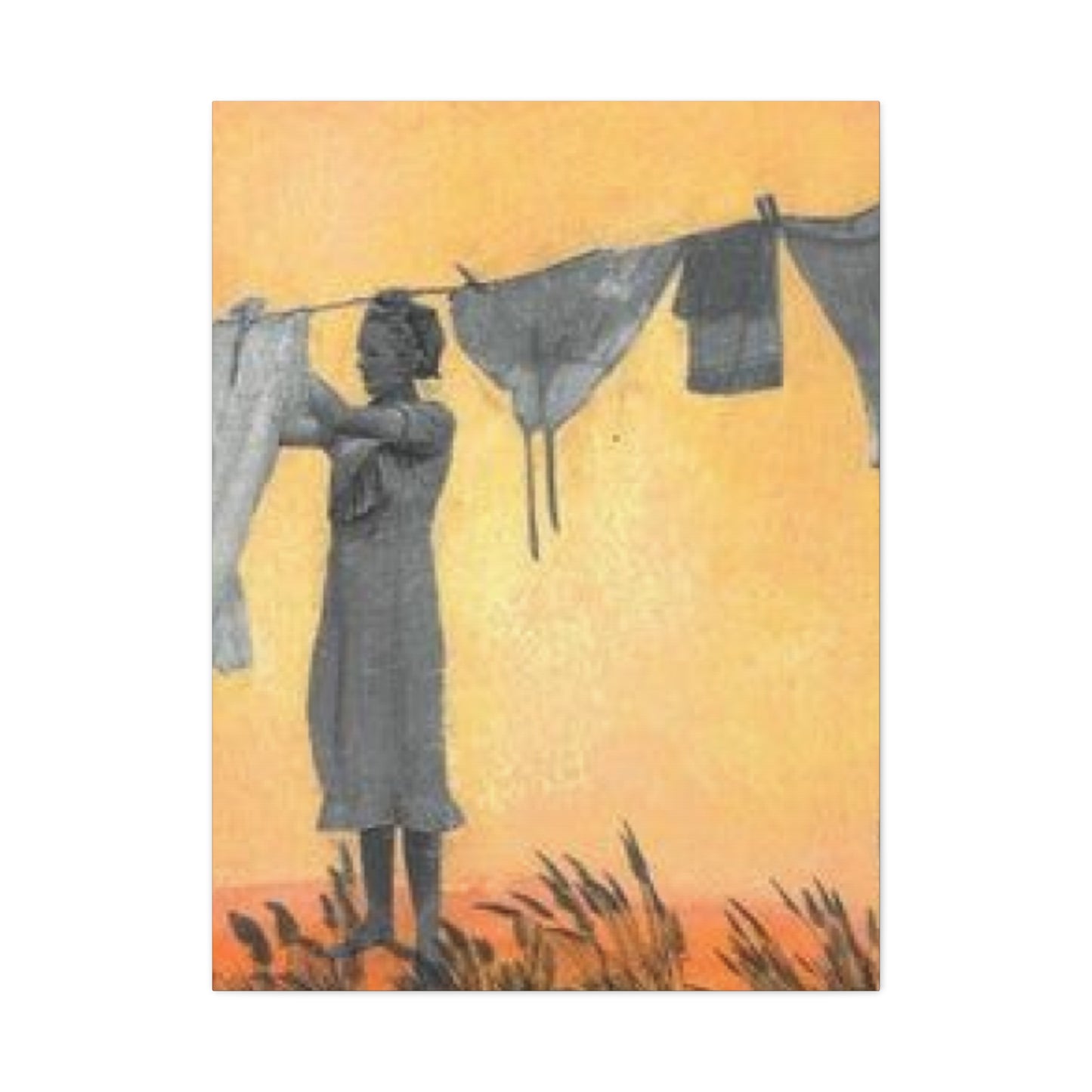
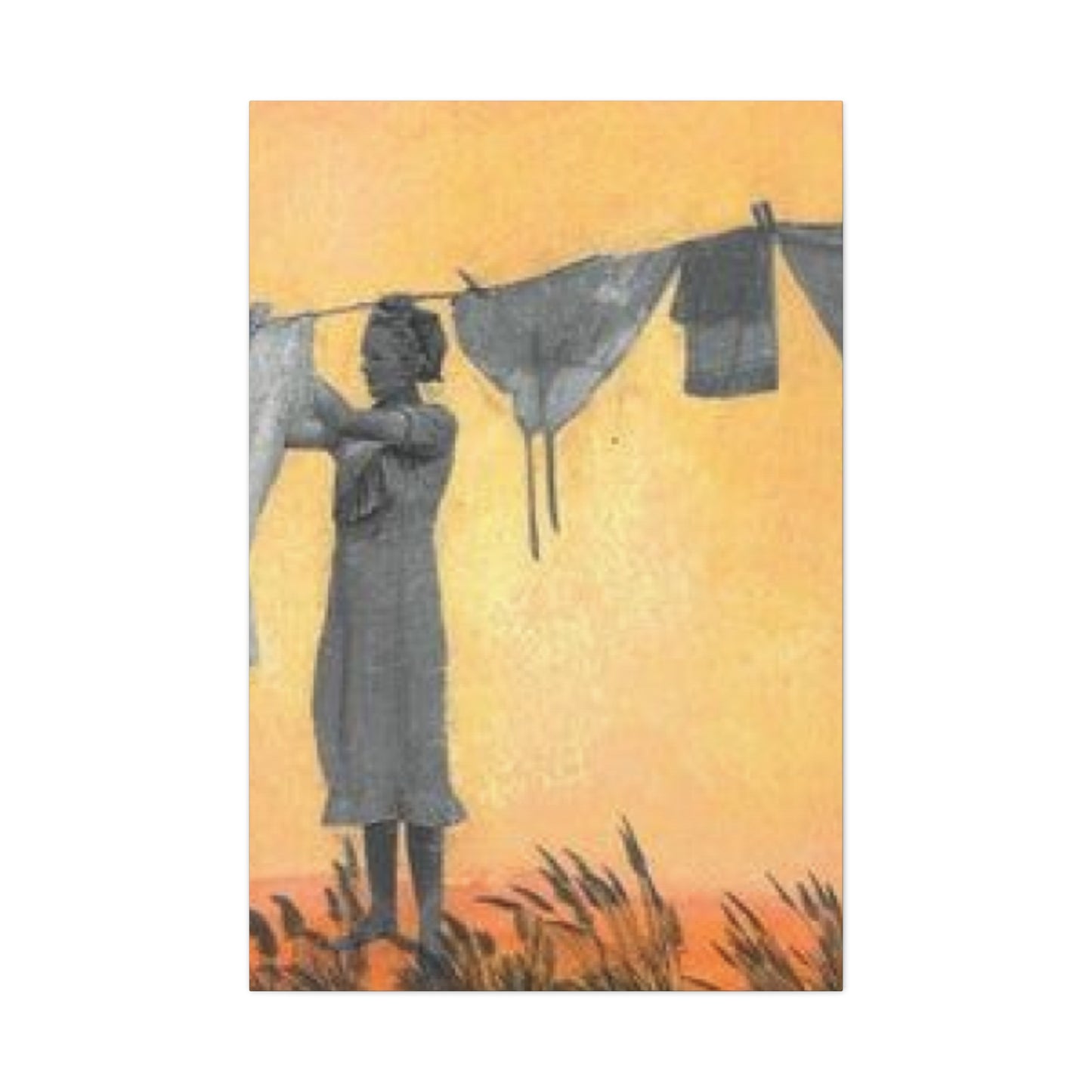
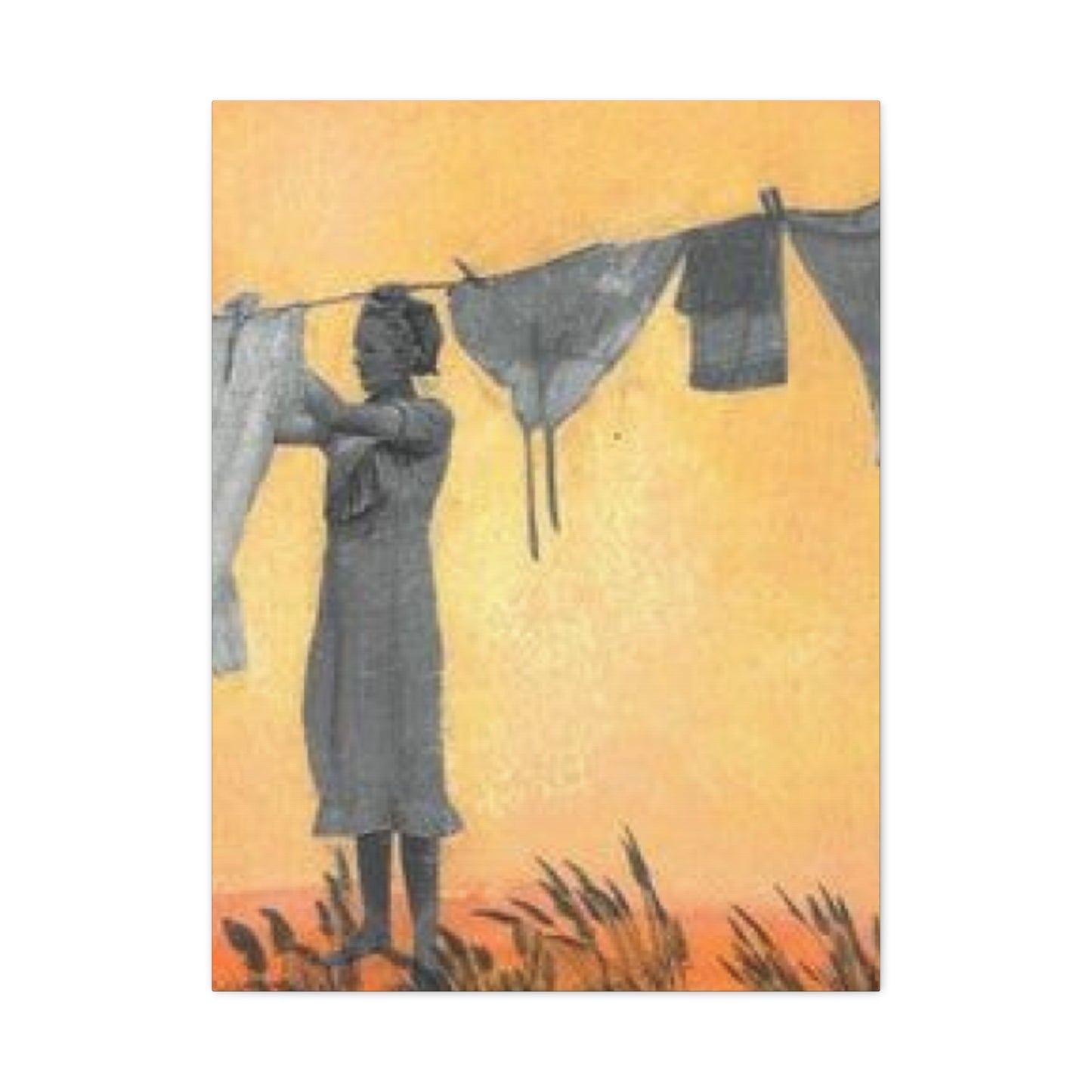

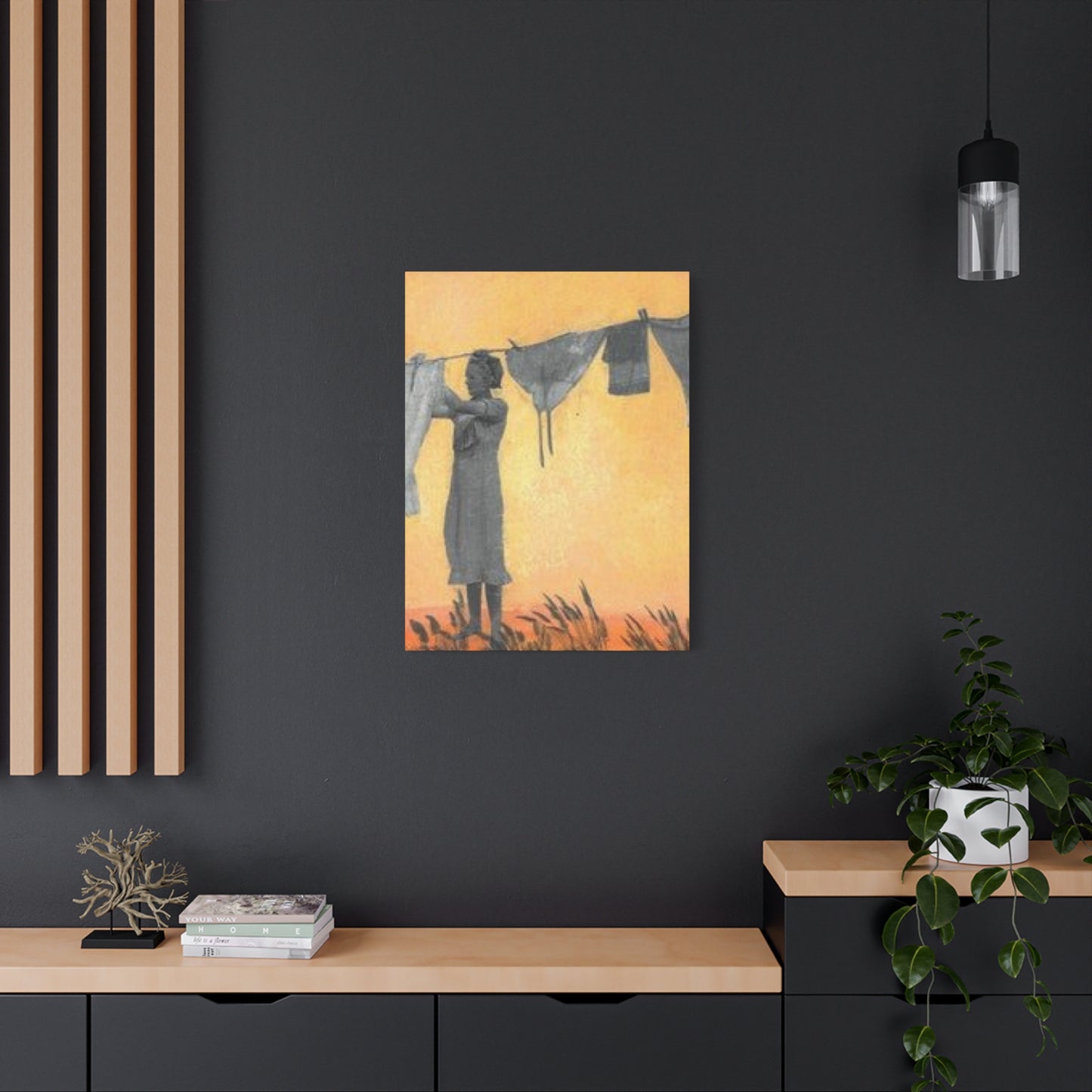
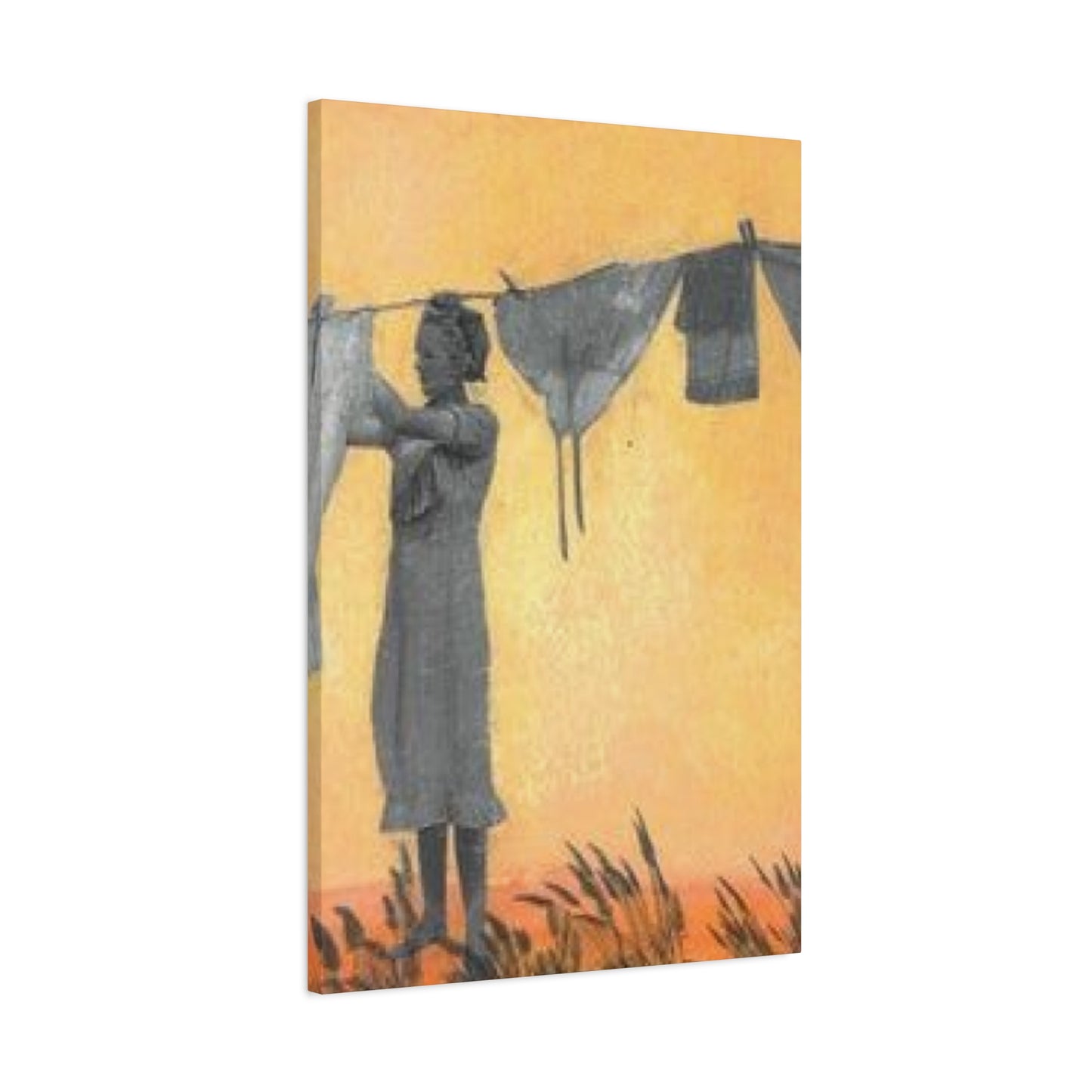
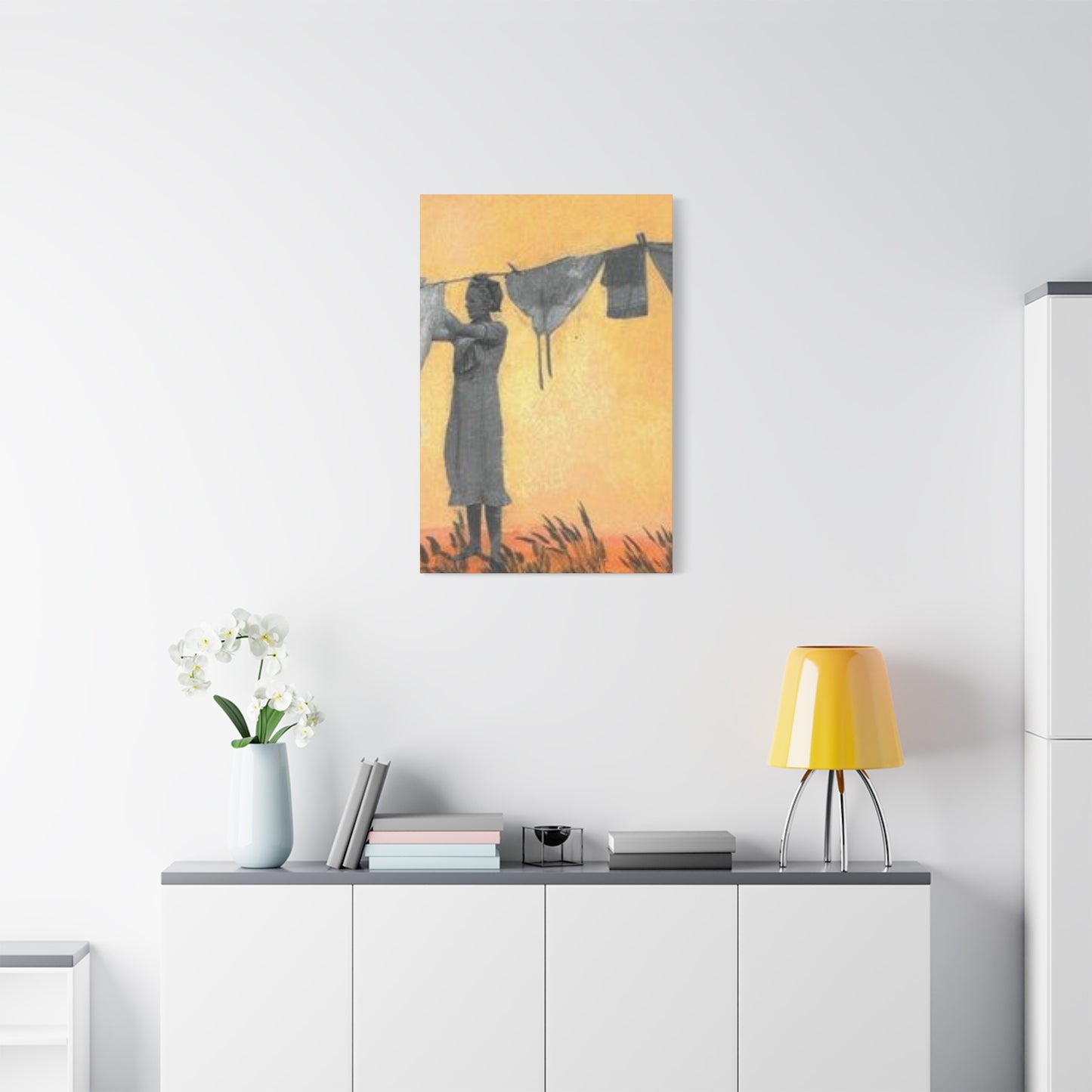
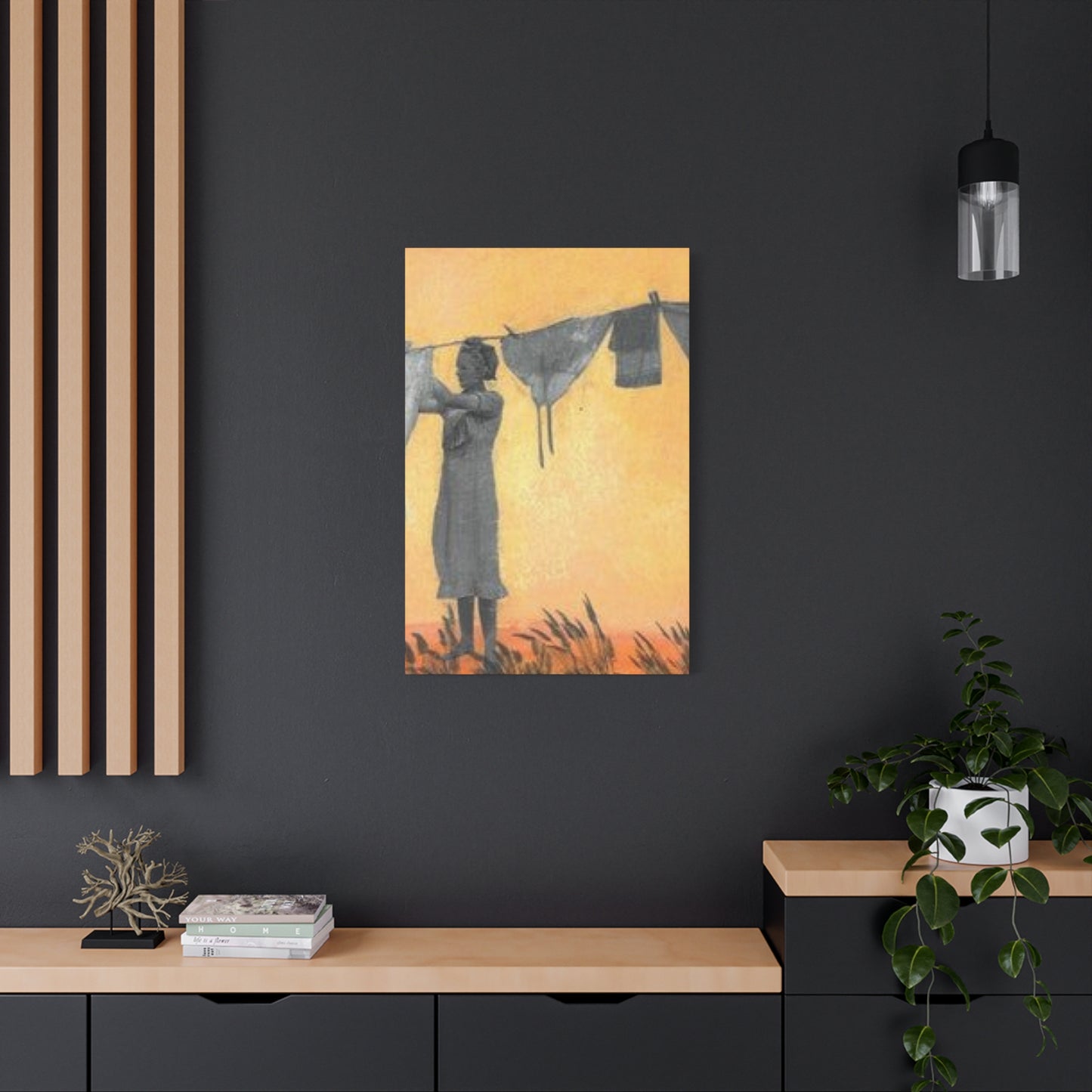
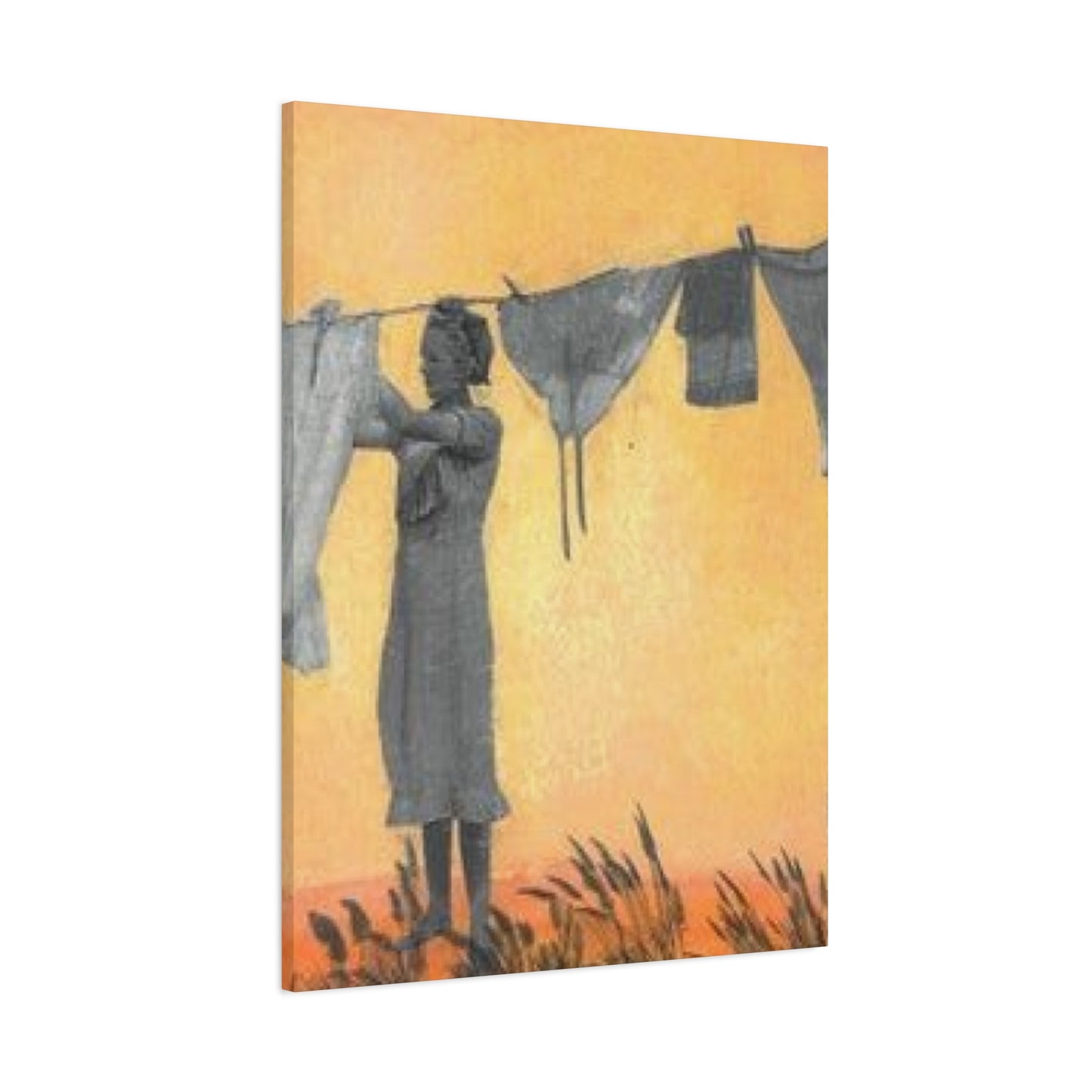
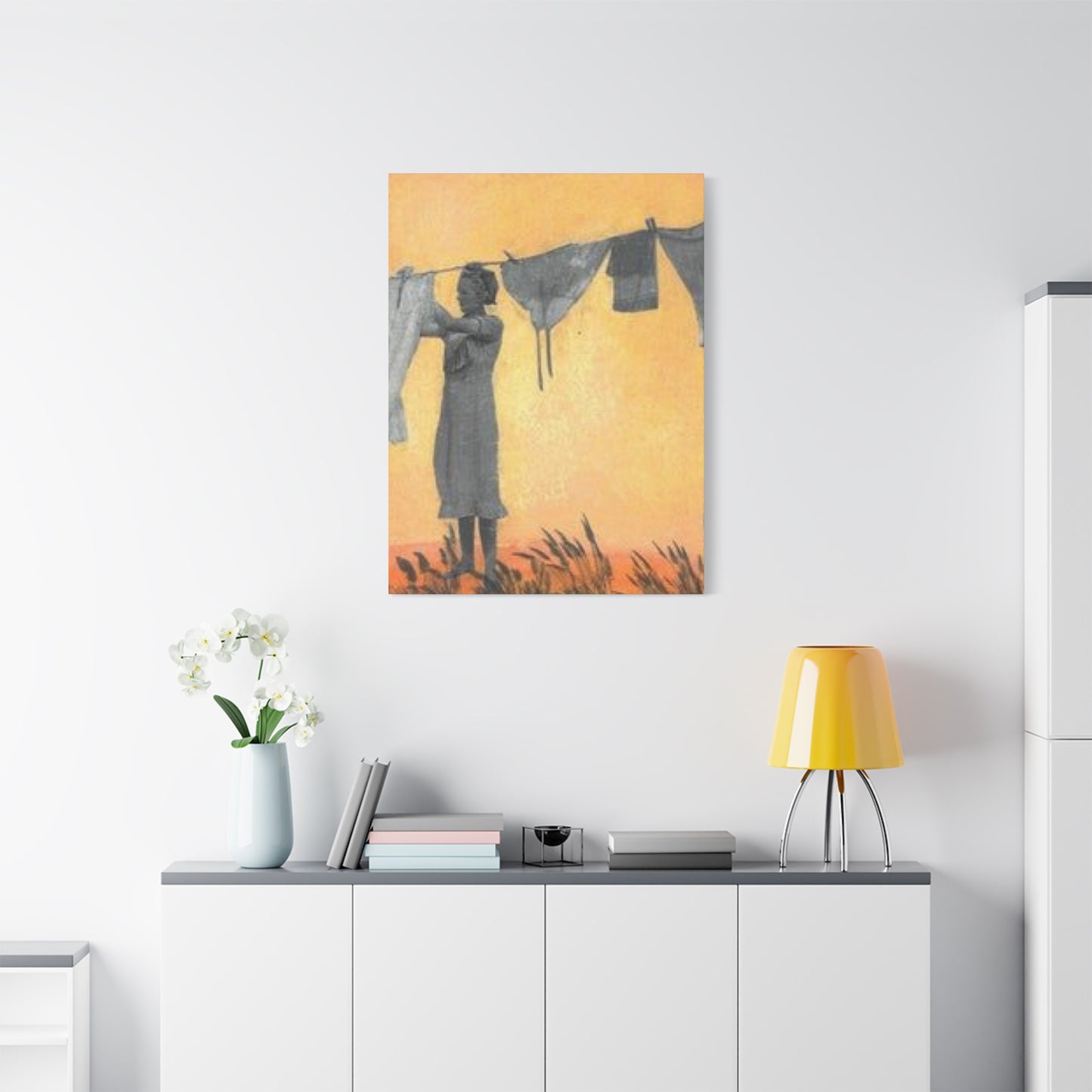

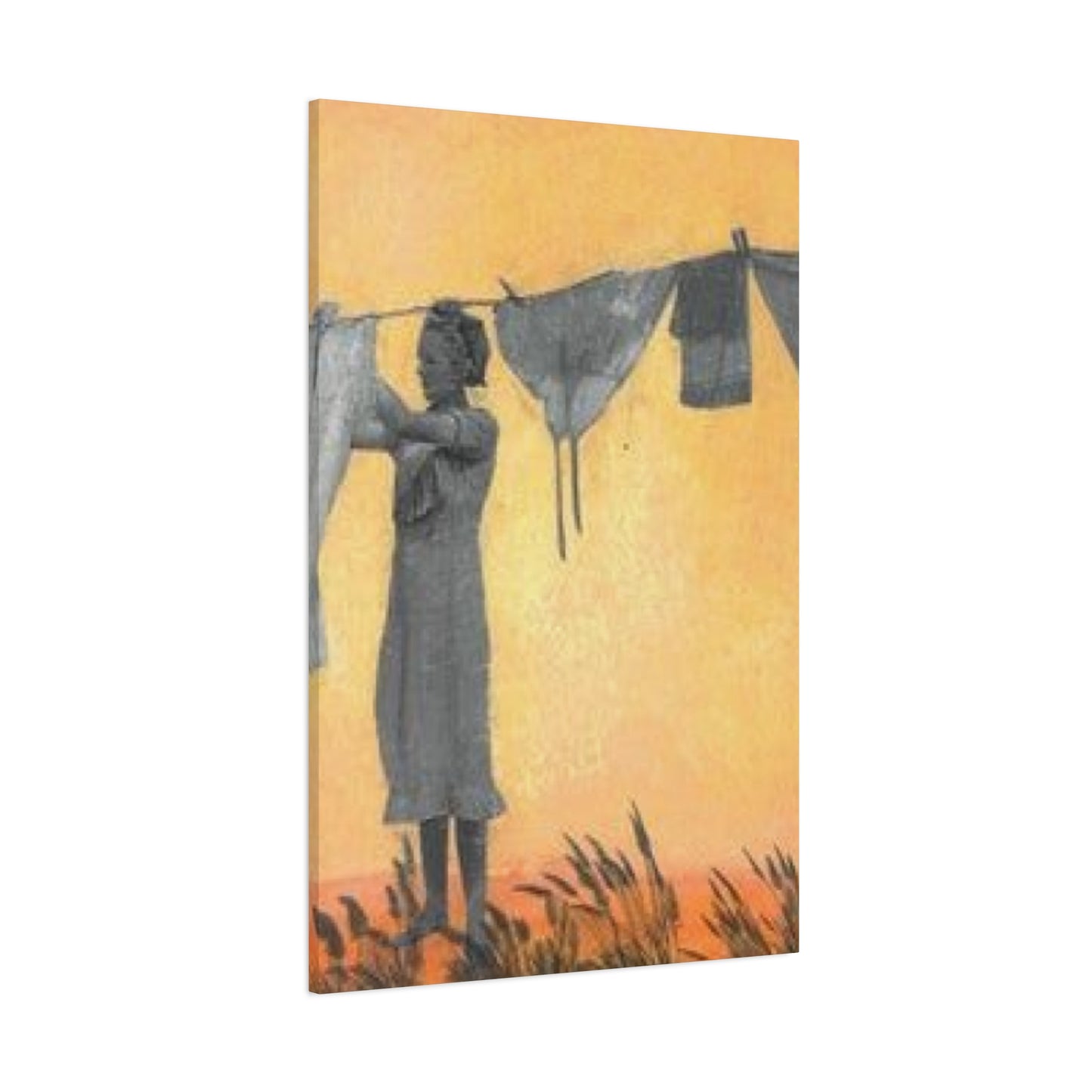

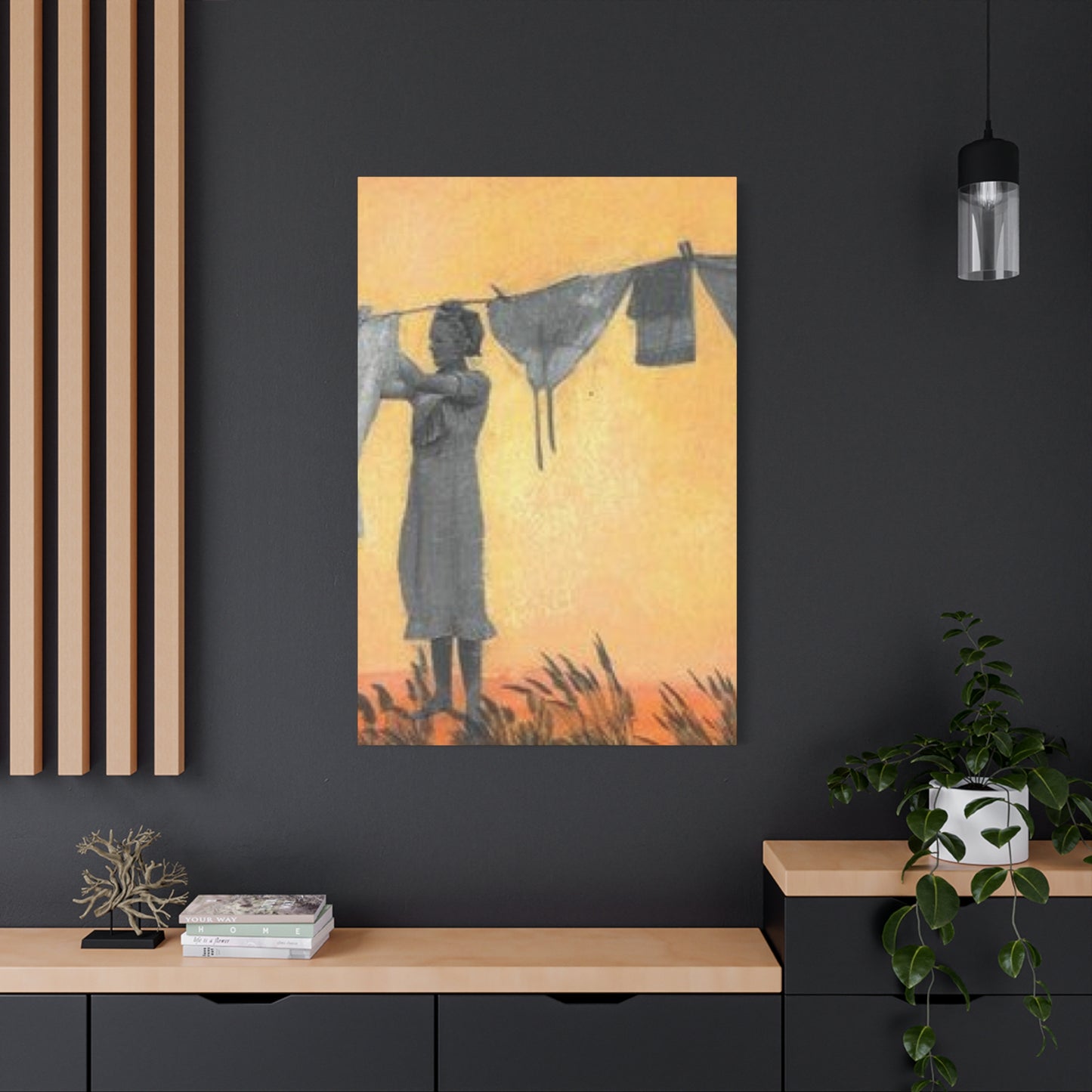
Everyday Grace of Women at Work: How Laundry Wall Art Celebrates the Quiet Strength of Women
The portrayal of women engaged in the activity of drying clothes has become an increasingly recognized subject matter within contemporary visual expression. This seemingly mundane domestic activity carries profound cultural weight that extends far beyond its surface appearance. Throughout various societies and historical periods, the image of a woman tending to freshly washed garments has served as a powerful visual metaphor for continuity, care, and the preservation of family life.
In many traditional communities across the globe, the act of washing and drying clothes represented more than just a necessary household task. It was a social ritual that brought women together, creating spaces for conversation, community building, and the transmission of cultural knowledge from one generation to the next. Artists who choose to capture these moments in their work are not merely documenting a chore; they are preserving a slice of social history that speaks to the collective experience of women across different cultures and time periods.
The visual representation of this activity in wall art serves multiple purposes within contemporary interior spaces. For some viewers, these artworks evoke nostalgia for simpler times or memories of maternal figures who performed these tasks with dedication and care. For others, they represent an acknowledgment of the often invisible labor that sustains households and families. The aesthetic appeal of laundry drying in the breeze, with fabric billowing against sky or landscape, provides artists with rich opportunities to explore color, movement, and form.
Contemporary artists approaching this subject matter often infuse their work with layers of meaning that invite viewers to reconsider their assumptions about domestic work. Rather than dismissing these scenes as quaint or outdated, modern interpretations frequently emphasize the dignity inherent in such labor. The careful attention given to depicting the posture of women as they reach upward to hang clothes, the play of light through wet fabric, and the surrounding environment all contribute to elevating this everyday activity to the realm of fine art worthy of contemplation.
The cultural significance also extends to how different societies view the division of household responsibilities. In regions where communal laundry areas remain common, the scene of multiple women working together becomes a celebration of female solidarity and mutual support. Artists capturing these communal moments create visual documents of social structures that are rapidly disappearing in increasingly urbanized and mechanized societies. These artworks serve as bridges between past and present, reminding contemporary audiences of the human connections that once characterized routine domestic activities.
Furthermore, the persistence of this imagery in contemporary wall art speaks to a broader cultural conversation about the value of domestic labor and its recognition within society. As conversations around unpaid care work and household management gain prominence in public discourse, artistic representations of women engaged in these activities take on new relevance. They challenge viewers to see beauty and significance in actions that have historically been overlooked or undervalued, inviting a reassessment of what deserves artistic attention and cultural celebration.
Laundry Day: A Feminine Perspective in Modern Art
Modern artistic movements have embraced the theme of laundry day through distinctly feminine lenses, offering fresh interpretations that resonate with contemporary audiences while honoring traditional experiences. This perspective acknowledges that for countless women throughout history, the weekly or daily ritual of washing and drying clothes represented a significant investment of time, physical effort, and emotional energy. Modern artists exploring this theme bring nuanced understanding to their work, recognizing both the burden and the potential moments of peace or satisfaction such work could provide.
The feminine perspective in these artworks often emphasizes the sensory experiences associated with laundry day. Visual artists capture the feeling of sun-warmed fabric, the fresh scent of clean clothes drying in open air, and the satisfaction of seeing a line full of garments dancing in the breeze. These sensory elements, when translated into visual form through careful attention to color, texture, and composition, create artworks that engage viewers on multiple levels. The gentle movement suggested by fabric folds and the play of light across different materials become central elements of artistic expression.
Contemporary artists working in this genre frequently draw from their own experiences or those of maternal figures in their lives, bringing authenticity and emotional depth to their representations. This personal connection infuses the work with genuine feeling that viewers can sense and respond to. Rather than creating detached observations of a domestic task, these artists invite audiences into intimate moments that carry personal and collective significance. The result is artwork that functions both as aesthetic object and as vehicle for storytelling and memory preservation.
Modern interpretations also consider how the experience of laundry day has evolved with technological advancement and changing social structures. Some artists create deliberate contrasts between traditional outdoor line-drying and contemporary machine-based methods, using these differences to comment on changing relationships between women and domestic work. Others focus exclusively on traditional methods as a way of preserving and honoring practices that are disappearing from everyday life. These artistic choices reflect broader conversations about progress, tradition, and the value of different ways of living and working.
The feminine perspective also brings attention to the meditative or contemplative aspects that can accompany repetitive domestic tasks. Many women have described finding moments of peace, reflection, or creative thought while engaged in activities like hanging laundry. Artists sensitive to this dimension of the experience create works that convey a sense of calm and presence, inviting viewers to appreciate the potential for mindfulness within everyday activities. The rhythmic, repetitive nature of the task becomes a visual metaphor for meditation and the finding of stillness within daily life.
Additionally, modern artists exploring this theme often engage with questions of identity and how domestic roles shape women's self-perception and societal positioning. By placing these scenes within the context of fine art, they challenge traditional hierarchies that have positioned domestic subjects as lesser than other artistic themes. This act of elevation itself becomes a statement about the worthiness of women's experiences and the importance of making visible what has often remained unseen or unacknowledged in both art and society.
The Beauty of Simplicity: Women in Laundry Wall Art
There exists a profound aesthetic power in the simplicity of scenes depicting women engaged with laundry, a quality that artists have increasingly recognized and explored in wall art. The uncomplicated nature of the subject matter allows for a purity of expression that can be deeply moving and visually compelling. In a world characterized by complexity and constant stimulation, these straightforward depictions offer viewers a respite, a visual pause that invites contemplation and appreciation of life's fundamental activities.
The beauty inherent in these simple scenes stems partly from the honesty of the subject matter. There is no pretense or artifice in the act of hanging clothes to dry; it is presented as it is, without embellishment or dramatization. This authenticity resonates with viewers seeking genuine connection in an age often characterized by surface-level interactions and carefully curated presentations. The woman in the artwork, focused on her task, becomes a symbol of groundedness and authenticity that many find refreshing and reassuring.
Visual simplicity also allows artists to focus intensely on fundamental elements of composition, color, and form. The clean lines of a clothesline, the geometric shapes created by hanging garments, and the negative space between objects all become opportunities for aesthetic exploration. Artists working in minimalist styles find particularly rich material in these scenes, where reduction to essential elements can create powerful visual impact. The interplay between the human figure, the hanging clothes, and the surrounding environment provides endless variations within a fundamentally simple framework.
Color plays a particularly important role in laundry-themed wall art, where the variety of fabric hues against sky or landscape provides natural opportunities for color exploration. Artists can work with harmonious palettes suggesting peace and order, or introduce vibrant contrasts that energize the composition. The white or light-colored linens traditionally associated with laundry create natural focal points and allow for subtle exploration of tone and shadow. These color choices contribute significantly to the overall emotional impact of the work, guiding viewer response in specific directions.
The simplicity of subject matter also makes these artworks remarkably versatile in terms of interior design applications. They complement various decorating styles from farmhouse rustic to contemporary minimalist, serving as visual anchors that don't overwhelm spaces but instead provide gentle points of interest. This adaptability has contributed to the growing popularity of laundry-themed art in residential and commercial settings, where designers appreciate work that adds character without dominating the visual environment.
Moreover, the simplicity of these scenes allows viewers from diverse backgrounds to find personal meaning and connection. Unlike artworks requiring specialized knowledge or cultural familiarity to appreciate, the universal nature of laundry as human activity creates immediate accessibility. Viewers can project their own experiences, memories, and associations onto these simple scenes, making each encounter with the artwork a personal and potentially meaningful experience. This democratic quality, where art speaks across boundaries of education, culture, and socioeconomic status, represents one of the most valuable aspects of simple, honest subject matter.
Domestic Rituals: Depicting Women Hanging Clothes in Art
The ritualistic aspects of domestic life have long fascinated artists seeking to capture the rhythms and patterns that structure daily existence. The act of hanging clothes represents one such ritual, a practice repeated countless times that takes on symbolic significance through its regularity and necessity. Artists depicting these moments recognize that rituals, even seemingly mundane ones, serve important functions in creating order, marking time, and providing opportunities for reflection within the flow of everyday life.
Ritual implies intention and mindfulness, qualities that transform ordinary actions into something more meaningful. When artists choose to depict women hanging clothes, they often emphasize the deliberate, careful nature of the activity. The positioning of hands as they secure fabric to the line, the thoughtful spacing of garments to allow for air circulation, and the assessment of weather conditions all suggest a practiced knowledge that comes from repetition. These details, when captured artistically, communicate respect for the skill and attention involved in even basic household tasks.
The cyclical nature of laundry as a ritual connects it to larger patterns of time and seasonal change. Clothes must be washed regularly, creating a recurring rhythm that structures weeks and months. Artists attuned to this temporal dimension sometimes incorporate seasonal markers into their work, showing how the same ritual looks different against spring blossoms, summer abundance, autumn harvest, or winter starkness. This connection to natural cycles adds depth to the depiction, suggesting that domestic rituals tie households to the broader rhythms of the natural world.
Many cultural traditions have developed specific practices around laundry, and artists drawing from particular cultural backgrounds often incorporate these distinctive elements into their work. The type of containers used for carrying wet clothes, the configuration of drying lines or racks, the accompanying tools and implements, and even the day of week traditionally designated for washing all vary across cultures. By including these culturally specific details, artists create work that honors particular traditions while also highlighting the universal nature of the underlying human need that the ritual addresses.
The social dimensions of laundry rituals also feature prominently in artistic depictions. In many communities, laundry time provided opportunities for women to gather, share news, offer mutual support, and strengthen social bonds. Artists capturing these communal moments create visual records of female solidarity and the informal networks that sustained women through challenges and celebrated joys. These group scenes often convey a sense of camaraderie and shared purpose that contrasts with more isolated contemporary experiences of domestic work.
Furthermore, the ritual of hanging clothes connects to broader themes of care and nurturing that characterize much domestic labor. The attention given to properly cleaning, drying, and maintaining clothing reflects concern for family wellbeing and pride in providing for loved ones. Artists sensitive to these emotional undercurrents create work that honors the caregiving aspects of domestic rituals, recognizing them as expressions of love and commitment rather than mere obligations. This reframing helps viewers appreciate the emotional and relational dimensions of activities they might otherwise dismiss as simple chores.
From Household Chores to Artistic Expression
The transformation of household chores into subjects worthy of artistic expression represents a significant shift in how both artists and audiences understand what deserves attention and celebration in visual art. For much of art history, domestic activities performed primarily by women were considered too ordinary or insignificant to merit serious artistic treatment. The elevation of these subjects challenges long-held assumptions about artistic value and opens new possibilities for representing the fullness of human experience across all spheres of life.
This transformation reflects broader changes in social consciousness and artistic philosophy. As feminist movements drew attention to the devaluation of women's work and experiences, artists began deliberately choosing subjects that had been marginalized or ignored. Depicting women hanging laundry became, in some contexts, an act of reclamation and assertion, insisting that these experiences and this labor matter enough to be memorialized in art. The political dimensions of such choices should not be understated, as they represent challenges to established hierarchies of subject matter and value.
The artistic possibilities inherent in laundry scenes are remarkably rich when approached with imagination and skill. The movement of fabric in wind, the geometric patterns created by hanging garments, the interplay of light and shadow, the human form in various postures of reaching and arranging—all offer tremendous potential for visual exploration. Artists working in different styles from realism to abstraction find abundant material in these scenes, proving that the subject's artistic value lies not in its social prestige but in its inherent visual and emotional potential.
Contemporary artists approaching these subjects often employ techniques and perspectives that further elevate the material beyond simple documentation. Close-up views that focus on hands manipulating fabric, dramatic lighting that creates mood and atmosphere, unexpected angles that defamiliarize the familiar, and bold color choices that emphasize aesthetic over literal representation all serve to assert the artistic legitimacy of the subject matter. These stylistic choices demonstrate that how something is depicted matters as much as what is depicted in determining artistic significance.
The journey from chore to art also involves a reconsideration of beauty and where it can be found. Rather than looking exclusively to grand landscapes, dramatic events, or idealized figures, artists turning attention to domestic scenes suggest that beauty and significance exist in the everyday, the ordinary, and the overlooked. This democratization of artistic subject matter aligns with broader cultural movements toward recognizing value in diverse experiences and perspectives rather than privileging narrow definitions of what matters.
Additionally, the transformation creates opportunities for dialogue between artists and audiences about shared human experiences. Unlike subjects that require specialized knowledge or particular cultural capital to understand and appreciate, laundry is nearly universally familiar. This familiarity creates accessibility, allowing artists to communicate with broad audiences while still exploring complex themes. The recognition factor—viewers seeing something from their own lives represented in art—can be powerful, validating personal experiences and suggesting that all of life, not just its exceptional moments, contains meaning worth contemplating.
Celebrating Women Through the Act of Laundry
Using the imagery of laundry as a vehicle for celebrating women represents a nuanced artistic approach that acknowledges both the challenges and the dignity of women's experiences. This celebration does not romanticize or trivialize the labor involved but rather insists on recognizing the skill, dedication, and importance of work that has historically been taken for granted. By making women engaged in this activity the subject of artistic attention, creators implicitly argue for the value and worthiness of both the women and their work.
Celebration in this context means making visible what has often remained unseen. Much domestic labor occurs in private spaces, performed by women whose contributions go unacknowledged except in their absence. Artistic representations that bring these private moments into public view perform a crucial function of acknowledgment. They say to viewers: this work matters, these women matter, and these moments of daily life carry significance worthy of our attention and contemplation. The very act of artistic representation becomes a form of honoring and celebration.
The celebration also encompasses the strength, capability, and resilience demonstrated by women in performing demanding physical labor. Hanging wet laundry requires physical strength and endurance, particularly when working with heavy fabrics or large quantities. Artists who capture the physicality of the task, showing women's bodies engaged in purposeful movement and effort, celebrate female strength in its many forms. This stands in contrast to artistic traditions that have often depicted women as passive, decorative, or helpless, offering instead images of active, capable women engaged in productive work.
Many artists celebrating women through laundry imagery also emphasize the creativity and aesthetic sensibility women bring to even routine tasks. The arrangement of colors on a line, the pleasing visual patterns created by thoughtful placement, and the pride taken in producing clean, well-maintained clothing all reflect aesthetic awareness. By highlighting these elements, artists suggest that creativity and artistic expression exist throughout daily life, not only in activities officially designated as creative. This recognition validates forms of creativity that have often been dismissed or overlooked.
The intergenerational transmission of knowledge and skill represents another dimension of celebration in these artworks. Many pieces depict older and younger women working together, with the elder teaching and the younger learning the practices that will sustain the next generation. These scenes celebrate the continuity of women's knowledge traditions and the bonds between generations of women. They acknowledge that education and cultural transmission occur not only in formal institutions but also in the everyday spaces where women work side by side.
Furthermore, celebrating women through laundry art creates opportunities to honor specific women who might otherwise remain anonymous to history. Some artists create works inspired by particular women they have known—mothers, grandmothers, aunts, neighbors—whose daily labors sustained families and communities. By transforming these specific women into subjects of art, creators ensure that their contributions are remembered and valued. Even when the depicted women are unnamed or generalized, the artistic treatment suggests that all women who have performed such labor deserve recognition and respect for their essential contributions to family and social wellbeing.
Laundry as a Symbol of Feminine Labor in Wall Art
The symbolic dimensions of laundry in artistic representation extend far beyond the literal activity depicted, serving as a powerful stand-in for the broader category of feminine labor and its complex position within social and economic structures. When artists choose laundry as their subject, they often intend for viewers to see not just the specific task but to think more broadly about unpaid domestic work, caregiving, and the sustaining labor that makes other forms of work and productivity possible. This symbolic function transforms seemingly simple artworks into vehicles for social commentary and reflection.
Feminine labor, particularly domestic work, occupies a paradoxical position in most societies. It is absolutely essential for the functioning of families and communities, yet it typically goes uncompensated and unrecognized in economic calculations. Laundry, as one component of this larger category of work, becomes an effective symbol because it is so clearly necessary and demanding yet so often invisible to those who benefit from it. Artists leveraging this symbolic potential create works that challenge viewers to reconsider assumptions about value, contribution, and what counts as important work worthy of recognition.
The repetitive, never-ending nature of laundry makes it particularly apt as a symbol for domestic labor more broadly. Clothes become dirty and must be washed again and again; there is no final completion, no permanent achievement, only the ongoing cycle of need and response. This quality resonates with many aspects of caregiving and household maintenance, where work is continuous rather than discrete, process rather than product. Artists emphasizing this cyclical dimension invite reflection on the particular challenges of labor that never concludes and achievements that must be constantly renewed.
The physical demands of laundry, especially in contexts without modern appliances, also serve symbolic functions. The carrying of water, the manual scrubbing, the wringing out of heavy wet fabric, and the reaching and stretching required to hang clothes all represent significant physical effort. By depicting these physical dimensions, artists symbolically represent the bodily toll of domestic labor and challenge the misconception that such work is easy or undemanding. The bodies of women in these artworks, shown in various postures of effort and engagement, become symbols of strength and endurance.
Water as an element in laundry carries its own symbolic associations that enrich the artistic representation. Water represents purification, renewal, and the washing away of impurity. In the context of laundry, these associations suggest that feminine labor serves a restorative function, making things clean and fresh, preparing family members to face the world anew. Artists attuned to these symbolic dimensions might emphasize water in their compositions, using it as a visual and conceptual element that adds layers of meaning beyond the practical function.
The transformation visible in laundry—from soiled to clean, from wet to dry, from chaotic pile to orderly line—also functions symbolically. This transformation represents the organizing, ordering function that domestic labor performs in family life. The woman hanging clothes becomes a figure who creates order from disorder, who transforms the products of daily living back into resources ready for use. This transformative aspect of feminine labor, often overlooked, becomes visible through the laundry metaphor, allowing viewers to recognize and appreciate the constant work of maintenance and renewal that domestic labor performs.
The Quiet Power of Women Drying Clothes in Art
There exists a particular quality of strength that manifests not through dramatic gestures or loud assertions but through steady, consistent action and presence. Artists capturing women engaged in drying clothes often tap into this quieter form of power, creating works that celebrate strength of a different character than typically emphasized in artistic representation. This quiet power resides in persistence, in showing up day after day to perform necessary tasks, in the reliability and steadfastness that sustains households and families through all circumstances.
The visual representation of quiet power requires artistic subtlety and nuance. Rather than dynamic action or obvious displays of force, artists convey power through posture, through the confidence visible in practiced movements, and through the sense of competence and capability that emanates from figures who know their work and perform it well. The slight forward lean as a woman reaches to hang a garment, the sureness of hands that have performed this action thousands of times, the efficient economy of movement—these visual details communicate mastery and strength without spectacle.
Quiet power also manifests in the way these artworks invite contemplation rather than demanding immediate reaction. Unlike compositions designed for visual impact through drama or contrast, works emphasizing quiet power often use softer tones, gentler compositions, and more subtle visual effects. They reward patient viewing, revealing their depth and significance gradually rather than all at once. This aesthetic approach mirrors the nature of the power being represented, suggesting that true strength doesn't always announce itself loudly but persists regardless of recognition or applause.
The setting often contributes to the sense of quiet power in these artworks. Many depict women working outdoors in natural light, suggesting a harmonious relationship between human activity and natural environment. The woman becomes part of a larger landscape, neither dominating nor dominated but existing in balance with her surroundings. This ecological sensibility implies a form of power that works with rather than against natural forces, that understands and respects the world rather than seeking to control it through brute force.
The solitary nature of many such depictions also emphasizes quiet power. A lone woman tending to laundry, focused on her task without need for audience or validation, projects self-sufficiency and inner direction. She performs her work not for recognition or reward but because it needs doing, because she is capable of doing it, and because she finds meaning in the accomplishment. This independence of spirit, this ability to find purpose in one's own sense of what matters, represents a form of power that resides within rather than depending on external validation.
Furthermore, the quiet power depicted in these artworks often carries spiritual or philosophical dimensions. The meditative quality of repetitive work, the mindfulness required to perform tasks well, and the opportunity for reflection that accompanies manual labor all suggest an inner life of depth and richness. Artists sometimes emphasize these dimensions through facial expressions, body language, or atmospheric effects that suggest contemplation and presence. The woman drying clothes becomes not merely a worker but a thinking, feeling being engaged in activities that nourish both body and spirit, demonstrating that power includes the capacity for reflection and the cultivation of inner resources.
Women's Role in Domestic Life Captured in Wall Art
Artistic representations of women drying clothes necessarily engage with broader questions about women's roles within domestic spheres and how these roles are understood, valued, and represented. These artworks serve as visual documents of women's traditional responsibilities while also offering opportunities to reframe and reconsider how these roles are perceived. Rather than simply accepting historical divisions of labor as natural or inevitable, thoughtful artistic treatment can prompt viewers to think critically about how domestic roles have shaped women's lives and identities.
The documentation function of such art should not be underestimated. As societies change and traditional ways of life disappear, visual records become increasingly valuable for understanding how people actually lived and what their daily experiences entailed. Artworks depicting women engaged in household tasks preserve knowledge about techniques, tools, spatial arrangements, and social contexts that might otherwise be lost. Future generations studying these works will gain insights into domestic life that written records alone cannot provide, seeing the physical reality of women's daily work in visual form.
However, documentation alone does not capture the full significance of these artistic representations. How artists choose to depict domestic roles matters immensely in terms of what messages audiences receive about the value and meaning of such work. Artists who present women's domestic roles with dignity and respect, emphasizing competence and importance, create different effects than those who might sentimentalize or diminish such work. The artistic choices regarding composition, lighting, facial expression, and context all contribute to the overall message about whether domestic roles are burdens to be escaped or valuable contributions worthy of honor.
Contemporary artists grappling with these subjects often bring awareness of feminist critiques of traditional gender roles while still acknowledging the real experiences and identities of women for whom domestic work has been central. This balance requires nuance, recognizing that women's relationships with domestic roles have always been complex, involving both meaningful satisfactions and real limitations. Artworks that capture this complexity avoid simplistic narratives either celebrating or condemning domestic roles, instead presenting them as sites of genuine human experience with multiple dimensions and meanings.
The evolution of domestic roles provides rich material for artistic exploration. Some artists create works that deliberately contrast traditional scenes with contemporary realities, using visual juxtaposition to highlight change and continuity. Others focus exclusively on historical presentations, preserving and honoring practices that have passed. Still others imagine alternative futures or possibilities, using domestic settings as spaces to envision different arrangements of labor and responsibility. Each approach contributes to ongoing cultural conversations about gender, work, and the organization of daily life.
Additionally, these artworks raise questions about the relationship between public and private spheres and women's positioning across this divide. Domestic work occurs primarily in private spaces yet sustains the public lives and accomplishments of other family members. By bringing private domestic scenes into the public sphere of art display, artists challenge the boundaries between public and private, suggesting that what happens in domestic spaces deserves public recognition and discussion. This movement from private to public constitutes an important intervention in debates about whose work and which experiences merit social attention and valorization.
Everyday Scenes: Women in Laundry Art
The artistic focus on everyday scenes represents a philosophical choice about what aspects of human experience deserve careful attention and representation. By selecting mundane, regular activities rather than exceptional events or dramatic moments, artists working with laundry themes assert that the everyday contains its own significance and beauty. This perspective challenges cultural tendencies to value only the extraordinary, suggesting instead that daily life in all its ordinariness offers profound material for artistic exploration and viewer engagement.
The familiarity of everyday scenes creates a particular kind of accessibility in art. Most viewers have direct experience with laundry and can immediately recognize and relate to the depicted activity. This recognition creates an entry point for engagement, allowing viewers to connect personal memories and experiences to the artwork. The painting or drawing becomes not just an aesthetic object but a prompt for remembering, reflecting, and finding personal meaning. This accessibility makes everyday scenes particularly valuable in democratizing art, making it relevant and meaningful to broad audiences regardless of specialized knowledge.
Artists rendering everyday scenes with care and attention communicate that the ordinary deserves the same artistic dedication as more traditionally prestigious subjects. The technical skill, aesthetic sensibility, and thoughtful composition applied to laundry scenes demonstrate that artistic excellence can be found in any subject when approached with seriousness and respect. This leveling of subject matter hierarchies has important implications for what stories get told and whose experiences get represented in cultural production, opening space for a greater diversity of perspectives and experiences.
The repetitive nature of everyday activities like laundry provides opportunities for artists to explore variation within consistency. While the basic activity remains the same, countless variables of season, weather, time of day, emotional state, and specific circumstances create endless possibilities for different artistic interpretations. Artists can return repeatedly to the same basic subject while creating entirely distinct works, each capturing different aspects or qualities of the experience. This capacity for variation within a consistent framework makes everyday subjects particularly rich for sustained artistic exploration.
Everyday scenes also ground viewers in particular times and places, offering specificity that more generalized or idealized subjects cannot provide. The details of everyday life—the types of clothes being hung, the style of containers and tools used, the architecture visible in backgrounds—all situate the scene in specific cultural and historical contexts. These details allow artworks to function as cultural artifacts that preserve information about how people lived while also creating opportunities for viewers to compare different times and places, recognizing both differences and continuities in human experience across various contexts.
Furthermore, the focus on everyday scenes reflects an understanding that life is lived primarily in ordinary moments rather than exceptional ones. Most of existence consists of regular activities, repeated routines, and familiar patterns. By making these the subject of artistic attention, creators acknowledge and validate the texture of actual lived experience. They suggest that meaning and value reside not only in peak moments but throughout the fabric of daily life, encouraging viewers to find significance and beauty in their own ordinary days rather than waiting for or longing after extraordinary experiences.
The Calm of Laundry Day in Feminine Wall Art
Many artistic representations of women drying clothes emphasize a quality of calm and peacefulness that stands in marked contrast to the busy, frantic pace characteristic of much contemporary life. This emphasis on calm serves multiple functions, offering viewers both aesthetic pleasure and an invitation to consider different ways of being and different relationships to work and time. The peaceful atmosphere in these artworks creates spaces of visual rest where viewers can pause and find momentary relief from constant stimulation and demand.
The sources of calm in these artworks are both visual and conceptual. Visually, artists often employ soft color palettes, gentle lighting, and balanced compositions that create harmonious, pleasing aesthetic experiences. The absence of harsh contrasts or jarring elements allows the eye to move smoothly through the composition, resting comfortably rather than being constantly stimulated or challenged. This visual peacefulness creates an immediate sense of calm that viewers respond to even before consciously considering the subject matter.
Conceptually, the calm derives partly from the contained, comprehensible nature of the depicted task. Unlike much modern work that is abstract, endless, or of uncertain value, hanging laundry is concrete, completable, and produces visible results. There is satisfaction in seeing a line full of clean clothes hanging in the sun, a tangible accomplishment that can be appreciated immediately. Artists tapping into this dimension of the experience offer viewers a reminder of the particular satisfactions available in work that produces clear, visible outcomes.
The outdoor settings common in laundry art contribute significantly to the sense of calm. Natural light, open air, and the presence of sky and landscape all invoke associations with nature and its restorative qualities. The woman working outdoors benefits from sun, breeze, and the spaciousness of natural settings, suggesting a form of work that connects rather than separates humans from the natural world. For contemporary viewers often confined to indoor environments and artificial lighting, these outdoor scenes can evoke longing for greater connection to nature and its calming influences.
The rhythm of the work itself, when thoughtfully depicted, conveys calm through its measured, unhurried quality. Unlike frenzied activity or rushed work, hanging laundry can be performed at a steady, sustainable pace. Artists capturing this rhythmic quality might emphasize the repeated motions, the pattern of selecting, hanging, and moving to the next garment. This visual rhythm has almost musical qualities, suggesting that work performed at appropriate pace, without artificial pressure or urgency, can itself be calming rather than stressful.
Additionally, many artists depict women engaged in laundry with expressions and body language suggesting contentment or peaceful absorption in the task. Rather than showing stress, frustration, or unhappiness, these representations present women who appear at peace with their work. While this could be critiqued as romanticizing or sanitizing the reality of demanding physical labor, it can also be understood as emphasizing the potential for any activity to be approached with mindfulness and equanimity. The calm visible in these figures suggests that peace is not only about circumstances but also about one's relationship to whatever one is doing.
Reimagining Domesticity: Women and Laundry in Art
Contemporary artists engaging with domestic themes often approach their subjects with intention to reimagine rather than simply reproduce traditional representations. This reimagining involves questioning inherited assumptions about domestic life, exploring alternative ways of understanding and valuing household work, and creating visual arguments for different ways of organizing daily life and labor. Laundry, as one element of domestic work, becomes a site for this creative reimagining and reconsideration of what domestic life has been and might become.
Reimagining domesticity means looking at familiar subjects with fresh eyes and finding new meanings or possibilities within them. Artists might emphasize aspects of domestic work that have been overlooked or undervalued, such as the creativity, skill, or aesthetic sensibility involved in household tasks. By foregrounding these dimensions, they challenge viewers to reconsider their own assumptions about what domestic work entails and represents. The act of hanging laundry, for example, might be presented not as mindless drudgery but as an opportunity for creative expression, problem-solving, or aesthetic pleasure.
Some artists reimagine domesticity by placing women in domestic settings but subverting traditional visual codes or expectations. This might involve using unexpected colors, unusual perspectives, or contemporary styling that prevents viewers from slipping into comfortable assumptions about what they are seeing. These artistic choices create productive dissonance, forcing viewers to look more carefully and think more critically about the scenes before them. The familiar subject matter provides grounding while the unfamiliar treatment prompts reconsideration and fresh engagement.
The reimagining can also involve highlighting aspects of agency and choice within domestic contexts. Rather than presenting women as trapped or diminished by domestic roles, these artworks might emphasize competence, satisfaction, or the meaningful connections between domestic work and values like care and nurturing. This approach does not deny the real limitations or challenges of traditional gender roles but insists on recognizing the full humanity and complexity of women's relationships with domestic work, including the genuine meanings and satisfactions some women have found in these roles.
Contemporary artists often bring awareness of how domestic arrangements vary across cultures and historical periods, using this awareness to challenge the notion that any particular arrangement is natural or inevitable. By depicting domestic practices from various cultural contexts or imagining alternative possibilities, they demonstrate that domesticity is socially constructed and therefore changeable. This recognition of contingency and possibility opens space for imagining different futures and different ways of organizing household labor and responsibility.
Furthermore, reimagining domesticity involves considering how changes in technology, social organization, and gender norms affect both the reality and the symbolism of domestic work. Some artists explore how traditional domestic practices survive or transform in contemporary contexts, while others use domestic imagery to comment on contemporary issues around work-life balance, division of labor, or the valuation of care work. These explorations connect historical domestic practices to current concerns, demonstrating the continued relevance of thinking carefully about how we organize the daily work of sustaining lives and households.
Abstract Representations of Women Drying Clothes
The movement from representational to abstract approaches in depicting women and laundry opens new artistic possibilities while maintaining connection to the underlying subject matter. Abstract representations allow artists to emphasize particular qualities or concepts associated with the activity rather than providing detailed documentary-style images. Through abstraction, the essence of the experience can sometimes be captured more effectively than through literal depiction, offering viewers encounters with the emotional, conceptual, or spiritual dimensions of the subject.
Abstraction in this context might involve simplification of forms to their most basic geometric elements. The figure of a woman becomes a vertical or curved line suggesting a human presence, hanging clothes become rectangles or organic shapes, the clothesline transforms into a horizontal element organizing the composition. These simplified forms allow artists to focus on fundamental relationships of line, shape, and color without the distraction of representational details. The resulting works communicate essential truths about the subject through formal elements rather than through detailed description.
Color takes on heightened importance in abstract representations, where it must carry meaning and emotion without support from recognizable imagery. Artists working abstractly with laundry themes might use color to evoke the freshness of clean clothes, the warmth of sun-dried fabric, or the satisfaction of completed work. Color relationships within the composition can suggest movement, create mood, or establish visual rhythms that parallel the rhythms of the work being represented. The freedom from literal color constraints allows for expressive, emotional use of the palette.
Movement and gesture become primary vehicles for communication in abstract laundry art. The reaching, stretching, bending movements of hanging clothes can be captured through gestural marks or dynamic compositional elements that convey motion and energy without depicting specific poses. These abstract gestures communicate the physical nature of the work while also potentially suggesting emotional or spiritual dimensions of the experience. The traces of movement preserved in the artwork create visual energy that engages viewers and invites them to sense the activity even without recognizable imagery.
Conclusion
The Everyday Grace of Women at Work: How Laundry Wall Art Celebrates the Quiet Strength of Women is an exploration of the often-overlooked yet profoundly important tasks that shape our lives, particularly through the lens of women’s labor. Laundry, a seemingly mundane daily chore, when captured in art, transforms into a powerful symbol of dedication, resilience, and quiet strength. As we’ve examined, the portrayal of women engaged in the act of laundry doesn’t just represent the physical act of cleaning clothes—it reflects the emotional and psychological labor that often goes unnoticed in everyday life. This unique form of wall art serves as both a celebration and a reminder of the immense contributions women make in both domestic and public spheres.
In many cultures, the act of laundry has historically been linked to women’s roles as caretakers, homemakers, and nurturers. This connection to domesticity is often undervalued, but through art, it takes on a new level of significance. Laundry wall art challenges the stereotypical view of domestic work by elevating it to a form of art that speaks to the strength, grace, and power found in routine tasks. The women depicted in these pieces embody an almost meditative focus—there’s a quiet beauty in their movements, a grace that goes beyond physical action. These images convey the emotional labor of maintaining a home, caring for a family, and keeping things in order, while also celebrating the dignity in these everyday actions.
What makes laundry wall art so compelling is its ability to transform the ordinary into something extraordinary. By capturing moments of stillness and thoughtfulness, these artworks highlight the elegance and resilience embedded in the tasks that often go unseen. The women in these pieces are not just performing household chores; they are portrayed as agents of continuity, strength, and care. They embody the silent power that allows families and communities to thrive, reminding us that strength doesn’t always have to be loud or dramatic—it often resides in the small, repetitive acts of love and responsibility.
In the context of interior design, laundry wall art brings a layer of depth and meaning to a room that might otherwise be overlooked. Whether displayed in a laundry room, a kitchen, or even a more formal living area, these pieces serve as subtle yet poignant focal points that connect us to the daily rhythms of life. Their presence in a space speaks to the importance of acknowledging the quiet work that underpins so much of our lives. These artworks create a sense of warmth and intimacy, offering a reminder of the beauty and power found in the simplest of tasks.
Furthermore, laundry wall art speaks to a growing cultural shift towards recognizing and honoring the diverse roles that women play in our society. While traditional narratives often focus on women’s roles in the public and professional realms, this form of art highlights the importance of domestic labor—showing that the work done behind closed doors is just as valuable, impactful, and worthy of recognition. It celebrates the strength that resides in vulnerability, in routine, and in love. For many, these works are deeply personal—they may reflect their own experiences or serve as an acknowledgment of the women who shaped their lives, whether mothers, grandmothers, or mentors.
In conclusion, the Everyday Grace of Women at Work: How Laundry Wall Art Celebrates the Quiet Strength of Women elevates a simple task into a profound statement of dignity, resilience, and grace. Through this art form, the often-overlooked work of women is given the respect and recognition it deserves. Laundry, as depicted in these works, becomes more than just a chore—it becomes a symbol of the emotional and physical labor that keeps our homes, families, and communities moving forward. In doing so, it offers a reminder that true strength often lies in the quiet moments, the small tasks, and the everyday acts of care that form the foundation of our lives.


