


Women With Joint Marijuana Wall Art & Canvas Prints
Women With Joint Marijuana Wall Art & Canvas Prints
Couldn't load pickup availability
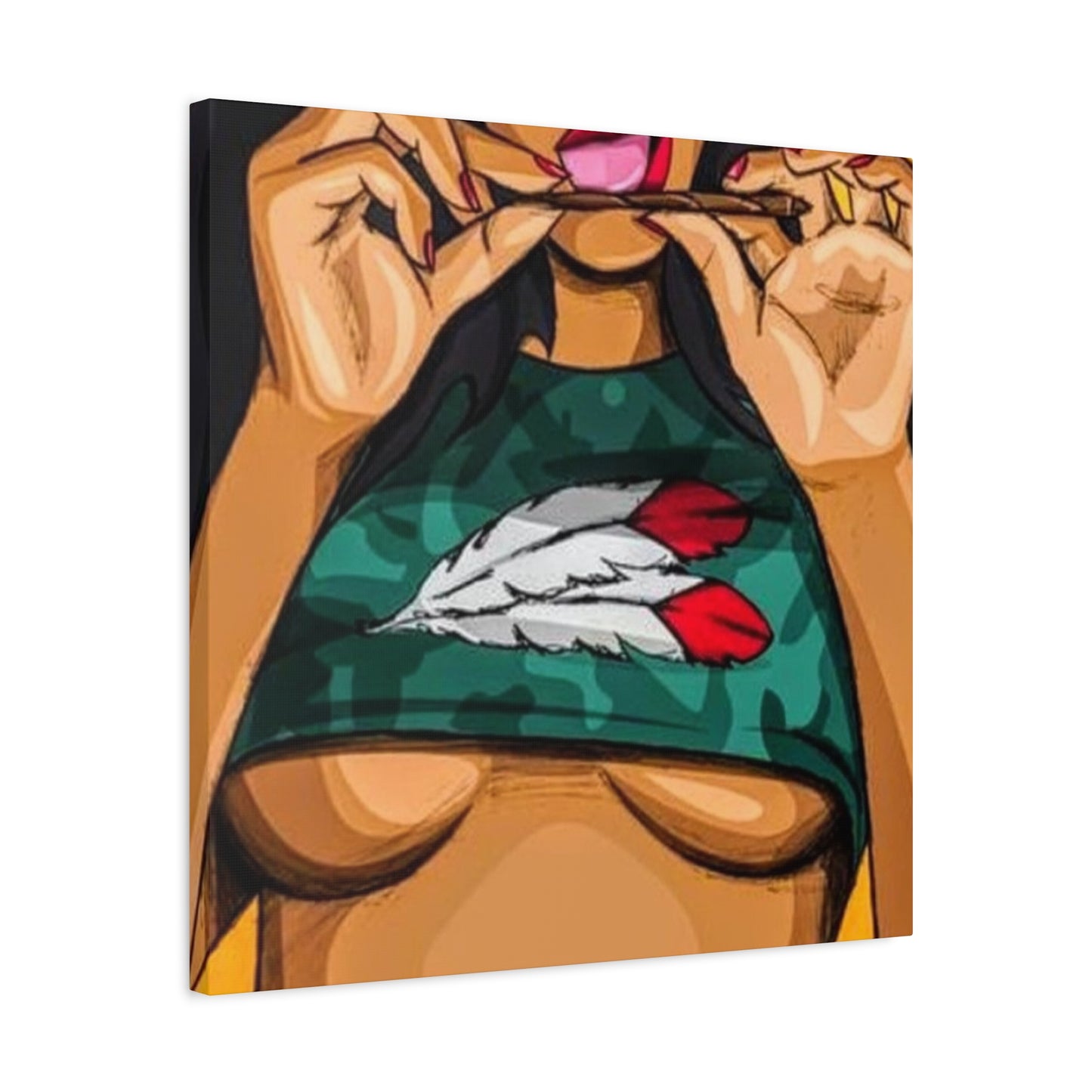
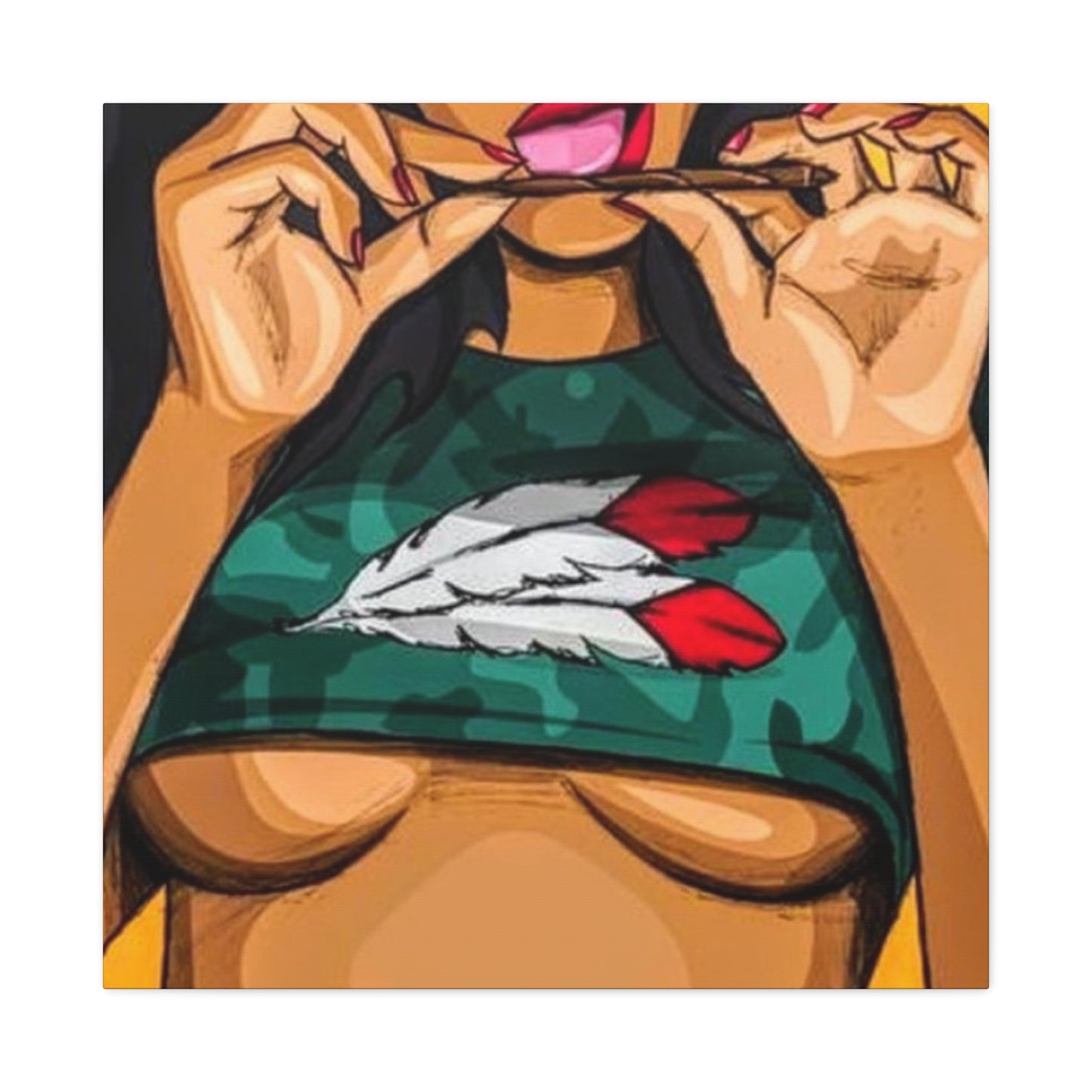
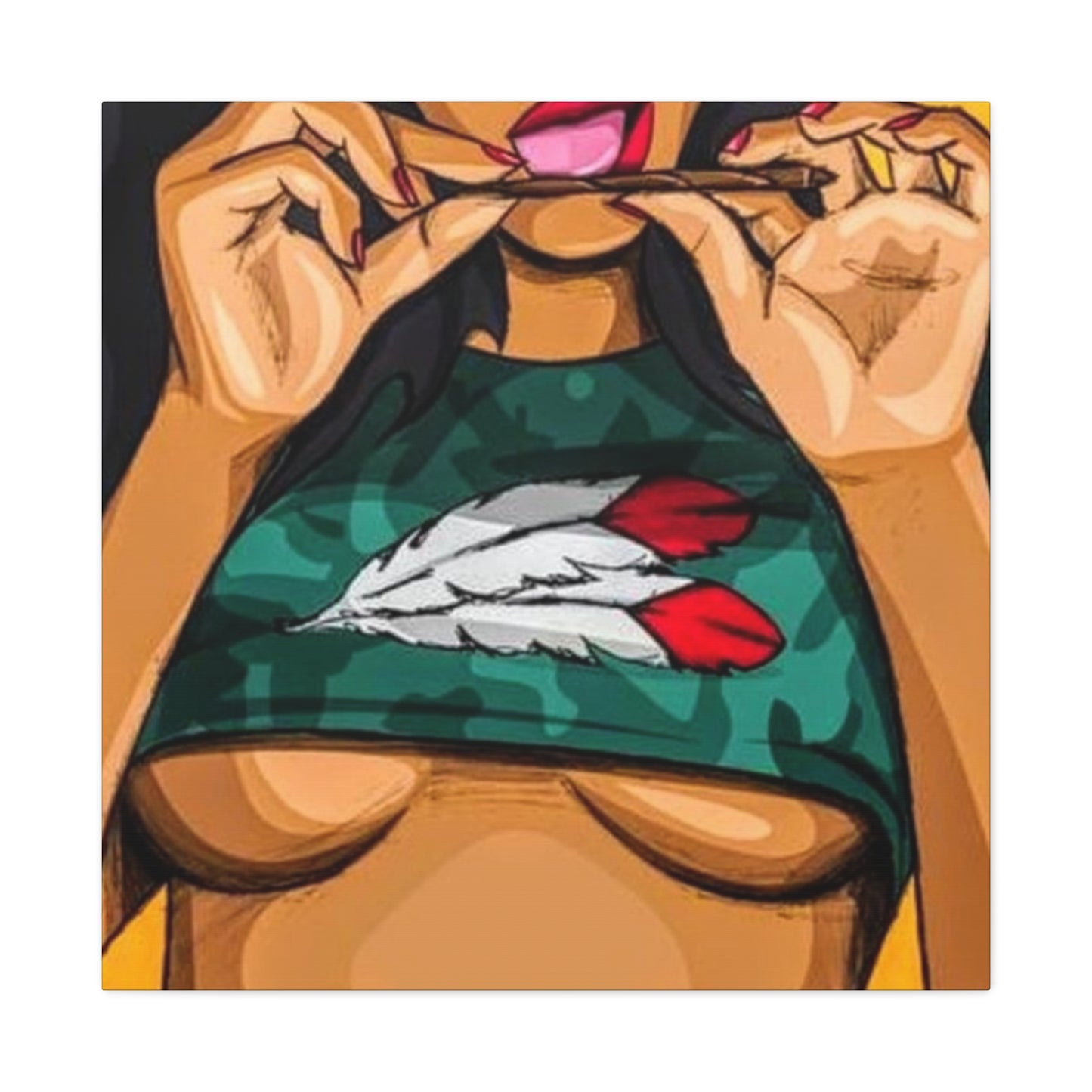
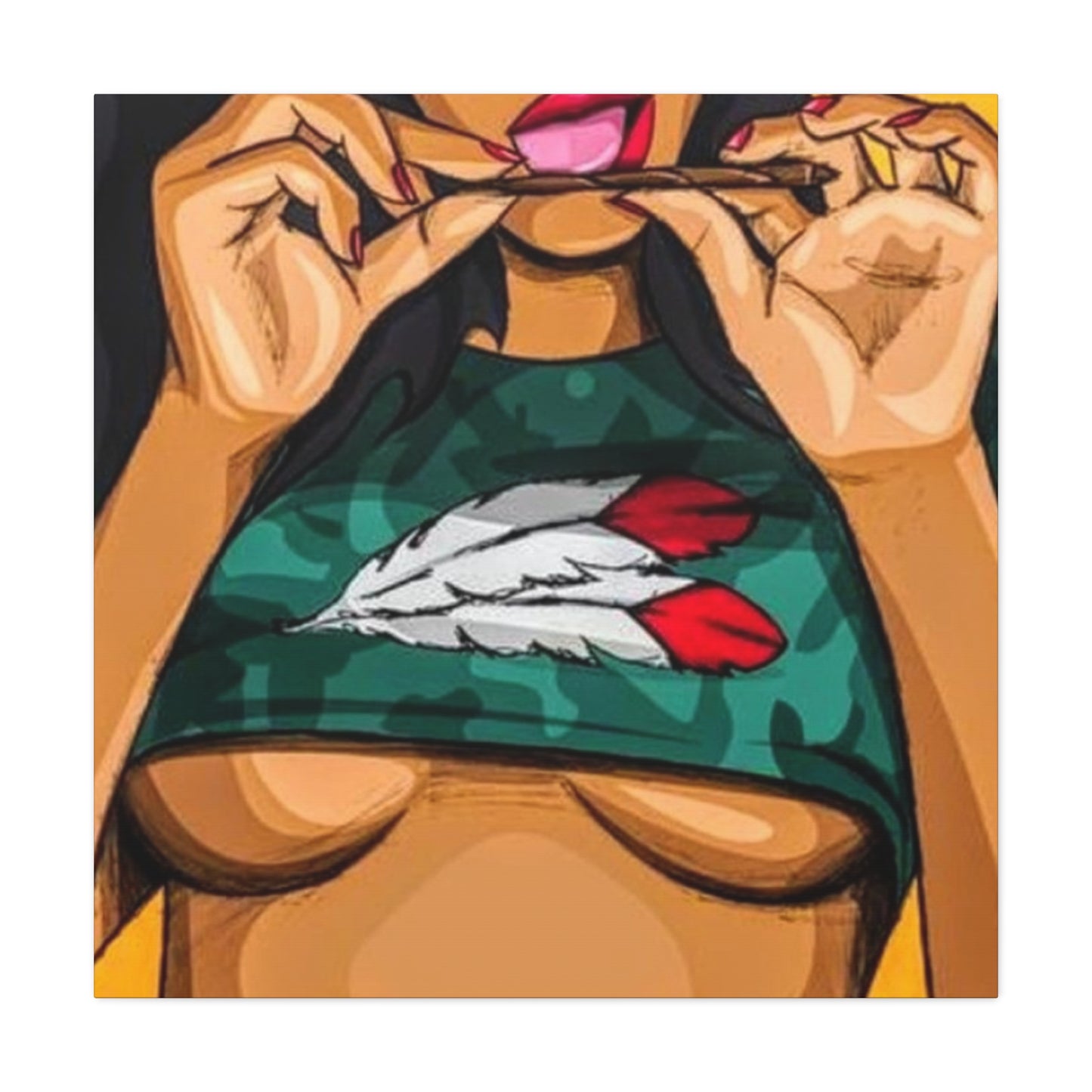
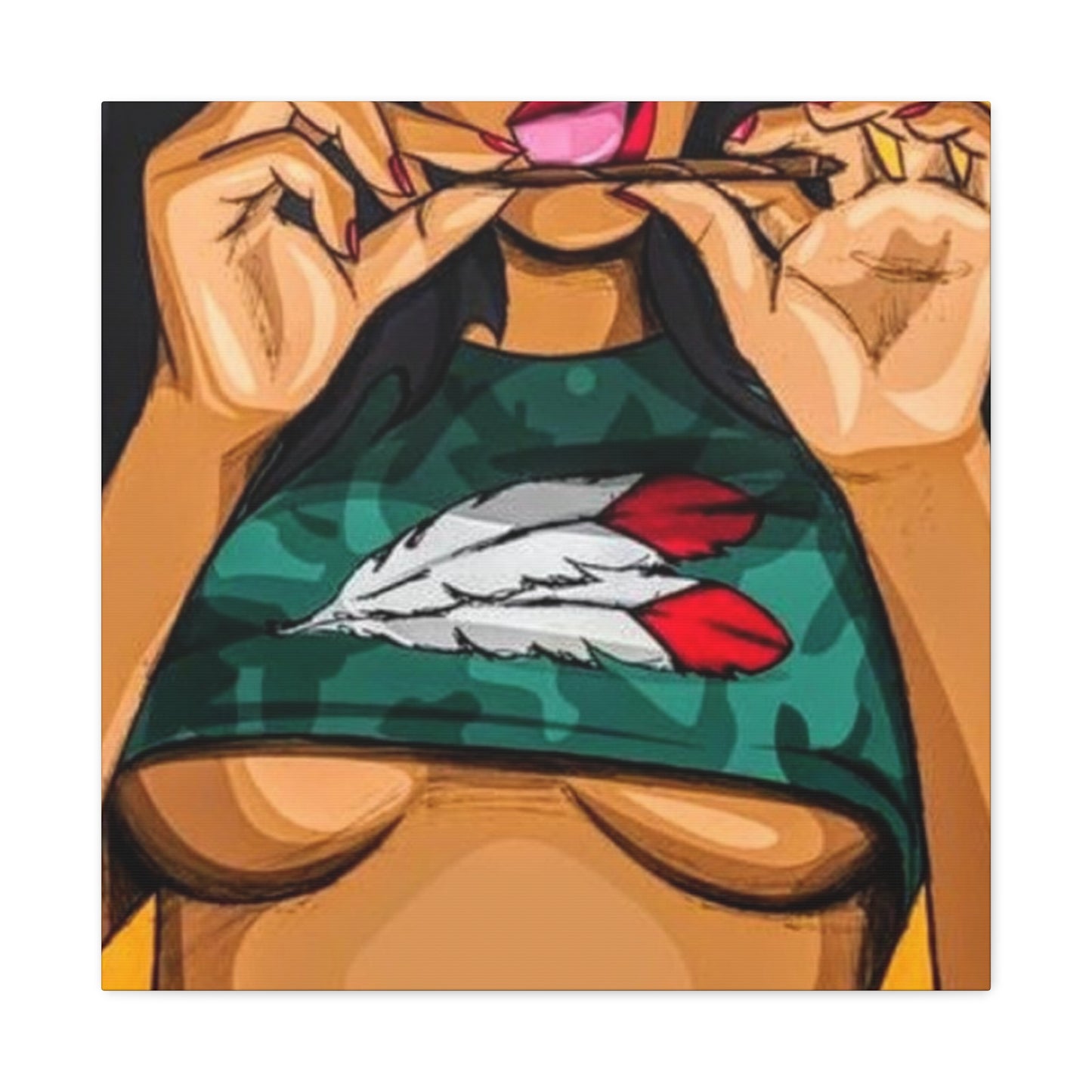
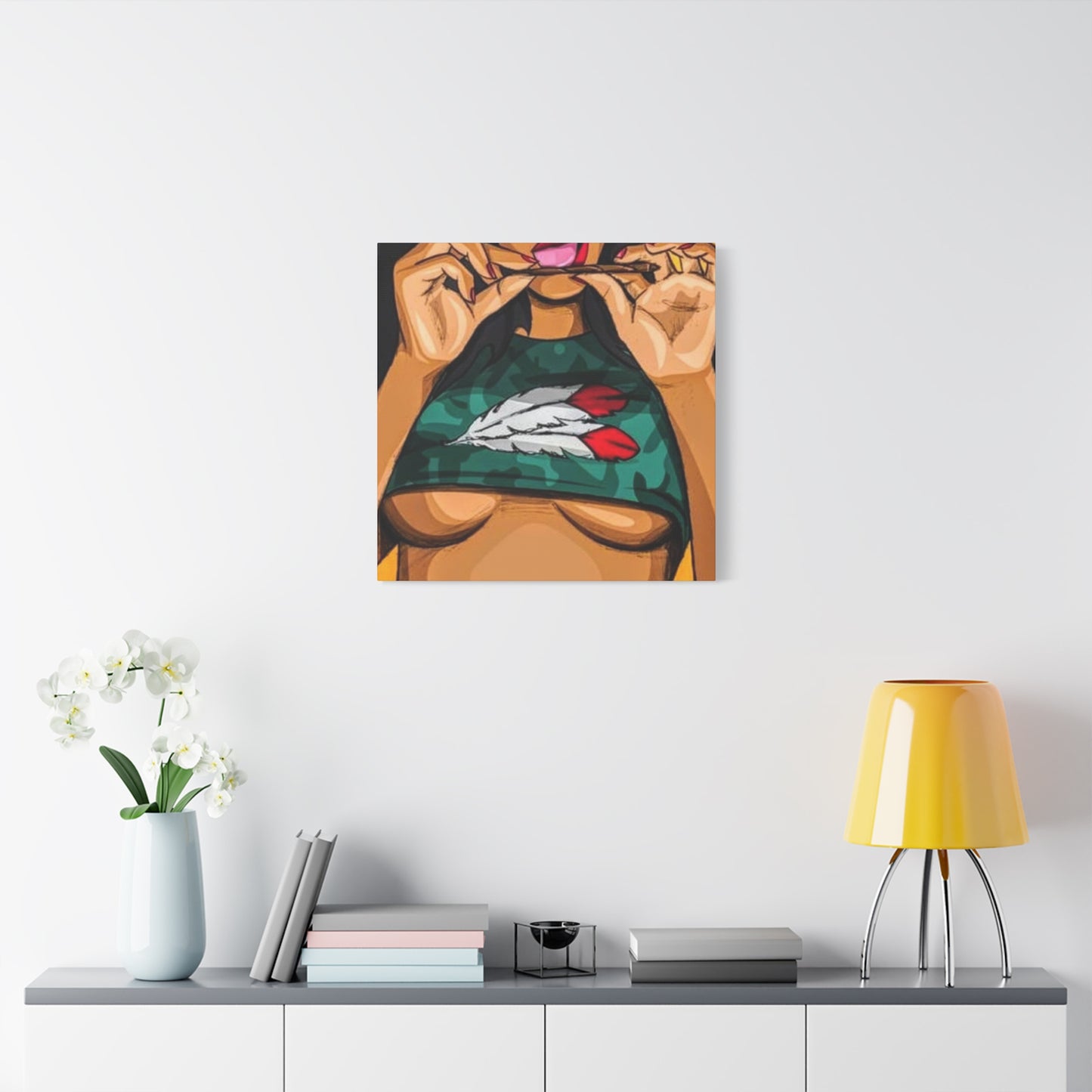
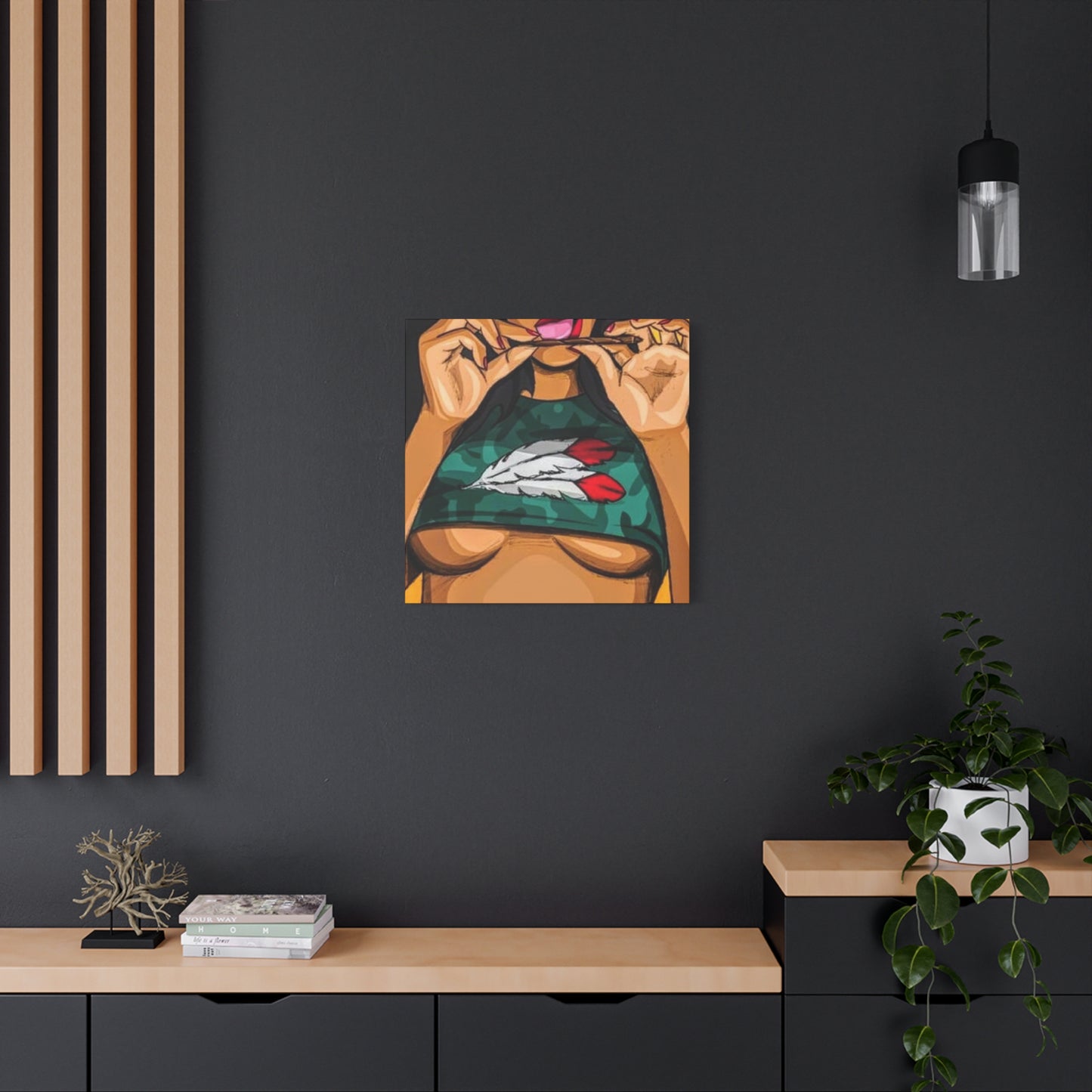
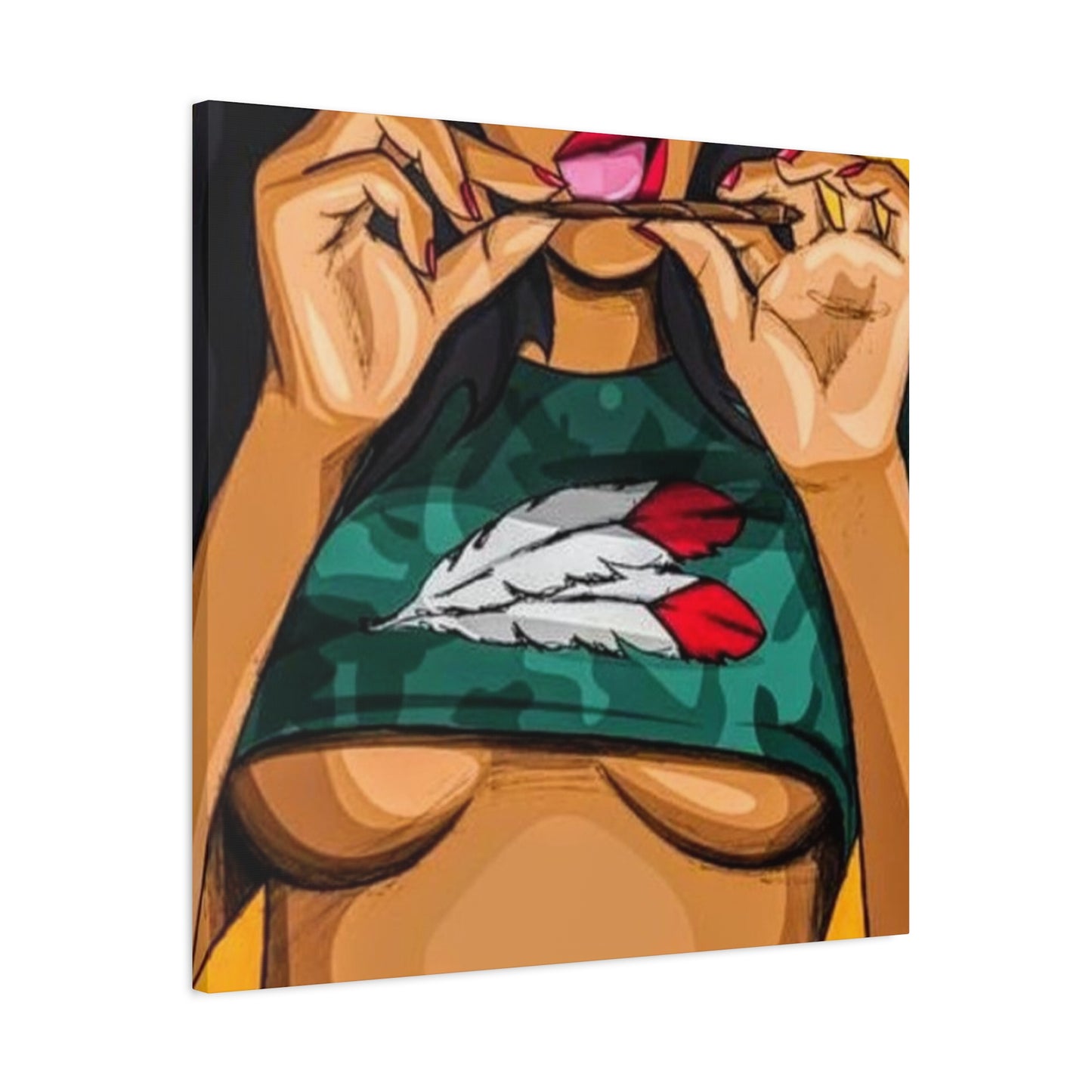
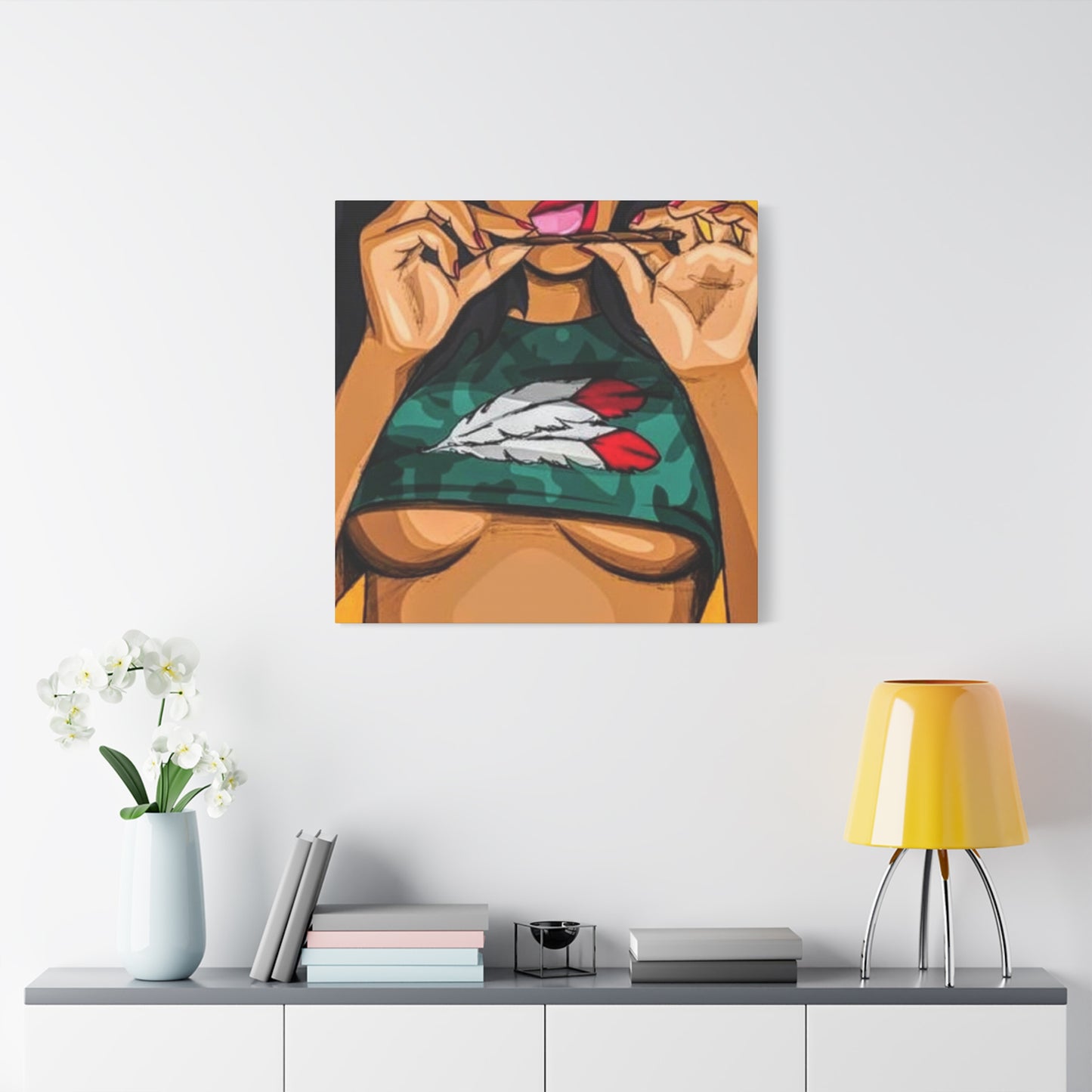
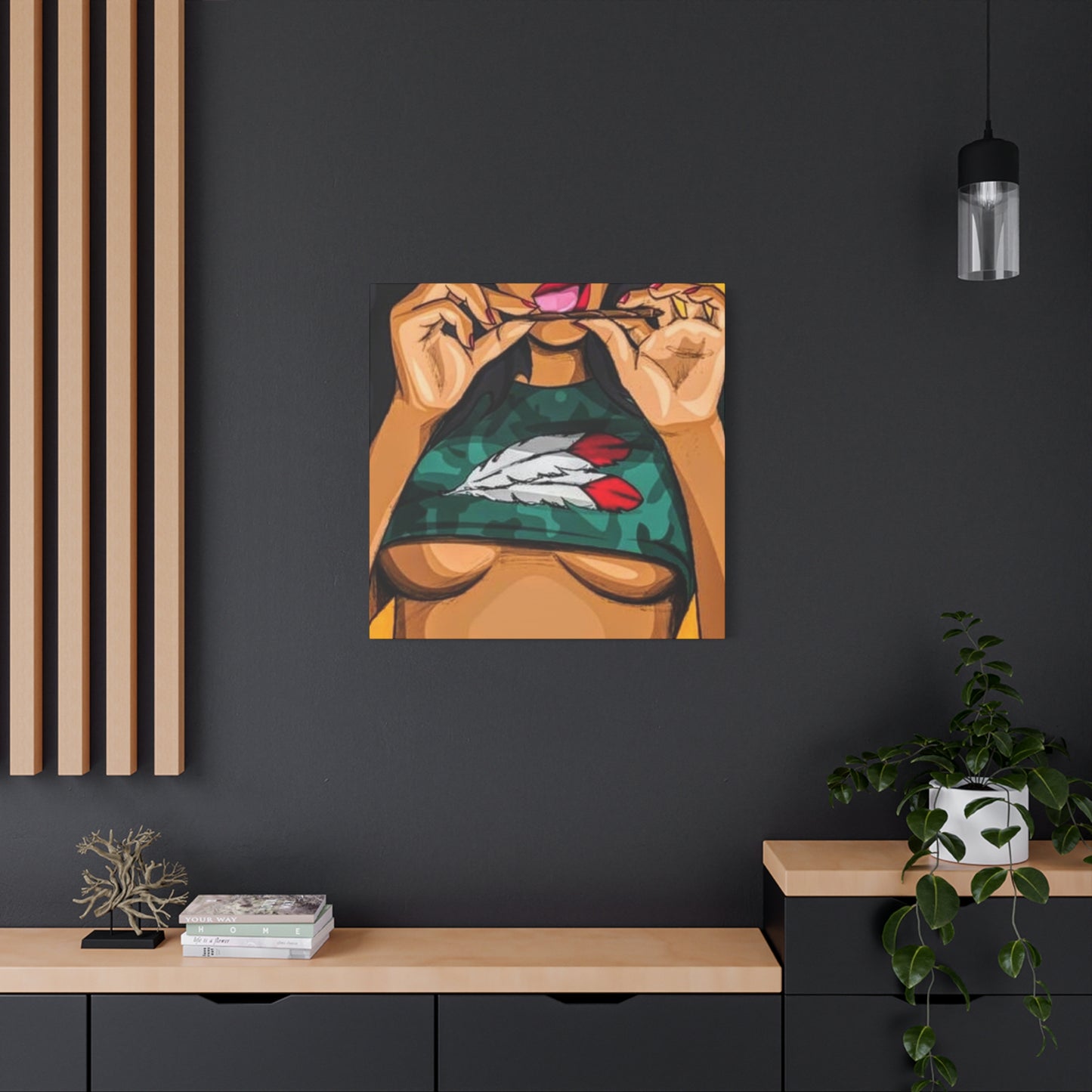
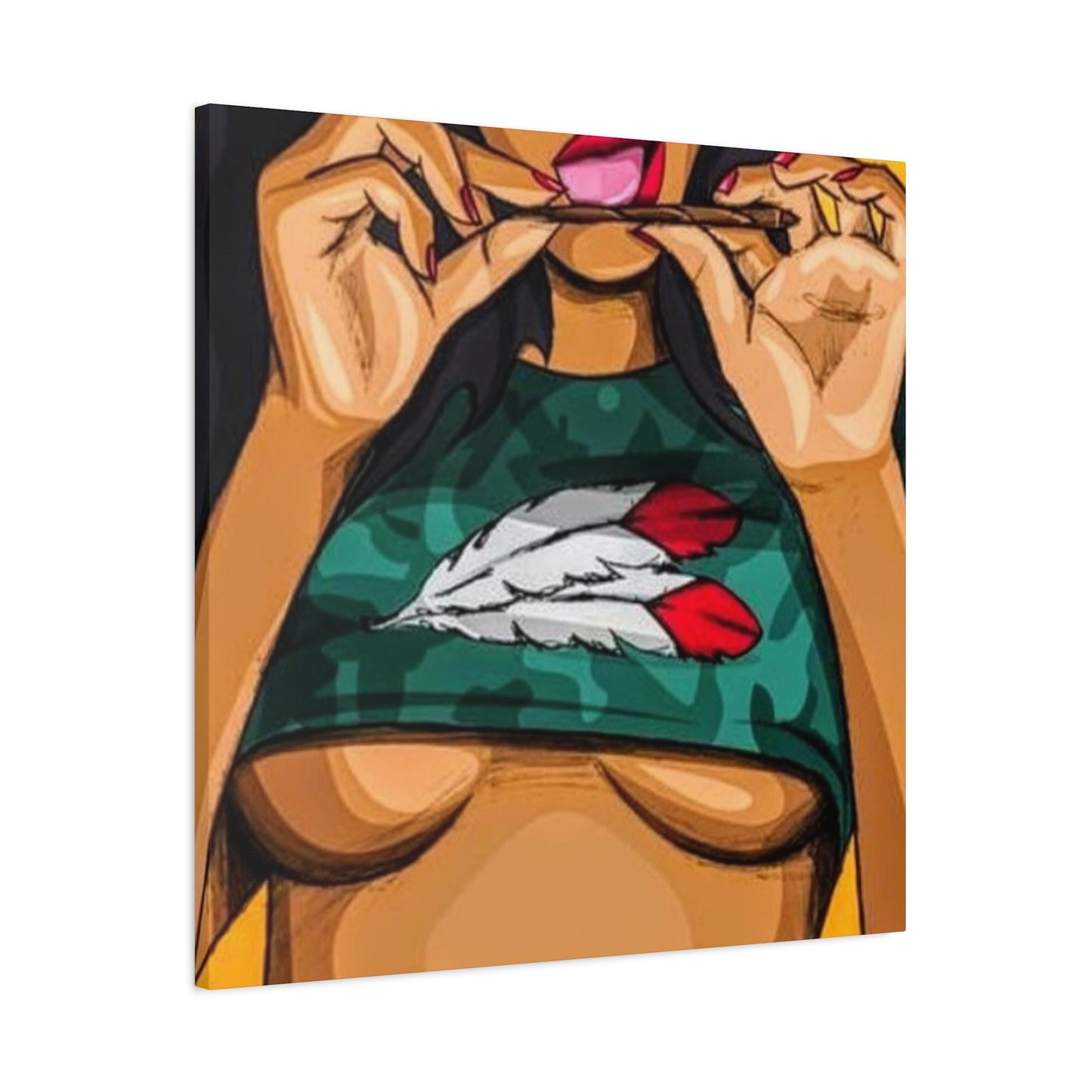
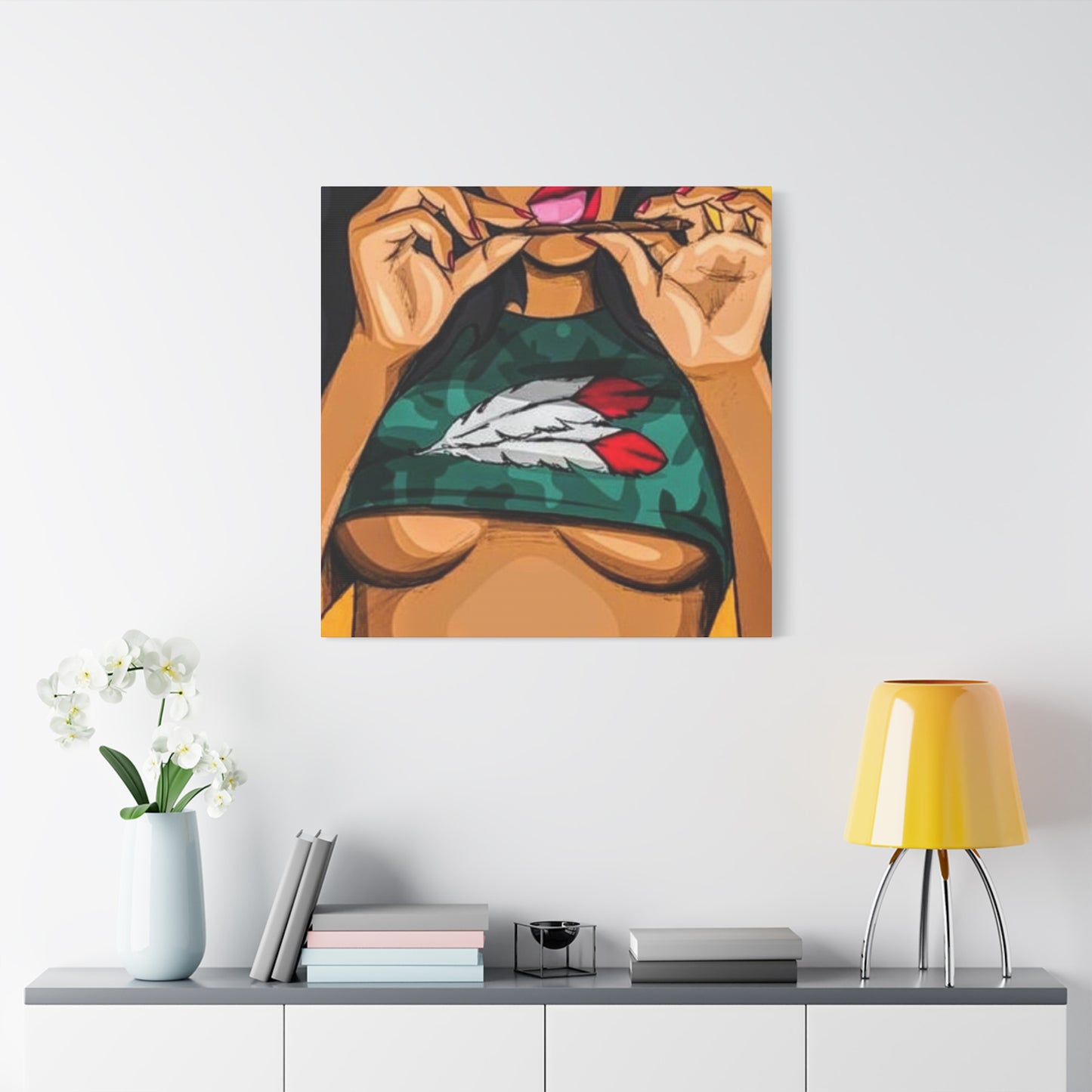
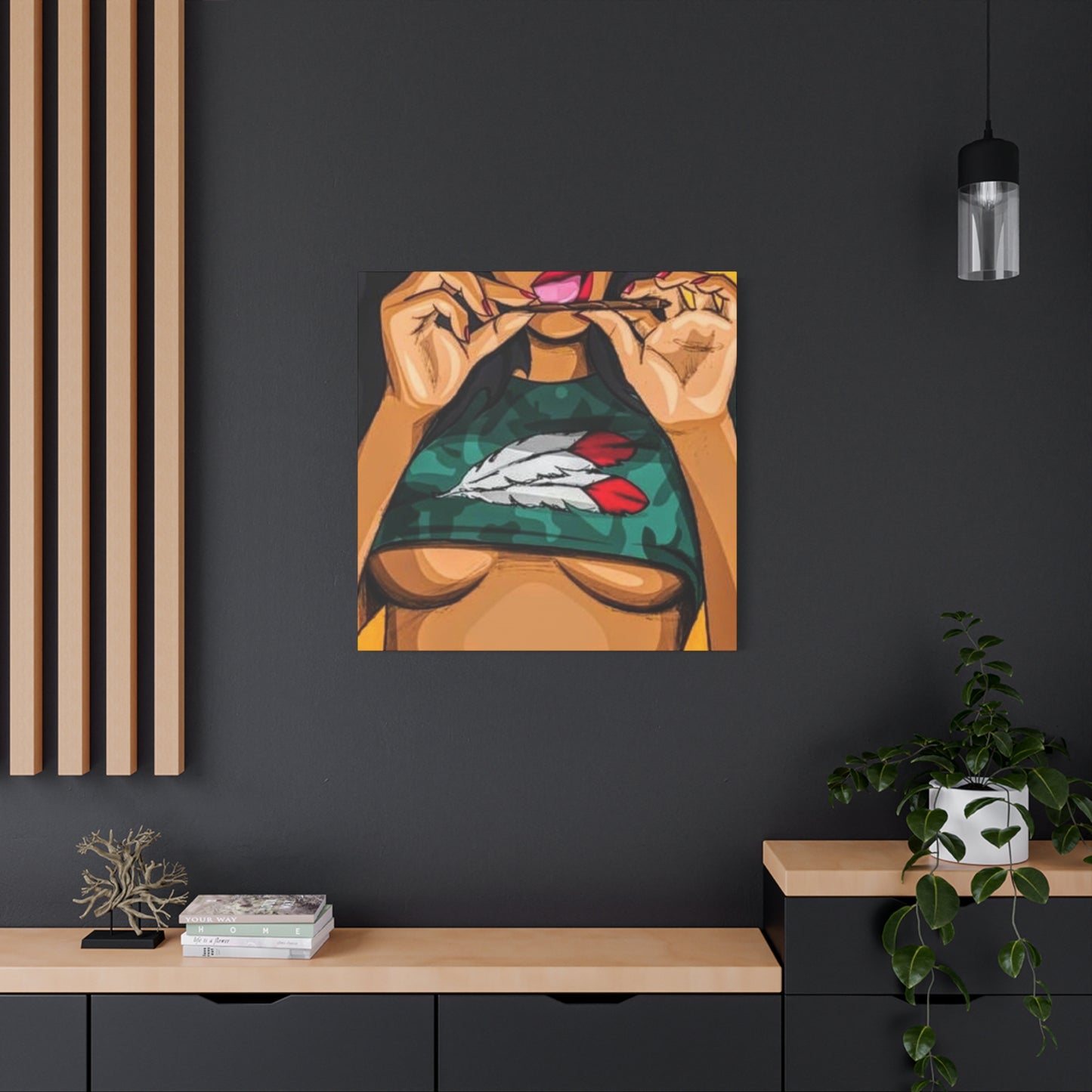
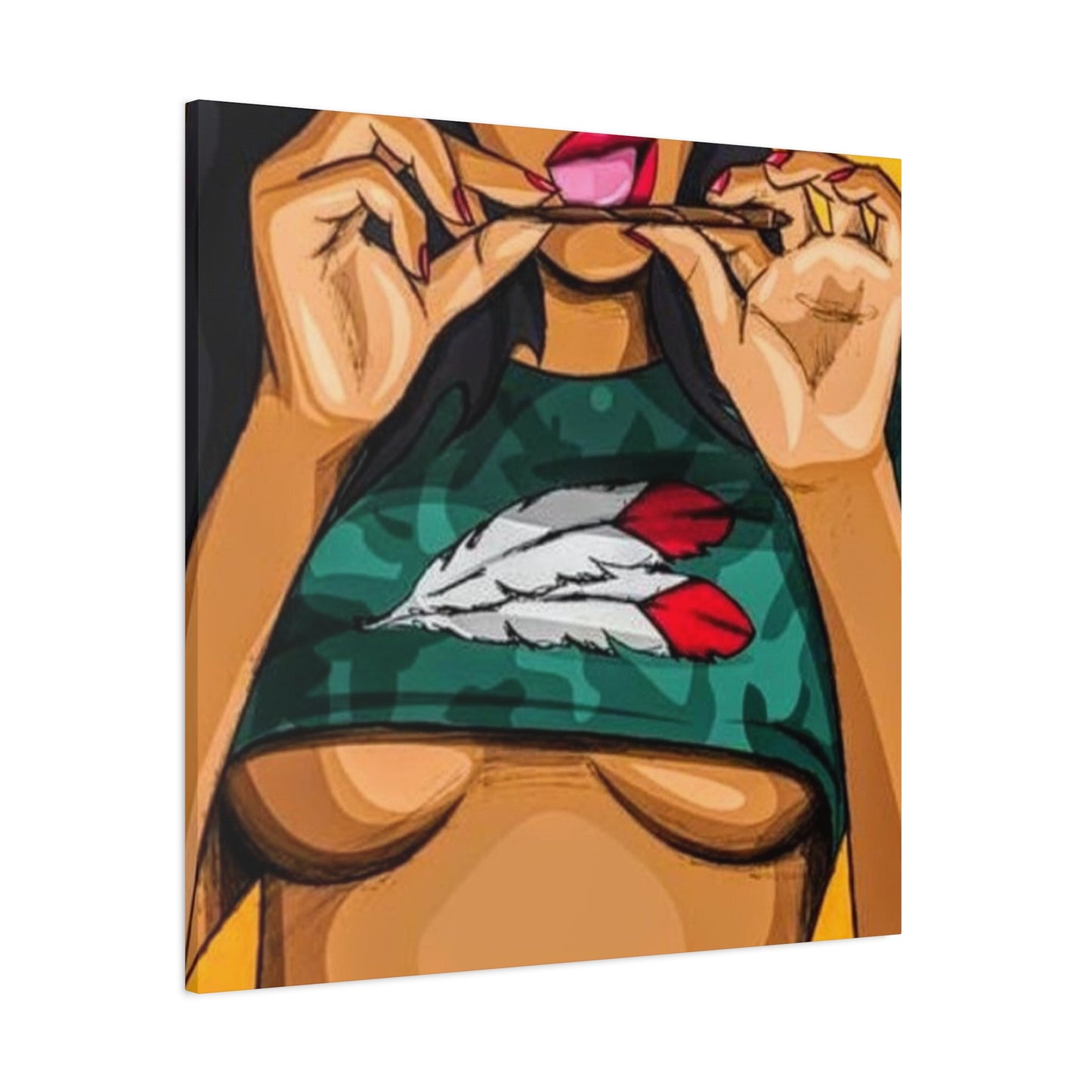
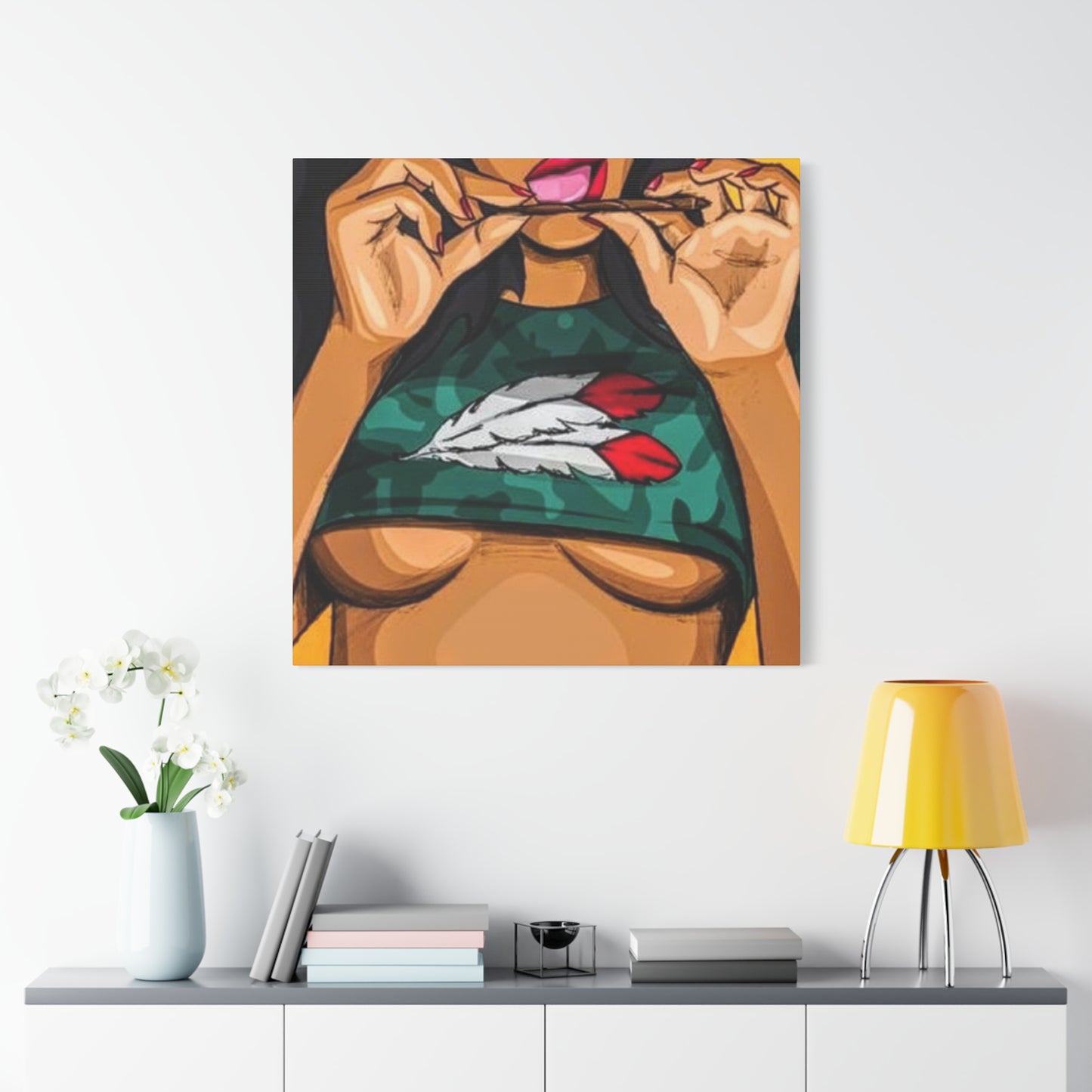
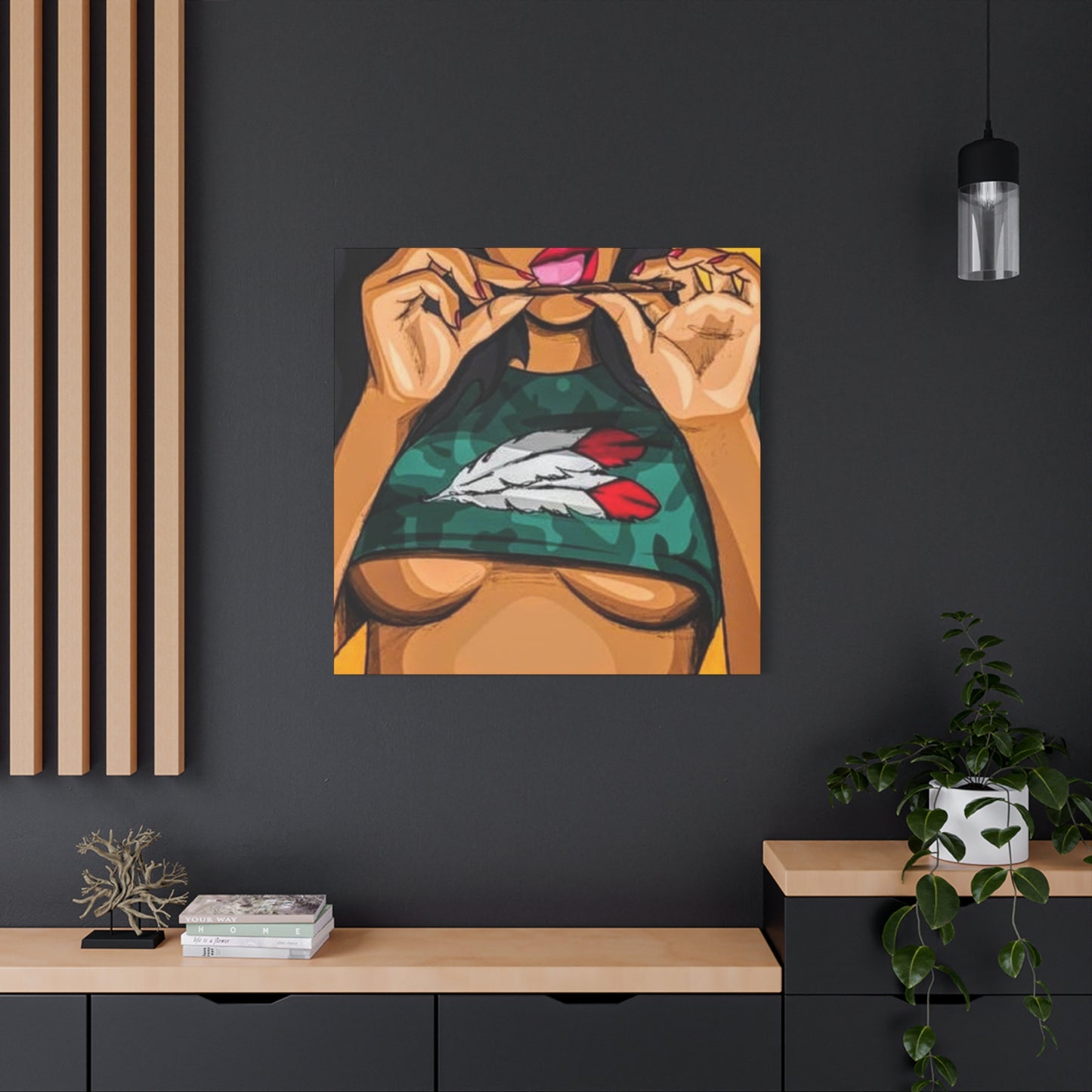
Celebrating Bold Expression: How 'Women with Joint Marijuana' Wall Art Reflects Personal Freedom
The landscape of contemporary visual expression has witnessed a remarkable shift in recent years, particularly in how female representation intersects with marijuana culture. This movement represents far more than aesthetic choices or trendy decorations. It embodies a profound statement about autonomy, liberation, and the dismantling of outdated societal expectations. The emergence of women depicted alongside cannabis in wall art signals a cultural awakening that challenges conventional narratives and redefines feminine identity in the modern era.
Throughout history, both women and marijuana have faced systematic stigmatization and control. The convergence of these two subjects in artistic expression creates a powerful narrative of resistance and reclamation. Artists worldwide are embracing this theme, creating pieces that resonate with audiences seeking authenticity and representation. This visual movement reflects broader societal shifts toward acceptance, wellness, and personal freedom.
The significance of this artistic trend extends beyond mere representation. It speaks to deeper conversations about bodily autonomy, mental health, wellness practices, and the right to make personal choices without judgment. As cannabis legalization continues to spread across various regions, the artistic community has responded by creating work that normalizes and celebrates women's relationship with this plant. These pieces serve as both mirrors and windows, reflecting current realities while offering visions of a more accepting future.
Liberation Through Visual Storytelling in Cannabis Artwork
The portrayal of women in cannabis-themed wall art represents a fundamental shift in how society views both subjects. For decades, marijuana consumption was predominantly associated with male figures in popular culture and media. This gendered representation ignored the reality that women have always been part of cannabis culture, whether for medicinal, recreational, or spiritual purposes. Contemporary artists are correcting this historical imbalance by placing women at the center of their cannabis-inspired creations.
These artistic representations serve multiple purposes within the broader cultural conversation. They provide visibility to women who consume cannabis, validating their experiences and choices. The imagery often depicts women in states of calm contemplation, creative engagement, or social connection, countering stereotypes that portrayed drug use as destructive or deviant. By presenting women with marijuana in natural, everyday settings, artists normalize what has long been unnecessarily stigmatized.
The aesthetics of these pieces vary widely, from photorealistic portraits to abstract interpretations, from vibrant pop art to minimalist line drawings. This diversity in style ensures that the message reaches different audiences and resonates across various cultural contexts. Some pieces focus on the plant itself, with women depicted as cultivators or connoisseurs, emphasizing knowledge and expertise. Others highlight the experiential aspects, showing moments of relaxation, inspiration, or communal enjoyment.
What makes this movement particularly powerful is its refusal to apologize or explain. These artworks do not seek permission or validation from traditional gatekeepers. Instead, they confidently assert that women's relationship with cannabis is valid, normal, and worthy of celebration. This unapologetic stance represents a significant departure from previous generations, where women's consumption often remained hidden or was portrayed negatively.
Dismantling Outdated Perceptions Through Artistic Expression
The stereotypes surrounding women and marijuana use have deep roots in social conditioning and moral panic. Historical propaganda campaigns deliberately created associations between cannabis and social decay, often using racialized and gendered imagery to instill fear. Women who consumed marijuana were portrayed as morally compromised, unfit mothers, or social deviants. These harmful narratives persisted for decades, creating shame and forcing many women to hide their consumption.
Contemporary wall art featuring women with cannabis directly confronts these outdated perceptions. By presenting women as confident, composed, and in control while engaging with marijuana, artists challenge the notion that consumption equals moral failing. These images often depict women in professional settings, as parents, as athletes, as intellectuals, demonstrating that cannabis use does not define or limit a person's identity or capabilities.
The visual language employed in these pieces is crucial to their impact. Many artworks specifically subvert traditional feminine imagery, combining elements of classic beauty standards with cannabis culture. A woman in elegant attire holding a joint, for instance, juxtaposes conventional expectations of feminine respectability with the rebellious act of marijuana consumption. This combination forces viewers to confront their own biases and reconsider their assumptions.
Artists also address the intersection of cannabis stigma with other forms of discrimination. Women of color, in particular, have faced disproportionate consequences related to marijuana prohibition, despite consumption rates being similar across racial demographics. Some artists specifically highlight these disparities in their work, creating pieces that celebrate women of color in cannabis culture while acknowledging the ongoing injustices within the legal system.
The movement also challenges the notion that femininity and cannabis consumption are incompatible. Traditional gender roles prescribed certain behaviors as appropriately feminine while condemning others as masculine or unfeminine. By depicting women enjoying marijuana in their own ways, on their own terms, these artworks expand the definition of what femininity can encompass. They assert that women can be nurturing and rebellious, professional and pleasure-seeking, traditional and countercultural.
Taking Back Narrative Authority in Cannabis Representation
One of the most significant aspects of this artistic movement is how it centers women's agency and choice. For too long, narratives about women and substances were controlled by external authorities, predominantly male voices that judged, pathologized, or sexualized women's consumption. Contemporary wall art featuring women with marijuana reclaims this narrative, allowing women to define their own relationships with cannabis.
This reclamation manifests in various ways throughout the artwork. Many pieces depict women in moments of solitude, suggesting introspection and personal choice rather than peer pressure or external influence. The women in these images appear self-possessed and comfortable, sending a clear message about autonomy and self-determination. They are not seeking approval or validation from viewers but simply existing in their truth.
The artistic movement also addresses the medicinal aspects of cannabis consumption, particularly relevant for women dealing with conditions like chronic pain, endometriosis, anxiety, or menstrual discomfort. Some artwork specifically references these therapeutic applications, depicting women finding relief and comfort through cannabis. This representation is crucial in destigmatizing medicinal use and validating women's healthcare choices.
Control over one's body and health decisions has long been a feminist issue, and the inclusion of cannabis in this conversation is a natural extension. Many women have found that marijuana provides symptom relief without the side effects of pharmaceutical alternatives. Wall art celebrating this aspect of cannabis culture supports women's right to make informed decisions about their own wellness practices.
The concept of reclamation also extends to the social aspects of cannabis consumption. Historically, women's social spaces were heavily monitored and restricted. Contemporary art depicting women enjoying marijuana together celebrates female friendship, community, and the creation of spaces where women can be fully themselves. These representations challenge the isolation that stigma creates and affirm the validity of women's chosen social practices.
Where Gender Justice Meets Cannabis Acceptance
The connection between feminist principles and cannabis culture runs deeper than many realize. Both movements challenge systems of control that dictate how individuals should behave, what they should consume, and how they should exist in society. The prohibition of marijuana, much like various restrictions placed on women throughout history, represents governmental and social control over personal choice and bodily autonomy.
Feminist analysis reveals how drug policies have disproportionately affected women, particularly mothers and women of color. The threat of child custody loss has been used to police women's behavior, including cannabis consumption, even in states where marijuana is legal. This reality reflects broader patterns of how society treats women's choices with greater scrutiny and punishment than men's similar behaviors. Artwork addressing these themes brings attention to these injustices while celebrating resistance.
The feminist perspective also highlights how cannabis can serve as a tool for relaxation and stress relief in a world that places enormous demands on women. Contemporary women often face expectations to excel professionally while maintaining homes, raising children, and meeting impossible beauty standards. Some artwork depicts cannabis as a form of self-care, a moment of respite in demanding lives. This framing challenges the productivity culture that treats rest as laziness rather than necessity.
Additionally, the cannabis industry itself has become a site of feminist activism. Women entrepreneurs and advocates are working to ensure that the legal cannabis market provides opportunities for those most harmed by prohibition. Some wall art celebrates these women leaders, depicting them as cultivators, business owners, and changemakers. This representation acknowledges the economic dimension of cannabis culture and women's increasing influence within the industry.
The intersection of feminism and cannabis in art also addresses pleasure as a valid pursuit. Women have historically been denied the right to seek pleasure without purpose or justification. By depicting women enjoying marijuana recreationally, without medicinal necessity or social obligation, these artworks assert that women's pleasure matters. This seemingly simple message carries profound implications for how society values women's experiences and choices.
Fresh Voices in Cannabis Visual Culture
The surge of cannabis-themed wall art featuring women represents a new generation finding its creative voice. Younger artists who have grown up during the gradual normalization and legalization of marijuana bring fresh perspectives to the subject. Their work often reflects a world where cannabis is understood differently than in previous generations, free from some of the heavier baggage of prohibition-era propaganda.
This new wave of artistic expression embraces diversity in its representations. The women depicted span various ages, body types, ethnicities, and presentations. This inclusivity matters enormously in creating a cannabis culture that feels accessible and welcoming to all women, not just those who fit narrow demographic profiles. By showing that cannabis culture includes everyone, artists help dismantle the stereotype of a typical consumer.
The artistic styles employed also vary dramatically, reflecting the breadth of the movement. Street art murals bring cannabis imagery into public spaces, making bold statements about visibility and acceptance. Gallery pieces invite contemplation and dialogue in more traditional art contexts. Digital art and prints make these images accessible for personal spaces, allowing individuals to surround themselves with representations that resonate with their identities and values.
Many contemporary artists working in this space identify as women themselves, bringing authentic perspectives to their depictions. Their work often challenges male gaze traditions in art history, where women's bodies were typically depicted for male viewing pleasure. Instead, these artists create images focused on women's own experiences and perspectives, depicting cannabis consumption as it feels from the inside rather than how it appears from outside observation.
The commercial success of this artwork also signals shifting cultural values. People are purchasing and displaying these pieces in their homes, offices, and public spaces. This willingness to openly showcase cannabis-related art indicates growing comfort with the subject matter and recognition of its artistic merit. The market for such artwork continues to expand as more people seek pieces that reflect their values and lifestyles.
Current Feminine Identity in Marijuana Spaces
The representation of modern women in cannabis culture through art reflects broader changes in how femininity is understood and expressed. Today's women refuse to be confined by traditional definitions that limited feminine expression to narrow parameters. Cannabis-themed wall art captures this expanded understanding, showing women who embody multiple, sometimes contradictory, qualities simultaneously.
These artistic representations often highlight the normalcy of cannabis in contemporary women's lives. Rather than presenting marijuana consumption as a defining characteristic, the artwork shows it as one aspect among many in complex, full lives. A woman might be depicted smoking while reading, working on creative projects, engaging in fitness activities, or caring for plants. These contextual details emphasize that cannabis users are complete individuals with diverse interests and responsibilities.
The aesthetic choices in these pieces often blend traditionally feminine elements with cannabis culture. Soft color palettes, floral motifs, and elegant compositions create visual appeal while incorporating marijuana imagery. This blending challenges the assumption that cannabis culture is inherently masculine or countercultural. Instead, it suggests that marijuana can be integrated into any aesthetic or lifestyle preference.
Some artwork specifically addresses the wellness aspect of cannabis in modern women's lives. Pieces might depict women practicing yoga, meditation, or other self-care activities while incorporating cannabis. These representations align marijuana use with holistic health practices, countering narratives that frame all drug use as inherently unhealthy. They suggest that cannabis can be part of a balanced, health-conscious lifestyle.
The confidence displayed in these artistic representations is particularly significant. The women depicted are not apologetic or secretive but open and assured in their choices. This confidence reflects real changes in society, where women increasingly feel empowered to make and defend their own decisions. The art both reflects and reinforces this cultural shift toward greater acceptance and self-determination.
Powerful Messages in Cannabis Visual Narratives
Symbolism plays a crucial role in wall art depicting women with marijuana. The cannabis plant itself carries multiple symbolic meanings beyond its literal presence. It can represent rebellion against unjust laws, connection to nature, alternative healing, spiritual exploration, or simply personal pleasure. When combined with feminine imagery, these symbolic dimensions multiply, creating rich layers of meaning.
Many artists use the cannabis plant as a symbol of growth and cultivation. Just as the plant requires care, attention, and proper conditions to thrive, so too do women need supportive environments to flourish. This metaphor resonates particularly in artwork depicting women as growers or caretakers of cannabis plants, suggesting that nurturing living things is a powerful and valuable practice.
The act of smoking or consuming cannabis in these artworks often symbolizes taking time for oneself, a radical act in cultures that expect women to constantly attend to others' needs. The image of a woman pausing to smoke can represent boundary-setting, self-prioritization, and the claiming of personal space and time. This symbolism speaks to broader conversations about burnout, self-care, and the importance of maintaining one's own wellbeing.
Some pieces incorporate additional symbolic elements alongside cannabis imagery. Flowers might represent traditional femininity while marijuana represents modern liberation, creating visual dialogue between different aspects of feminine identity. Smoke rising from a joint can symbolize transformation, release, or the ephemeral nature of stigma that gradually dissipates. These layered symbols invite viewers to engage deeply with the artwork and find personal meaning.
The empowering symbolism extends to the facial expressions and body language of depicted women. Many pieces show women with closed eyes or serene expressions, suggesting inner peace and contentment. Others display direct gazes that challenge viewers to confront their own judgments. Still others capture moments of joy, laughter, or creative inspiration. Each of these choices communicates different aspects of the empowered female experience with cannabis.
Transforming Preconceptions Through Creative Vision
The art world has long been a space where societal norms are questioned and reimagined. Contemporary artists depicting women with marijuana continue this tradition, using their creative vision to challenge and reshape public perception. These works function as visual arguments, presenting alternatives to dominant narratives and inviting audiences to reconsider their assumptions.
Revolutionary aspects of this art movement include its refusal to center male perspectives or desires. Traditional depictions of women using substances often served male fantasies or moral lessons about female behavior. Contemporary cannabis art rejects these frameworks, instead presenting women as subjects with their own agency, motivations, and experiences. This shift fundamentally alters the conversation around women and drug use.
The artwork also revolutionizes stereotypes by showing the diversity within cannabis culture. By depicting women of different ages, races, professions, and lifestyles, artists demonstrate that there is no single type of person who consumes marijuana. This diversity challenges the stereotypical imagery that dominated earlier drug discourse, which often focused on marginalized groups to generate fear and support prohibition.
Many pieces specifically address the contradiction between societal messaging about drugs and the reality of widespread cannabis use among otherwise conventional people. By placing marijuana in ordinary contexts like kitchens, living rooms, or outdoor spaces, artists normalize its presence. This normalization is itself revolutionary in regions where cannabis remains illegal or heavily stigmatized.
The revolution also occurs in how these artworks treat female pleasure and desire. Women depicted enjoying cannabis are shown experiencing genuine satisfaction on their own terms, not performing for observers or seeking validation. This authentic representation of female experience challenges centuries of artistic tradition that portrayed women primarily as objects rather than subjects with their own interior lives and desires.
Powerful Visual Declarations in Modern Cannabis Art
Contemporary cannabis art makes bold statements that resonate far beyond aesthetic appreciation. These pieces declare that women's choices matter, that stigma can be overcome through visibility, and that alternative perspectives deserve representation. The boldness of these expressions lies not just in their subject matter but in their confidence and conviction.
The use of cannabis imagery in public art spaces represents particularly bold expression. Murals featuring women and marijuana transform neighborhoods, making statements about community values and acceptance. These large-scale works cannot be ignored or dismissed, forcing conversations that might otherwise remain private. They claim public space for narratives that have been marginalized or hidden.
Digital platforms have amplified the reach of this bold expression. Artists share their cannabis-themed work through social media and online galleries, connecting with global audiences and building communities around shared values. This digital dissemination allows the movement to grow beyond geographic limitations, influencing conversations worldwide about women, cannabis, and representation.
The commercial art market has also embraced this bold expression, with galleries, exhibitions, and collectors specifically seeking out cannabis-themed work. This mainstream acceptance validates the artistic merit of these pieces while demonstrating market demand for alternative narratives. As these works enter private collections and public institutions, they gain legitimacy and permanence.
Some artists push boundaries even further by combining cannabis themes with other controversial or politicized subjects. Intersectional approaches that address race, sexuality, class, or disability alongside cannabis use create complex narratives that resist simple interpretation. These multifaceted works acknowledge that identity is complicated and that women's experiences with cannabis are shaped by numerous social factors.
From Defiance to Tranquility in Cannabis Imagery
The evolution of how women with marijuana are depicted in wall art reflects changing cultural attitudes toward both subjects. Early representations often emphasized rebellion, highlighting the transgressive nature of women's cannabis use. While this rebellious imagery served important purposes in challenging norms, more recent work has expanded to include themes of relaxation, wellness, and everyday normalcy.
Rebellious imagery remains relevant, particularly in regions where cannabis prohibition continues or where women face significant restrictions on their behavior. Artwork depicting women defiantly smoking marijuana makes powerful statements about refusing to comply with unjust laws or social expectations. These pieces channel a long tradition of resistance art, using visual media to protest and challenge authority.
The rebellious aesthetic often incorporates elements from counterculture movements, punk rock imagery, or street art styles. Bold colors, strong lines, and confrontational compositions characterize many of these pieces. The women depicted might be shown with confrontational expressions, middle fingers raised, or in settings that emphasize nonconformity. This visual language communicates defiance and pride in refusing to conform.
However, the evolution toward relaxation themes represents an important shift in the conversation. As cannabis becomes more accepted and legal in various jurisdictions, the emphasis on rebellion gives way to depictions of peaceful enjoyment. These relaxation-focused pieces show women in comfortable settings, often alone or with close friends, simply enjoying a moment of calm. This shift normalizes cannabis use by removing the revolutionary connotations.
Relaxation-themed artwork often employs softer visual elements like muted colors, flowing lines, and intimate compositions. The women depicted appear content and at ease, suggesting that cannabis contributes to their overall wellbeing rather than representing defiance. This gentler approach appeals to audiences who might be alienated by more confrontational imagery while still making important statements about women's autonomy and choice.
Cannabis Plant Imagery and Female Representation
The artistic relationship between women and the cannabis plant extends beyond consumption to cultivation, appreciation, and stewardship. Many contemporary pieces depict women as growers, showing them tending plants with care and expertise. These representations challenge the masculine-dominated imagery of cannabis cultivation while highlighting women's historical and ongoing roles in agriculture and plant medicine.
The cannabis plant itself has often been gendered female in grower communities, with female plants being the ones that produce the desired flowers. This gendering creates interesting symbolic dimensions when women are depicted alongside cannabis plants. Some artists explore these connections, creating work that examines relationships between feminine bodies and feminized plants, nature and culture, growth and nurturing.
Botanical accuracy appears in some artwork, with detailed renderings of cannabis leaves, flowers, and growth structures. These technically precise pieces appeal to connoisseurs and cultivators while also serving educational purposes. By presenting the plant with scientific accuracy, artists demystify marijuana and treat it with the respect accorded to other botanical subjects in art history.
Other artists take more abstract or stylized approaches to depicting cannabis plants, using simplified forms or imaginative interpretations. These pieces might incorporate the distinctive cannabis leaf shape into patterns, use plant imagery symbolically rather than literally, or blend cannabis with other botanical elements. This creative flexibility allows artists to work with cannabis themes while developing unique visual signatures.
The combination of women and plants in these artworks often invokes themes of natural medicine and traditional healing practices. Many cultures have traditions of women as healers, herbalists, and plant knowledge keepers. By depicting women with cannabis plants, artists connect modern cannabis culture to these ancient traditions, suggesting continuity rather than novelty in women's use of plants for healing and wellbeing.
Confronting Social Expectations Through Cannabis Art
Social norms around gender and drug use have long been restrictive and hypocritical. Women who consume substances face harsher judgment than men, reflecting double standards about acceptable female behavior. Wall art featuring women with marijuana directly confronts these inequitable norms, asserting that women should be held to the same standards as men rather than stricter ones based on outdated gender expectations.
The challenge to social norms begins with visibility itself. By creating and displaying artwork that depicts women with cannabis, artists and audiences alike participate in normalizing what has been stigmatized. Each piece hung in a home, gallery, or public space makes a statement that this imagery is acceptable, worthy of appreciation, and deserves public presence. This visibility gradually shifts cultural norms through repeated exposure and normalization.
Many pieces specifically address the contradiction between private reality and public performance. Countless women consume cannabis privately while maintaining conventional public personas, forced into this division by social stigma and potential professional or personal consequences. Artwork that brings this private reality into public view challenges the necessity of this separation, suggesting that authenticity and honesty should be valued over conformity to narrow expectations.
The art also challenges norms around motherhood and cannabis use, a particularly fraught intersection. Women who are mothers face intense scrutiny and judgment regarding their consumption choices, with cannabis use often portrayed as incompatible with good parenting. Some artists directly address this issue, creating pieces that depict mothers as complex individuals who can responsibly consume cannabis while fulfilling their parental roles. This representation challenges the impossible standards of perfect motherhood that harm women.
Professional women also face significant pressure to conform to conservative standards, with substance use potentially threatening careers and reputations. Artwork depicting professional or accomplished women with cannabis challenges the assumption that competence and consumption are incompatible. By showing successful, respectable women enjoying marijuana, these pieces argue for a more nuanced understanding of drug use and professional capability.
Feminine Strength in Cannabis Visual Culture
The concept of feminine power takes many forms in cannabis-themed wall art. Some pieces emphasize physical strength, depicting athletic or muscular women alongside marijuana. Others focus on intellectual or creative power, showing women engaged in artistic or scholarly pursuits while consuming cannabis. Still others highlight emotional strength, resilience, and the power of self-determination. This diversity of expression reflects the multifaceted nature of feminine power itself.
Cannabis culture has provided space for alternative expressions of femininity that reject patriarchal definitions and expectations. Women who consume marijuana often report feeling more connected to authentic versions of themselves, freed from constant self-monitoring and performance of acceptable femininity. Artwork capturing this authentic self-expression celebrates the power of being genuine rather than conforming to external expectations.
The intersection of cannabis and feminine power also relates to consciousness-altering experiences and expanded perception. Some women report that cannabis helps them access creativity, insight, or spiritual connection. Artwork exploring these dimensions of cannabis use depicts women in states of heightened awareness or creative flow, suggesting that power comes not just from external achievement but from internal exploration and expansion.
Political power represents another dimension explored in this artwork. Women have been instrumental in cannabis advocacy and reform movements, working to change laws and reduce harm caused by prohibition. Some pieces celebrate these activists and organizers, depicting women as agents of social change. This representation acknowledges that feminine power includes collective action and political engagement.
The power of community and connection appears frequently in artwork showing women together with cannabis. These pieces highlight how marijuana can facilitate bonding, conversation, and the creation of supportive social networks. In depicting women's communities, artists celebrate the power of female friendship and collective support, suggesting that strength comes not just from individual achievement but from mutual care and solidarity.
Cannabis and Health in Modern Visual Art
The wellness movement has embraced cannabis as a tool for managing various physical and mental health concerns. Wall art reflecting this intersection between women, marijuana, and wellness serves important functions in validating medicinal use and challenging stigma around self-medication. These pieces often depict women in states of relief, comfort, or healing, emphasizing therapeutic rather than recreational aspects of consumption.
Many women turn to cannabis for pain management, particularly for conditions like endometriosis, arthritis, or migraines. Artwork addressing these realities provides representation for women whose healthcare needs have been dismissed or inadequately addressed by conventional medicine. By depicting cannabis as medicine, these pieces challenge distinctions between legitimate pharmaceuticals and stigmatized substances, asking why some forms of symptom relief are valued while others are condemned.
Mental health represents another crucial aspect of the wellness and cannabis conversation. Women experience anxiety, depression, and trauma-related disorders at high rates, and many find cannabis helpful in managing symptoms. Artwork exploring this dimension might show women in peaceful contemplation, suggesting that marijuana contributes to mental equilibrium. This representation normalizes the use of cannabis for mental health purposes while acknowledging the reality of these struggles.
The concept of holistic wellness appears in pieces that combine cannabis with other wellness practices like yoga, meditation, healthy eating, or nature connection. These integrative approaches suggest that cannabis is one component of comprehensive self-care rather than a standalone solution. This framing appeals to health-conscious audiences while demonstrating that cannabis use can be part of balanced, intentional living.
However, some artwork also addresses the tension between cannabis as wellness tool and concerns about dependency or misuse. Nuanced pieces might explore the complexity of using substances for symptom management, acknowledging both benefits and potential complications. This honest representation serves audiences better than simplistic celebration, encouraging thoughtful engagement with the realities of cannabis use for health purposes.
Honoring Female Independence in Marijuana Art
Autonomy over one's own body and choices represents a fundamental human right, yet women's autonomy has been systematically restricted throughout history and continues to face challenges today. Cannabis-themed wall art celebrating women's autonomy makes powerful statements about self-determination and bodily sovereignty. These pieces assert that women have the right to make their own decisions about what they consume, how they relax, and how they care for themselves.
The celebration of autonomy in this artwork takes various forms. Some pieces depict women alone, emphasizing individual choice and self-sufficiency. These images suggest that a woman's decision to consume cannabis requires no justification beyond her own desire or need. The solitary figure becomes a symbol of independence and self-reliance, comfortable with her own company and choices.
Other artwork celebrates autonomy through depictions of informed choice and education. These pieces might show women researching cannabis, examining products, or discussing options with others. This emphasis on education and informed decision-making counters narratives that portray drug use as impulsive or ignorant. Instead, it presents women as thoughtful consumers who educate themselves and make deliberate choices.
The bodily autonomy aspect connects cannabis art to broader reproductive rights and healthcare access movements. The principle that individuals should control their own bodies applies across contexts, from reproductive choices to substance use. Some artists make these connections explicit in their work, creating pieces that address multiple aspects of bodily autonomy simultaneously.
Celebrating autonomy also means acknowledging that different women will make different choices, and all valid choices deserve respect. Some artwork specifically emphasizes diversity in how women engage with cannabis, showing various methods of consumption, different settings, and multiple motivations. This inclusive approach respects individual autonomy rather than prescribing a single correct way to incorporate cannabis into one's life.
Creative Portrayals of Women in Marijuana Culture
The artistic representation of women in cannabis culture encompasses an enormous range of styles, mediums, and approaches. This diversity reflects both the breadth of the artistic community and the complexity of the subject matter. From hyperrealistic portraiture to abstract expressionism, from traditional painting to digital creation, artists employ whatever techniques best serve their vision and message.
Portraiture represents a significant portion of cannabis-themed wall art featuring women. These portraits range from classical realistic styles to contemporary interpretations that play with form, color, and composition. By presenting women's faces prominently, often meeting viewers' eyes directly, these portraits assert the humanity and individuality of women who consume cannabis. They refuse to reduce these women to stereotypes or statistics, instead presenting them as unique individuals.
Some artists work in illustration styles, creating graphic or stylized representations that might incorporate text, patterns, or symbolic elements alongside figural imagery. These pieces often have a poster-like quality that makes them visually striking and memorable. The graphic approach can make complex messages more accessible while maintaining artistic integrity and visual appeal.
Mixed media approaches combine various materials and techniques to create rich, textured works that invite close examination. These pieces might incorporate actual cannabis leaves, papers with text or imagery, or three-dimensional elements that extend beyond the picture plane. The physical complexity of mixed media work can mirror the conceptual complexity of addressing women and cannabis culture.
Photography-based artwork captures real moments of women with cannabis, though these images might be heavily edited or manipulated to achieve particular effects. Photographic work has the advantage of documentary quality while still allowing for artistic interpretation through composition, lighting, and post-production techniques. These pieces can feel both authentic and aspirational, showing real people while creating carefully crafted images.
Cannabis as Expression of Female Identity
The cultural shift regarding how society views women and marijuana represents one aspect of broader transformations in gender roles, drug policy, and personal freedom. Wall art both reflects and contributes to this shift, serving as both mirror and catalyst for changing attitudes. The increasing prevalence and acceptance of this artwork indicates how far cultural norms have already moved while pushing for further evolution.
Contemporary cannabis culture differs dramatically from the stigmatized, criminalized world of previous decades. As legalization spreads and research reveals cannabis's relatively low risk profile compared to legal substances like alcohol, public opinion has shifted significantly. Women have been at the forefront of many reform movements, advocating for medical access, criminal justice reform, and the rights of consumers. This activism is reflected in artwork that honors women's roles in achieving these changes.
The shift is also generational, with younger people far more likely to view cannabis positively than older generations shaped by prohibition-era propaganda. Artists from younger generations create work that assumes cannabis's legitimacy rather than having to argue for it. This assumption reflects lived experience in a world where marijuana is increasingly normal and accessible, particularly in regions where legalization has occurred.
However, the cultural shift remains incomplete and uneven. In many regions, cannabis possession still results in criminal penalties, with enforcement disproportionately affecting marginalized communities. Women in these areas face particular vulnerabilities, including the threat of losing child custody. Artwork emerging from these contexts often has a more explicitly political quality, demanding change rather than simply reflecting it.
The visibility created through wall art contributes to continued cultural evolution. As more people encounter positive representations of women with cannabis, baseline assumptions gradually shift. What once seemed shocking becomes unremarkable. What required justification becomes self-evident. This gradual normalization through cultural production represents an important mechanism of social change.
Female Leadership in Cannabis Visual Expression
The emerging cannabis industry has created new economic opportunities, and women are increasingly claiming space as entrepreneurs, cultivators, educators, and advocates. Wall art celebrating women as icons of cannabis culture acknowledges these contributions while inspiring others to enter the field. These pieces often depict women in positions of authority and expertise, challenging the masculine-dominated imagery that has historically characterized drug culture.
Icon status in cannabis culture can take many forms. Some women achieve recognition as activists who fought for reform, often at great personal cost. Others gain prominence as medical researchers uncovering cannabis's therapeutic properties. Still others become known as skilled cultivators, product developers, or business leaders. Artwork honoring these women provides role models and demonstrates the diversity of contributions women make to cannabis culture.
The depiction of women as cannabis icons also challenges who gets remembered and celebrated in drug culture history. Previous narratives centered male figures while erasing women's contributions. Contemporary artists are correcting this historical imbalance, creating work that specifically highlights women who have been important to cannabis culture, whether as activists, writers, artists, cultivators, or consumers.
Some artwork takes a more anonymous or universal approach, depicting unnamed women as representatives of broader movements rather than specific individuals. These pieces suggest that every woman who openly consumes cannabis, who challenges stigma through her honesty, who refuses to apologize for her choices, participates in a collective movement. This approach democratizes icon status, suggesting that social change comes from many people making small acts of resistance and authenticity.
The business dimension of cannabis culture provides another context for depicting women as icons. As the legal cannabis industry grows into a multibillion-dollar sector, women entrepreneurs are building companies and creating products. Some artwork celebrates this entrepreneurial spirit, showing women as innovators and leaders in an emerging field. This representation counters assumptions about who belongs in business leadership while specifically highlighting opportunities in cannabis.
Expanding Artistic Limits in Cannabis Culture
Street art and murals have become important venues for cannabis-themed artwork featuring women. These public art forms push boundaries by bringing provocative imagery into shared community spaces. The scale and visibility of murals make powerful statements, impossible to ignore or dismiss as private indulgence. By claiming public walls for cannabis-related art, muralists assert that these conversations belong in the open rather than hidden away.
The street art tradition has always included elements of rebellion and resistance. Cannabis murals featuring women continue this tradition, challenging both drug prohibition and gender norms simultaneously. The illegal or semi-legal nature of some street art adds another layer of transgression, with artists risking legal consequences to make their statements. This risk-taking mirrors the choices of women who consume cannabis in prohibition contexts.
Wall murals also transform neighborhoods, contributing to area identity and character. A cannabis-themed mural can signal that a neighborhood is progressive, accepting, or countercultural. These visual markers help like-minded individuals find community while making political statements about local values. As cannabis murals become more common in various cities, they normalize the imagery and contribute to broader cultural acceptance.
The collaborative nature of many mural projects means that communities participate in creating these public statements. When neighborhood groups or business districts commission cannabis-themed murals, they collectively endorse the message. This public endorsement carries weight, demonstrating that acceptance extends beyond individual artists or consumers to broader community values.
However, public cannabis art can also generate controversy and opposition. Some community members object to marijuana imagery, particularly in areas with significant cannabis-related stigma or where legalization has not occurred. Artists and their supporters must navigate these tensions, sometimes modifying imagery or defending their work against calls for removal. These conflicts themselves become part of the cultural conversation, forcing communities to grapple with changing norms.
Marijuana Culture and Feminine Expression
The relationship between cannabis and femininity exists in creative tension, with different artists exploring different aspects of this intersection. Some work emphasizes how cannabis culture can expand feminine expression beyond restrictive traditional definitions. Other pieces explore how femininity can transform cannabis culture, bringing different aesthetics and values to a historically masculine-dominated space.
Traditional femininity has been defined by characteristics like gentleness, nurturing, emotional expression, and aesthetic refinement. Some cannabis art incorporating these traditionally feminine elements suggests that marijuana consumption can coexist comfortably with conventional femininity. These pieces might use soft colors, floral motifs, or elegant compositions, demonstrating that cannabis culture need not adopt masculine aesthetics to be valid.
Conversely, some artwork specifically rejects traditional femininity, depicting women with edgy, aggressive, or conventionally masculine presentations. Tattoos, unconventional hair, casual or revealing clothing, and confrontational expressions characterize some of these pieces. This approach challenges the expectation that women should present themselves in traditionally feminine ways, asserting that women who reject these norms are equally deserving of respect and representation.
The most nuanced artwork explores femininity as complex and multifaceted, refusing simple categorization. These pieces might show women who embody seemingly contradictory characteristics, who are simultaneously tough and vulnerable, refined and raw, traditional and rebellious. This complexity honors the reality that most women exist somewhere along multiple spectrums rather than at extreme endpoints.
Some artists specifically address how cannabis can affect one's relationship with gender and femininity. For some women, marijuana facilitates questioning of gender norms and expectations, providing space to explore identity beyond prescribed roles. Artwork exploring this dimension might incorporate fluid or ambiguous gender presentation, suggesting that cannabis culture can provide space for people to exist outside binary gender systems.
Conclusion:
The wall art collection featuring "Women with Joint Marijuana" serves as a striking representation of personal freedom, breaking boundaries and challenging conventional norms. Through vibrant imagery, this collection captures the essence of women’s autonomy, their relationship with cannabis, and the evolving conversation around both. It’s not just art—it’s a statement. A statement that transcends the typical taboos surrounding marijuana and celebrates the freedom to embrace one's identity without fear of judgment.
In many ways, this art highlights the intersection of two powerful cultural movements: the ongoing fight for gender equality and the growing acceptance of marijuana. The portrayal of women confidently holding marijuana joints not only symbolizes their autonomy over their bodies but also redefines the image of cannabis users, which has historically been dominated by stereotypes. These artistic pieces challenge the narrative that cannabis use is primarily a male-dominated pastime, offering a refreshing shift that normalizes women’s involvement in both cannabis culture and the broader discussion of personal liberation.
Moreover, these artworks reflect a significant moment in time where society is beginning to question long-standing stigmas. The use of marijuana, once criminalized and shrouded in negative associations, is increasingly being recognized as a tool for wellness, creativity, and empowerment. By showcasing women in these works, the artists are dismantling outdated stereotypes while providing a canvas for diverse expressions of womanhood, ranging from rebellious and bold to serene and introspective.
The empowerment of women depicted in these works goes beyond just the act of smoking marijuana. It symbolizes broader themes of self-expression, choice, and resistance against the social expectations that often seek to confine women’s identities. The juxtaposition of femininity with cannabis is a visual manifestation of how women are carving out spaces where they can freely express their desires, pleasures, and personal freedom without hesitation.
In conclusion, "Women with Joint Marijuana" wall art is more than just a visual representation—it’s an emblem of personal liberation and a challenge to restrictive societal norms. It’s a reminder that art has the power to provoke thought, shift perspectives, and encourage people to rethink what they consider acceptable or normal. Through this collection, the message is clear: women are entitled to explore, express, and enjoy life on their own terms, free from societal judgment. The celebration of bold expression in art mirrors the broader movement toward recognizing and embracing the complex identities of individuals, encouraging a world where freedom—of both self-expression and choice—can be fully realized.


