


Yee-Haw Drawing Wall Art & Canvas Prints
Yee-Haw Drawing Wall Art & Canvas Prints
Couldn't load pickup availability


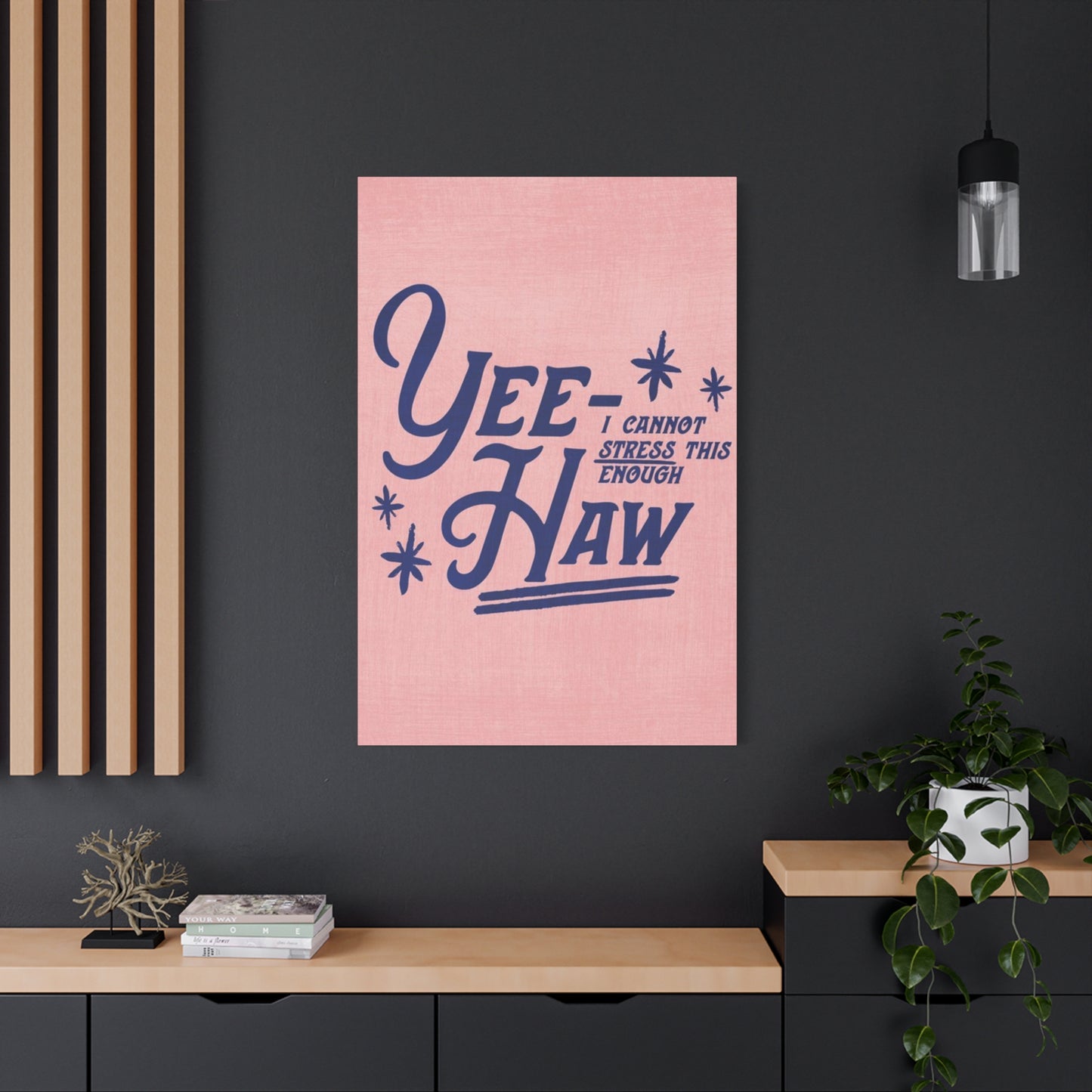
Embracing the Wild West: How Yee Haw Drawing Wall Art Captures the Spirit of Americana
The American frontier has always captivated imaginations with its rugged landscapes, fearless pioneers, and untamed spirit. This fascination translates beautifully into contemporary interior design through western-themed artwork that brings the essence of cowboy culture into modern living spaces. The resurgence of ranch-inspired décor reflects a deep appreciation for heritage, authenticity, and the bold independence that defined an era. Whether you're a devoted enthusiast of frontier history or simply drawn to the aesthetic appeal of rustic charm, incorporating western-themed artwork into your home creates an atmosphere that celebrates adventure, freedom, and timeless American tradition.
Expressing Ranch Heritage Through Artistic Vision
Western artwork serves as a bridge between past and present, allowing homeowners to celebrate the pioneering spirit that shaped America. These artistic pieces capture the essence of life on the open range, where courage, determination, and respect for nature defined daily existence. The imagery typically features iconic elements such as horses galloping across vast plains, ranch hands at work, leather boots and spurs, vintage saddles, and expansive desert landscapes under endless skies.
The appeal of this artistic style extends beyond mere decoration. It represents a connection to values that remain relevant today: self-reliance, authenticity, hard work, and appreciation for the natural world. When you display western-themed artwork, you're not simply hanging pictures on walls; you're making a statement about what matters to you and creating an environment that reflects your personal values and aesthetic preferences.
Contemporary artists have breathed new life into traditional western themes by incorporating modern techniques and perspectives. This fusion creates artwork that honors historical authenticity while speaking to current design sensibilities. The result is pieces that work equally well in rustic ranch homes, urban lofts, suburban residences, and everything in between. The versatility of western artwork makes it accessible to anyone who appreciates its distinctive character and visual impact.
The Ranch Atmosphere in Contemporary Design
Modern interior design has witnessed a remarkable resurgence of interest in western aesthetics. This trend reflects a broader cultural movement toward authenticity, handcrafted quality, and connection to heritage. People increasingly seek environments that tell stories and evoke emotion rather than simply displaying trendy elements that quickly become dated.
Western-themed artwork fits perfectly into this design philosophy. These pieces command attention without overwhelming spaces, offering visual interest that invites closer examination. The color palettes typically feature earthy tones such as burnt sienna, warm browns, deep blues, and sun-bleached neutrals that complement various interior styles. This natural color range creates harmony with both traditional and contemporary furnishings, making western artwork remarkably adaptable.
The textures suggested by western imagery also contribute to its appeal. Even in two-dimensional representations, the rough leather of saddles, weathered wood of corral fences, soft flannel of work shirts, and flowing manes of horses add tactile dimension to spaces. This implied texture creates depth and richness that elevates the overall sensory experience of a room.
Incorporating western artwork doesn't require transforming your entire home into a themed environment. Strategic placement of carefully selected pieces can introduce just the right amount of frontier character without overwhelming other design elements. A single striking piece above a fireplace mantel, a gallery wall in a hallway, or a statement artwork in a home office can effectively capture the western spirit while maintaining design balance.
From Arena to Artistic Expression
Rodeo culture provides endless inspiration for western artwork, capturing moments of incredible athleticism, courage, and the unique relationship between humans and animals. These dynamic scenes translate beautifully into visual art, offering movement, energy, and drama that enliven any space.
Artwork depicting rodeo scenes often captures the split-second intensity of bronc riding, the precision required in calf roping, the grace of barrel racing, and the raw power of bull riding. These images celebrate not just the spectacle of rodeo but the dedication, skill, and respect for animals that define this uniquely American sport.
Beyond the competitive aspects, rodeo-inspired artwork also captures the community atmosphere of these events. Images might include cowboys preparing behind the chutes, spectators in the stands, children learning from experienced hands, or celebrations after successful rides. These scenes tell broader stories about tradition, mentorship, community bonds, and the passing of knowledge from generation to generation.
The appeal of rodeo artwork extends to those who've never attended an event. The universal themes of courage, perseverance, and pushing beyond limits resonate with anyone who's faced challenges or pursued difficult goals. Displaying such artwork serves as a daily reminder of these values, creating inspirational focal points within living spaces.
Contemporary artists approach rodeo subjects with varied styles ranging from photorealistic detail to impressionistic interpretation to bold graphic representations. This diversity means you can find pieces that match your specific aesthetic preferences while still capturing the essence of rodeo culture. Whether you prefer muted, sophisticated palettes or vibrant, energetic colors, there's rodeo-inspired artwork to suit your taste.
Western Imagery in Modern Interior Spaces
The integration of western artwork into contemporary homes demonstrates the timeless appeal of frontier aesthetics. Today's designers and homeowners appreciate how these pieces add character, warmth, and narrative depth to spaces that might otherwise feel impersonal or generic.
One of the most effective approaches involves creating focal points with statement pieces. A large-scale artwork depicting a dramatic western scene naturally draws the eye and anchors a room's design. This approach works particularly well in living rooms, dining areas, or entryways where you want to make a strong first impression and establish the tone for the entire space.
Gallery walls offer another popular option for displaying western artwork. By combining multiple pieces of varying sizes, you create visual interest while telling a more complex story. A gallery wall might include images of horses, landscapes, vintage equipment, portrait studies of cowboys, and abstract interpretations of western themes. This curated approach allows for personal expression and creates conversation starters that guests will appreciate.
For those who prefer subtlety, smaller western-themed pieces can be integrated throughout a home without dominating the overall aesthetic. A modest artwork in a bathroom, a small print in a bedroom, or a tasteful piece in a home office introduces western character in measured doses. This approach works well for those who want to honor their appreciation for western culture without making it the central theme of their décor.
The key to successful integration lies in considering scale, proportion, and relationship to surrounding elements. Western artwork should enhance rather than compete with furniture, architectural features, and other decorative objects. Thoughtful placement ensures each piece receives appropriate attention while contributing to overall design harmony.
Ranch Living Translated to Interior Design
Western artwork celebrating ranch life captures the daily rhythms, challenges, and rewards of living close to the land. These images resonate with anyone who values simplicity, hard work, and connection to nature, even if their lifestyle differs dramatically from actual ranch existence.
Common subjects include cowboys on horseback surveying their land, cattle drives across open country, ranch hands mending fences or working with livestock, horses grazing in pastoral settings, and sunrises or sunsets over vast properties. These scenes evoke a slower pace of life, connection to seasons and natural cycles, and satisfaction derived from meaningful labor.
The romanticized aspects of ranch life depicted in artwork don't ignore its challenges but rather celebrate the resilience required to thrive in demanding conditions. This honest portrayal adds authenticity and depth, preventing the imagery from feeling saccharine or disconnected from reality. The weathered faces, worn equipment, and sometimes harsh landscapes acknowledge difficulty while emphasizing the dignity of this lifestyle.
For urban and suburban dwellers, ranch-themed artwork offers an escape and connection to something perceived as more authentic than modern city living. These pieces remind viewers that other ways of life exist beyond corporate offices and digital screens. They serve as windows into a world where success is measured differently and where relationships with animals, land, and community take precedence over material accumulation.
Interestingly, ranch artwork appeals to people across diverse backgrounds and lifestyles. The universal themes transcend specific circumstances, speaking to fundamental human needs for purpose, connection, and belonging. Whether you grew up on a working ranch or have only experienced western culture through media, these artistic representations touch something deep within the collective imagination.
Dynamic Western Imagery in Artistic Expression
The energy inherent in western subjects makes them particularly compelling for artistic interpretation. Unlike static still life or serene landscapes, western artwork frequently captures motion, tension, and dramatic moments that create visual excitement.
Consider the implied movement in images of horses at full gallop, dust clouds rising behind racing riders, ropes twirling through air before finding their targets, or storm clouds gathering over distant mesas. This dynamism prevents western artwork from fading into background decoration. Instead, these pieces maintain viewer interest and create vibrant focal points within rooms.
The emotional energy of western subjects also contributes to their impact. Images might capture the determination on a competitor's face, the trust between horse and rider, the pride of a young person achieving their first successful ride, or the quiet satisfaction of work completed. These emotional undercurrents add layers of meaning that reward repeated viewing.
Color choices in western artwork often enhance this energetic quality. While earthy tones dominate, strategic use of vibrant accents creates visual pop. The red of a bandana, bright blue of a clear sky, golden glow of sunset, or white of a paint horse's markings draw the eye and create contrast that enlivens compositions.
Artists working in western themes employ various techniques to convey energy. Loose, expressive brushwork suggests movement and spontaneity. Strategic use of light and shadow creates drama and depth. Compositional choices that lead the eye through the image maintain engagement. Whether through realistic rendering or more abstract interpretation, the best western artwork pulses with life and vitality.
Celebrating Frontier Heritage Through Visual Art
Western artwork serves as a celebration of cultural heritage that shaped American identity. These pieces honor the pioneers, ranchers, cowboys, and indigenous peoples whose lives and labor created the foundation for modern society. By displaying such artwork, homeowners participate in preserving and promoting this important historical legacy.
The themes explored in western artwork often reflect values central to American mythology: independence, courage, perseverance, and opportunity. Images of individuals or small groups against vast landscapes emphasize self-reliance and determination. Scenes of community gatherings, barn raisings, or shared meals highlight cooperation and mutual support. Both individual and communal aspects of frontier life receive representation, creating a balanced portrait of western heritage.
Contemporary western artists often bring fresh perspectives to traditional subjects. Some explore overlooked aspects of frontier history, including contributions of women, people of color, and immigrant communities. Others examine environmental themes or the complex relationships between different cultural groups. This expanded scope enriches western artwork, making it relevant to contemporary conversations while maintaining connection to historical roots.
For collectors and enthusiasts, western artwork represents more than decoration. Each piece becomes part of a larger narrative about American history, cultural evolution, and personal identity. Building a collection allows for deeper engagement with western themes and creates opportunities to support living artists who continue developing this tradition.
Educational value also enhances the appeal of western artwork. Families with children find that these pieces spark conversations about history, geography, animal behavior, and cultural traditions. Rather than passive decoration, western artwork becomes a teaching tool that enriches family life and creates opportunities for shared learning experiences.
Untamed Landscapes in Contemporary Wall Design
The western movement in contemporary design reflects a desire for spaces that feel genuine, characterful, and connected to something larger than current trends. This aesthetic embraces imperfection, celebrates craftsmanship, and values items with history and meaning over mass-produced anonymity.
Western artwork fits naturally into this design philosophy. Each piece tells a story, whether depicting actual historical events, representing traditional activities, or exploring symbolic meanings. This narrative quality distinguishes western art from purely decorative options that prioritize appearance over content.
The trend toward western aesthetics also reflects broader cultural shifts. As technology increasingly dominates daily life, many people seek balance through connection to analog experiences, natural materials, and historical continuity. Western artwork provides this connection, serving as a reminder of pre-digital existence and simpler ways of measuring success and fulfillment.
Interior designers note that western-themed spaces often feel more comfortable and welcoming than minimalist alternatives. The warmth of wood tones, organic textures, and imagery drawn from nature creates environments where people genuinely want to spend time. Western artwork contributes significantly to this welcoming quality, adding personality that encourages relaxation and conversation.
The versatility of western artwork allows it to adapt to various design approaches. In rustic settings, it reinforces the overall aesthetic. In modern spaces, it provides contrast and prevents sterility. In eclectic environments, it adds another layer of visual interest. This adaptability explains why western artwork maintains popularity across different design movements and personal styles.
Capturing Inspiration from Frontier Traditions
Western artwork draws inspiration from countless aspects of frontier life, creating rich visual vocabulary that artists continue exploring and expanding. Traditional sources include working cowboys and ranchers, rodeo competitions, historic trails and settlements, Native American heritage, mining communities, and the natural landscapes that defined western territories.
Each of these categories offers unlimited artistic possibilities. Images of working cowboys might emphasize different aspects: the solitary nature of range riding, the teamwork required in cattle drives, the skill involved in horse training, or the relationship between cowboys and their animals. Similarly, landscape artwork can focus on dramatic geological formations, subtle beauty of desert ecosystems, seasonal changes across rangeland, or weather phenomena unique to western regions.
Contemporary artists also find inspiration in the tensions and contradictions of western history. Works might explore themes of environmental change, cultural conflicts, economic transformation, or the gap between western mythology and historical reality. These more complex explorations add depth to the genre and appeal to viewers seeking substance beyond surface aesthetics.
The symbolism inherent in western imagery provides another rich vein for artistic exploration. Horses represent freedom, power, and partnership. Open landscapes suggest possibility and adventure. Weathered equipment speaks to perseverance and the passage of time. Sunsets and sunrises mark endings and beginnings. Artists can work with these symbols directly or subvert them, creating pieces that engage viewers on multiple levels.
For those selecting western artwork for their homes, this diversity means finding pieces that resonate personally. Whether drawn to action-packed rodeo scenes, contemplative landscapes, detailed studies of equipment and animals, or abstract interpretations of western themes, options exist to match individual preferences and create spaces that feel authentically personal.
Frontier Character for Dynamic Living Areas
Incorporating western artwork into your home requires consideration of several factors to achieve optimal results. The first consideration involves identifying spaces that would benefit most from this aesthetic. While western artwork can theoretically work anywhere, certain locations naturally lend themselves to these themes.
Living rooms and family rooms often serve as ideal showcases for substantial western pieces. These gathering spaces benefit from artwork that creates atmosphere and sparks conversation. A commanding piece above a sofa or fireplace establishes tone and provides a visual anchor that unifies the room's design elements.
Home offices present another excellent opportunity for western artwork. The values associated with frontier culture, including determination, independence, and perseverance, align well with professional environments. Many people find that imagery depicting these qualities provides motivation and inspiration during work hours. Additionally, western artwork in home offices creates distinctive backdrops for video calls, subtly communicating personal values and interests to colleagues and clients.
Entryways and hallways benefit from western artwork that welcomes guests and provides visual interest in transitional spaces. These areas often receive less design attention than primary rooms, yet they significantly impact first impressions. Well-chosen western pieces in entryways immediately establish your home's character and create anticipation for what lies beyond.
Bedrooms can incorporate western artwork in ways that promote relaxation while maintaining thematic consistency. Quieter scenes of peaceful landscapes, grazing horses, or starlit desert nights work better in sleep spaces than dynamic action imagery. These calmer interpretations of western themes create restful environments while maintaining connection to the broader aesthetic.
Dining areas also accommodate western artwork effectively. The tradition of communal meals and hospitality central to ranch culture makes dining rooms natural settings for artwork celebrating these values. Pieces depicting gathering moments, harvest themes, or the beauty of natural bounty complement the dining experience while adding visual interest to what might otherwise be underutilized wall space.
Ranch Heritage in Contemporary Artistic Expression
Western artwork reflects cultural heritage that remains relevant and meaningful in contemporary society. The skills, values, and traditions depicted in these pieces represent living history rather than museum relics. Many communities across the American West continue practicing ranching, rodeo, and other activities that form the subject matter of western art.
This ongoing vitality distinguishes western artwork from purely historical genres. While certainly honoring the past, western art also documents present-day continuation of traditions and explores how these practices adapt to modern circumstances. Contemporary western artists often examine tensions between preservation and change, tradition and innovation, creating works that acknowledge complexity while celebrating enduring values.
The international appeal of western artwork demonstrates its ability to communicate across cultural boundaries. People worldwide recognize cowboy imagery and associate it with qualities admired across cultures. This universal resonance makes western artwork particularly effective in spaces designed for hospitality and welcome, where visual communication transcends language barriers.
For Americans, western artwork often connects to personal or family history. Many people have ancestors who participated in westward expansion, worked in ranching or mining, or lived in frontier communities. Displaying western artwork honors these family connections and helps preserve stories that might otherwise fade with passing generations. Even without direct family ties, many feel connection to western heritage as part of broader American identity.
The educational dimension of western artwork extends beyond individual appreciation to community impact. Museums, cultural centers, schools, and libraries use western artwork to teach history, ecology, animal science, and cultural studies. The visual nature of artwork makes it particularly effective for engaging younger audiences and communicating complex information in accessible formats.
Arena Culture and Its Artistic Representation
Rodeo culture provides particularly rich material for western artwork, combining athleticism, tradition, animal partnership, and community celebration. The visual drama of rodeo events translates beautifully into artistic representation, offering dynamic compositions and emotional intensity that capture viewer attention.
Different rodeo events inspire distinct artistic approaches. Bull riding imagery emphasizes danger, courage, and explosive power. The eight-second rides condense incredible tension into brief moments that artists can capture and extend. These images appeal to those who admire risk-taking and determination while acknowledging the very real dangers involved.
Barrel racing artwork celebrates speed, precision, and the partnership between horse and rider. The elegant athleticism of these events provides beautiful visual subjects, with horses and riders moving in synchrony through demanding patterns. These images often appeal particularly to female audiences, as barrel racing represents one area where women have historically competed equally with men.
Roping events inspire artwork emphasizing skill, timing, and years of practice required to master these techniques. Whether team roping, calf roping, or steer wrestling, these competitions demonstrate extraordinary horsemanship and livestock handling abilities. Artwork depicting these events often captures the intense concentration and physical control required for success.
Bronc riding, both saddle and bareback, provides subjects that balance elegance with raw power. The distinctive style of bronc riding, with riders' free arms extending skyward for balance, creates striking visual compositions. These images capture the dance-like quality of successful rides while acknowledging the athletic demands placed on both human and animal participants.
Beyond competitive events, rodeo artwork also documents the culture surrounding these gatherings. Behind-the-scenes images of preparation, equipment maintenance, animal care, and competitor camaraderie reveal the deeper substance of rodeo culture. These quieter moments balance the drama of competition and provide more complete portraits of this unique American tradition.
Bringing Frontier Authenticity to Modern Residences
Western artwork offers an accessible pathway to incorporating authentic character into homes that might otherwise lack distinctive personality. In an era of standardized construction and mass-produced furnishings, these unique pieces provide differentiation and express individual taste.
The selection process for western artwork should begin with honest assessment of personal preferences and existing décor. While western themes offer tremendous variety, not all pieces will align with your specific aesthetic or values. Taking time to identify what aspects of western culture most appeal to you ensures selections that remain satisfying long-term rather than becoming sources of buyer's remorse.
Consider whether you prefer realistic representation or more interpretive approaches. Photorealistic artwork provides maximum detail and can feel almost documentary in quality. This style appeals to those who value technical skill and historical accuracy. More impressionistic or abstract western artwork emphasizes mood, color, and emotional impact over precise representation. This approach often integrates more easily into contemporary spaces while maintaining thematic connection to western subjects.
Scale represents another crucial consideration. Oversized pieces create dramatic impact but require adequate wall space and can overwhelm smaller rooms. Conversely, pieces that are too small for their location may appear insignificant and fail to achieve desired effect. Measure carefully and consider how artwork relates to surrounding furniture and architectural elements before committing to purchases.
Color palette compatibility ensures western artwork enhances rather than conflicts with existing décor. While western pieces typically feature earthy tones that coordinate with many color schemes, verify that specific works harmonize with your wall colors, upholstery, and other decorative elements. Most artwork retailers allow returns, but advance consideration prevents unnecessary hassle.
Budget planning allows for building western art collections gradually rather than feeling pressured to complete everything immediately. Starting with one significant piece or a small group of complementary works establishes foundation that can expand over time. This approach also allows your preferences to evolve and ensures each addition receives proper consideration rather than representing impulsive decisions.
Adventure and Freedom in Artistic Vision
Western artwork captures the spirit of adventure and freedom that defined frontier experience and continues resonating with contemporary audiences. These themes transcend specific historical periods, speaking to fundamental human desires for autonomy, exploration, and self-determination.
Images of riders traversing vast landscapes embody this spirit of adventure. The scale of western terrain, with its seemingly endless horizons and dramatic geological features, emphasizes both the opportunity and challenge of frontier existence. Artwork depicting these scenes reminds viewers that adventure remains possible regardless of how urbanized and regulated modern life becomes.
The freedom associated with western imagery operates on multiple levels. Physical freedom of movement across open spaces represents the most obvious interpretation. Deeper meanings include freedom from social constraint, freedom to determine one's own path, and freedom that comes from self-sufficiency. These concepts retain powerful appeal in contemporary society, where many people feel constrained by economic pressures, social expectations, and technological connectivity.
Western artwork celebrating adventure and freedom doesn't necessarily romanticize or ignore the hardships of frontier life. The most authentic and compelling pieces acknowledge difficulty while emphasizing the rewards of choosing challenging paths. This balanced perspective creates artwork that inspires without deceiving, acknowledging that meaningful freedom often requires sacrifice and effort.
For home décor purposes, adventure-themed western artwork works particularly well in spaces associated with planning, dreaming, and aspiration. Home offices, libraries, and personal retreats benefit from imagery that encourages bold thinking and reminds inhabitants that convention need not limit possibility. These pieces serve as daily inspiration to approach life with courage and openness to experience.
The timeless quality of adventure and freedom themes ensures western artwork remains relevant regardless of changing design trends. While specific styles may cycle in and out of fashion, the fundamental human desires represented in this imagery remain constant. This enduring relevance makes western artwork representing these themes particularly sound investment for those building lasting collections.
Frontier Living as Artistic Narrative
Western artwork tells stories about ways of life that shaped American character and continue influencing contemporary values. These visual narratives offer glimpses into daily existence that combined demanding physical labor with moments of transcendent beauty, danger with deep satisfaction, and isolation with profound community bonds.
Storytelling through western artwork can be direct or subtle. Some pieces depict specific moments with clear narratives: a cowboy calming a spooked horse, a family gathering for a meal after long day's work, competitors helping an injured rider. These explicit stories engage viewers immediately and invite emotional response.
Other western artwork suggests narratives without depicting specific events. A weathered saddle implies thousands of hours of use and countless miles traveled. An image of a lone horse against a sunset suggests separation and possible loss. Worn boots by a bunkhouse door tell of hard work and simple living. These implied narratives allow viewers to complete stories based on personal experiences and imagination.
The episodic nature of ranch life provides natural structure for western art collections. A series of pieces might document seasonal activities, stages of working with young horses, progression of a single day from dawn to dusk, or various aspects of cattle ranching. These narrative sequences create cohesive collections with internal logic and cumulative impact greater than individual pieces.
For those selecting western artwork, considering narrative dimension adds depth to the decision-making process. Rather than simply choosing pieces that look attractive, you can select works that tell stories meaningful to you, reflect your values, or create connections to personal experiences. This thoughtful approach results in collections that provide ongoing satisfaction and remain personally significant long-term.
The narrative quality of western artwork also makes it particularly valuable for families. Parents can use these images to share stories about history, discuss values, and explore questions about choice, courage, and consequence. Unlike purely decorative artwork, western pieces with strong narratives become teaching tools that enrich family life and create opportunities for meaningful conversation.
Contemporary Ranch Aesthetics for Interior Spaces
Western artwork brings distinctive style to contemporary interiors, offering visual impact that elevates spaces beyond generic design. The current appreciation for western aesthetics reflects broader cultural trends toward authenticity, craftsmanship, and connection to heritage that provides meaning beyond surface appearance.
Contemporary interpretations of western themes allow this traditional subject matter to feel fresh and relevant in modern contexts. Artists working today bring diverse perspectives and techniques to western subjects, creating works that honor tradition while speaking to current sensibilities. This evolution ensures western artwork remains vital rather than becoming purely nostalgic or backward-looking.
The color palettes typical of western artwork integrate beautifully with contemporary design trends. The current popularity of warm neutrals, earthy tones, and organic colors means western pieces coordinate naturally with modern furnishings and finishes. Even in minimalist spaces that might seem incompatible with western themes, carefully selected pieces can provide welcome contrast and prevent excessive starkness.
Mixing western artwork with other styles creates eclectic environments that feel collected and personal rather than themed or contrived. A western landscape might hang alongside modern abstracts, vintage family photographs, and botanical prints. This approach demonstrates confidence and sophisticated taste while creating visual interest through contrast and variety.
The textural quality of western subjects complements contemporary design emphasis on layering and depth. Even smooth, contemporary interiors benefit from artwork suggesting rough leather, weathered wood, flowing water, or wind-swept grasses. These implied textures add richness to spaces that might otherwise feel too polished or impersonal.
Scale and proportion considerations remain important when incorporating western artwork into contemporary spaces. Clean-lined modern rooms often benefit from larger-scale pieces that can hold their own against architectural elements without requiring additional ornamentation. Conversely, maximalist or eclectic spaces might accommodate multiple smaller pieces arranged in gallery walls or casual groupings.
Equestrian Subjects in Western Artistic Tradition
Horses occupy central position in western artwork, reflecting their historical importance to frontier life and continuing symbolic significance. These magnificent animals represent freedom, power, grace, and the deep partnership between humans and animals that characterized western expansion.
Artistic representations of horses vary tremendously in style, mood, and emphasis. Some pieces celebrate the raw power and wild nature of untamed mustangs, capturing their strength and independence. These images appeal to those who value freedom and resist domestication or constraint. The drama of wild horses running across open terrain creates dynamic compositions with tremendous visual impact.
Other artwork focuses on working horses and their relationships with human partners. These pieces often emphasize trust, cooperation, and mutual dependence that develop between horse and rider. Images might show gentle moments of connection, the subtle communication during demanding tasks, or the quiet companionship that develops over years of working together. These representations appeal to those who understand and value partnership and recognize that greatest achievements often require collaboration.
Detailed studies of horses showcase their physical beauty and anatomical complexity. Whether realistic portraits that capture individual character or more abstract explorations of form and movement, these pieces demonstrate artistic skill while honoring their subjects. Horse-focused western artwork appeals particularly to equestrians and horse enthusiasts but also attracts anyone who appreciates natural beauty and animal grace.
The symbolic dimensions of horses in western art extend beyond literal representation. Horses can represent journey and progress, the connection between civilization and wilderness, the harnessing of natural power for human purposes, or the respect humans owe to animals that serve them. These layered meanings add depth to horse-focused western artwork and reward thoughtful consideration.
For home décor purposes, equestrian western artwork works throughout residences. From dramatic action scenes suitable for living areas to peaceful pastoral images appropriate for bedrooms, the variety of horse-focused western art ensures options for any space. The universal appeal of these majestic animals makes horse-themed western artwork particularly safe choice for those uncertain about other aspects of western aesthetics.
Frontier Heritage for Living Spaces
Western artwork transforms houses into homes by adding character, warmth, and connection to broader cultural narratives. Unlike generic decoration, these pieces contribute to environments that feel personal and intentional, reflecting inhabitants' values and interests.
The transformation begins with recognizing that your living space should express your identity rather than conforming to others' expectations. If western culture and aesthetics resonate with you, incorporating related artwork represents authentic self-expression. This authenticity creates comfortable environments where you genuinely want to spend time rather than showplaces designed primarily to impress visitors.
Western artwork contributes to welcoming atmospheres that encourage relaxation and social connection. The warmth of colors, accessibility of subject matter, and implied values of hospitality and community help guests feel comfortable. Unlike intimidating fine art that creates distance between artwork and viewer, western pieces typically invite engagement and conversation.
The storytelling aspect of western artwork provides natural conversation starters that help break ice and build connections. Guests often ask about specific pieces, their origins, or what attracted you to particular images. These exchanges create opportunities for sharing personal stories, discussing shared interests, and building relationships through meaningful conversation rather than small talk.
For families, western artwork creates visual focal points that become part of shared home life. Children grow up with these images, forming associations and memories that last lifetimes. Specific pieces become landmarks in family history, appearing in background of photographs and triggering memories of different life stages. This integration into family narrative gives western artwork significance beyond aesthetic appeal.
The durability of well-chosen western artwork represents another advantage for transforming living spaces. Unlike trendy pieces that quickly date, classic western themes remain relevant across years and decades. This longevity makes western artwork sound investment that continues providing satisfaction long after purchase.
Expressive Ranch Traditions in Visual Form
Western artwork serves as vehicle for expressing traditions that extend beyond visual appeal to embody values, skills, and knowledge passed through generations. These pieces document and celebrate cultural continuity, honoring those who maintained practices despite social and economic pressures toward modernization and standardization.
The traditions represented in western artwork span practical skills, cultural practices, environmental knowledge, and social customs. Images of older cowboys teaching younger generations capture tradition in action, documenting the mentorship relationships essential to preserving specialized knowledge. These representations remind viewers that some wisdom cannot be gained from books or videos but requires direct experience and patient instruction.
Seasonal and cyclical traditions also feature prominently in western artwork. Images of spring branding, summer range work, fall cattle drives, and winter feeding routines document the rhythm of ranch life tied to natural cycles rather than arbitrary human schedules. These representations of seasonal work appeal to those seeking reconnection with natural patterns obscured by modern urban existence.
Cultural celebrations and gatherings depicted in western artwork showcase the social traditions that strengthened communities despite geographic isolation. Images of barn dances, community rodeos, church gatherings, and shared meals illustrate the importance of coming together to celebrate achievements, support neighbors in difficulties, and maintain social bonds essential to survival in challenging environments.
The material culture of western life, including specialized equipment, distinctive clothing, and functional architecture, represents another dimension of tradition captured in artwork. These objects embody accumulated knowledge about what works in specific conditions, with designs refined through decades or centuries of practical use. Western artwork documenting material culture preserves visual record of these items even as they become increasingly rare in actual use.
For contemporary audiences, western artwork celebrating tradition provides counterbalance to rapid change and technological disruption. These pieces remind viewers that some values and practices prove their worth across generations and deserve preservation. They suggest that newer isn't always better and that wisdom often resides in tested methods rather than untried innovations.
Ranch Life Heritage on Display
Western artwork celebrating ranch heritage documents a lifestyle that shaped vast regions of North America and continues influencing rural communities. These pieces honor the dedication required to maintain this tradition while acknowledging its evolution in response to changing economic, environmental, and social conditions.
Contemporary ranch life balances tradition with adaptation, incorporating modern technology and techniques while maintaining core values and practices. Western artwork reflecting this balance appeals to those who appreciate innovation within context of continuity rather than change for its own sake. These pieces might depict modern equipment alongside traditional methods or show younger generation members maintaining family operations with fresh perspectives.
The environmental stewardship inherent in sustainable ranching practices receives increasing attention in contemporary western artwork. Pieces might explore relationships between ranchers and land, depict wildlife coexisting with domestic animals, or illustrate water conservation and grassland management practices. These works appeal to environmentally conscious audiences while demonstrating that ranching and conservation need not conflict.
Economic challenges facing contemporary ranchers also find expression in western artwork. Some pieces address consolidation of agricultural land, pressure from development, competition from industrial agriculture, or difficulty of maintaining family operations across generations. These honest portrayals add depth and prevent western artwork from becoming merely nostalgic or romantic.
The diversity of people involved in ranch work receives more representation in contemporary western artwork than historically. Images include people of various ethnic backgrounds, women in leadership roles, indigenous ranchers maintaining traditional practices, and younger generation members bringing fresh energy to established operations. This inclusive approach broadens western artwork's appeal while more accurately reflecting historical and contemporary reality.
For those displaying western artwork celebrating ranch heritage, these pieces communicate appreciation for productive land use, respect for those who feed others through hard labor, and recognition that not all valuable work occurs in offices or urban centers. This message resonates particularly in current cultural moment when many question meaning and value derived from white-collar work disconnected from tangible outcomes.
Celebrating Ranch Traditions Through Artistic Interpretation
Western artwork honoring ranch traditions creates visual records of skills, knowledge, and practices that might otherwise disappear from collective memory. These pieces serve preservationist function while remaining accessible and appealing to broad audiences rather than only specialists or historians.
The technical skills required for ranch work provide endless material for artistic exploration. Images might depict fence mending, horseshoeing, rope making, leather working, water system maintenance, hay harvesting, or countless other specialized tasks. These representations document practical knowledge while celebrating competence and craftsmanship that deserve recognition and respect.
Animal husbandry practices central to ranching also feature prominently in western artwork. Pieces might show gentle handling of newborn calves, patient training of young horses, medical care for sick livestock, or protective measures against predators. These images demonstrate that successful ranching requires deep understanding of animal behavior, health, and needs rather than simply exploiting animals for profit.
The ecological knowledge embedded in traditional ranching practices represents another subject for western artwork. Indigenous peoples and longtime ranchers developed sophisticated understanding of local ecosystems, weather patterns, plant communities, and wildlife behavior. Artwork depicting this knowledge honors intellectual traditions often undervalued in societies that privilege formal education and credentialed expertise.
Social practices surrounding ranch work also provide subject matter for western artwork. Images of crews working together, shared meals, evening entertainment, and mutual assistance during crises illustrate the cooperative structures essential to ranching communities. These representations appeal to contemporary audiences seeking models for community building and mutual support.
For collectors and enthusiasts, western artwork celebrating ranch traditions offers opportunities to learn while enjoying aesthetic experiences. Many people discover interest in subjects they knew little about after acquiring related artwork and researching its background. This educational dimension adds value beyond visual appeal and creates lasting engagement with pieces rather than superficial appreciation that quickly fades.
Stories from the Range Through Visual Art
Western artwork excels at narrative communication, telling stories that engage emotions, imagination, and intellect. These visual narratives provide windows into experiences most viewers will never have directly, building empathy and understanding across cultural and geographic divides.
The stories told through western artwork span enormous range. Some pieces depict dramatic moments of danger overcome, triumph achieved, or disaster narrowly averted. These exciting narratives create immediate engagement and memorable impressions. The best dramatic western artwork avoids melodrama through honest representation and respect for subjects rather than exploitation for entertainment value.
Other western artwork tells quieter stories about daily life, small victories, simple pleasures, and enduring challenges. These understated narratives often prove more affecting than dramatic scenes because they reveal universal experiences of finding meaning in routine work, taking pride in competent performance, and discovering beauty in ordinary moments. Such pieces reward patient viewing and reveal greater depth with familiarity.
Conclusion
In conclusion, Yee Haw drawing wall art stands as a vibrant celebration of Americana, encapsulating the untamed essence of the American West. With its rugged landscapes, spirited cowboys, and iconic imagery of western life, this style of art reflects a nostalgia for a simpler, yet fiercely independent time. The “Yee Haw” motif, often tied to cowboy culture, evokes a sense of freedom, adventure, and an unbreakable connection to the land. It serves as a visual gateway to a period in American history that continues to influence modern art, fashion, and culture.
These pieces of art not only capture the spirit of the Wild West but also transcend it, connecting people to the broader themes of resilience, hard work, and the pursuit of a dream. In today’s world, where mass commercialization and technological advancements dominate, Yee Haw drawings bring a refreshing touch of authenticity. They remind us of a time when life was raw, honest, and driven by the simple pleasures of nature and freedom.
Moreover, Yee Haw wall art speaks to the enduring cultural legacy of the American frontier, offering a nostalgic escape for those who want to reconnect with their roots or explore a part of history that is often romanticized but rarely understood in its full depth. The art form not only preserves these stories but also invites viewers to embrace them, reinterpreting the West’s myths and realities in a modern context.
For many, Yee Haw drawings go beyond mere decoration; they evoke a sense of belonging and pride, tapping into a deep-rooted tradition. Whether displayed in a home, office, or gallery, this art speaks to the timeless allure of the cowboy spirit—rugged, bold, and unapologetically free. In embracing this unique style of drawing, individuals can celebrate a significant part of American culture, while adding a distinctive and energetic flair to their living spaces. Ultimately, Yee Haw wall art is more than just an aesthetic choice—it's a statement of identity, adventure, and the enduring appeal of the American West.


