


Yellow Piano Painting Wall Art & Canvas Prints
Yellow Piano Painting Wall Art & Canvas Prints
Couldn't load pickup availability


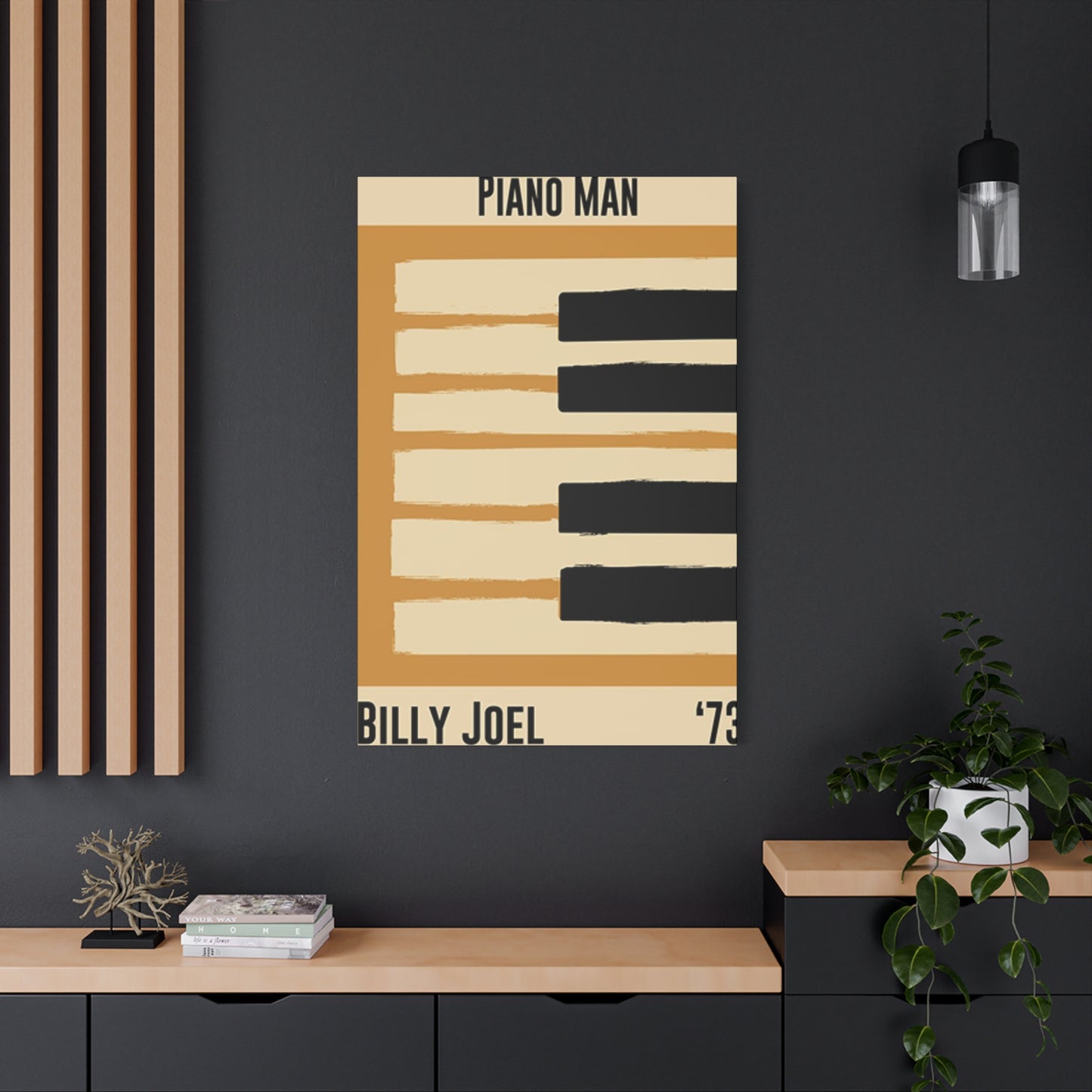
Radiant Keys: How Yellow Piano Painting Wall Art Elevates Interior Aesthetics
The fusion of musical instruments and visual artistry has captivated collectors and decorators for generations, but few combinations strike the eye and soul quite like yellow piano paintings. These striking pieces merge the elegance of one of humanity's most beloved instruments with the optimism and energy of yellow, creating artworks that resonate on multiple sensory levels. Whether rendered in bold abstract strokes or delicate realistic detail, yellow piano artwork transforms ordinary walls into spaces filled with warmth, creativity, and sophisticated charm.
The appeal of incorporating musical themes into interior design extends far beyond mere decoration. When you introduce a yellow piano painting into your living space, you're not simply hanging artwork—you're inviting conversation, expressing personality, and creating an atmosphere that celebrates both visual and auditory beauty. The piano itself carries centuries of cultural significance, representing refinement, discipline, and artistic expression, while the color yellow brings associations of happiness, intellectual energy, and boundless optimism.
In contemporary interior design, homeowners and designers increasingly seek pieces that offer more than aesthetic value. They want artworks that tell stories, evoke emotions, and create meaningful connections between the viewer and the space. Yellow piano paintings fulfill these desires beautifully, offering layers of meaning that extend from the personal memories of music lessons to the universal language of color psychology. These pieces work equally well in minimalist modern apartments and eclectic bohemian homes, demonstrating remarkable versatility across decorating styles.
The renaissance of musical instrument artwork in home decor reflects broader cultural trends toward personalization and emotional resonance in our living environments. As people spend more time in their homes, the desire to surround themselves with objects that spark joy and inspiration has intensified. Yellow piano paintings answer this call by combining familiar imagery with unexpected color choices, creating fresh perspectives on traditional subjects. The result is artwork that feels simultaneously timeless and contemporary, familiar yet surprising.
For those exploring options in musical-themed decor, yellow piano paintings offer particular advantages. Unlike photographic representations or traditional wood-toned piano portraits, the vibrant yellow palette ensures these pieces command attention without overwhelming adjacent design elements. The color's inherent cheerfulness counterbalances the piano's formal associations, creating a balanced emotional impact that enlivens spaces without introducing visual chaos. This quality makes yellow piano artwork exceptionally adaptable to various rooms and functions within the home.
The growing popularity of these paintings also reflects changing attitudes toward color in interior spaces. Where previous generations might have hesitated to introduce such bold hues into their homes, contemporary decorators embrace color as a tool for personal expression and mood enhancement. Yellow, in particular, has emerged from its reputation as a challenging color to work with, finding new appreciation for its ability to energize spaces and complement both warm and cool color schemes. When applied to piano imagery, this vibrant hue transforms a potentially staid subject into something dynamic and engaging.
Beyond their decorative function, yellow piano paintings serve as daily reminders of creativity's importance in our lives. In an increasingly digital world, where screens dominate our visual landscape, physical artwork grounded in traditional artistic mediums offers a refreshing counterpoint. The tactile quality of paint on canvas, the visible brushstrokes, and the dimensionality of layered pigments all contribute to a viewing experience that engages us differently than digital imagery. When that artwork depicts an instrument as culturally significant as the piano, rendered in a color as emotionally resonant as yellow, the impact multiplies.
This exploration will examine the many facets of yellow piano paintings, from their role as statement pieces in modern interiors to their emotional and symbolic significance. We'll investigate how these artworks create mood, their place within abstract and representational art movements, and practical considerations for incorporating them into your home. Whether you're an experienced art collector or someone just beginning to curate meaningful pieces for your space, understanding the unique qualities of yellow piano paintings will help you appreciate their special place in contemporary home decor.
Sunshine Splashed on Canvas: Yellow Piano Art as Home Decoration
Introducing yellow piano paintings into your home decor strategy offers immediate visual rewards that extend well beyond simple wall coverage. These pieces function as focal points that naturally draw the eye and anchor surrounding design elements. The brilliant yellow hue possesses an inherent luminosity that can transform even poorly lit rooms, creating the illusion of natural sunlight and warmth. When this radiance combines with the piano's elegant silhouette, the result is artwork that simultaneously energizes and sophisticates any space it inhabits.
The versatility of yellow piano paintings becomes apparent when considering their application across different rooms and decorating contexts. In living rooms, these pieces create conversation starters that reflect the homeowner's appreciation for both music and visual arts. The piano's cultural associations with refinement and creativity signal sophisticated tastes, while the unexpected yellow palette demonstrates willingness to embrace bold design choices. This combination appeals to guests and residents alike, creating spaces that feel both welcoming and distinctive.
Bedroom applications of yellow piano artwork require more nuanced consideration but can yield stunning results. Softer, pastel yellow tones in piano paintings can create soothing atmospheres conducive to rest, especially when paired with complementary blues or gentle grays. The presence of musical imagery in sleeping quarters can evoke peaceful associations—lullabies, gentle melodies, and the meditative quality of piano music. For those who play piano themselves, such artwork reinforces personal identity and passion even in private spaces.
Kitchen and dining areas benefit particularly well from yellow piano paintings due to the color's associations with cheerfulness and social interaction. Yellow has long been recognized as an appetite-stimulating color that promotes conversation and conviviality—qualities highly desirable in spaces designed for gathering. A well-chosen yellow piano painting above a dining sideboard or on a breakfast nook wall adds sophistication to these functional spaces without sacrificing warmth or approachability. The musical element introduces subtle elegance that elevates everyday meals into more ceremonial experiences.
Home offices and creative workspaces find ideal decoration in yellow piano artwork due to the color's cognitive benefits. Yellow stimulates mental activity, encourages optimism, and supports creative thinking—all valuable qualities in work environments. The piano imagery reinforces discipline and mastery, serving as a visual reminder that skill develops through consistent practice and dedication. For musicians, writers, designers, and other creative professionals, these paintings create inspiring environments that celebrate artistic achievement while promoting productive mindsets.
The scale and proportion of yellow piano paintings dramatically affect their decorative impact. Large-scale pieces measuring several feet across make bold architectural statements, essentially functioning as furniture pieces that define spatial relationships within rooms. These commanding artworks work best in spaces with ample wall area and high ceilings, where their presence can be appreciated without overwhelming the environment. Smaller yellow piano paintings offer flexibility for gallery wall arrangements, allowing homeowners to combine musical themes with complementary subjects or create rhythmic patterns through repetition.
Framing choices significantly influence how yellow piano paintings integrate into existing decor. Simple, clean frames in black, white, or natural wood allow the artwork itself to dominate, ensuring the yellow hue and piano imagery remain the focal point. More ornate frames can add traditional elegance, particularly effective when contrasting contemporary painting styles with classical framing treatments. Some collectors prefer frameless canvas wraps that extend the painting around the edges, creating a modern, seamless look that emphasizes the artwork's dimensionality.
Lighting considerations prove crucial when displaying yellow piano paintings effectively. These pieces generally benefit from dedicated picture lighting or strategically positioned track lights that illuminate them without creating glare. The yellow pigments respond beautifully to warm-toned lighting, which enhances their golden qualities and creates inviting atmospheres. However, excessive direct sunlight can fade pigments over time, making window placement an important consideration. Rooms with north-facing windows often provide ideal conditions—steady, indirect light that showcases the artwork without posing conservation risks.
Seasonal rotation strategies allow homeowners to maximize their yellow piano painting investments throughout the year. These pieces work exceptionally well during spring and summer months when their sunny disposition complements longer days and outdoor activities. Some decorators choose to rotate them with cooler-toned artwork during autumn and winter, while others appreciate their ability to combat seasonal affective disorder by maintaining cheerful visual stimulation year-round. The decision depends largely on personal preference and the artwork's specific characteristics.
Complementary decor elements can enhance yellow piano paintings' impact without competing for attention. Throw pillows incorporating similar yellow tones create visual connections across the room, while metallic accents in gold or brass echo the color's warm undertones. Plants with yellow blooms or variegated foliage establish organic relationships between the artwork and living elements. Books with yellow spines arranged on nearby shelves, yellow-toned pottery, or textiles incorporating the hue in subtle patterns all contribute to cohesive design schemes centered around these striking paintings.
Vibrant Fusion: Musical Instruments Meet Bold Color on Canvas
The marriage of piano imagery with vibrant yellow palettes represents more than aesthetic choice—it embodies a philosophical approach to art-making that values emotional expression over literal representation. Artists working in this mode recognize that color carries meanings and associations independent of the objects being depicted. By rendering pianos in brilliant yellows rather than traditional blacks, browns, or whites, these creators invite viewers to experience familiar subjects with fresh eyes and open hearts.
This artistic approach has roots in color field painting movements and expressionist traditions that prioritized emotional resonance over photographic accuracy. When artists choose yellow for their piano paintings, they're making deliberate statements about the feelings and ideas they want their work to convey. Yellow's associations with happiness, optimism, and intellectual energy become inseparable from the piano itself, creating composite meanings that neither element could achieve alone. The instrument becomes a vessel for sunshine, a physical manifestation of music's ability to brighten our lives.
The technical execution of yellow piano paintings varies tremendously across artistic styles and individual approaches. Some artists employ thick, impasto techniques that build up layers of yellow pigment, creating textured surfaces that catch light dynamically as viewers move past the work. These dimensional qualities add tactile interest that invites closer inspection, revealing the physical labor and material substance behind the image. Other painters favor smooth, graduated applications of color that create atmospheric effects, suggesting pianos emerging from or dissolving into fields of yellow luminosity.
Abstract interpretations of yellow pianos push beyond recognizable form into purely emotional territory. These works might reduce the piano to its essential geometric components—rectangular body, linear keys, angular legs—rendered as simplified shapes in various yellow hues. The abstraction process strips away unnecessary detail, focusing viewer attention on the interplay between color, form, and compositional relationships. Such paintings appeal to collectors who appreciate art's ability to suggest rather than describe, leaving interpretive space for personal projection and imagination.
Representational yellow piano paintings maintain recognizable piano forms while still embracing color's expressive potential. These works might depict grand pianos with realistic attention to mechanical details—strings, hammers, pedals—but render everything in monochromatic yellow ranges or combine yellow with contrasting accent colors. The tension between realistic form and unrealistic color creates visual interest that keeps viewers engaged, prompting questions about the artist's intentions and the work's meanings. Such pieces satisfy both those who appreciate technical skill and those drawn to conceptual innovation.
Mixed media approaches to yellow piano artwork incorporate materials beyond traditional paint, adding complexity and contemporary relevance. Some artists integrate collage elements—sheet music fragments, actual piano keys, gold leaf—into their yellow piano compositions, creating layered works that reward sustained viewing. Others experiment with textural additives mixed into paint, creating surfaces that reference piano wood grain or the hammered texture of metal strings. These material investigations align with broader contemporary art trends that blur boundaries between painting, sculpture, and assemblage.
The symbolic resonance of combining pianos with yellow extends into cultural and historical territories worth exploring. Pianos have long represented middle-class aspiration, cultural refinement, and dedication to artistic pursuits. Yellow, meanwhile, carries diverse cultural meanings—sacred in some traditions, cautionary in others, but nearly universally associated with visibility and attention. When artists unite these symbols, they create works that can be read through multiple interpretive lenses, from celebrations of accessible creativity to commentaries on art's role in everyday life.
Contemporary artists working with yellow piano imagery often cite inspiration from jazz age aesthetics, where pianos served as social centerpieces and musical expression flourished in vibrant, integrated spaces. The yellow palette might reference the gilded details of performance halls, the warm glow of stage lighting, or simply the exuberant spirit of musical celebration. These historical echoes add depth to works that might initially appear purely decorative, connecting them to broader cultural narratives about music's democratizing power.
Digital technologies increasingly influence how artists conceive and execute yellow piano paintings. Some creators begin with photographic source material digitally manipulated to explore color variations before committing to canvas. Others use projection techniques to establish compositions, then work traditionally from that foundation. Certain artists even create entirely digital yellow piano artworks, though these raise interesting questions about medium specificity and what constitutes a painting in contemporary practice. The relationship between traditional techniques and digital tools continues evolving, with yellow piano imagery serving as one site for these explorations.
The market for yellow piano paintings reflects both niche collecting interests and broader trends in accessible art acquisition. Online galleries and print-on-demand services have democratized access to these works, allowing people worldwide to discover and purchase yellow piano artwork that might never appear in their local markets. This accessibility has benefits and drawbacks—it enables broader appreciation but potentially dilutes the market with mass-produced reproductions of variable quality. Discerning collectors learn to distinguish between original works, limited edition prints, and unlimited reproductions, making choices aligned with their values and budgets.
Where Melodies Meet Hues: Color and Sound in Piano Wall Decoration
The conceptual intersection of music and visual art has fascinated creative minds throughout history, from Kandinsky's attempts to paint music to contemporary synesthesia research exploring literal sensory connections between sound and color. Yellow piano wall art occupies this fascinating territory, asking viewers to consider relationships between two distinct sensory experiences. Can color convey musical qualities? Might visual rhythms parallel auditory ones? These questions animate both the creation and appreciation of works that unite pianos with bold color choices.
Synesthesia, a neurological phenomenon where stimulation of one sensory pathway triggers experiences in another, provides one framework for understanding yellow piano artwork's appeal. Some individuals genuinely experience specific colors when hearing particular musical notes or tones. While most people don't have this literal sensory crossover, many report intuitive associations between certain colors and musical qualities. Yellow often connects with bright, clear tones—high notes on the piano, trumpet fanfares, or crystalline violin passages. Artists tapping into these widespread associations create work that resonates beyond conscious analysis.
The temporal dimension of music contrasts intriguingly with painting's spatial presence, yet yellow piano artworks bridge this divide through implied movement and rhythm. Artists use various techniques to suggest musical temporality within static images. Repetitive patterns might evoke repeated notes or rhythmic pulses. Flowing, gestural brushstrokes can imply melodic movement across registers. The arrangement of yellow tones from pale to saturated might parallel crescendos or diminuendos. Through such visual strategies, paintings capture something of music's dynamic, unfolding nature within frozen moments.
Color theory principles explain yellow's particular effectiveness in musical-themed artwork. As the brightest hue in the spectrum, yellow naturally suggests high frequencies and luminous tones. Its position between green and orange gives it relationships to both cool and warm color families, much as the piano spans an enormous tonal range from deep bass to brilliant treble. The color's tendency to advance visually—appearing to come forward in compositions—parallels how certain musical lines step forward from accompanimental textures. These inherent qualities make yellow especially suitable for conveying musical concepts visually.
Different yellow shades convey distinct musical characteristics when applied to piano imagery. Pale, lemony yellows suggest delicate, high register playing—think Debussy's impressionistic passages or Mozart's crystalline clarity. Rich, golden yellows evoke warmer, more resonant tones—perhaps Brahms's romantic richness or the mellow sound of an old, well-loved upright piano. Intense, nearly orange yellows communicate bold, dramatic music—Rachmaninoff's passionate outbursts or the thunderous power of a full piano concerto. Artists choose their specific yellow palettes with these associative qualities in mind.
The piano itself functions as a uniquely appropriate subject for color-focused artwork due to its visual and cultural characteristics. Its distinctive silhouette remains recognizable even when highly abstracted or rendered in unexpected colors. Unlike many instruments, pianos are furniture pieces that inhabit domestic spaces, making painted representations feel naturally suited to home display. The instrument's keyboard creates strong linear elements that organize compositions, while the case's curved and angular forms offer satisfying geometric variety. These qualities explain why pianos appear so frequently in artwork across movements and eras.
Compositional strategies in yellow piano paintings often emphasize the instrument's architectural qualities, treating it as a constructed form rather than organic subject matter. Artists might highlight the piano's geometric relationships—the rectangular bulk of the case, triangular arrangement of a grand piano's opened lid, parallel rows of keys. Yellow's brightness emphasizes these structural elements, making them read clearly even from a distance. Such compositional clarity serves practical decorative purposes while also creating visually satisfying formal relationships within the picture plane.
The emotional registers available through yellow piano imagery span an impressive range despite the color's generally positive associations. Bright, saturated yellows create energetic, uplifting feelings appropriate for celebratory spaces. Softer, muted yellows generate calmer, more contemplative moods suited to reflective environments. Yellows tinged with green or gray can introduce melancholic or nostalgic qualities, perhaps evoking memories of childhood piano lessons or distant musical experiences. This emotional versatility makes yellow piano paintings remarkably adaptable to different psychological needs and decorating contexts.
Viewers' personal relationships with music significantly influence their responses to yellow piano artwork. Those with extensive musical training or performance experience may appreciate technical details—accurate key proportions, realistic rendering of mechanical elements—that non-musicians overlook. People with strong positive associations with piano music respond more emotionally to these images than those without such connections. Former piano students might experience complex feelings mixing nostalgia, pride, regret, or joy when encountering piano imagery. Artists working in this genre tap into these varied associations, creating works that resonate differently across diverse audiences.
The multisensory suggestion inherent in yellow piano paintings aligns with contemporary neuroscience research showing how deeply interconnected our sensory processing actually is. Even without synesthesia, humans regularly make cross-modal associations—describing sounds as bright or dark, tastes as sharp or round, textures as loud or quiet. Yellow piano artwork engages these cross-modal processing tendencies, inviting viewers to translate visual information into imagined auditory experiences. This cognitive engagement deepens appreciation and creates more memorable viewing experiences than purely visual subjects might generate.
Bold Centerpieces: Yellow Piano Art as Focal Points
Statement pieces serve crucial roles in interior design by establishing visual hierarchies and expressing homeowner personalities. Yellow piano paintings excel in this capacity due to their combination of familiar imagery and unexpected color treatment. When positioned prominently, these works immediately communicate that the space's occupants value creativity, embrace color confidently, and appreciate both musical and visual arts. The pieces function as three-dimensional expressions of identity, telling guests and residents alike about the values and aesthetics that define the home.
The psychology of focal points in interior spaces explains why yellow piano paintings work so effectively as centerpieces. Human visual systems naturally seek out areas of highest contrast and brightest color when scanning environments. Yellow's luminosity combined with the piano's recognizable form creates powerful attention-grabbing combinations that establish clear visual priorities within rooms. Once attention focuses on the painting, the eye then explores surrounding elements in relationship to this anchor point. Good design uses this natural tendency strategically, ensuring focal points enhance rather than compete with overall spatial harmony.
Sizing considerations prove critical when selecting yellow piano paintings intended as statement pieces. Oversized works measuring four feet across or larger make unmistakable bold statements, essentially functioning as architectural elements that define spaces. These dramatic pieces require substantial wall area and work best in rooms with high ceilings and minimal visual competition. Medium-sized paintings between two and four feet across offer versatility, making significant impact without dominating environments. They work well above sofas, beds, or console tables, creating balanced relationships between furniture and wall art.
Placement strategies for statement yellow piano paintings balance visibility with viewing distance and context. In living rooms, positioning above seating areas ensures the work remains visible to seated guests while creating psychological comfort through overhead visual interest. Dining rooms benefit from piano paintings placed where diners can appreciate them during meals without excessive neck craning. Entryways and foyers create powerful first impressions when featuring bold yellow piano artwork, immediately establishing the home's aesthetic character. Hallways transform from purely transitional spaces into gallery-like experiences when featuring these eye-catching pieces.
Color coordination between yellow piano paintings and surrounding decor requires careful consideration to avoid visual chaos. Monochromatic schemes using various yellow shades create sophisticated, cohesive looks that let the artwork integrate smoothly into the environment. Complementary approaches pairing yellow with purples or violets generate high-contrast drama that emphasizes the painting's boldness. Analogous schemes combining yellow with adjacent spectrum colors—oranges and greens—create harmonious relationships that feel natural and balanced. Neutral backgrounds in grays, whites, or taupes allow yellow piano paintings to shine without color competition.
Lighting design dramatically affects how yellow piano statement pieces function in spaces. Direct spotlighting creates theatrical emphasis, ensuring the artwork commands attention even in complex visual environments. Track lighting offers flexibility to adjust emphasis as needed for different occasions or times of day. Natural lighting from windows can beautifully illuminate yellow pigments during daylight hours but requires consideration of sun damage risks. Ambient lighting creates softer integration, allowing the painting to glow gently rather than dominate aggressively. The appropriate approach depends on the specific artwork and desired atmosphere.
Furniture arrangement in rooms featuring yellow piano statement pieces should acknowledge and complement the artwork's presence. Seating oriented toward the painting invites contemplation and conversation about the work. Coffee tables positioned to create visual pathways between seating and artwork facilitate comfortable viewing angles. Shelving or console tables beneath paintings provide opportunities for complementary decorative objects that extend the musical or color themes. The goal involves creating cohesive spatial relationships where furniture, artwork, and architectural elements work together rather than competing.
The statement-making power of yellow piano paintings extends beyond visual impact to cultural and intellectual signaling. Displaying such work communicates cultural literacy and engagement with contemporary art trends. It suggests openness to unconventional thinking—comfort with familiar subjects treated in unexpected ways. For homes where music plays important roles—whether through performance, listening, or appreciation—these paintings validate and celebrate those interests. The works become physical manifestations of values, creating environments that reflect and reinforce residents' identities.
Seasonal and occasional styling around yellow piano statement pieces offers opportunities for creative expression while maintaining the artwork's central role. Spring decorating might incorporate fresh yellow flowers echoing the painting's hues, creating connections between artwork and natural world. Holiday styling can complement yellow with seasonally appropriate accent colors without overwhelming the painting's presence. Everyday styling should remain relatively minimal, allowing the statement piece to maintain focus without visual competition from excessive accessorizing. The painting itself provides sufficient interest and color—additional elements should enhance rather than distract.
Investment considerations make yellow piano paintings attractive statement pieces beyond their aesthetic merits. Original works by established artists appreciate over time, offering financial value alongside decorative function. Limited edition prints provide accessibility while maintaining some collectibility. The specific style, artist reputation, and market trends all influence investment potential. However, the most important value remains personal—the daily enrichment and joy these pieces bring to living spaces far outweighs financial considerations for most collectors. Statement pieces should first and foremost make statements about what we love.
Emotional Resonance: The Psychological Impact of Yellow Piano Artwork
The emotional effects of yellow piano paintings operate on multiple psychological levels, from immediate visceral responses to complex cognitive associations. Color psychology research consistently identifies yellow as stimulating, optimistic, and energizing, triggering heightened mental alertness and positive emotional states. When this powerful hue combines with piano imagery—already laden with cultural and personal associations—the emotional impact intensifies. Viewers experience layered responses that blend color-driven mood effects with memory-triggered feelings about music and creativity.
Personal histories with piano music profoundly shape individual responses to these artworks. Former piano students might experience nostalgia mixed with pride or regret, depending on their relationship with lessons and practice. Professional musicians may feel kinship and validation seeing their instrument celebrated in visual form. People who grew up in homes with pianos often carry warm associations of family gatherings, holiday celebrations, or simply the comforting background presence of music in domestic life. Artists creating yellow piano paintings tap into these deep emotional reservoirs, whether consciously or intuitively.
The association between yellow and happiness has strong empirical support in psychological research across cultures, though specific meanings vary. Western traditions generally link yellow with joy, optimism, and mental clarity. Eastern philosophies often connect yellow with sacred wisdom and spiritual enlightenment. These generally positive associations transfer to yellow piano paintings, creating immediate favorable responses in most viewers. The cheerful color counterbalances any seriousness or formality associated with piano imagery, resulting in artwork that feels approachable despite sophisticated subject matter.
Cognitive stimulation provided by yellow contributes to these paintings' effects beyond simple mood enhancement. Yellow increases mental alertness and activity, supporting concentration and creative thinking. This makes yellow piano artwork particularly appropriate for spaces where mental work occurs—home offices, studios, or study areas. The color's stimulating properties help combat mental fatigue and maintain engagement with tasks. However, excessive yellow exposure can become overstimulating for some individuals, creating anxiety or restlessness. Balance remains important when incorporating these bold works into living spaces.
Musical associations embedded in piano imagery activate memory networks and emotional responses independent of the artwork's visual qualities. Hearing music engages multiple brain regions simultaneously, creating rich, complex neural activity. Even when music isn't physically present, visual representations of instruments can trigger musical memories and their associated emotions. People viewing yellow piano paintings might mentally hear favorite pieces, remember specific performances, or simply experience the general positive feelings they associate with music. This cognitive activation adds depth to the viewing experience beyond purely visual appreciation.
The combination of uplifting color and culturally refined subject matter creates interesting psychological tensions within yellow piano artwork. Pianos traditionally signify sophistication, discipline, and cultural capital—serious qualities associated with achievement and effort. Yellow's cheerfulness and accessibility could theoretically conflict with this gravitas, yet most viewers experience these elements as complementary rather than contradictory. The yellow lifts potential stuffiness from piano imagery, while the piano grounds yellow's exuberance with substance and meaning. This balance makes the artwork feel both joyful and significant.
Emotional regulation represents another dimension of yellow piano paintings' psychological impact. Art in living spaces affects residents' emotional baselines and helps manage daily stress. Yellow's mood-elevating properties can counteract tendencies toward depression or low energy, particularly valuable during darker months or in spaces with limited natural light. The presence of musical imagery may encourage actual music-making or listening, activities with well-documented mental health benefits. Simply viewing artwork that represents meaningful personal interests validates those passions, contributing to overall life satisfaction and sense of identity coherence.
The role of beauty and aesthetic pleasure in psychological wellbeing shouldn't be underestimated when considering yellow piano paintings' effects. Humans possess deep needs for beauty that transcend mere survival concerns. Creating and surrounding ourselves with visually pleasing environments contributes significantly to quality of life and mental health. Yellow piano paintings that genuinely resonate with individual tastes provide daily micro-doses of aesthetic satisfaction, small but cumulative contributions to happiness and wellbeing. This explains why people often report strong emotional attachments to specific artworks in their homes.
Conversation facilitation represents an indirect but significant psychological benefit of displaying yellow piano artwork. These distinctive pieces naturally prompt discussion among guests, creating opportunities for connection and self-expression. Hosts can share why they chose the work, relate personal musical experiences, or simply enjoy seeing others' reactions. Such interactions strengthen social bonds and create shared memories associated with the space. For people who enjoy entertaining, artwork that reliably generates interest and conversation adds substantial value beyond private viewing pleasure.
The long-term psychological impact of living with yellow piano paintings develops gradually as the works become integrated into daily life. Initial excitement about new artwork eventually settles into comfortable familiarity, yet well-chosen pieces continue providing satisfaction over years or decades. The paintings become part of home's emotional landscape, witnesses to life events and repositories of accumulated memories. This deepening relationship with artworks transforms them from mere decorations into meaningful personal objects that help define sense of place and belonging.
Contemporary Brilliance: Yellow Pianos in Current Art Movements
Modern art movements embrace yellow piano imagery as vehicles for exploring color relationships, abstraction, and the continuing relevance of representational subject matter. Contemporary artists working with these themes participate in ongoing conversations about painting's possibilities in an increasingly digital age. The choice to depict pianos—traditional, analog instruments—using bold, expressive color approaches creates interesting tensions between old and new, classical and contemporary. These works assert painting's vitality while acknowledging changed contexts and expanded possibilities.
Minimalist approaches to yellow piano paintings strip away all non-essential elements, focusing on basic forms and color relationships. An artist might reduce a piano to simple geometric shapes—rectangles representing the body and keys—rendered in single yellow hue against contrasting background. These spare compositions emphasize formal relationships and color impact rather than detailed representation. The minimalist aesthetic appeals to contemporary sensibilities valuing clarity and simplicity, creating works that integrate seamlessly into modern interiors while maintaining sufficient interest to sustain attention.
Maximalist interpretations take opposite approaches, layering complex patterns, textures, and multiple yellow shades into dense, visually rich compositions. These baroque contemporary works might combine realistic piano rendering with abstract backgrounds, decorative elements, or symbolic additions. The maximalist impulse reflects cultural abundance and information overload, creating artworks that reward extended viewing as new details continually emerge. Such pieces suit eclectic interiors and collectors who enjoy visual complexity and narrative richness in their artwork.
Street art influences appear in yellow piano paintings that incorporate graffiti aesthetics, stenciling techniques, or urban typography elements. These works connect classical piano imagery with contemporary urban culture, creating bridges between high and popular art traditions. The combination might seem unlikely, yet it reflects real-world contexts where all cultural forms coexist and influence each other. Artists working in this mode often explore themes of accessibility, democratization of culture, and breaking down artificial hierarchies between art forms.
Pop art legacies continue influencing contemporary yellow piano paintings through bold color choices, graphic simplification, and embrace of recognizable imagery. Following Warhol and Lichtenstein's strategies of elevating everyday objects through artistic treatment, some artists approach pianos as consumer objects worthy of aesthetic attention. The yellow color palette amplifies pop art's characteristic brightness and accessibility. These works celebrate rather than critique contemporary visual culture, creating cheerful, engaging artworks that resist excessive seriousness or pretension.
Digital art techniques increasingly influence even traditionally executed yellow piano paintings as artists move between physical and digital media. Paintings might begin as digital compositions, translated to canvas through various means ranging from projection-aided drawing to direct digital printing on canvas. Others remain entirely digital, existing as files displayed on screens rather than physical pigment on surfaces. These technology-integrated approaches raise questions about medium specificity and authenticity that contemporary art engages rather than avoids. The democratization of image-making through technology influences even traditionally-minded painters.
Environmental consciousness appears in yellow piano artwork through material choices and thematic content. Some artists use sustainable, non-toxic pigments and responsibly sourced canvases as ethical statements. Others incorporate environmental themes into their piano imagery—perhaps depicting instruments overgrown with plants or integrated into natural settings. The yellow palette might reference solar energy, sustainable brightness, or simply the natural world's abundant yellows in flowers, fruits, and autumn leaves. These ecological connections add contemporary relevance to traditional subject matter.
Feminist and inclusive perspectives influence contemporary yellow piano artwork by questioning who historically had access to musical training and whose artistic expression received validation. Some artists deliberately feature upright pianos rather than grand pianos, highlighting middle-class domesticity over concert hall grandeur. Others incorporate diverse hands on keyboards or surround pianos with domestic objects that acknowledge musical culture's embedding in everyday life. These subtle shifts in perspective create artworks that speak to broader experiences beyond traditional masculine genius narratives.
Global influences enrich contemporary yellow piano paintings as artists draw from diverse cultural traditions and aesthetic systems. Asian minimalism, African pattern traditions, Latin American color sensibilities, and countless other cultural influences blend in contemporary work. The piano itself represents Western classical tradition, but contemporary artists place it in dialogue with global aesthetics. Yellow's universal presence across cultures—in traditional textiles, religious art, architectural elements—facilitates these cross-cultural conversations. The resulting artworks reflect our interconnected contemporary world.
Market dynamics shape contemporary yellow piano painting production as artists respond to collector interests and commercial galleries' curatorial choices. Online platforms enable direct artist-to-collector sales, changing how markets operate and what succeeds commercially. Social media visibility favors highly photogenic works that reproduce well digitally—often benefiting bold color choices like yellow piano paintings. These economic realities influence artistic decisions, though most serious artists balance commercial considerations with personal vision and aesthetic integrity. The tension between artistic and commercial imperatives remains constant throughout art history.
Atmospheric Transformation: Creating Ambiance with Yellow Piano Art
The capacity of yellow piano paintings to transform room atmospheres extends beyond simple decoration into realm of mood engineering and spatial psychology. When thoughtfully selected and positioned, these artworks actively shape how spaces feel to occupants and visitors. The interplay between yellow's energizing properties, piano imagery's cultural associations, and the specific artwork's style creates complex atmospheric effects that can be intentionally designed to support desired experiences and activities within rooms.
Morning spaces benefit particularly from yellow piano artwork's awakening qualities. Breakfast nooks, kitchens, and east-facing rooms where residents begin their days gain energetic uplift from these cheerful pieces. The yellow hue mimics morning sunlight's effects, helping regulate circadian rhythms and promote alertness. Piano imagery adds sophistication that elevates mundane morning routines into more intentional rituals. Together, these elements create environments that encourage positive starts to days, setting upbeat tones that carry forward into subsequent hours.
Evening relaxation spaces require different atmospheric qualities than active daytime areas, yet certain yellow piano paintings work beautifully in these contexts too. Softer, more muted yellows in gentle, flowing compositions can create calm rather than stimulation. When paired with dim, warm lighting, these pieces glow softly rather than demanding attention, providing visual interest without disrupting restful atmospheres. The musical associations might encourage gentle piano music selections that enhance relaxation. The key involves matching painting style and color intensity to intended evening moods.
Social gathering spaces transform through yellow piano artwork that encourages interaction and conversation. The pieces serve as natural discussion topics while their cheerful presence supports the positive emotional states conducive to enjoyable socializing. Positioning these works where seated guests naturally view them ensures consistent engagement throughout gatherings. The sophistication of piano imagery elevates casual get-togethers while yellow's accessibility prevents stuffiness. This balance creates welcoming environments where diverse guests feel comfortable regardless of their cultural or educational backgrounds.
Creative workspaces gain significant benefits from yellow piano paintings' dual nature as both stimulating and meaningful. The color boosts mental energy and creative thinking while the musical subject matter validates artistic pursuits and encourages disciplined practice. For creative professionals working from home, these pieces help mentally separate work areas from domestic spaces despite physical co-location. The artwork signals that this space is dedicated to creative production, supporting psychological transitions between home and work modes even within single rooms.
Meditation and contemplative spaces might seem unsuited to bright yellow artwork, yet certain approaches work beautifully in these contexts. Paintings featuring single, simplified yellow piano forms against neutral backgrounds can serve as focal points for meditation, much like mandalas or other traditional contemplative images. The piano's inherent rhythm and repetition—eighty-eight keys, alternating black and white—creates pattern that settles the mind. Soft yellow hues in such contexts suggest illumination and clarity rather than excitement, supporting meditative practices rather than disturbing them.
Children's spaces welcome yellow piano artwork's playfulness while introducing cultural sophistication that grows with the child. Bright, cartoonish yellow piano paintings delight young children while abstract or more sophisticated pieces appeal to older kids and teenagers. Musical imagery in children's rooms normalizes artistic pursuits and may encourage musical interests. The yellow supports children's natural energy and curiosity. As children mature, the same artwork takes on different meanings, growing with them rather than becoming childishly inappropriate—a practical consideration for longer-term decorating investments.
Conclusion
In conclusion, yellow piano painting wall art offers a unique and vibrant way to enhance the aesthetics of any interior space. Whether you're designing a modern living room, a cozy music room, or a minimalist office, this type of art can serve as a captivating focal point that energizes the environment. By combining the timeless elegance of the piano with the bold and optimistic hue of yellow, this form of wall art effortlessly strikes a balance between sophistication and playfulness.
The psychological impact of color cannot be understated, and yellow, often associated with joy, creativity, and positivity, brings a refreshing and uplifting quality to a room. It has the power to evoke a sense of warmth and happiness, making it ideal for spaces where comfort and inspiration are key. When paired with the intricate beauty of a piano, an instrument long revered for its artistry and emotional depth, the painting becomes more than just a decorative element—it becomes a symbol of both musical and visual harmony.
From a design perspective, the versatility of yellow piano paintings makes them adaptable to a wide range of interior styles. In modern or contemporary settings, they add a pop of color that contrasts nicely with neutral tones, brightening up the space without overwhelming it. For more traditional or eclectic spaces, these paintings can serve as an unexpected, yet fitting, juxtaposition against classic furnishings. The abstract or realistic depiction of the piano keys in yellow further enhances the piece’s ability to blend into various design aesthetics while still standing out as a conversation starter.
Another key advantage of yellow piano painting wall art is its ability to evoke nostalgia while remaining fresh and innovative. The piano itself is an instrument steeped in history, and its inclusion in wall art taps into a collective appreciation for music and the emotions it can elicit. However, the use of yellow as the primary color reinvents this timeless symbol, offering a modern twist that appeals to contemporary tastes. Whether the painting portrays a grand piano in full splendor or a more abstract interpretation of keys and chords, it offers a dynamic fusion of the old and the new.
Additionally, incorporating yellow piano paintings into a space can provide a sense of balance and rhythm—qualities that are naturally present in both music and art. The arrangement of piano keys in such artworks often mirrors the way music flows, creating a visual cadence that subtly enhances the overall harmony of the room. Just as a well-composed piece of music can stir emotions, a carefully chosen painting can evoke similar feelings, creating a space that feels both serene and invigorating.
Ultimately, yellow piano paintings offer more than just decoration—they elevate the aesthetic value of any space while infusing it with meaning, emotion, and a sense of character. By selecting the right piece, homeowners can transform a bland wall into a striking visual experience, blending music, art, and color in ways that are visually compelling and emotionally resonant. Whether it's the brightness of yellow that draws people in or the intricate beauty of the piano's design, these paintings serve as a reminder of the power of art to elevate everyday life, making any room feel more inspiring, engaging, and alive.


