


Yellow Shell Stem Painting Wall Art & Canvas Prints
Yellow Shell Stem Painting Wall Art & Canvas Prints
Couldn't load pickup availability


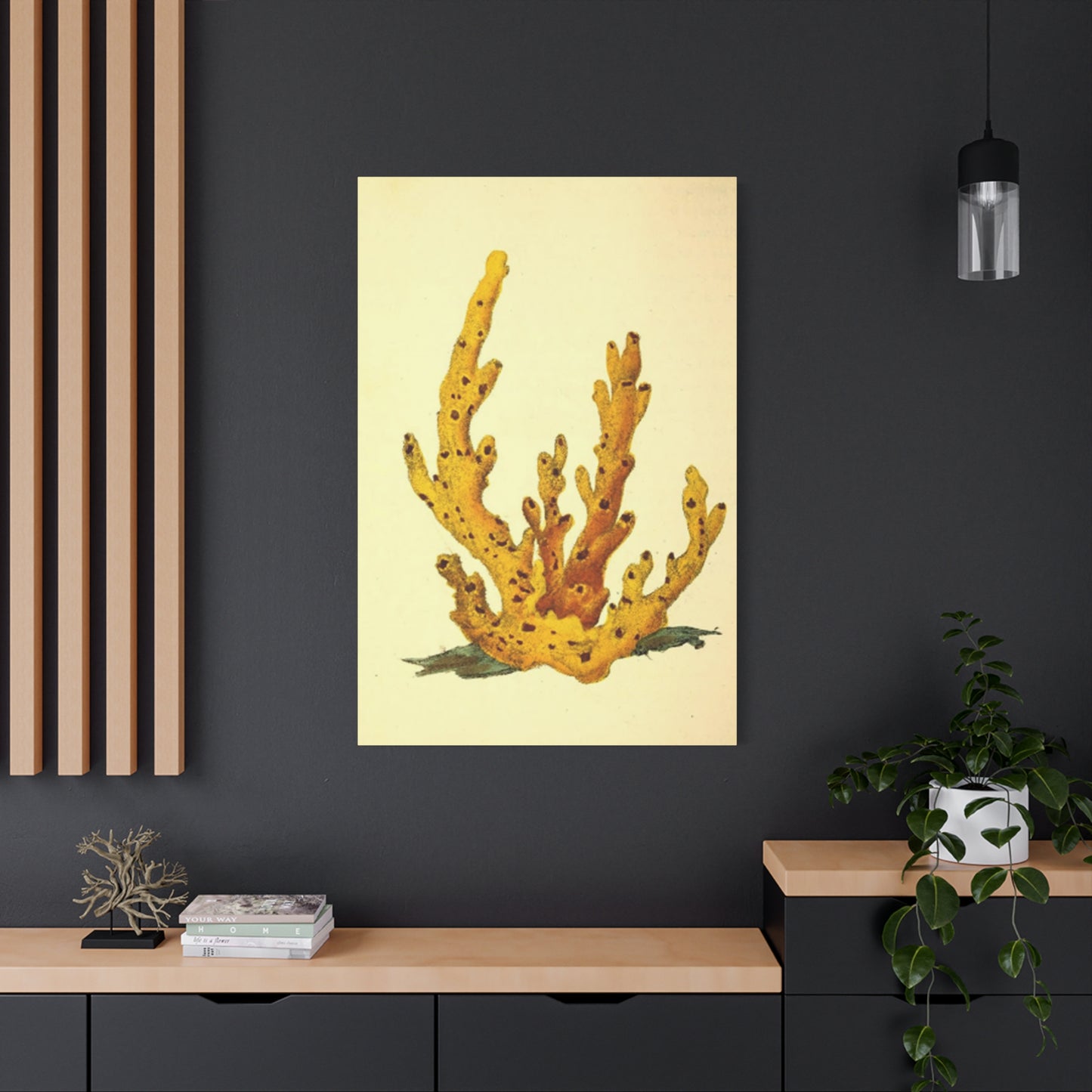
Oceanic Radiance: Yellow Shell Stem Wall Art That Brings Coastal Energy Into Your Living Space
When it comes to decorating your living space with elements that evoke the tranquility of the seaside while simultaneously injecting vibrant energy into your environment, few artistic choices compare to the captivating beauty of yellow shell stem artwork. This distinctive decorative approach combines the organic elegance of marine treasures with the fresh vitality of botanical elements, creating visual compositions that resonate with anyone who appreciates the natural world. The marriage of golden-hued mollusks and graceful plant forms produces artwork that transcends conventional interior design categories, offering something truly special for those who seek to infuse their homes with the essence of coastal living without resorting to predictable nautical themes.
The appeal of this artistic style lies in its ability to capture the essence of beachside environments while maintaining a sophisticated aesthetic that works beautifully in contemporary settings. Unlike traditional seascape paintings or stereotypical maritime decorations, these pieces offer a subtle nod to oceanic inspiration that feels both refined and refreshing. The luminous quality of the shells combined with the organic architecture of stems creates a visual dialogue between two distinct aspects of the natural environment, resulting in artwork that feels simultaneously grounded and uplifting.
For homeowners and interior design enthusiasts seeking to create spaces that feel connected to the natural world, this artistic approach offers endless possibilities. The warm tones and organic forms work harmoniously with various design schemes, from minimalist modern spaces to more eclectic bohemian environments. Each piece tells a story of where land meets sea, where the treasures washed ashore by tides meet the living greenery that flourishes in coastal environments. This intersection of marine and botanical elements creates artwork that feels alive with possibility, bringing a sense of movement and growth into static spaces.
Creating Inviting Atmospheres Through Marine Botanical Compositions
The practice of incorporating natural elements into interior spaces has ancient roots, stretching back to civilizations that understood the psychological benefits of surrounding themselves with reminders of the natural world. In our contemporary era, where many people spend the majority of their time indoors, this connection has become even more crucial for maintaining wellbeing and creating environments that nurture rather than drain us. Artwork featuring marine shells paired with botanical stems serves as a bridge between our built environments and the organic world beyond our walls, offering visual respite and emotional grounding.
When we examine why these particular compositions resonate so deeply with viewers, we discover that the combination taps into multiple levels of human psychology and aesthetic appreciation. The shells themselves carry associations with leisure, vacation, discovery, and the meditative quality of beachcombing. They remind us of moments spent walking along shorelines, feeling sand between our toes, and experiencing the rhythmic sound of waves. Meanwhile, the botanical elements introduce themes of growth, vitality, renewal, and the persistent life force that characterizes the plant kingdom. Together, these components create a narrative that speaks to our desire for both relaxation and vitality.
The golden tones that characterize these compositions hold particular significance in color psychology and interior design. This hue occupies a unique position in the spectrum, combining the energy and warmth of orange with the optimism and clarity of pure sunshine. Unlike more aggressive warm colors, these softer golden tones create warmth without overwhelming spaces, making them remarkably versatile for various room types and lighting conditions. The color evokes feelings of contentment, prosperity, and gentle joy, making it an excellent choice for spaces where people gather, relax, or seek creative inspiration.
Furthermore, the textural contrast between the smooth, calcified surfaces of shells and the organic, sometimes fibrous quality of stems adds dimensional interest to these artworks. Even in two-dimensional representations, skilled artists can capture this textural variation, creating pieces that engage viewers on multiple sensory levels. This textural richness prevents the artwork from feeling flat or monotonous, encouraging repeated viewing and sustained interest over time. Each glance reveals new details, subtle color variations, or compositional elements that may have been overlooked in previous encounters.
The Luminous Appeal of Golden Marine Treasures in Interior Design
The specific choice of incorporating shells with golden coloring into artistic compositions reflects a deep understanding of how color affects mood and spatial perception. These warm-toned mollusks possess an inherent luminosity that seems to capture and reflect light in ways that cooler-toned shells simply cannot match. This quality makes them particularly valuable in interior spaces that may lack abundant natural light or in rooms where creating a sense of warmth is a priority. The shells act almost like miniature light sources within the composition, drawing the eye and creating focal points that anchor the entire piece.
Beyond their purely visual characteristics, these marine elements carry rich symbolic associations that add layers of meaning to the artwork. Throughout human history, shells have represented protection, fertility, prosperity, and the mysteries of the ocean depths. In various cultures, they have served as currency, ceremonial objects, and talismans of good fortune. When incorporated into contemporary artwork, these ancient associations continue to resonate at a subconscious level, enriching the viewer's experience with depths of meaning that extend beyond simple aesthetic appreciation.
The sculptural quality of these marine forms also contributes significantly to their artistic appeal. Each specimen represents a unique biological creation, with spiral formations, ridged surfaces, and architectural structures that have evolved over millions of years. The mathematical precision evident in many shell forms, particularly the logarithmic spirals found in numerous species, creates a sense of order and harmony that appeals to our innate appreciation for pattern and proportion. Artists who work with these subjects often emphasize these geometric qualities, creating compositions that feel both organic and structured.
When paired with botanical elements, particularly stems with their own elegant geometry, the shells gain context and relationship within the composition. The vertical thrust of stems provides contrast to the more compact, circular forms of many shells, creating dynamic visual tension that keeps the artwork engaging. This interplay between different natural forms mirrors the way we experience nature itself, where various life forms coexist and create complex ecosystems. The artwork thus becomes not just a representation of isolated objects but a suggestion of broader natural relationships and systems.
The versatility of this artistic approach allows for tremendous variation in style and execution. Some artists favor photorealistic renderings that capture every detail of texture and coloration, creating pieces that function almost like scientific illustrations in their precision. Others take more impressionistic or abstract approaches, using the shells and stems as starting points for explorations of color, form, and emotional expression. Still others incorporate mixed media techniques, combining painting with actual pressed botanicals or shell fragments, creating dimensional pieces that blur the boundary between painting and sculpture. This range of possibilities ensures that there exists a version of this artistic genre to suit virtually any aesthetic preference.
Illuminating Your Living Environment with Seaside-Inspired Artwork
The transformative power of well-chosen artwork in residential spaces cannot be overstated, and pieces featuring marine botanical subjects offer particular advantages for those seeking to create uplifting, harmonious environments. Unlike artwork that demands constant attention or creates visual tension through dramatic contrasts or challenging subjects, these compositions tend to work more subtly, creating background presence that enriches spaces without dominating them. This quality makes them especially suitable for rooms where relaxation, conversation, or concentration are primary activities.
In living areas where families gather or guests are entertained, the warmth of golden tones creates an immediate sense of welcome and comfort. The natural subjects provide universal appeal that transcends age groups and cultural backgrounds, making them excellent choices for shared spaces. Unlike more polarizing artistic styles or controversial subjects, these nature-inspired pieces typically generate positive responses from diverse viewers, facilitating rather than hindering social interaction. The artwork serves as both visual enhancement and conversation starter, inviting comments about beach memories, nature experiences, or aesthetic preferences.
For bedrooms and private retreats, the calming associations of both marine and botanical elements create environments conducive to rest and restoration. The organic forms and warm colors work together to reduce stress and promote feelings of tranquility, qualities that are essential for spaces dedicated to sleep and relaxation. Unlike stimulating artwork featuring bold colors or dynamic compositions, these gentler pieces support the room's primary function without creating visual or psychological disruption. They become part of the room's restorative atmosphere, contributing to better sleep quality and more peaceful waking moments.
In work environments, whether home offices or creative studios, the presence of nature-inspired artwork has been shown to enhance cognitive function, reduce mental fatigue, and support sustained concentration. The specific combination of shells and botanical stems offers the additional benefit of suggesting growth and evolution, themes that align well with professional development and creative endeavors. The artwork serves as a visual reminder of natural processes of development and transformation, potentially inspiring persistence and patience with creative or professional projects. The warm tones also help counteract the often cold, sterile feeling of technology-dominated workspaces, creating environments that feel more human and hospitable.
Dining areas benefit particularly from the appetite-enhancing qualities of warm color palettes. The golden tones present in these artworks create an atmosphere of abundance and celebration that makes meals feel more special and social interactions around the table more enjoyable. The organic subjects connect to food and sustenance at a fundamental level, as both shells and plants represent life-sustaining aspects of the natural world. This connection, while subtle, adds an appropriate thematic element to spaces dedicated to nourishment and fellowship.
Vibrant Expression Through Marine Botanical Wall Compositions
The decision to feature bold coloring in artwork represents a commitment to creating spaces with personality and presence rather than neutral backgrounds that disappear into obscurity. When the bold element comes through natural golden tones rather than artificial or synthetic colors, the result feels both striking and authentic. This combination of impact and genuineness makes these artworks particularly effective at commanding attention without feeling aggressive or overwhelming. They create focal points that enhance rather than compete with the other design elements in a space.
The freshness that characterizes these compositions stems partly from their subject matter and partly from the way contemporary artists approach these timeless natural forms. By combining traditional subjects with modern compositional techniques, color palettes, and sometimes experimental media applications, artists create works that honor natural beauty while remaining firmly rooted in contemporary aesthetic sensibilities. This bridging of traditional and modern creates artwork that feels both timeless and current, avoiding the trap of appearing dated or overly trendy.
Scale plays a crucial role in how these artworks function within spaces. Larger pieces create dramatic impact, transforming entire walls into portals that seem to open onto coastal environments or botanical gardens. They can anchor entire rooms, providing the foundational visual element around which other design decisions revolve. Smaller works offer more subtle enhancement, suitable for creating gallery walls, filling specific architectural features, or adding interest to transitional spaces like hallways or staircases. The subject matter scales remarkably well, remaining recognizable and impactful whether rendered in intimate detail on small canvases or interpreted more broadly on expansive walls.
The interaction between these artworks and lighting conditions deserves careful consideration during placement. The golden tones respond particularly beautifully to warm artificial lighting, seeming to glow from within when properly illuminated. Natural daylight reveals subtle color variations and textural details that may be less apparent under artificial light, creating different viewing experiences at different times of day. This changing quality adds vitality to the artwork, ensuring that it never becomes static or predictable. Strategic placement relative to light sources can dramatically enhance the artwork's impact and integration within the space.
Framing choices significantly influence how these works are perceived and how well they integrate with surrounding decor. Natural wood frames in light or medium tones echo the organic subject matter while adding structural definition. Painted frames in complementary colors can either blend with the artwork for a cohesive look or provide deliberate contrast for more dynamic presentation. Modern metal frames in warm metallics like brass or copper pick up the golden tones in the shells, creating unified color stories. The absence of frames, particularly for canvas works with painted edges, creates a more contemporary, relaxed appearance that works well in casual or eclectic spaces.
Nature's Metallic Radiance Captured in Artistic Form
The comparison between the lustrous quality of certain shells and precious metals has persisted throughout human history, with various cultures incorporating shells into decorative objects that also featured actual gold or other metals. This association between natural shells and metallic brilliance isn't merely superficial; the nacre that forms the inner layers of many shells possesses genuine iridescent properties that create shifting colors and metallic sheens. Artists who capture this quality in their work tap into deep-seated human appreciation for both natural beauty and precious materials, creating pieces that satisfy multiple aesthetic desires simultaneously.
The specific structures that create this metallic appearance in shells result from microscopic layers of calcium carbonate arranged in precise patterns that interact with light in extraordinary ways. This biological architecture, refined through millions of years of evolution, produces optical effects that humans have long sought to replicate in everything from paint formulations to jewelry design. When artists successfully capture these qualities in their work, they're not simply recording appearances but documenting remarkable natural engineering and the play of physics with biological forms.
The stems that accompany the shells in these compositions provide essential balance to the visual weight and complexity of the mollusks. While shells tend to draw immediate attention due to their unusual forms and reflective properties, the stems offer linear elements that guide the eye through the composition, creating pathways for visual exploration. They provide rhythm and movement that prevent the artwork from feeling static or confined. The relationship between the vertical, reaching quality of stems and the more contained, architectural forms of shells creates productive tension that makes compositions feel alive and dynamic.
Color harmony between the golden shells and the typical greens of stems follows classical color theory principles, with the warm yellows and cooler greens creating pleasing complementary relationships. This pairing occurs naturally in coastal environments where vegetation grows near beaches, giving the artistic combination an authentic, observed-from-life quality even when compositions are imaginatively assembled. The familiarity of this color relationship, seen in countless natural settings, makes it immediately readable and comfortable to viewers while still offering visual interest through specific hue variations and saturation levels.
The seasonal neutrality of these subjects provides year-round appropriateness that more specifically seasonal artwork lacks. Unlike pieces featuring autumn leaves or winter scenes, these compositions don't suggest particular times of year, making them equally suitable for display in any month. This temporal flexibility means they don't require rotation or storage, simplifying art management while providing consistent visual value. The associations with warmth and sunshine do make them particularly welcome during colder months when their radiance offers cheerful contrast to gray skies and barren landscapes visible through windows.
Maritime Elements and Botanical Forms United on Canvas
The conceptual marriage of objects from different ecological zones creates fascinating artistic possibilities that transcend simple still life arrangements. Shells, formed in saltwater environments and shaped by marine conditions, meet stems that grew in terrestrial settings, nourished by soil and freshwater. This bringing together of elements that wouldn't naturally coexist creates a kind of artistic ecology, a composed environment that exists only within the artwork itself. This constructed nature, rather than feeling false or contrived, often seems to reveal hidden connections between different aspects of the natural world.
The dreamlike quality that can characterize these compositions emerges from this very impossibility of the arrangement. Like surrealist collages that combine unexpected elements, these pieces create their own reality where shells and freshly cut stems occupy the same immediate space. The dreaming referenced in this artistic approach isn't about literal sleep experiences but rather about the aspirational, idealized version of coastal living that exists in imagination and memory. It's the dream of endless summer afternoons, of spaces perpetually filled with fresh flowers and treasures collected during beach walks, of life lived in constant contact with natural beauty.
The canvas itself, whether actual textile canvas or other painting surfaces, becomes the stage where this coastal reverie unfolds. The texture of the painting ground can contribute significantly to the overall effect, with rougher surfaces adding rustic character and smoother grounds allowing for more refined detail rendering. Some artists preserve visible brushwork, allowing the process of creation to remain evident in the finished piece, while others work toward seamless surfaces where technique disappears in service of illusion. Both approaches have merit, with visible process creating one type of connection between viewer and artwork, and technical invisibility creating another.
The composition principles that govern successful arrangements of these elements draw from centuries of still life painting tradition while incorporating contemporary approaches to space and form. Classical principles of balance, proportion, and focal point creation remain relevant, but modern artists often intentionally violate these rules to create more dynamic, unexpected results. Asymmetrical arrangements, unusual cropping, and unconventional perspective choices keep these traditional subjects feeling fresh and relevant. The tension between familiar subjects and innovative presentation prevents the work from feeling derivative or purely nostalgic.
Color temperature plays a sophisticated role in these paintings, with the warmth of golden shells balanced against various temperatures of greens in the stems. Cool blue-greens create maximum contrast and visual snap, making both elements appear more vibrant through simultaneous contrast effects. Warmer yellow-greens create more harmonious, unified color schemes that feel gentler and more cohesive. The background colors and values chosen by the artist dramatically affect how the shells and stems read, with dark backgrounds making elements pop forward and light backgrounds creating airier, more delicate effects. These color decisions fundamentally shape the emotional tone and visual impact of each piece.
Infusing Interior Spaces with Luminous Coastal Artwork
The transformative potential of art in domestic environments goes beyond mere decoration to touch on fundamental aspects of psychological wellbeing and quality of life. When that art specifically evokes sunshine, the psychological benefits multiply, as humans have deep biological responses to both actual sunlight and visual representations that suggest its presence. The warm golden tones in these artworks trigger associations with daylight, warmth, and the outdoor experiences that most people find inherently rewarding. In spaces that lack adequate natural light or in regions where sunshine is scarce for parts of the year, these artworks provide valuable visual compensation.
The specific wavelengths of color present in golden yellows and warm ochres have been studied for their effects on mood and energy levels. Unlike the potentially agitating effects of pure, saturated yellows, the more complex, nuanced golds found in these artworks provide stimulation without overstimulation. They energize without creating anxiety, warm without overwhelming. This makes them particularly suitable for spaces used throughout the day for varied activities, as they support rather than conflict with different moods and purposes. The presence of cooler greens in the botanical elements provides essential balance, preventing the warmth from becoming cloying or monotonous.
The walls of our homes serve as the largest surface areas in most rooms, making decisions about how to treat them critically important to overall spatial quality. Bare walls can feel cold and unwelcoming, while poorly chosen wall treatments can make spaces feel chaotic or oppressive. Thoughtfully selected artwork occupies a middle ground, adding visual interest and personality without the permanence of paint colors or wallpaper. These pieces offer the additional advantage of being portable, able to move with residents to new homes or to different rooms as needs and preferences evolve. This flexibility makes them practical investments that can provide value over many years and across multiple living situations.
The specific subject matter of shells and botanical stems offers the additional practical benefit of being broadly appealing without being generic or bland. While personal taste in art varies tremendously, with some people favoring abstractions and others preferring landscapes or figurative work, natural subjects tend to find more universal appreciation. This makes pieces featuring these subjects excellent choices for homes where multiple people's preferences must be accommodated or for investment properties like vacation rentals where the goal is to appeal to the broadest possible audience. The work remains distinctive and interesting while avoiding potentially alienating stylistic choices.
Installation considerations for these artworks deserve attention to maximize their impact. Height placement should generally position the center of the work at average eye level, though this can be adjusted based on whether the space is primarily experienced while standing or sitting. Distance from the artwork affects how it's perceived, with closer viewing allowing appreciation of surface detail and technique while greater distance emphasizes overall composition and color impact. Consideration of adjacent furniture and architectural features helps integrate the artwork into the room's overall design rather than having it float as an unrelated element. Creating visual relationships between the artwork and other room components builds cohesion and intentionality.
Refined Aesthetic Qualities of Marine Botanical Artworks
Elegance in art represents a subtle quality that's difficult to define precisely but immediately recognizable when encountered. It involves restraint, refinement, careful balance, and an absence of excess or showiness. These artworks, when executed with skill and sensitivity, embody elegance through their celebration of natural beauty without unnecessary embellishment or artificial enhancement. The subjects themselves possess inherent elegance in their organic forms and subtle colorations, which thoughtful artistic treatment preserves and highlights rather than overwhelming with technique or stylistic flourishes.
The wall as canvas for these works transforms from simple architectural element to gallery space, elevating the domestic environment to a more curated, intentional state. This transformation doesn't require institutional settings or museum-quality climate control; rather, it happens through the simple act of choosing and displaying work that speaks to personal aesthetic values. The democratization of art acquisition and display means that creating gallery-quality presentations in homes is more accessible than ever, with a wide range of original works, limited editions, and quality reproductions available at various price points.
The durability of the subjects depicted adds to their appeal for long-term display. Unlike art featuring trendy subjects, contemporary cultural references, or highly specific stylistic movements, these nature-based compositions possess timeless quality that prevents them from appearing dated. The shells and botanical forms depicted have existed essentially unchanged for millennia and will continue to exist, making the artwork resistant to the passage of time in ways that more culturally specific subjects cannot match. This quality makes these pieces safe long-term investments that won't require replacement as design trends evolve.
The materiality of the artworks themselves, whether paintings on canvas, prints on quality paper, or photographs on archival substrates, contributes to their perceived value and actual longevity. Quality materials and proper framing protect the work from environmental damage while enhancing its presentation. Investing in proper materials and preservation ensures that pieces can be enjoyed for decades, potentially becoming family heirlooms that carry memories and associations across generations. The care taken in material selection signals respect for the artwork and commitment to maintaining beautiful living spaces.
The relationship between the artwork and the viewer develops over time, deepening through repeated exposure and changing life circumstances. A piece that initially appeals for purely aesthetic reasons may later become associated with specific memories, conversations, or life periods. The artwork becomes embedded in personal history, its colors and forms intertwined with important moments that occurred in its presence. This accumulation of meaning transforms the work from a decorative object into something more personally significant, a visual touchstone that anchors memories and provides continuity through life changes.
Coastal Character Meets Botanical Artistry
The intersection between maritime and botanical subjects in artistic compositions creates a unique genre that draws from multiple art historical traditions while remaining distinctively contemporary. The natural affinity between beach environments and the vegetation that often grows near coastlines provides authentic grounding for these combinations, but artists frequently push beyond literal representations to create more imaginative pairings. This creative freedom allows for compelling visual combinations that might not exist in nature but feel truthful to the spirit of coastal living and natural beauty.
The twist that these works provide on traditional botanical art comes from the inclusion of non-plant elements as co-stars rather than mere accessories. Classical botanical illustration focused almost exclusively on plant specimens, with any additional elements serving purely supportive roles. By elevating shells to equal importance with botanical subjects, these contemporary works create conversations between different aspects of the natural world. The shells bring structure, solidity, and architectural interest that contrasts productively with the more delicate, organic qualities of stems and leaves. This balance between structural and flowing, hard and soft, permanent and ephemeral creates rich visual dialogues.
The beachy character that these pieces evoke doesn't necessarily mean they're appropriate only for coastal properties or homes decorated in explicitly nautical themes. The associations they carry can be more subtle and nuanced, suggesting coastal influences without demanding that every element in a space reinforce maritime themes. They work beautifully in urban apartments far from any ocean, bringing reminders of vacation destinations and treasured memories of time spent near water. They're equally at home in rural settings, where they might introduce a element of the exotic and far-flung to otherwise landlocked environments.
Color saturation levels significantly affect how strongly these works read as beachy versus more generally natural. Highly saturated colors with strong contrasts create bold, vacation-poster aesthetics that make the coastal connection very explicit. More muted, natural color ranges create subtler effects that suggest rather than announce their seaside inspiration. Artists can calibrate this quality based on intended market and personal aesthetic philosophy, with some favoring dramatic impact and others preferring understated elegance. Both approaches have devoted audiences and appropriate applications.
The botanical tradition in art stretches back centuries, with detailed plant illustrations serving scientific, educational, and aesthetic purposes. Contemporary artists working in this tradition bring modern sensibilities to time-honored subjects, often loosening the tight precision of scientific illustration in favor of more expressive or abstract treatments. The inclusion of shells in these botanical compositions adds a layer that pushes the work further from pure documentation toward aesthetic exploration. The result occupies a pleasant middle ground between natural history illustration and purely decorative art, offering visual appeal alongside interesting subject matter.
Illuminating Living Spaces with Marine Botanical Compositions
The specific psychological effects of bright, warm-colored artwork in living spaces have been documented through both formal research and generations of practical experience in interior design. These pieces function almost like secondary light sources, reflecting and seemingly generating their own illumination through their color choices and compositional approaches. In darker rooms or spaces with limited natural light, this effect becomes particularly valuable, helping to counteract the potentially depressing effects of dim environments. The visual warmth compensates for lack of actual solar radiation, creating more cheerful, livable spaces.
The spatial brightening effect operates through multiple mechanisms simultaneously. The warm colors advance visually, making walls feel less recessive and rooms slightly smaller but more intimate and cozy. The light values in many of these compositions reflect ambient light in the room, actively contributing to overall illumination levels. The psychological associations with sunshine and outdoor environments create mental associations that make spaces feel more open and airy than their physical dimensions might suggest. These combined effects can substantially alter how a room feels, sometimes as dramatically as actual physical renovations but at a fraction of the cost and disruption.
Paintings featuring these subjects offer several advantages over other forms of wall art. Unlike photographs, which capture specific moments in specific lighting, paintings can synthesize ideal versions of subjects, combining the best qualities from multiple references to create optimized compositions. The hand of the artist remains visible in brushwork and paint application, adding a human element and craft quality that mechanical reproduction cannot match. Original paintings carry unique energy and presence that even the highest quality prints struggle to replicate, though well-executed prints of paintings can still provide considerable visual value at more accessible price points.
The process of selecting artwork for a space involves both rational consideration and emotional response. While certain practical factors like size, color compatibility, and subject appropriateness deserve attention, the emotional reaction remains paramount. Art that doesn't resonate emotionally will fail to satisfy regardless of how perfectly it checks practical boxes. The most successful selections happen when practical requirements align with genuine emotional response, when the piece that fits the space also speaks to something deeper in the viewer. These marine botanical works, with their warm accessibility and natural beauty, tend to generate positive emotional responses from broad audiences while remaining distinctive enough to feel special and personally chosen rather than generic.
The investment aspect of art acquisition merits consideration, though it shouldn't dominate the decision-making process. While some artworks appreciate significantly in monetary value, most do not, making financial return an unreliable primary motivation for purchase. The more reliable and important return comes in the form of daily enjoyment, the enhancement of living space quality, and the satisfaction of supporting artists and participating in cultural production. These intangible returns provide value over the entire period of ownership, making even works with no resale value worthwhile investments in quality of life. The pieces that prove to be good investments are usually those that were purchased because they were genuinely loved, not because they seemed likely to appreciate.
Natural Inspiration Captured in Marine Botanical Artwork
The source material for these artworks comes from the endlessly diverse natural world, where millions of shell species and countless plant varieties provide inexhaustible reference material for artists. Some artists work directly from collected specimens, carefully arranging real shells and fresh or preserved botanical materials to create compositions that are then documented through their chosen medium. Others work more imaginatively, combining remembered forms and characteristics from various sources to create synthetic compositions that never existed as physical arrangements. Both approaches can yield compelling results, with different strengths and aesthetic qualities.
The inspiration drawn from nature goes beyond simple visual documentation to encompass the feelings and experiences associated with natural environments. The meditative quality of walking along a beach searching for shells, the satisfaction of discovering an especially beautiful specimen, the joy of bringing fresh flowers into the home, all these experiential dimensions inform artworks that succeed in being more than mere records of appearances. The most resonant pieces capture something of the feeling of being in nature, not just the look of natural objects. This emotional authenticity separates art that merely depicts from art that truly expresses.
Canvas as a substrate for these works offers particular advantages that contribute to their impact and longevity. The texture of woven fabric adds subtle visual interest that shows through in thinner paint applications, contributing to the overall aesthetic. Canvas naturally absorbs and reflects light in ways that create warmth and depth. The tradition of painting on canvas carries weight and cultural associations that lend gravitas to works created in this medium. While other surfaces have their own advantages, canvas remains the gold standard for serious painting, and works on canvas tend to be perceived as more valuable and permanent than those on paper or board.
The artistic lineage of still life painting, which these works participate in and extend, reaches back to ancient times with documented examples from Roman wall paintings through the great Dutch and Flemish works of the seventeenth century to contemporary practices. Throughout this history, still life has allowed artists to explore formal qualities of composition, color, and technique while working with controlled subjects. The genre has often carried symbolic content as well, with various objects representing concepts like mortality, luxury, or spiritual states. Contemporary still life continues these traditions while often downplaying symbolic content in favor of aesthetic exploration and celebration of visual beauty.
The democratization of art through various reproduction technologies means that these images can reach audiences far beyond those who can acquire original works. High-quality prints allow more people to enjoy beautiful imagery in their homes, spreading the psychological and aesthetic benefits more widely. While original works retain special status and unique qualities, well-executed reproductions serve important functions in making art accessible and bringing beauty into spaces where original works might be impractical or unaffordable. The existence of this reproduction market also provides income streams for artists that can subsidize the creation of original work.
Versatile Aesthetics for Diverse Interior Spaces
The remarkable adaptability of these artworks to different rooms and decorating styles stems from their foundation in universal natural beauty rather than specific stylistic movements or design trends. The organic forms and warm colors function effectively across a spectrum of interior approaches, from sleek minimalism where they provide essential warmth and visual interest to more maximal, eclectic spaces where they contribute without competing with numerous other elements. This chameleon-like quality makes them especially valuable for people whose style preferences evolve or who move between different types of spaces throughout their lives.
In minimalist environments characterized by clean lines, neutral palettes, and careful curation of elements, these artworks provide crucial organic counterbalance to the geometry of modern furniture and architecture. They introduce curves and irregular forms that prevent minimalist spaces from feeling cold or sterile. The natural subjects bring life into environments that might otherwise feel too controlled or austere. The presence of nature imagery satisfies human biophilic needs without requiring the maintenance of actual plants or the visual complexity of more numerous decorative objects. A single well-chosen piece can provide all the natural presence needed in a carefully edited space.
Conversely, in more layered, collected interiors filled with varied objects and surfaces, these works contribute additional texture and interest without creating visual chaos. Their relatively cohesive color palettes help unify spaces that might include many different colors and patterns. The natural subjects provide common ground that most other decorative elements can relate to in some way, helping create connection between disparate objects. They can serve as focal points that help organize and anchor busy spaces, giving the eye somewhere to rest amid complexity.
Traditional interiors with classic furniture and conventional layouts benefit from the fresh perspective these works provide. While the subject matter remains rooted in timeless natural forms, contemporary artistic treatment prevents the space from feeling dated or overly formal. The artworks bridge historical and contemporary aesthetics, allowing traditional spaces to feel current without requiring replacement of fundamental design elements. This bridging function makes them particularly valuable in older homes where respecting existing architecture while updating the overall feel is a key design challenge.
Transitional style interiors, which deliberately combine traditional and contemporary elements, find ideal companions in these artworks. The organic subjects feel at home with traditional natural materials like wood and stone while the artistic treatment aligns with contemporary design sensibilities. The warm colors work with both the rich tones of traditional interiors and the often cooler palettes of modern spaces. The flexibility of scale, from modest pieces to substantial installations, allows them to function in various spatial contexts within transitional designs.
Coastal and tropical interior styles obviously benefit from the explicit beach and nature references in these works. They reinforce the thematic direction of the space without feeling redundant or heavy-handed. In these contexts, the artworks can be bolder and more saturated, leaning into the beach vibe rather than subtly suggesting it. Multiple pieces can be grouped to create more immersive environments that strongly evoke seaside or tropical settings, ideal for homes in beach communities or for people with strong connections to particular coastal locations.
Golden-Toned Marine Artwork with Verdant Botanical Elements
The specific color combination of warm golds and fresh greens represents one of nature's most successful and pleasing palettes, tested and refined through millennia of evolution. This pairing appears in countless natural contexts, from sunlit meadows to underwater kelp forests illuminated by surface light. The human eye and brain have evolved to find this combination particularly appealing, likely because it signals productive, food-rich environments. Contemporary artists working with this palette tap into these deep biological responses, creating work that feels inherently welcoming and positive at a primal level.
Modern art encompasses an enormous range of styles, techniques, and philosophical approaches, making it difficult to generalize about the category. However, certain contemporary trends favor natural subjects treated with fresh approaches that honor traditional skills while embracing current aesthetic sensibilities. These works participate in this tendency, rejecting both pure abstraction and tight realism in favor of approaches that capture the essence of subjects while leaving room for artistic interpretation and expression. They represent a sweet spot between accessibility and sophistication that characterizes much successful contemporary decorative art.
The meeting of shell and stem elements creates compositional opportunities that artists explore in endless variations. The shells might be rendered large and detailed, dominating compositions with their complex forms and textures, with stems providing graceful linear counterpoint. Alternatively, delicate shells might nestle among more substantial botanical masses, creating a sense of discovery similar to finding shells among beach vegetation. Some artists scatter multiple shells through compositions like treasures waiting to be noticed, while others feature a single spectacular specimen as the undisputed focal point. These compositional choices profoundly affect the character and impact of the finished work.
The green tones present in the botanical elements carry their own rich associations with growth, renewal, spring, and vitality. They represent the life force of plants, the chlorophyll that enables photosynthesis and thus most life on Earth. These connotations make green one of the most universally positive colors in human perception, associated with health, prosperity, and natural balance. When juxtaposed with the warmth of golden shells, the greens appear more vibrant and alive through simultaneous contrast, while the golds seem warmer and more luminous. This mutual enhancement makes the combination greater than the sum of its parts.
The technical execution of these color relationships requires substantial skill and knowledge of color theory. Getting greens to feel natural and varied rather than flat and monotonous challenges artists, as green can easily appear artificial or garish if not carefully modulated. The addition of complementary warm tones in shadows, the variation of temperature from blue-greens to yellow-greens, and the careful control of saturation levels all contribute to successful rendering of convincing botanical elements. Similarly, capturing the subtle complexity of shells, with their variations of hue, shifts in value, and reflective properties, demands careful observation and technical proficiency.
Coastal-Inspired Art for Contemporary Living Environments
The evolution of home design over recent decades has seen a movement away from formal, segregated spaces toward more open, flowing layouts that emphasize casual living and multi-functional spaces. This shift has affected art selection, with demand increasing for works that feel approachable and livable rather than precious or overly formal. These marine botanical compositions align perfectly with this trend, offering visual sophistication without pretension, beauty without fragility, and interest without demands for reverent contemplation. They're artworks you can live with comfortably rather than around carefully.The vibrancy that characterizes these pieces comes from both their color choices and their subject matter. Even rendered in relatively naturalistic, muted tones, the subjects themselves possess inherent energy through their organic forms and biological origins.
Conclusion:
Oceanic beauty has always been a source of inspiration, drawing from the vast and ever-changing waves of the sea, the shimmering sands of the shore, and the vibrant life that thrives within it. Yellow Shell Stem Wall Art is a striking manifestation of this oceanic radiance, bringing the colors, textures, and energy of the coast right into your living space. With its vivid yellow hues and intricate design, this form of wall art transforms any room into a haven of warmth, serenity, and coastal charm.
The choice of yellow in this art form is particularly symbolic. Yellow, as a color, evokes feelings of happiness, warmth, and positivity. Just like the sun rising over the horizon or the golden sands of a beach, it infuses a room with a sense of optimism and light. Shells, on the other hand, are symbolic of the ocean’s deep mysteries, representing both the serenity and power of the sea. When combined, the yellow tones and organic form of the shell stem create an art piece that brings not only the beauty of the coast but also its calming, rejuvenating energy into your home.
Yellow Shell Stem Wall Art captures the essence of the coastline’s natural beauty in a way that is both elegant and vibrant. Whether displayed in a living room, bedroom, or even a coastal-inspired bathroom, the artwork serves as a focal point that radiates a sense of relaxation. It brings the outside in, creating a sanctuary where the calming influence of the ocean can be felt even on the busiest days. The design of the shell stem, with its gentle curves and organic form, invites the viewer to connect with nature and find peace in its simplicity.
The appeal of this type of art lies not just in its aesthetic qualities but in its ability to evoke memories and emotions. For those who have spent time by the ocean, the sight of yellow shells or the whisper of waves crashing against the shore can bring a flood of nostalgia. For those who have yet to experience the coast, this artwork provides an opportunity to bring the essence of the sea into their space, sparking a longing to visit or a deeper connection to the world’s vast oceans.
Additionally, yellow Shell Stem Wall Art is versatile, fitting into a range of interior design styles. Whether you’re decorating a coastal-themed room, a minimalist space with natural accents, or even a modern, vibrant environment, this artwork complements a variety of aesthetics. Its blend of organic shapes and bright colors makes it both timeless and contemporary. It serves as a reminder that nature’s beauty, in all its forms, has a universal appeal that transcends time and trends.
Furthermore, the inclusion of oceanic elements in interior design, such as the yellow shell stem motif, reinforces the growing desire to incorporate natural elements into our living spaces. This is not just about aesthetics; it’s about creating environments that nurture the soul. Just as people seek tranquility and balance in their lives, they also seek to bring those same qualities into their homes. The yellow Shell Stem Wall Art acts as a conduit for that energy, connecting individuals with the inherent peace and rhythm of the natural world.
In conclusion, Yellow Shell Stem Wall Art is more than just a decorative piece—it is an invitation to experience the beauty and serenity of the coast, no matter where you are. With its vibrant yellow tones and intricate design, it captures the essence of the ocean, infusing your space with warmth, energy, and tranquility. Whether you are a lover of the sea or someone who simply appreciates the calming power of nature, this art form offers a perfect way to bring the radiance of the ocean into your home, fostering a sense of peace and connection to the natural world.


