


Yellow Stone The National Park Wall Art & Canvas Prints
Yellow Stone The National Park Wall Art & Canvas Prints
Couldn't load pickup availability
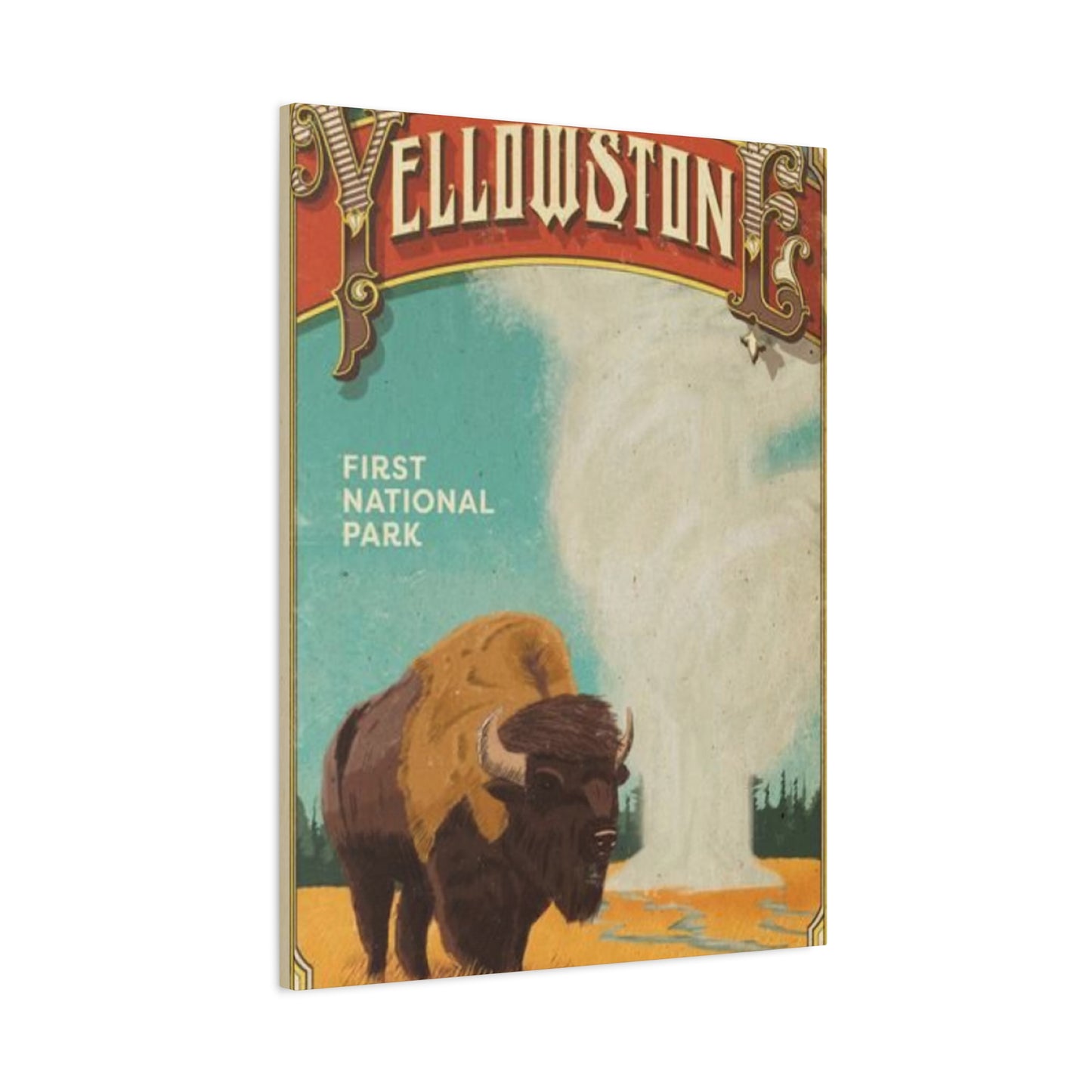
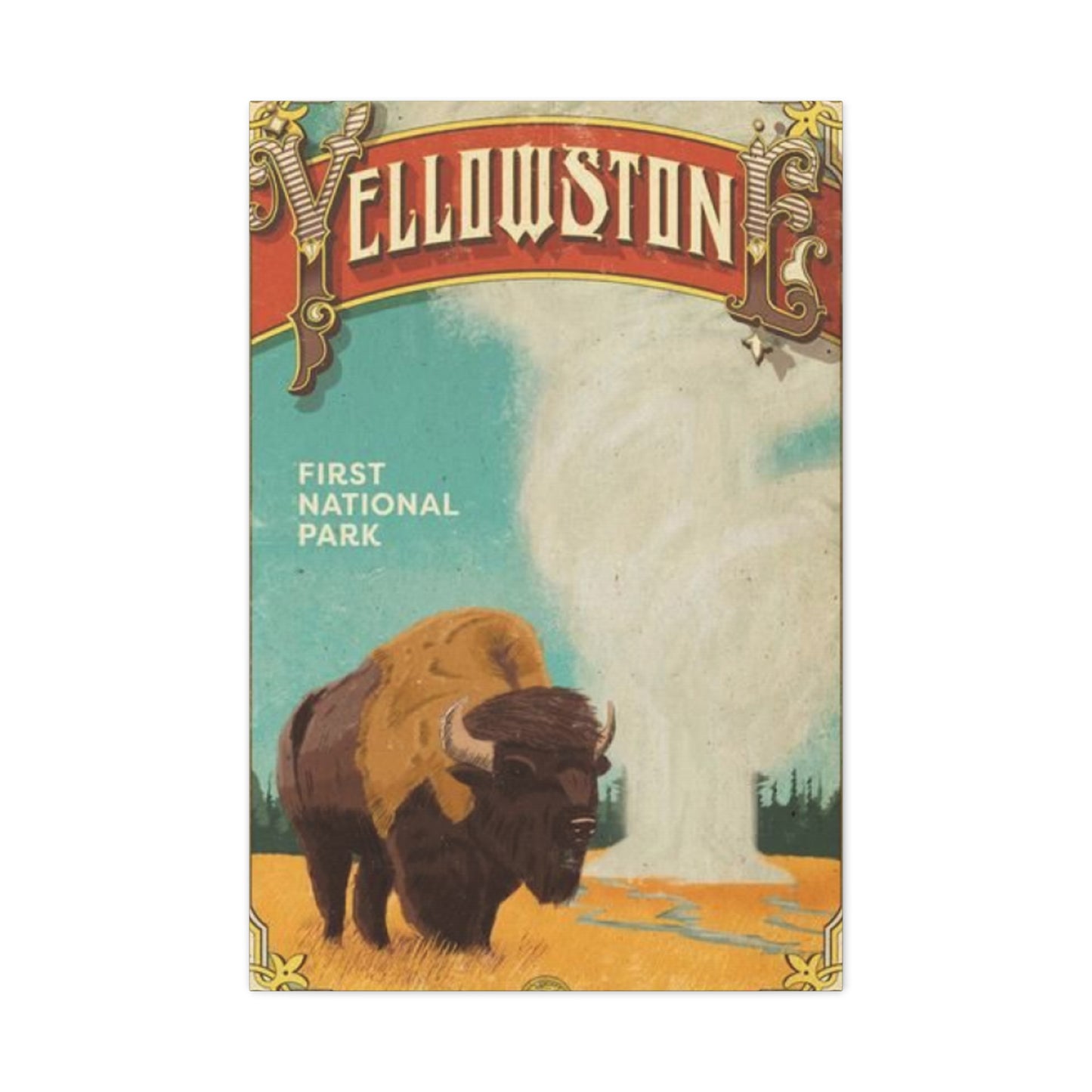
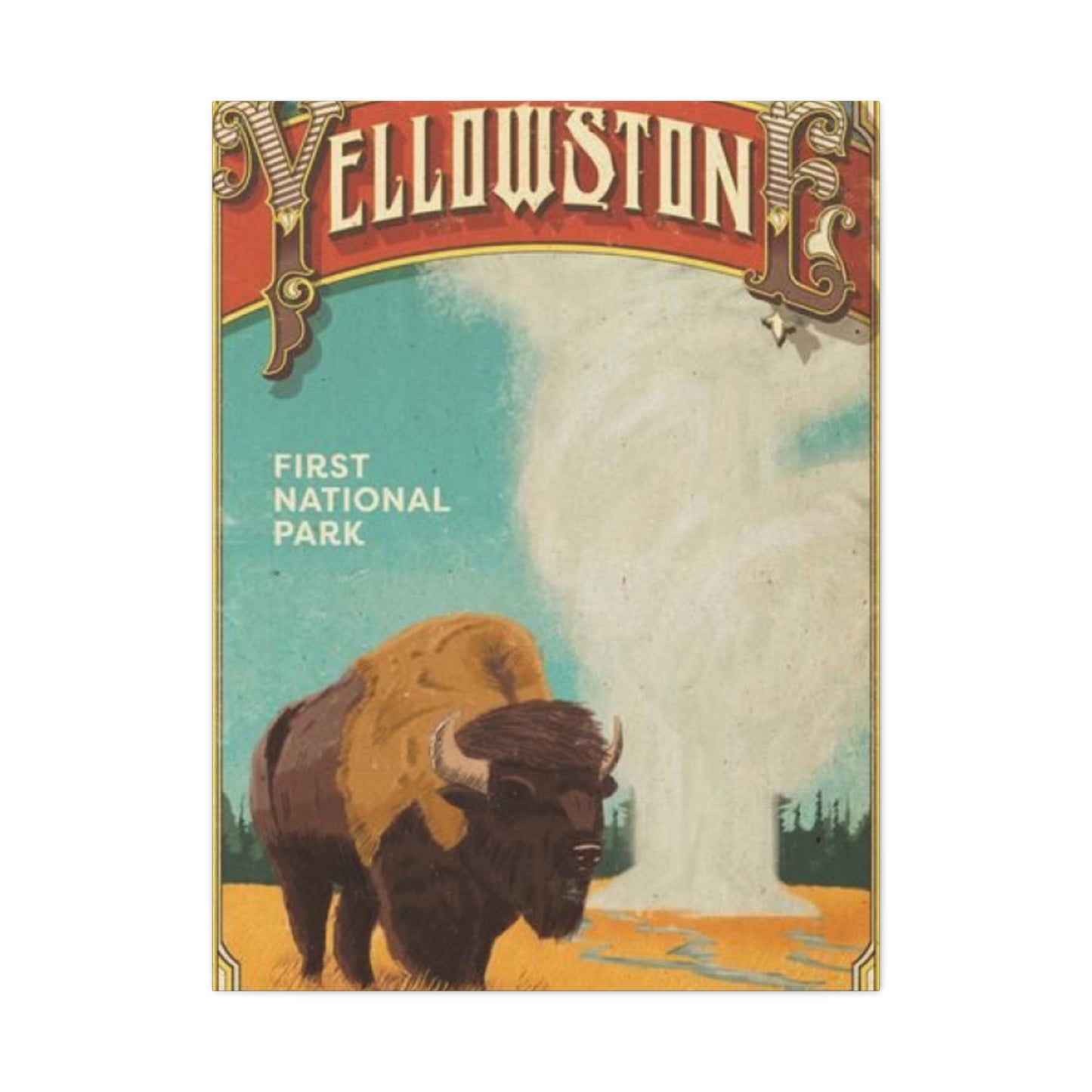
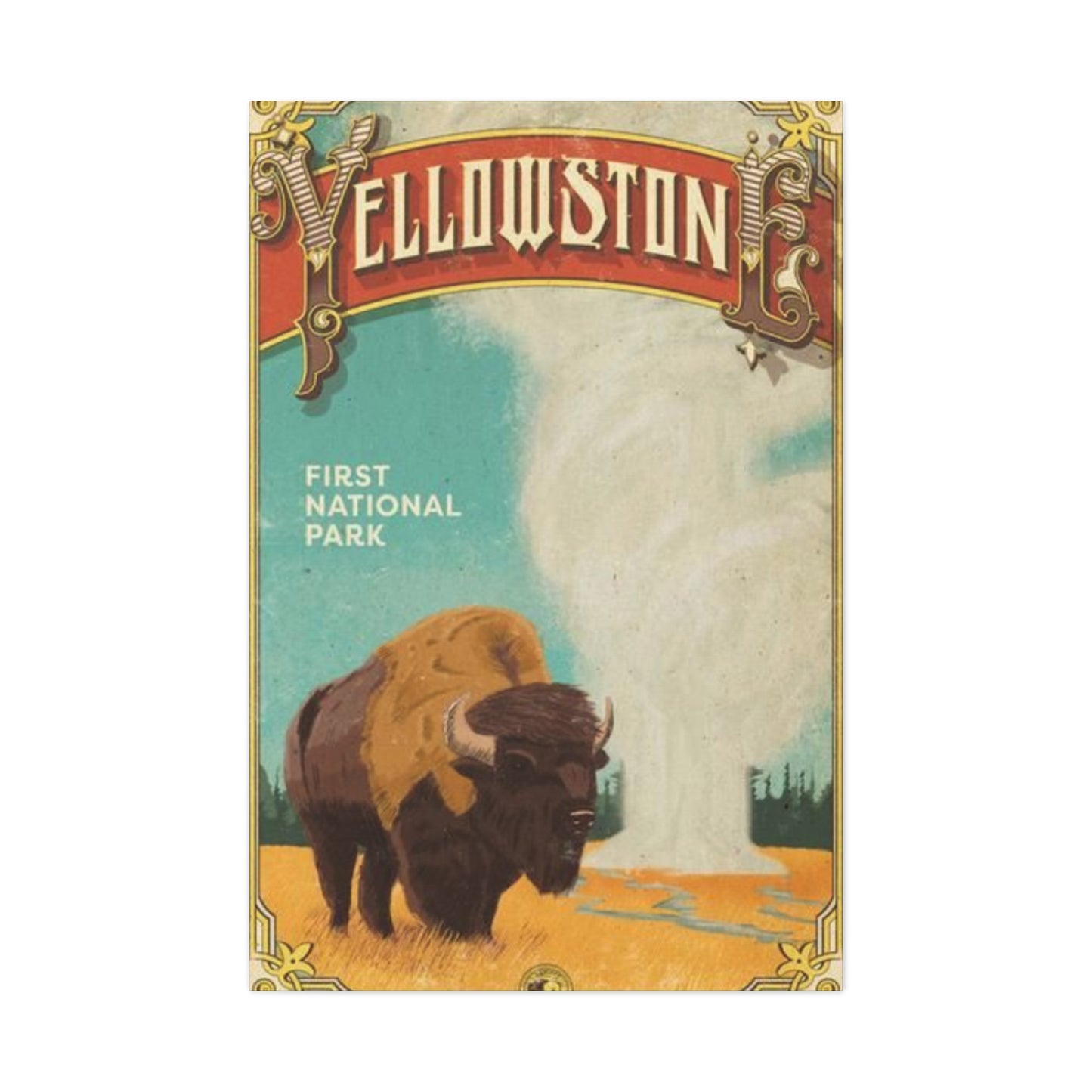
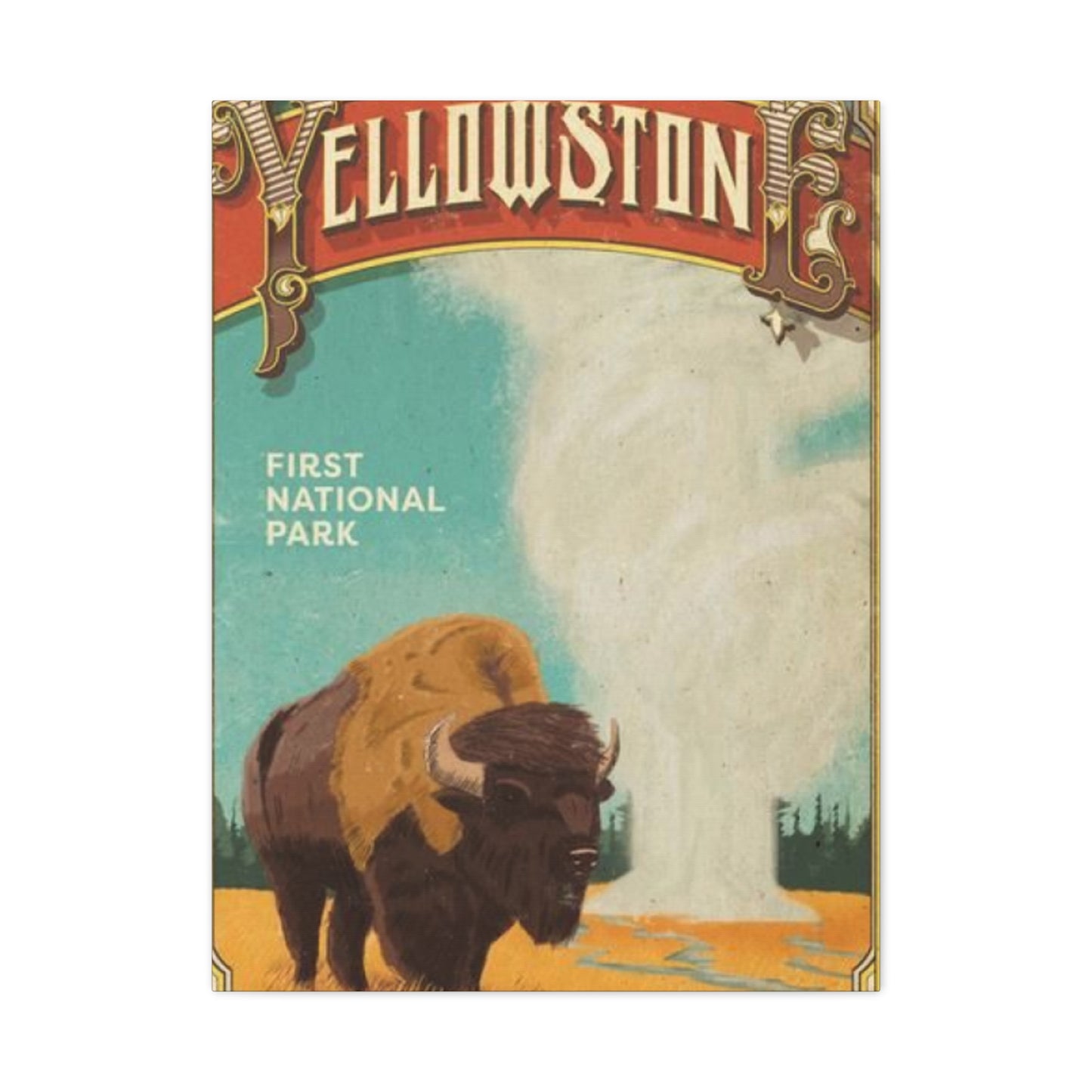
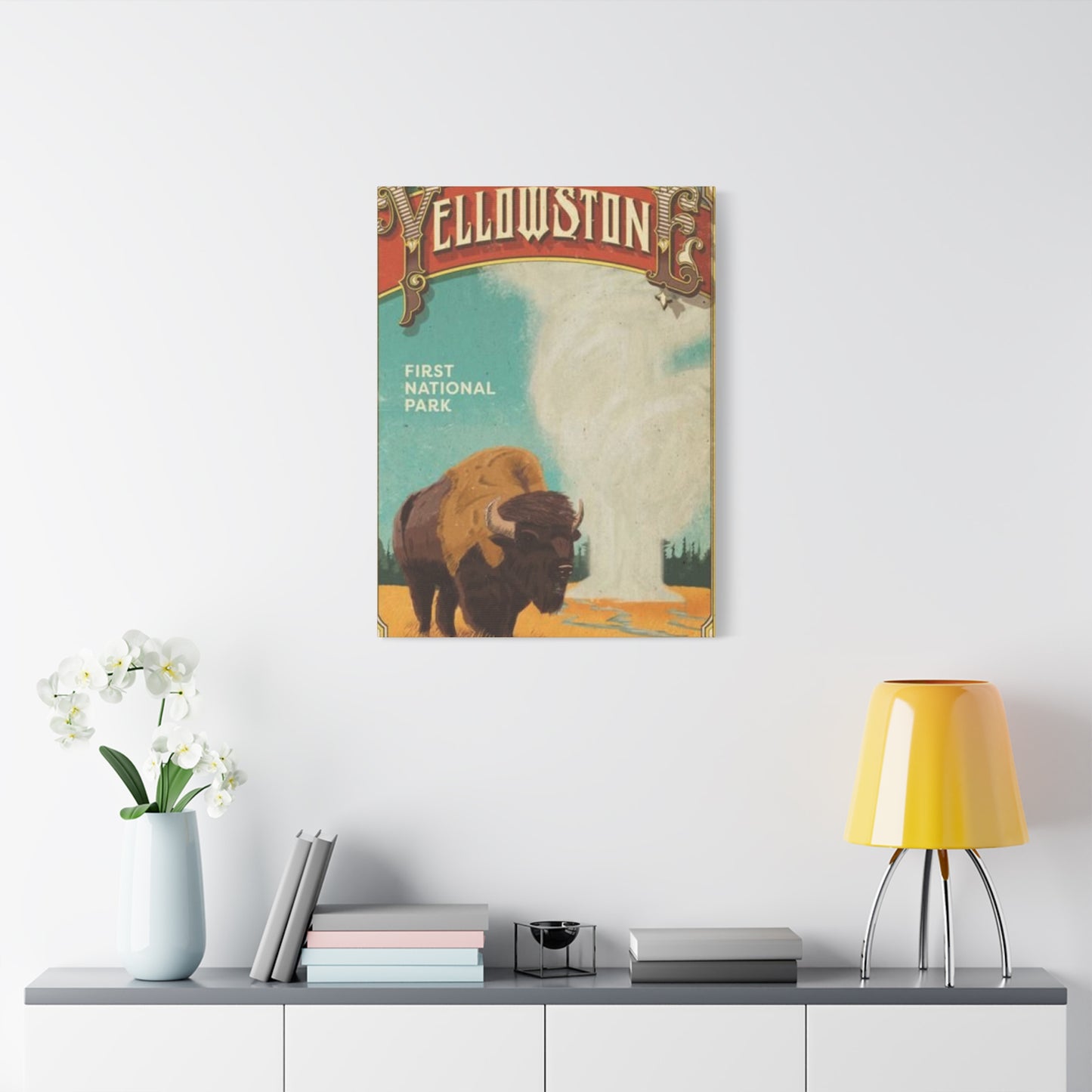
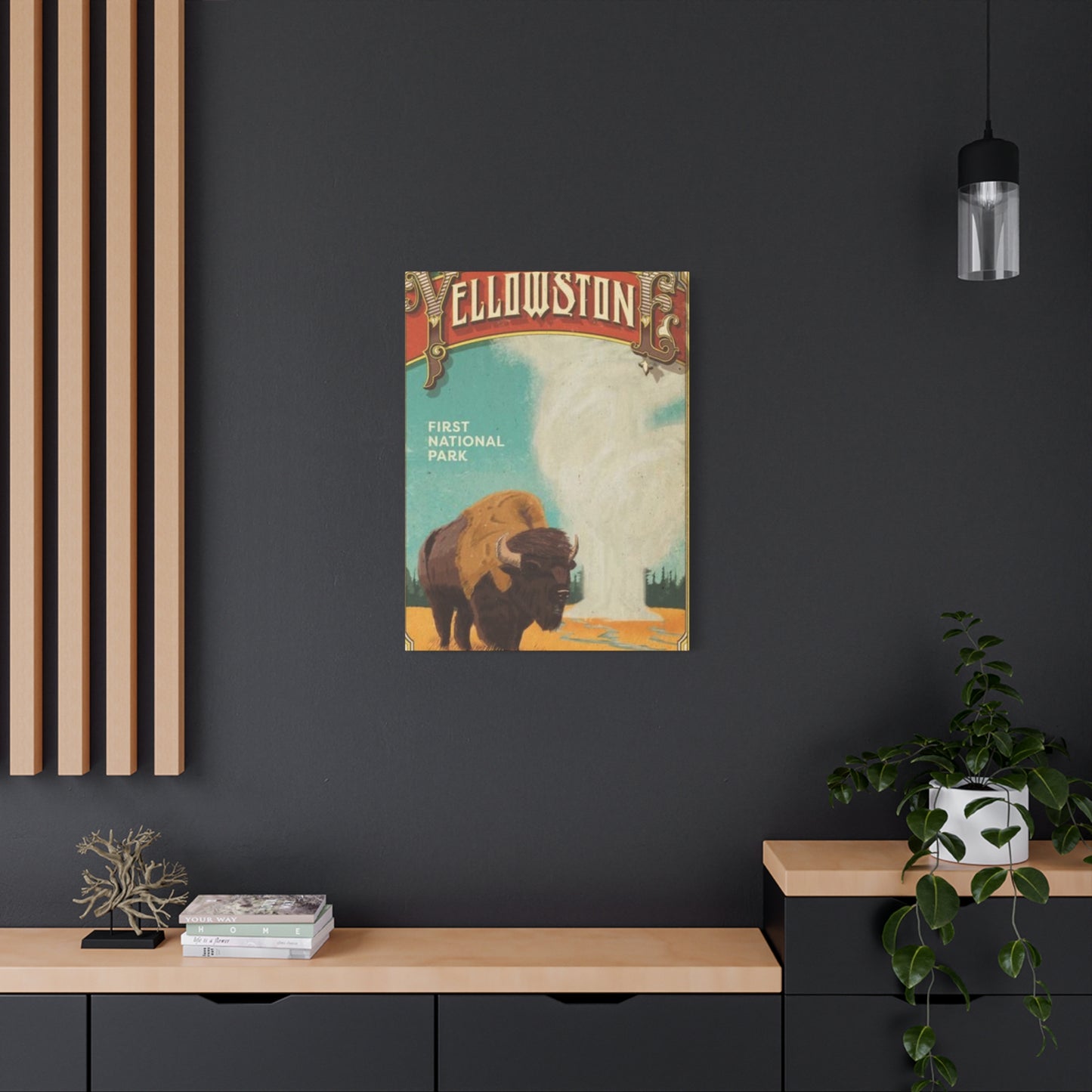
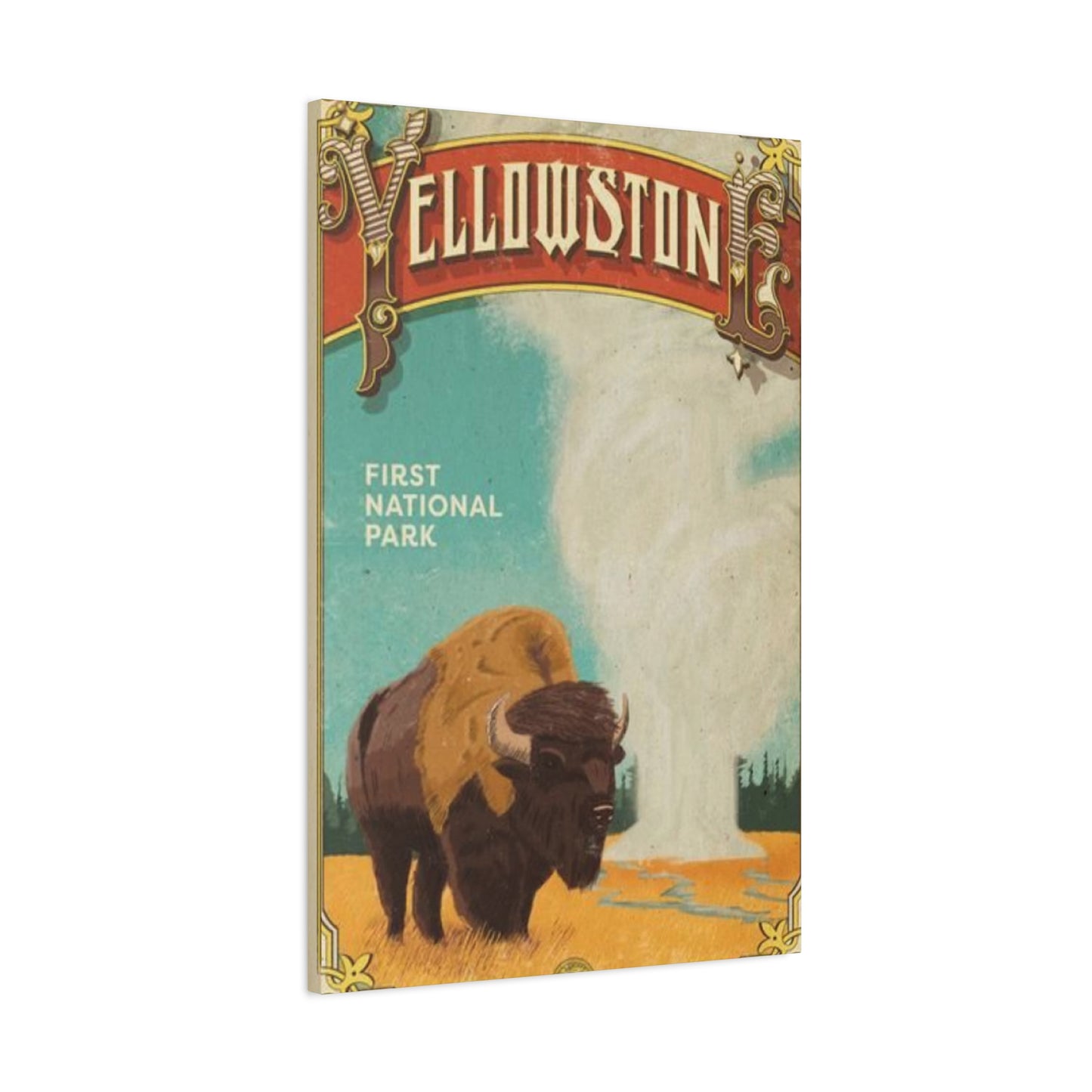
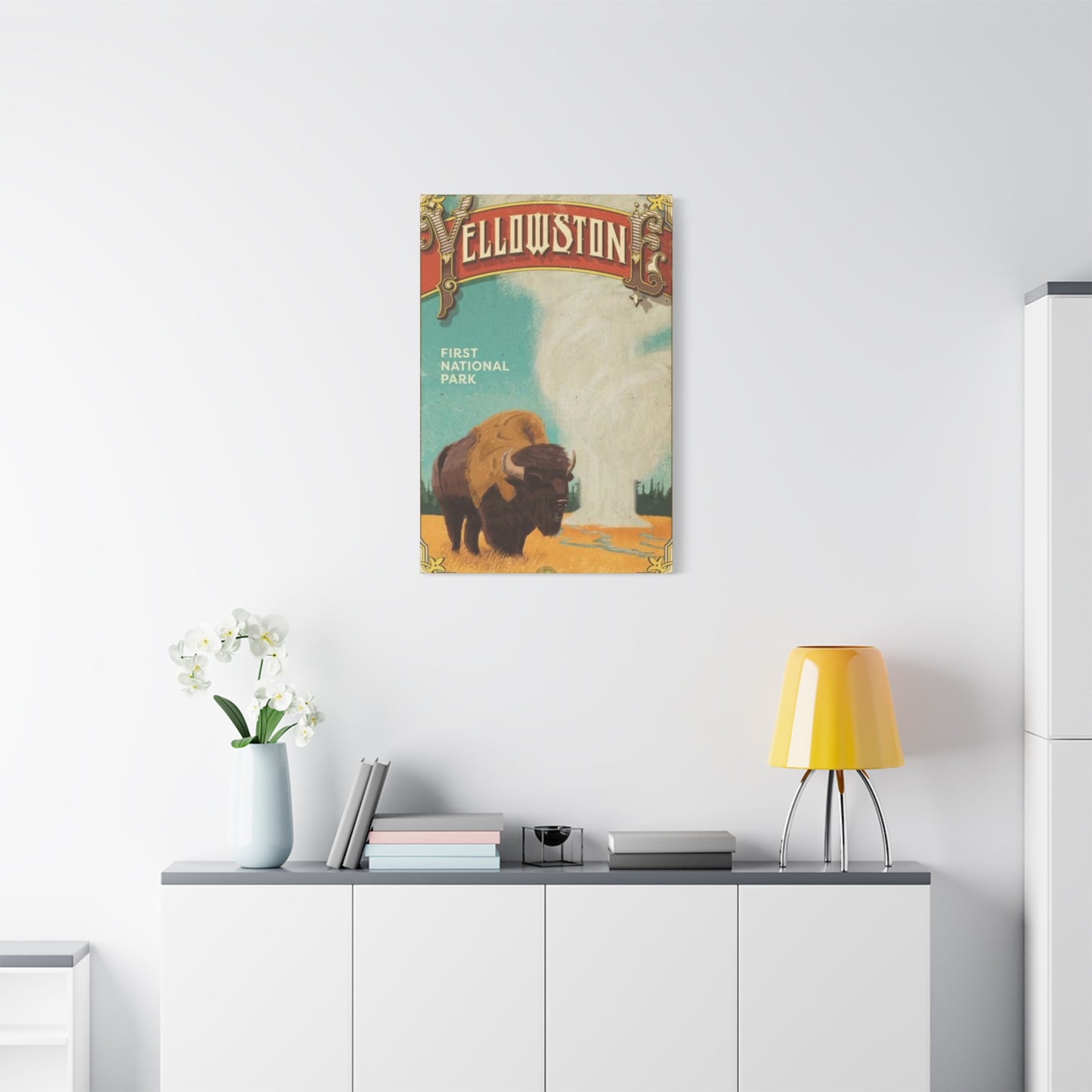
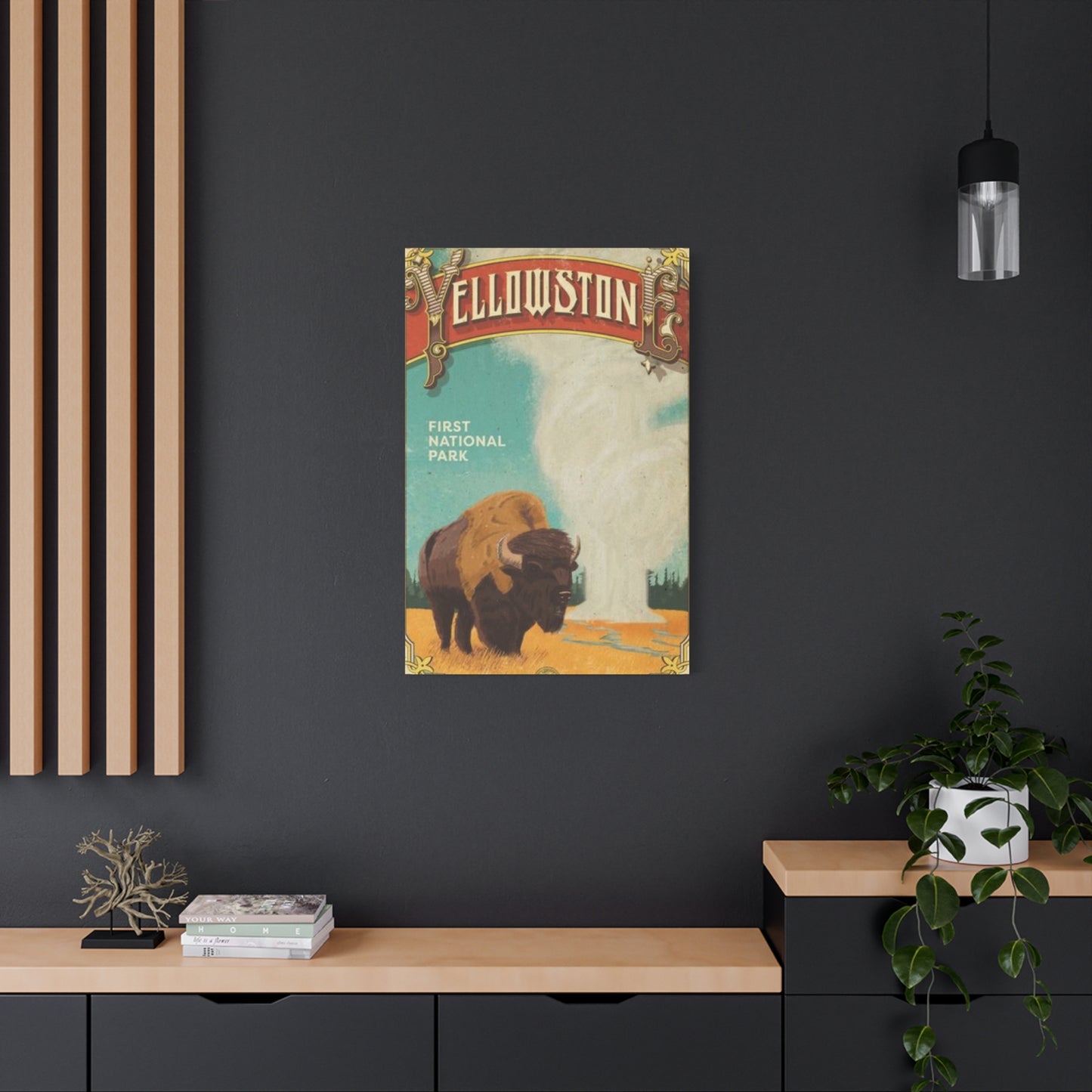
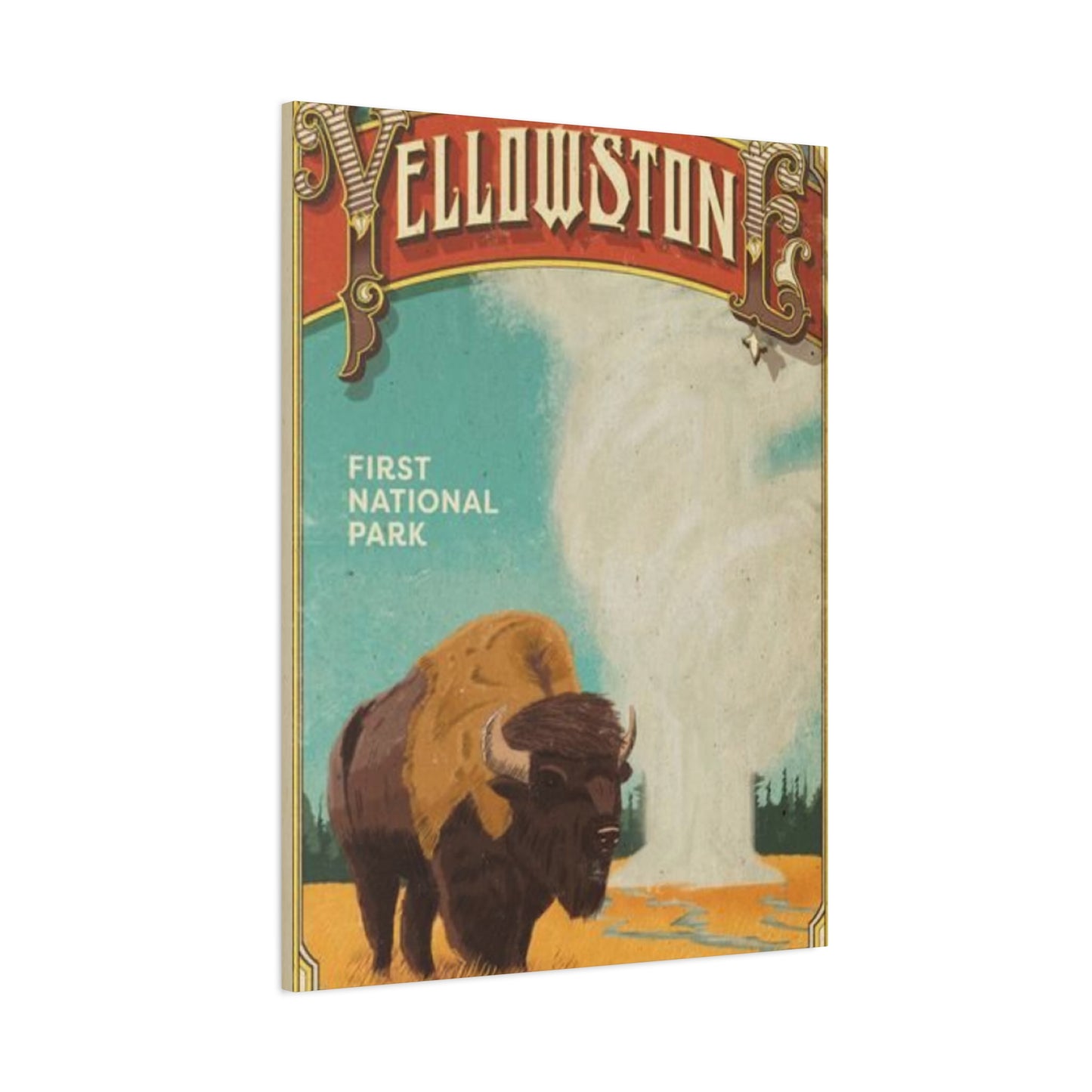
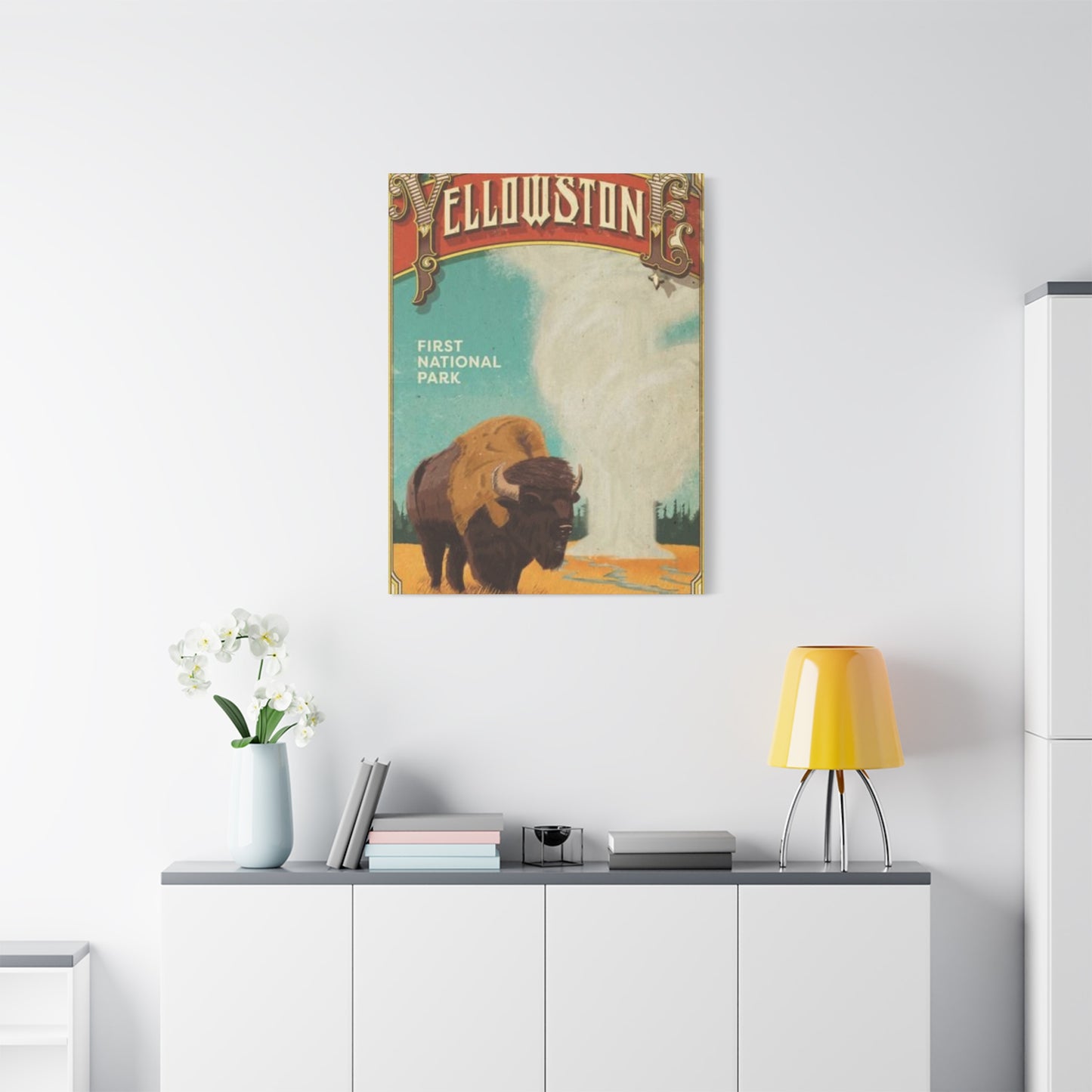
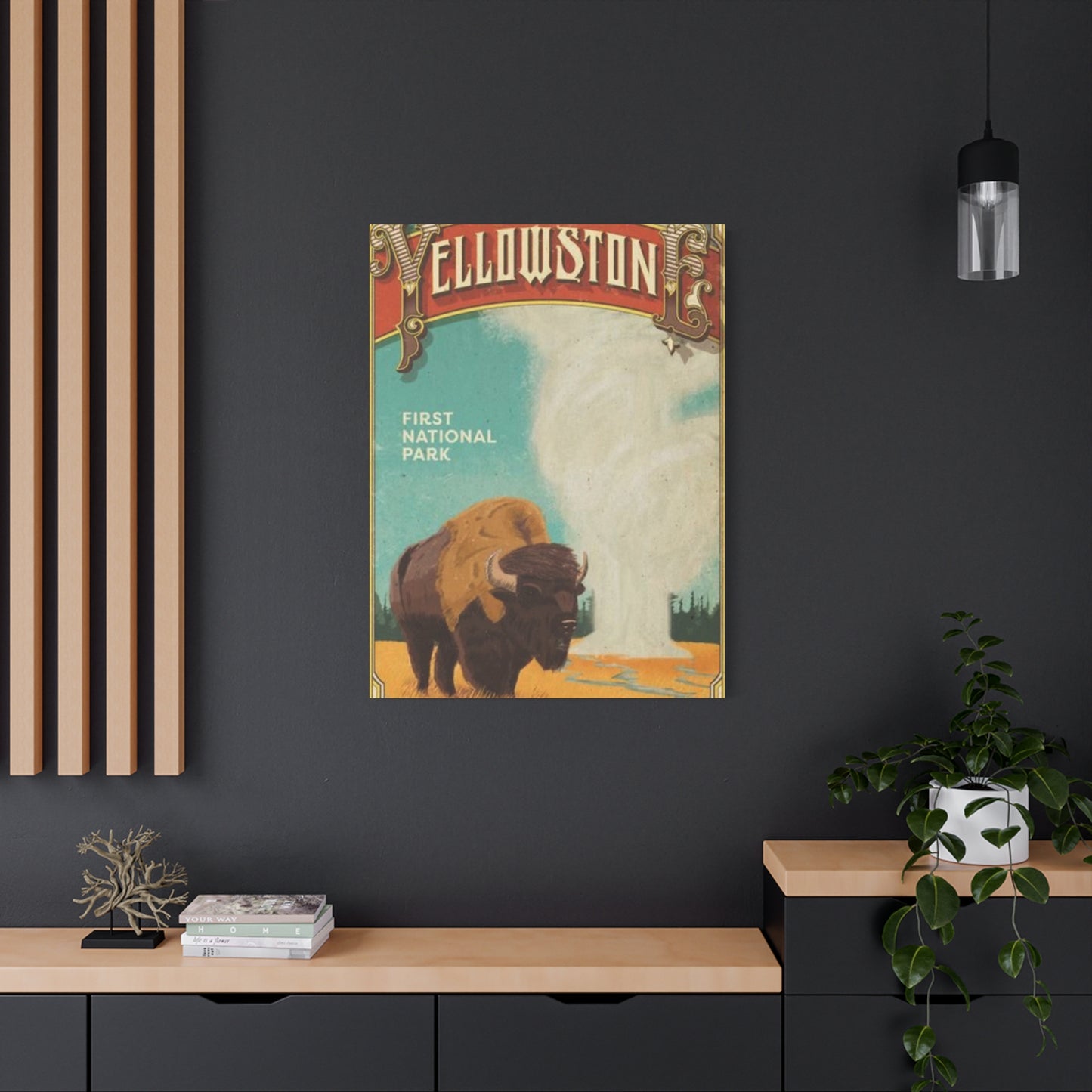
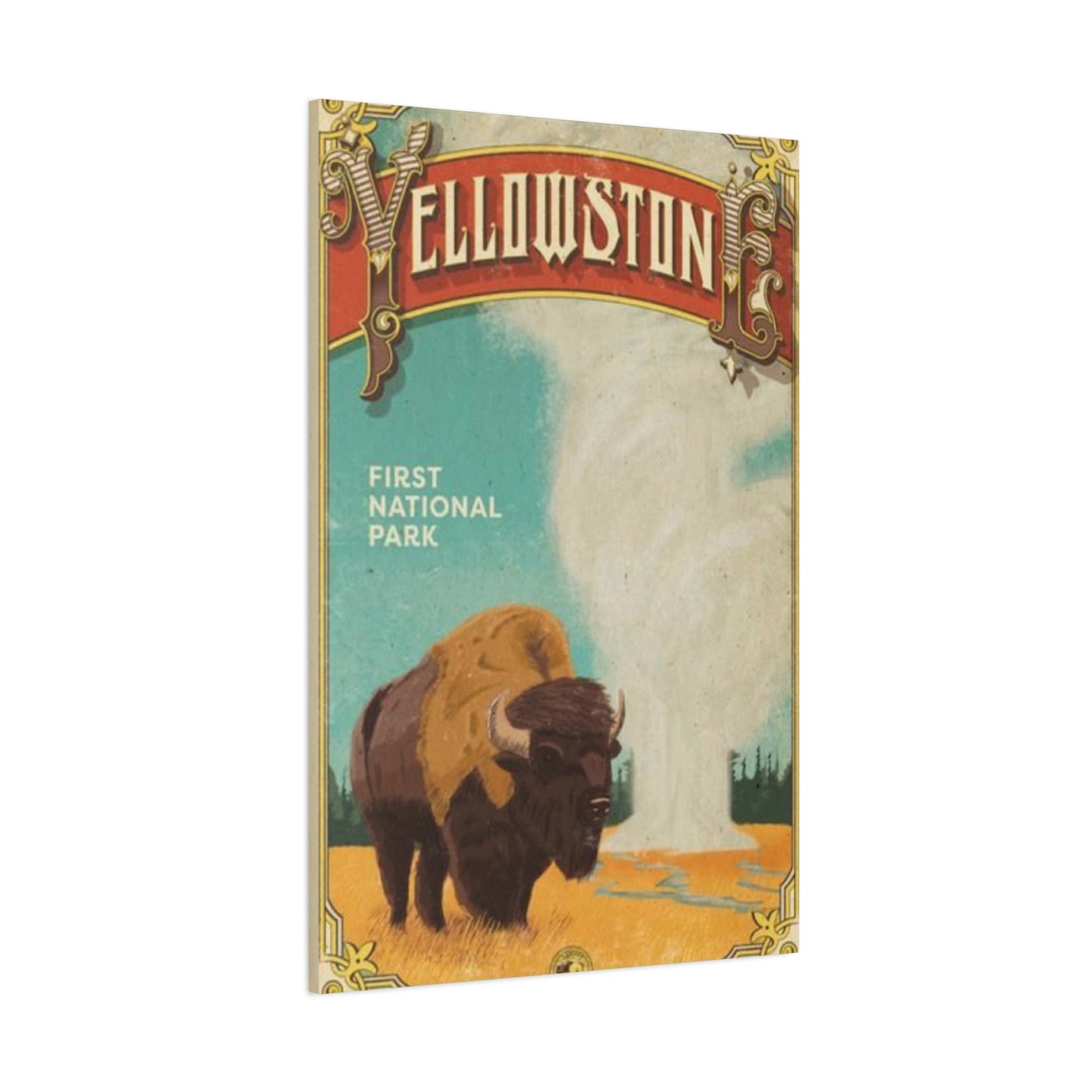
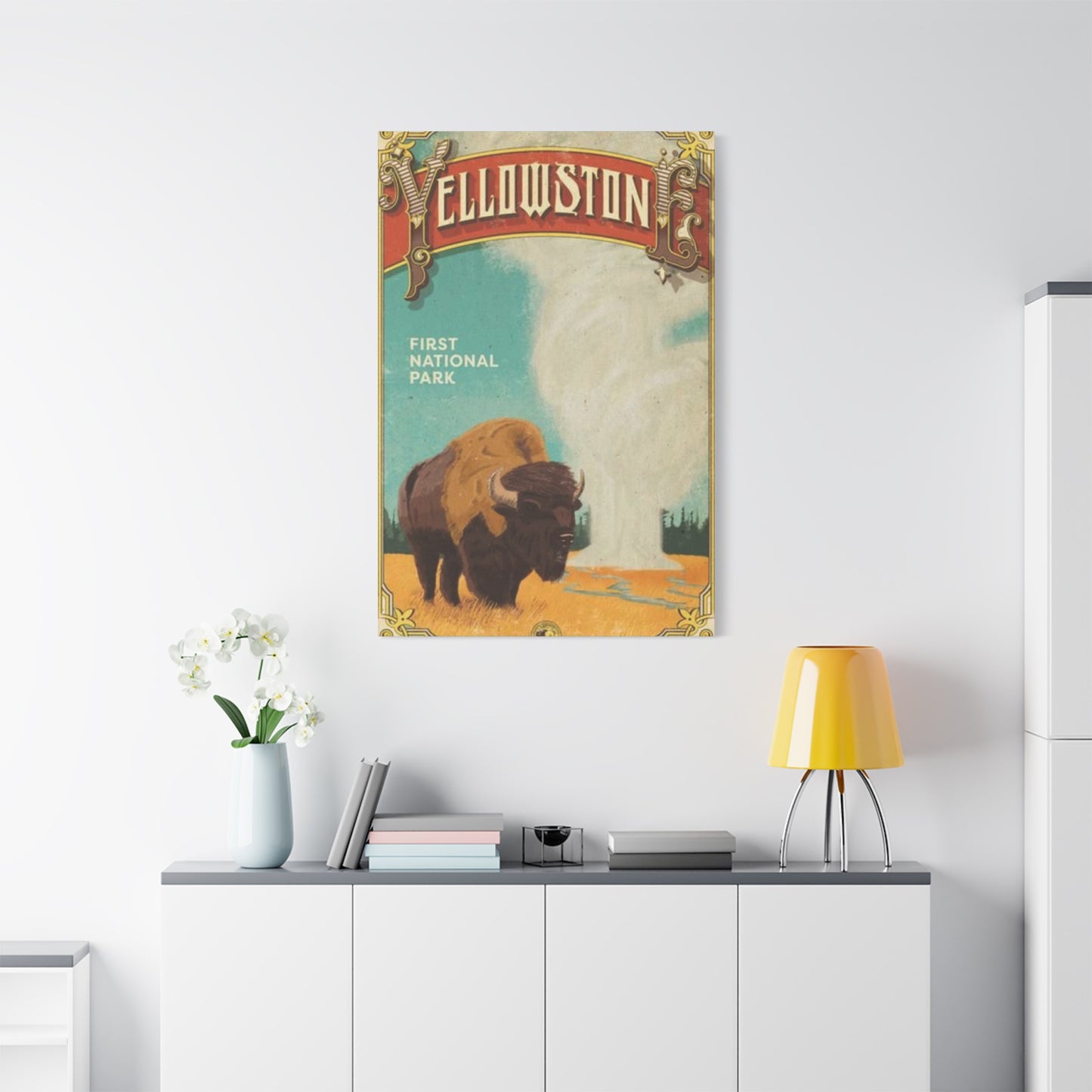
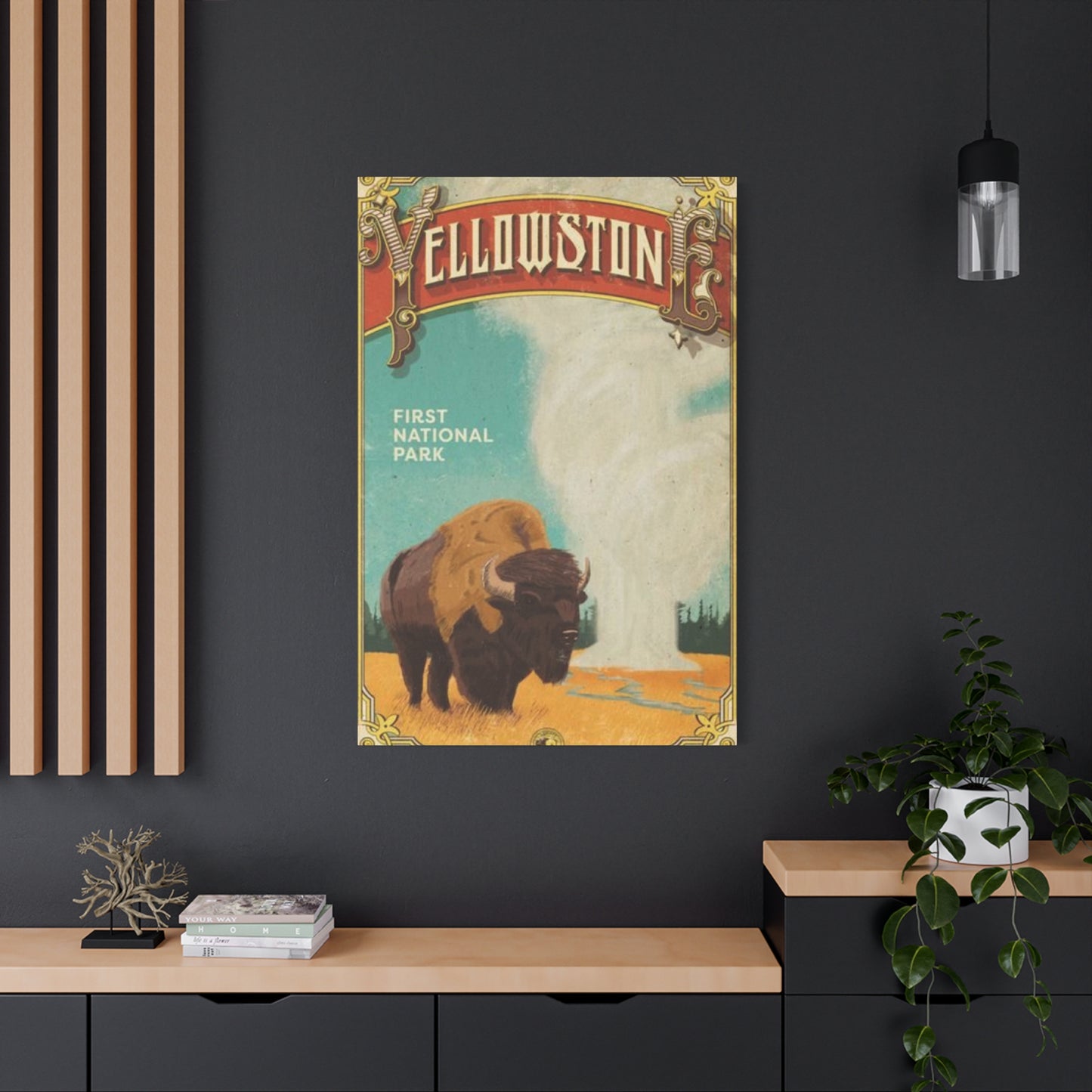
The Beauty of Yellowstone: Bringing Nature’s Majesty Into Your Home with National Park Wall Art
The breathtaking vistas of America's first national park have captivated visitors and artists alike for generations. Yellowstone National Park stands as one of the most magnificent natural wonders on Earth, offering endless inspiration for artistic expression. Through carefully crafted wall art, homeowners and nature enthusiasts can bring the essence of this remarkable wilderness into their personal spaces, creating an atmosphere that celebrates the raw beauty and untamed spirit of the American West.
Spanning across Wyoming, Montana, and Idaho, this extraordinary protected area encompasses over two million acres of pristine wilderness, featuring an unparalleled collection of geothermal features, diverse ecosystems, and dramatic landscapes. The park's unique combination of bubbling hot springs, thundering waterfalls, vast meadows, and rugged mountain ranges provides artists with an inexhaustible source of visual inspiration. When transformed into wall art, these natural wonders become conversation starters, focal points, and windows to the wilderness that can enhance any interior design scheme.
Artistic representations of this iconic destination serve multiple purposes beyond mere decoration. They preserve memories of personal visits, inspire future adventures, and connect urban dwellers with the natural world. Whether rendered in photographic realism, painterly impressionism, or contemporary abstract styles, artwork featuring this legendary park brings a sense of adventure and tranquility into homes, offices, and public spaces. The emotional connection people feel toward this protected wilderness makes such artwork particularly meaningful, transforming ordinary walls into gateways to extraordinary experiences.
The variety of subjects available within the park's boundaries ensures that every art lover can find a piece that resonates with their personal aesthetic preferences. From the explosive power of geothermal activity to the serene beauty of alpine lakes, from the magnificent wildlife that roams freely to the ever-changing play of light across ancient geological formations, the artistic possibilities are truly limitless. This diversity allows collectors to curate gallery walls that tell comprehensive stories about the park's multifaceted character or to select single statement pieces that capture the essence of what makes this destination so special.
Artistic Representations of America's Premier National Park
Wall art featuring America's first national park has evolved significantly over the decades, reflecting changing artistic movements, technological advances in reproduction methods, and shifting cultural attitudes toward wilderness preservation. Early artistic documentation of the region played a crucial role in convincing Congress to establish the area as a protected reserve in 1872. Artists accompanying exploration expeditions created paintings and sketches that revealed the area's wonders to a public that had never witnessed such natural phenomena. These historical works now serve as valuable records of the landscape before modern development and continue to inspire contemporary artists who seek to capture the park's timeless beauty.
Modern interpretations of the park's landscapes range from hyper-realistic photography that captures every detail with stunning clarity to loose, expressive paintings that convey emotional responses to the environment rather than literal representations. Some artists focus on the grand, sweeping vistas that showcase the park's immense scale, while others zoom in on intimate details like the delicate patterns in mineral deposits or the texture of weathered wood in ancient forests. This spectrum of approaches ensures that artwork featuring the park can complement any decorating style, from traditional to contemporary, rustic to minimalist.
The color palettes available in park-themed artwork are as diverse as the landscapes themselves. The famous geothermal features offer artists an opportunity to work with intense, almost surreal colors, including vivid oranges, brilliant blues, and rich greens created by thermophilic bacteria. In contrast, the park's forests, meadows, and mountains provide more subtle, earthy tones that create calming, naturalistic compositions. Seasonal variations add another dimension to the artistic possibilities, with summer's lush greenery, autumn's golden aspens, winter's snow-covered wonderlands, and spring's explosive wildflower displays each offering distinct visual characteristics.
Artists working in various mediums approach park subjects differently, resulting in unique interpretations that appeal to different sensibilities. Oil painters might emphasize the play of light across mountainsides, building up layers of paint to create depth and luminosity. Watercolorists might capture the ephemeral quality of mist rising from hot springs or the delicate transparency of spray from cascading waterfalls. Photographers must make decisions about timing, composition, and processing that dramatically affect the final mood of their images. Digital artists can combine multiple elements, create composite scenes, or apply filters and effects that transform realistic scenes into fantastical interpretations.
Nature's Most Dramatic Features Preserved in Visual Form
The geothermal features that make this park unique in the world provide some of the most striking subjects for wall art. These natural phenomena, created by the volcanic activity beneath the Earth's surface, include geysers, hot springs, fumaroles, and mud pots that display colors and behaviors unlike anything else on the planet. The most famous geyser, which erupts with remarkable regularity, has become an iconic symbol of the park and appears in countless artistic interpretations. Artists capture not only the moment of eruption, with water shooting skyward against a backdrop of steam and sky, but also the quiet periods between eruptions when the surrounding terraces and pools reflect subtle light.
The largest hot spring in the country, known for its incredible spectrum of colors, challenges artists to reproduce hues that seem almost too vivid to be natural. The deep blue center, ringed by concentric bands of green, yellow, orange, and red, creates a composition that appears abstract despite being completely natural. Photographers must carefully time their visits to capture this feature under ideal lighting conditions, as the appearance changes dramatically with the angle of the sun and atmospheric conditions. Painters interpreting this subject often struggle to convince viewers that they haven't exaggerated the colors, so intense are the natural pigments created by heat-loving microorganisms.
Beyond the famous thermal features, the park's waterfalls provide dynamic subjects that convey power, movement, and the relentless force of nature. The lower falls, which plunge over 300 feet into a spectacular canyon, create a scene of such grandeur that it has challenged artists since the first explorers witnessed it. The surrounding canyon walls, painted in shades of yellow, orange, and red by iron compounds and thermal activity, provide a dramatic frame for the white cascade. Artists must decide whether to emphasize the vertical drama of the falls, the horizontal expanse of the canyon, or attempt to capture both in a single composition.
River scenes throughout the park offer artists opportunities to capture the essence of wilderness in more intimate settings. Winding through meadows, rushing over rapids, or flowing peacefully through forested valleys, these waterways provide compositional elements that lead the viewer's eye through the artwork while suggesting the continuous journey of water from the mountains to distant oceans. The reflections in calm pools, the texture of white water tumbling over rocks, and the interaction of light with moving water all present technical challenges that skilled artists transform into visual poetry.
Wildlife Encounters Frozen in Artistic Moments
The park's extraordinary wildlife populations provide endless opportunities for artists to capture the majesty of creatures living as their ancestors did thousands of years ago. Large mammals that once roamed across much of North America now find refuge in this protected area, where they can be observed behaving naturally without the pressures of habitat loss and human encroachment that affect wildlife in most other regions. Artists who specialize in animal subjects often spend countless hours in the field, waiting for the perfect moment when light, composition, and animal behavior align to create compelling images.
The massive bison that graze across the park's valleys serve as powerful symbols of American wilderness and conservation success. After nearly being driven to extinction in the 19th century, these magnificent animals now thrive in protected habitats. Artists capture them in various contexts, from solitary bulls standing against dramatic skies to herds moving across snow-covered landscapes, their dark forms creating strong silhouettes. The contrast between their substantial bulk and surprising grace provides visual tension that makes for compelling artwork. The texture of their shaggy coats, the curve of their horns, and the intensity of their gaze all offer details that reward close observation.
Elk, another charismatic species that attracts wildlife enthusiasts from around the world, present artists with subjects that embody nobility and wilderness. Bulls during the autumn mating season, with their magnificent antlers and powerful physiques, make particularly impressive subjects. Artists might capture them bugling in misty meadows at dawn, their breath visible in the cold air, or facing off against rivals in dramatic confrontations. Cows with spotted calves in spring meadows offer gentler compositions that emphasize the park's role as a nursery for wildlife. The challenge for artists lies in capturing not just physical accuracy but the essence of these animals' wild nature.
Predators, though less frequently seen by casual visitors, provide artists with opportunities to explore themes of wildness and the complete ecosystem. Wolves, reintroduced to the park after a 70-year absence, have become subjects of intense interest for both wildlife biologists and artists. Capturing these elusive animals requires patience, dedication, and often special equipment, but the resulting images carry powerful emotional weight. Bears, both black and grizzly, similarly fascinate viewers with their combination of apparent cuddliness and genuine danger. Artists who successfully capture the essence of these predators create works that remind viewers of nature's complexity and the importance of apex predators in healthy ecosystems.
Seasonal Transformations Captured Through Artistic Vision
The dramatic seasonal changes that occur in this high-elevation park provide artists with four distinctly different palettes and moods to explore. Summer, when the park receives the majority of its millions of annual visitors, offers the most accessible conditions for artists working in the field. Meadows explode with wildflowers in species-rich displays that vary from year to year depending on winter snowpack and spring temperatures. The long days provide extended opportunities for capturing the warm, golden light that illuminates mountains and forests. Artists working during this season often focus on the lushness of vegetation, the clarity of blue skies, and the sense of abundance that characterizes the brief growing season.
Autumn transforms the park into a tapestry of gold, orange, and red as aspen and cottonwood trees prepare for winter. This relatively brief season, lasting only a few weeks in September and early October, draws photographers and painters who seek to capture the stunning color contrasts between deciduous trees and evergreen conifers. The cooler temperatures often bring crisp, clear air that enhances visibility and color saturation. Morning frosts add sparkling highlights to grasses and leaves, while the lower angle of autumn sunlight creates longer shadows and warmer tones. Wildlife activity increases as animals prepare for winter, providing artists with opportunities to combine brilliant foliage with animal subjects.
Winter blankets the park in snow, transforming familiar landscapes into monochromatic studies of form and light. The park's thermal features become even more dramatic as their heat creates massive steam clouds in the frigid air, and the warm water prevents ice formation, creating mysterious open areas surrounded by frozen surfaces. The contrast between the white snow and the colorful thermal features becomes more pronounced, while the simplified color palette focuses attention on composition, texture, and the play of light and shadow. Artists working during winter months must contend with challenging conditions, but those who venture into the snowy wilderness are rewarded with scenes of pristine beauty rarely witnessed.
Spring brings renewal and drama as the park awakens from winter's grip. Melting snow swells rivers and waterfalls to their peak flows, creating powerful displays of moving water. Baby animals begin appearing, offering artists opportunities to capture the tender moments of new life. The transition between seasons creates unique conditions as snow lingers at higher elevations while lower valleys burst into green. Artists who work during this dynamic season capture a sense of change and renewal, with winter and spring coexisting in the same landscape. The challenges of unpredictable weather and rapidly changing conditions are balanced by the unique opportunities this transitional period provides.
Mountain Ranges and Geologic Wonders in Artistic Interpretation
The mountain ranges that surround and punctuate the park's plateaus provide artists with classic landscape subjects that have inspired painters since humans first began creating art. These peaks, shaped by volcanic activity, glacial erosion, and weathering over millions of years, display a variety of forms from sharp, dramatic summits to rounded, weathered ridges. Artists must decide how to convey not only their physical appearance but also their immense scale and the sense of permanence they embody. The challenge lies in making viewers feel the weight and majesty of these ancient formations through a two-dimensional medium.
The dramatic canyon that gives the park its name presents one of the most spectacular geological displays accessible to visitors. Carved by river water over thousands of years through volcanic rocks that had been weakened by thermal activity, this gorge showcases vibrant yellows, oranges, and reds that provide natural color that requires no artistic exaggeration. Artists approaching this subject must choose vantage points carefully, as the canyon's depth and complexity can overwhelm composition. Some focus on the grand panorama from popular viewpoints, while others zoom in on details of eroded formations, patterns in the rock layers, or the interplay of light and shadow on the canyon walls.
The volcanic origins of the landscape provide artists with unique geological features that distinguish park artwork from generic mountain scenery. Evidence of past eruptions appears in cliff faces of columnar basalt, obsidian flows, and other volcanic rocks that display distinctive textures and formations. These features tell stories of violent geological events that shaped the landscape, adding layers of meaning to artwork that goes beyond mere visual appeal. Artists who understand the geological history can create works that educate as well as inspire, helping viewers appreciate the forces that created this extraordinary environment.
High-elevation areas above the tree line offer alpine landscapes where hardy vegetation clings to rocky slopes and weather patterns create constantly changing conditions. These areas, accessible primarily during summer months, provide artists with subjects that emphasize the harsh beauty of mountain environments. The twisted forms of trees shaped by constant wind, the delicate alpine flowers that bloom for brief periods, and the expansive views across multiple mountain ranges all offer compositional possibilities. The quality of light at high elevation, filtered through thinner atmosphere, creates unique color characteristics that challenge artists to capture accurately.
Forest Environments and Woodland Scenes in Visual Art
The extensive forests that cover much of the park provide artists with opportunities to explore the intimate, enclosed feeling of woodland environments as a contrast to the open vistas of meadows and mountains. These forests, dominated by lodgepole pine with stands of spruce, fir, and other conifers, create environments where dappled light filters through needled branches, creating patterns of light and shadow on the forest floor. Artists working in these settings often focus on mood and atmosphere rather than grand vistas, conveying the quiet mystery of deep woods where wildlife moves unseen and ancient rhythms continue undisturbed.
The aftermath of the massive fires that swept through portions of the park in 1988 created unique landscapes that some artists have embraced as subjects. The stark black trunks of burned trees standing against green meadows where new growth has emerged create powerful visual contrasts that speak to themes of destruction, renewal, and nature's resilience. These areas, initially controversial when they burned, have become valuable laboratories for studying forest regeneration and now offer artists opportunities to explore how nature recovers from catastrophe. The interplay between death and new life, represented by standing dead trees surrounded by vibrant young growth, carries symbolic weight that adds depth to artwork.
Individual trees, particularly ancient specimens that have survived centuries of fires, storms, and harsh conditions, make compelling subjects for artists interested in portraits of specific natural features. The gnarled bark, twisted branches, and massive trunks of old-growth trees tell stories of survival and endurance. Artists might focus on the texture of weathered wood, the patterns of lichen growing on bark, or the way light illuminates the tree's form. These intimate studies encourage viewers to look closely at details they might otherwise overlook and develop appreciation for individual living things rather than just scenic overlooks.
The forest floor itself, with its carpet of fallen needles, rotting logs slowly returning nutrients to the soil, mushrooms and fungi in fascinating variety, and understory plants adapted to low light conditions, provides endless subjects for artists interested in ecology and natural processes. These elements might not seem as dramatic as geysers or waterfalls, but they tell important stories about how forest ecosystems function. Artists who focus on these details create works that reward contemplation and help viewers understand that wilderness beauty exists at all scales, from panoramic vistas to tiny mushrooms growing on decaying wood.
Water Features Beyond the Famous Falls
While the park's major waterfalls receive most of the attention, smaller cascades, streams, and rivers throughout the area provide artists with equally compelling subjects. These lesser-known water features often offer more intimate settings where artists can work without crowds of tourists disrupting their concentration or appearing in photographs. The sound of running water, the play of light on ripples and rapids, and the way water interacts with rocks and vegetation all contribute to artwork that captures the essence of flowing water in wilderness settings. These quieter scenes often convey a sense of peace and timelessness that resonates with viewers seeking calm in their living spaces.
Lakes and ponds scattered throughout the park offer mirror-like surfaces that double the visual impact of surrounding landscapes through reflections. Artists have long been fascinated by reflections, which create abstract patterns while simultaneously reproducing recognizable scenes. The challenge lies in balancing the reflected image with the actual landscape, deciding which should dominate the composition. Mountain peaks reflecting in alpine lakes create classic compositions that never lose their appeal, while smaller ponds reflecting clouds, trees, or autumn colors offer more intimate scenes. The transient nature of perfect reflections, which require still water and favorable lighting, makes capturing them particularly satisfying for artists.
The numerous hot springs and thermal pools throughout the park present unique subjects where water behaves in unusual ways. Steam rising from heated water creates atmospheric effects that can obscure, soften, or frame other elements in a composition. The mineral deposits around thermal features create otherworldly landscapes in miniature, with terraces, mounds, and formations that look more like abstract sculpture than natural features. The colors range from pure white travertine to every imaginable shade in between, depending on the minerals present and the microorganisms that thrive in different temperature ranges. Artists approaching these subjects often find themselves working with color combinations that seem too bold to be believable.
Rivers in various moods provide dynamic subjects that convey movement and energy even in static artistic media. During spring runoff, when snowmelt swells waterways to their maximum flow, rivers become powerful forces that rush through valleys with tremendous energy. Artists capturing rivers at peak flow must convey not just the visual appearance but the sense of power and movement. In contrast, late summer and autumn bring lower water levels that reveal rocks and gravel bars, creating different compositions with more complex textures. The challenge for artists lies in choosing the right season and conditions to match the mood they want to convey in their work.
Atmospheric Conditions and Light as Artistic Elements
The interplay of light and atmosphere creates some of the most memorable and challenging subjects for artists working in any landscape, and the park's high elevation and geothermal features create particularly dramatic atmospheric effects. Sunrise and sunset, when low-angle light paints landscapes in warm tones and creates long shadows that emphasize texture and form, provide the classic golden hours that photographers and painters seek. The park's westward-facing features become illuminated during sunrise, while evening light bathes eastward-facing slopes. Artists must plan their work sessions around these brief periods when light quality reaches its peak, often rising before dawn or working into twilight to capture the perfect conditions.
Fog and mist, whether created by weather systems or by geothermal activity, transform familiar landscapes into mysterious, ethereal scenes. The soft, diffused light that penetrates fog creates subtle tonal gradations rather than harsh contrasts, challenging artists to work with a limited value range. Thermal areas become particularly atmospheric when cold air causes the steam from hot springs and geysers to condense into thick fog banks that roll across the landscape. Trees emerge from mist as ghostly silhouettes, while distant features fade into obscurity, creating a sense of depth through atmospheric perspective. These conditions offer artists opportunities to create moody, contemplative works that emphasize mystery and the limits of visibility.
Storm systems moving through the park create dramatic skies that add tension and visual interest to landscape compositions. Dark clouds building over mountains, shafts of sunlight breaking through storm clouds to illuminate specific features, rainbows arcing across valleys after summer thunderstorms, and the ominous approach of weather fronts all provide opportunities for artists to capture the dynamic nature of mountain weather. The rapidly changing conditions require artists to work quickly, making decisive choices about composition and capturing fleeting effects before they disappear. The resulting artwork often conveys a sense of drama and the power of natural forces that makes static landscapes feel alive.
Winter weather creates unique optical effects as ice crystals in the air produce halos, sun dogs, and other atmospheric phenomena. The extreme cold causes thermal features to produce massive steam clouds that can engulf entire landscapes, while frost and rime ice coat vegetation in delicate crystal structures. The low angle of winter sun creates long periods of warm light that would last only minutes in summer. Artists willing to endure cold conditions are rewarded with scenes that few people witness, giving their work a sense of discovery and exclusivity. The technical challenges of working in freezing temperatures, when paint may freeze and camera batteries quickly drain, add to the sense of accomplishment when successful artwork emerges from difficult conditions.
Choosing Art Styles That Match Personal Aesthetic Preferences
The decision between photographic realism and more interpretive approaches depends on personal taste and the intended use of the artwork. Realistic photographs capture specific moments with documentary accuracy, preserving exact details of light, color, and composition. Viewers who have visited the park themselves often appreciate the authenticity of photographs that trigger memories of their own experiences. The technical perfection achievable with modern cameras and printing technology allows photographic prints to rival or exceed the quality of traditional fine art prints, making them serious contenders for wall space in sophisticated interiors.
Paintings, whether executed in traditional media like oil and watercolor or with contemporary acrylics, offer artists the freedom to emphasize certain elements while simplifying or eliminating others. The visible evidence of the artist's hand, the texture of brushstrokes, and the interpretive choices made during creation add layers of interest that pure photography cannot replicate. Paintings can capture the feeling of a place rather than its literal appearance, often resonating more deeply with viewers who respond to emotional content over documentary accuracy. The range of painting styles, from tight realism to loose expressionism, ensures that artwork exists to match every aesthetic preference.
Abstract interpretations take the colors, forms, and feelings inspired by park landscapes and distill them into non-representational compositions. These works might use the intense colors of thermal features as starting points for explorations of pure color relationships, or simplify mountain forms into geometric shapes that suggest rather than depict specific features. Abstract art offers designers more flexibility in matching existing color schemes and interior styles, as the lack of literal representation allows the artwork to function primarily as visual design elements. However, when viewers learn that an abstract piece was inspired by specific park features, it adds a layer of meaning and connection to place that enriches their experience of the artwork.
Mixed media approaches combine various techniques and materials to create unique works that don't fit neatly into traditional categories. Artists might combine photography with painted or drawn elements, incorporate actual materials from the park like pressed flowers or mineral samples, or use digital tools to blend multiple images and effects. These experimental approaches appeal to collectors who value innovation and uniqueness, as mixed media works are often one-of-a-kind creations that cannot be exactly replicated. The variety of textures and techniques visible in a single work adds visual complexity that rewards extended viewing.
Size and Scale Considerations for Display Spaces
Selecting appropriately sized artwork requires careful consideration of the intended display space and the impact desired. Large-scale pieces, such as those measuring several feet in width or height, make bold statements that dominate walls and serve as focal points for entire rooms. These substantial works best suit spacious areas with adequate viewing distance, such as living rooms, great rooms, or commercial spaces where they can be appreciated from across the room. The immersive quality of large landscape artwork can make viewers feel transported to the location depicted, creating a window-like effect that visually expands the space.
Medium-sized pieces, typically ranging from 24 to 48 inches in their largest dimension, offer versatility for various spaces without overwhelming smaller rooms. These dimensions work well above sofas, beds, or console tables, where they can anchor furniture arrangements while maintaining proper proportions. Medium-sized artwork allows for enough detail to reward close inspection while remaining comprehensible from normal viewing distances. The flexibility of this size range makes it popular among both artists and collectors, as the works remain manageable to produce, transport, and hang while still making meaningful visual impact.
Smaller pieces, whether displayed individually or arranged in gallery wall configurations, offer opportunities for more intimate engagement with the artwork. Detailed studies of specific subjects like individual flowers, wildlife portraits, or close-up views of geological features work well at smaller scales where viewers can appreciate fine details. Collections of smaller works arranged together allow for visual storytelling, with multiple pieces exploring different aspects of the park or tracking seasonal changes. The affordability and accessibility of smaller works make them entry points for new collectors while also appealing to experienced collectors who appreciate variety in their collections.
The decision between horizontal, vertical, or square formats depends on both the subject matter and the available wall space. Horizontal compositions, often called landscape orientation for good reason, naturally suit wide vistas and panoramic views. These formats work well above furniture pieces and in spaces where wall width exceeds height. Vertical formats, or portrait orientation, better accommodate tall subjects like waterfalls, trees, or mountain peaks, and suit narrow wall spaces such as those beside doors or in hallways. Square formats offer balanced compositions that work in various spaces and can be particularly effective in contemporary interiors where geometric simplicity is valued.
Color Palette Selection and Interior Design Coordination
The natural color schemes found in park landscapes offer remarkably versatile palettes that can complement diverse interior design styles. Earth tones drawn from forests, mountains, and meadows, including various shades of green, brown, gray, and tan, create calming, naturalistic palettes that work well in spaces designed to feel peaceful and grounded. These colors coordinate easily with wood furniture, stone or tile surfaces, and natural fiber textiles, creating cohesive interiors that celebrate organic materials and connection to nature. The subtlety of earth-tone artwork allows it to enhance spaces without competing with other design elements.
The vivid colors associated with thermal features introduce more intense hues that can energize spaces and serve as sources of accent colors throughout a room's design scheme. The brilliant blues found in certain hot springs can inspire choices for throw pillows, area rugs, or decorative accessories. The oranges, yellows, and reds created by mineral deposits and microbial activity provide warm accent colors that add energy without the artificiality of purely synthetic pigments. Using artwork as the starting point for a room's color palette ensures that all elements work together harmoniously while maintaining a connection to natural inspiration.
Seasonal representations allow for color palette changes that reflect the time of year or the desired mood of a space. Artwork featuring spring wildflowers or summer greenery brings freshness and vitality appropriate for spaces where energy and activity are desired. Autumn scenes with golden aspens and warm, slanting light create cozy, contemplative moods suitable for reading nooks or private retreats. Winter scenes with their simplified palettes and emphasis on form rather than color can make spaces feel calm and uncluttered, supporting minimalist design approaches or providing visual rest in busy homes.
Black and white or monochromatic artwork offers sophistication and timelessness while providing maximum flexibility in coordinating with existing decor. The removal of color focuses attention on composition, form, texture, and the interplay of light and shadow. Black and white photography in particular can achieve a classic, gallery-quality aesthetic that elevates any interior. These pieces work in virtually any color scheme since they add no competing hues, making them safe choices for those uncertain about color coordination or who frequently change their decor. The dramatic contrast possible in monochromatic work creates visual impact without the complexity of color relationships.
Framing and Presentation Methods for Maximum Impact
The choice of framing significantly affects both the appearance of the artwork and its integration with surrounding decor. Traditional wood frames in natural finishes complement landscape artwork by echoing the organic materials depicted in the images. The warmth of wood frames in finishes ranging from light oak to dark walnut adds subtle color that can tie artwork to wood furniture pieces elsewhere in the room. Carved or textured frames add dimensional interest, though simpler profiles generally work better with detailed artwork to avoid visual competition. The classic appeal of wood framing ensures that pieces will remain stylish regardless of changing design trends.
Metal frames offer contemporary alternatives that work particularly well with photographic prints and modern interiors. Slim profiles in finishes like brushed aluminum, brass, or matte black provide clean, minimalist presentation that keeps focus on the artwork rather than the frame. The durability of metal frames makes them practical choices for high-traffic areas or commercial installations. Gallery-style floating frames, where the artwork appears to float within the frame with a gap between the image edge and the frame, create sophisticated presentations that add depth and dimension.
Matting decisions affect not only the artwork's appearance but also its preservation. Acid-free mats prevent discoloration and degradation of paper-based artwork over time, making them essential for valuable pieces. The width of matting affects visual impact, with wider mats creating more formal, traditional presentations while narrower mats or no mat at all suit contemporary aesthetics. Double or triple matting, using multiple layers of mats in coordinating or contrasting colors, adds depth and sophistication while allowing color coordination with both the artwork and the room's decor. The color of matting should generally either match neutral tones within the artwork or remain neutral itself to avoid introducing artificial colors.
Canvas wraps and mounted prints offer alternatives to traditional framing that suit casual or contemporary settings. Gallery-wrapped canvas, where the image extends around the sides of the stretcher bars, can be displayed without frames for a modern, streamlined look. This presentation method works particularly well with bold, colorful images that benefit from edge-to-edge coverage. Mounted prints on materials like metal, acrylic, or rigid board create sleek, modern presentations that resist warping and eliminate glare issues associated with glass. These mounting methods generally cost less than traditional framing while offering durability and contemporary aesthetics that appeal to design-conscious buyers.
Creating Gallery Walls and Grouping Multiple Works
Assembling multiple pieces of artwork into cohesive gallery wall arrangements allows for greater visual impact than single pieces while enabling storytelling through carefully curated selections. Thematic arrangements might explore a single subject like wildlife through multiple portraits, or take viewers on a journey through different areas of the park. Color progression arrangements organize pieces so that colors flow from one end of the arrangement to the other, creating visual movement that guides the eye across the entire display. The variety possible in gallery walls makes them endlessly customizable to individual tastes and available artwork.
Grid arrangements, where pieces of equal size are hung in neat rows and columns with consistent spacing, create orderly, contemporary displays that work well in modern interiors. This approach requires careful planning to ensure proper spacing and alignment, but the resulting geometric precision delivers strong visual impact. Grid arrangements work particularly well with a series of photographs or prints that share common characteristics like similar subjects, consistent color palettes, or matching frames. The repetition and rhythm of grid layouts create calm, organized aesthetics that complement minimalist design approaches.
Salon-style arrangements, inspired by the dense picture-hanging practices of 19th-century art salons, fill walls with artwork in apparently casual but actually carefully planned arrangements. This approach accommodates pieces of varying sizes and formats, allowing collectors to display diverse works together. The key to successful salon arrangements lies in planning the entire layout before hanging anything, typically by arranging pieces on the floor first or using paper templates on the wall. The seemingly spontaneous yet ultimately balanced result creates visual richness and personal character that reflects the collector's individual taste.
Horizontal or vertical linear arrangements, where pieces are aligned along a central axis, create clean, contemporary displays that work well in hallways, above furniture, or in narrow spaces. These arrangements might include pieces of varying sizes as long as they share a common alignment line, or might consist of identically sized pieces hung in a row. The linear approach creates visual flow that can lead the eye through a space or emphasize architectural features. The simplicity of linear arrangements makes them accessible to those intimidated by more complex gallery wall designs while still delivering professional-looking results.
Lighting Techniques to Enhance Artwork Display
Proper lighting makes the difference between artwork that blends into the background and pieces that command attention and reveal their full beauty. Natural light from windows provides free, full-spectrum illumination that changes throughout the day, creating different moods and revealing different qualities in artwork as the angle and intensity of light shifts. However, direct sunlight should be avoided as it can fade colors over time and create glare on glass or glossy surfaces. Positioning artwork on walls perpendicular to windows allows natural light to illuminate pieces without direct sun exposure.
Picture lights mounted directly on frames or walls above artwork provide focused illumination that makes pieces glow even in dimly lit rooms. These fixtures, available in various styles from traditional brass to contemporary LED strips, direct light downward onto the artwork surface at an angle that minimizes glare while maximizing color and detail visibility. Modern LED picture lights generate minimal heat, eliminating concerns about heat damage while offering energy efficiency and long bulb life. The dedicated nature of picture lighting signals that the illuminated artwork is important and worthy of attention, elevating its perceived value.
Track lighting and adjustable spotlights offer flexible solutions for illuminating multiple artworks or allowing for repositioning as collections change. The ability to aim and focus individual lights means that each piece can receive optimal illumination regardless of its position on the wall. Dimmable systems allow for adjusting light levels to create different moods or prevent over-illumination that might overwhelm delicate colors. The visibility of track lighting makes it less suitable for traditional interiors but perfect for contemporary or gallery-like spaces where the utilitarian aesthetic complements modern design.
Ambient room lighting from overhead fixtures or lamps should be considered in relation to artwork lighting to ensure balanced illumination throughout the space. Artwork should be slightly brighter than general room lighting to make it stand out without creating harsh contrasts that strain the eyes. Warm white light sources generally complement artwork better than cool white, as they enhance warm tones and create inviting atmospheres. The color rendering index of bulbs affects how accurately colors in artwork appear, with higher CRI values providing more natural color representation.
Materials and Printing Technologies for Reproductions
Giclee printing, the current standard for fine art reproduction, uses archival inks and high-resolution printers to create prints that rival the quality of original paintings and photographs. The term giclee, French for spray or squirt, refers to the inkjet technology that precisely applies microscopic droplets of ink to create smooth tonal gradations and accurate colors. The use of pigment-based inks rather than dye-based inks ensures longevity, with properly displayed giclee prints lasting 100 years or more without significant fading. This combination of quality and permanence makes giclee prints worthy investments for serious collectors.
Canvas prints offer texture and dimension that flat paper prints cannot match, creating presentations that suggest original paintings even when reproducing photographs. The woven texture of canvas adds subtle visual interest while reducing glare that can be problematic with glossy paper or glass-covered prints. Canvas prints can be gallery-wrapped for frameless display or stretched and framed like traditional paintings. The durability of canvas makes these prints practical for high-traffic areas where more fragile paper prints might be damaged. Modern printing technology allows for printing on canvas with detail and color accuracy that was impossible with older methods.
Metal prints, created by infusing dyes directly into specially coated aluminum panels, deliver stunning color vibrancy and luminosity that makes images appear backlit. The smooth, glossy surface creates depth and dimension while the rigid substrate eliminates concerns about warping or damage from humidity. Metal prints work particularly well with colorful subjects like thermal features where the enhanced vibrancy complements the already intense natural colors. The contemporary aesthetic of metal prints suits modern interiors while the durability makes them appropriate for commercial installations. The resistance to fading, moisture, and scratches gives metal prints longevity exceeding most other options.
Acrylic prints mount photographs or artwork between sheets of acrylic or behind a single acrylic panel for presentations that emphasize color saturation and depth. The acrylic acts as both glazing and mounting substrate, eliminating the need for frames while protecting the image. Light penetrates the acrylic layer and reflects back through the image, creating a luminous quality similar to viewing transparencies on a light box. The glossy, seamless appearance suits contemporary interiors and creates gallery-quality presentations that elevate photographic work. The substantial weight and thickness of acrylic prints give them a presence and value perception exceeding that of paper prints.
Conclusion
Yellowstone National Park, with its vast landscapes, vibrant geothermal features, and diverse wildlife, is not just a destination but a living testament to the raw beauty and power of nature. As the first national park in the world, it holds an unmatched place in the hearts of nature lovers and adventure seekers alike. Its geothermal wonders, such as the erupting Old Faithful, the colorful Grand Prismatic Spring, and the powerful Yellowstone Falls, create an otherworldly experience that remains etched in memory. For many, Yellowstone is a place of personal significance—a place that captures the untamed spirit of the American wilderness.
Bringing the majestic beauty of Yellowstone into your home through national park wall art is a way to not only celebrate the park’s grandeur but to create a sense of peace and connection to nature within the everyday environment. Wall art serves as a powerful reminder of the beauty that exists just beyond the city’s hustle and bustle, inviting tranquility and serenity into the living space. Whether it’s a sweeping landscape of the park’s vast plains, the shimmering colors of the Grand Prismatic Spring, or a detailed illustration of the wildlife that roams freely within its borders, these images can transform any room into an inspiring homage to the great outdoors.
What makes Yellowstone's wall art so special is that it does more than just decorate—it tells a story. Every photograph, painting, or print captures the essence of the park, offering a glimpse into the world where the forces of nature are both gentle and fierce, where hot springs bubble beneath the earth’s surface, and where bison roam freely across the land. Each piece of art invites the viewer to pause, reflect, and reconnect with the natural world, reminding us of our place within the larger ecosystem.
Incorporating Yellowstone’s iconic imagery into home decor brings a sense of wonder and adventure into the daily routine. A print of the majestic Grand Canyon of the Yellowstone, with its vibrant yellow and orange hues, can evoke the feeling of standing at the edge of a timeless abyss, gazing at the immense power of the falls. A framed image of the park’s diverse wildlife, such as elk, wolves, and grizzly bears, can serve as a constant reminder of the untamed creatures that call the park home. These pieces evoke a sense of awe and reverence, inspiring the viewer to appreciate the delicate balance of nature and the importance of conservation.
National park wall art, especially from a place as iconic as Yellowstone, also carries with it a deep emotional connection. For those who have had the privilege of experiencing the park firsthand, these artworks are a way to preserve cherished memories and bring the experience back home. For those who have yet to visit, Yellowstone-themed wall art serves as a window into one of nature’s most extraordinary environments, creating an aspiration to one day witness its wonders in person.
Beyond personal connection, decorating with Yellowstone wall art also contributes to the broader movement of preserving natural landscapes and supporting conservation efforts. Many artists and photographers who create national park-inspired art donate portions of their proceeds to conservation organizations, helping to preserve the beauty of parks like Yellowstone for future generations.
In conclusion, bringing the beauty of Yellowstone into your home through national park wall art is more than just a design choice; it’s a celebration of nature’s grandeur, an invitation to experience the majesty of the natural world every day. Whether it’s the vastness of the landscapes, the vibrancy of its geothermal features, or the richness of its wildlife, Yellowstone holds a timeless beauty that can be captured and cherished through art. As it fills your home with color, life, and inspiration, it also serves as a constant reminder of the importance of protecting our planet’s natural treasures, ensuring that the majesty of Yellowstone continues to be enjoyed by generations to come.


