


Yellow Taxi Animation New York City Wall Art & Canvas Prints
Yellow Taxi Animation New York City Wall Art & Canvas Prints
Couldn't load pickup availability
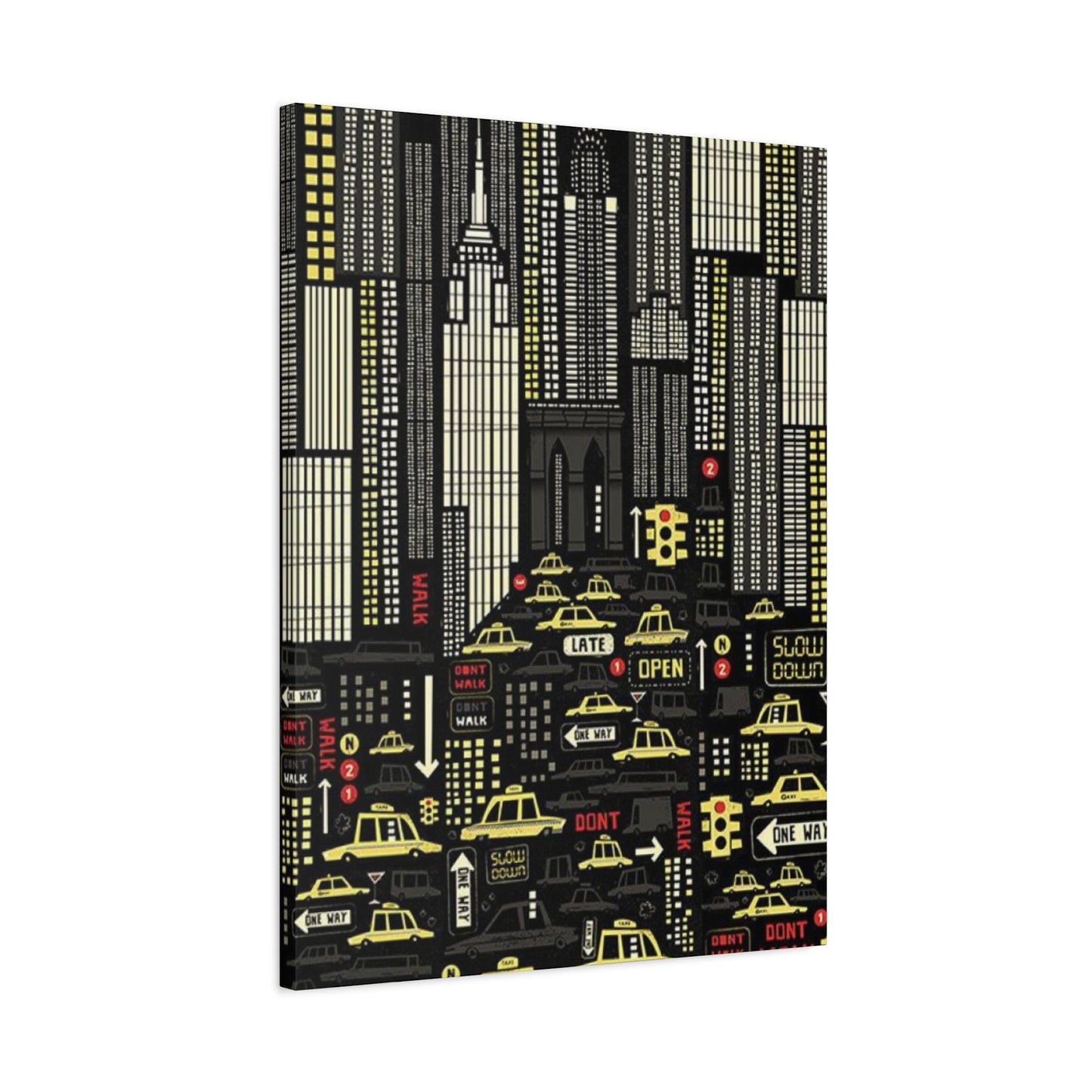

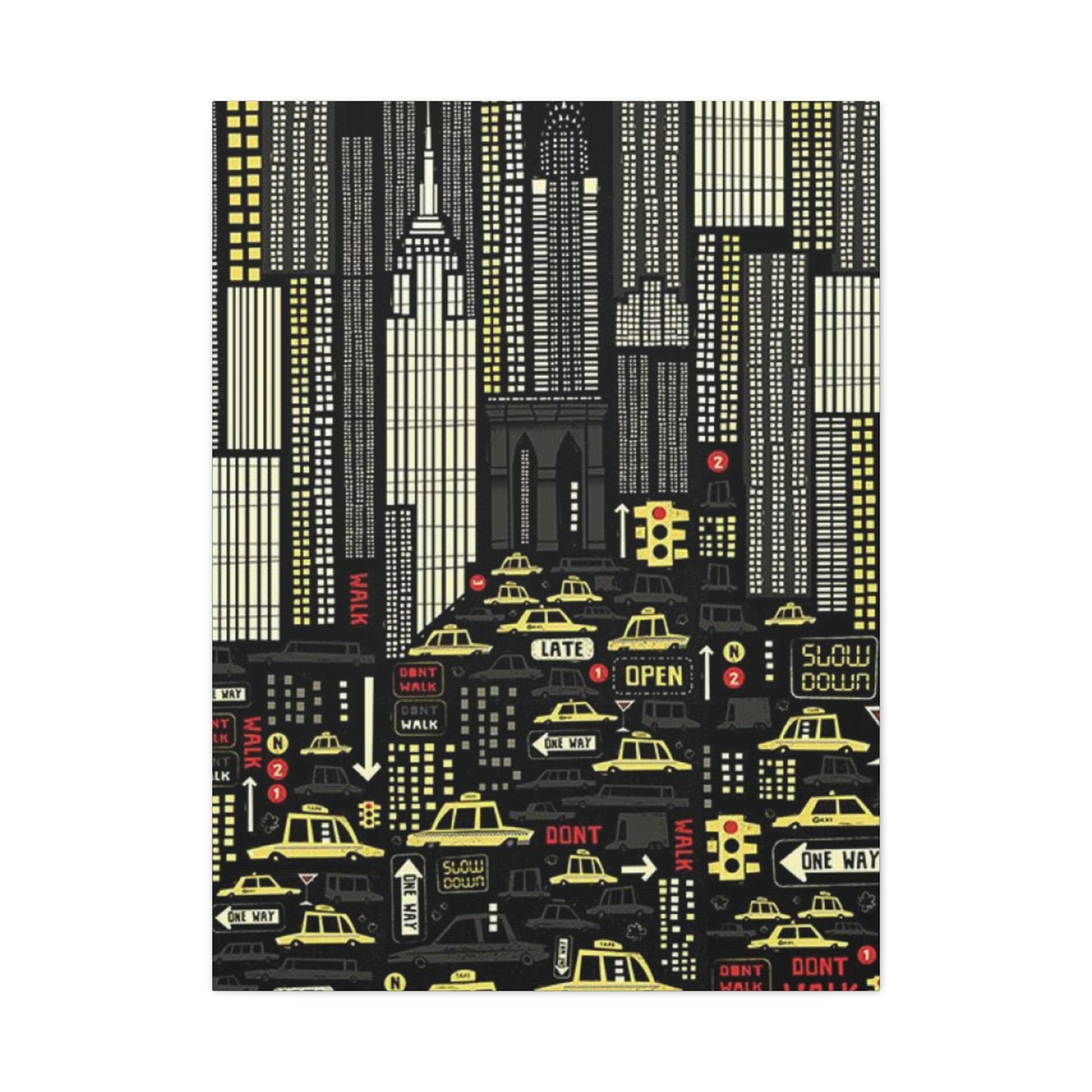
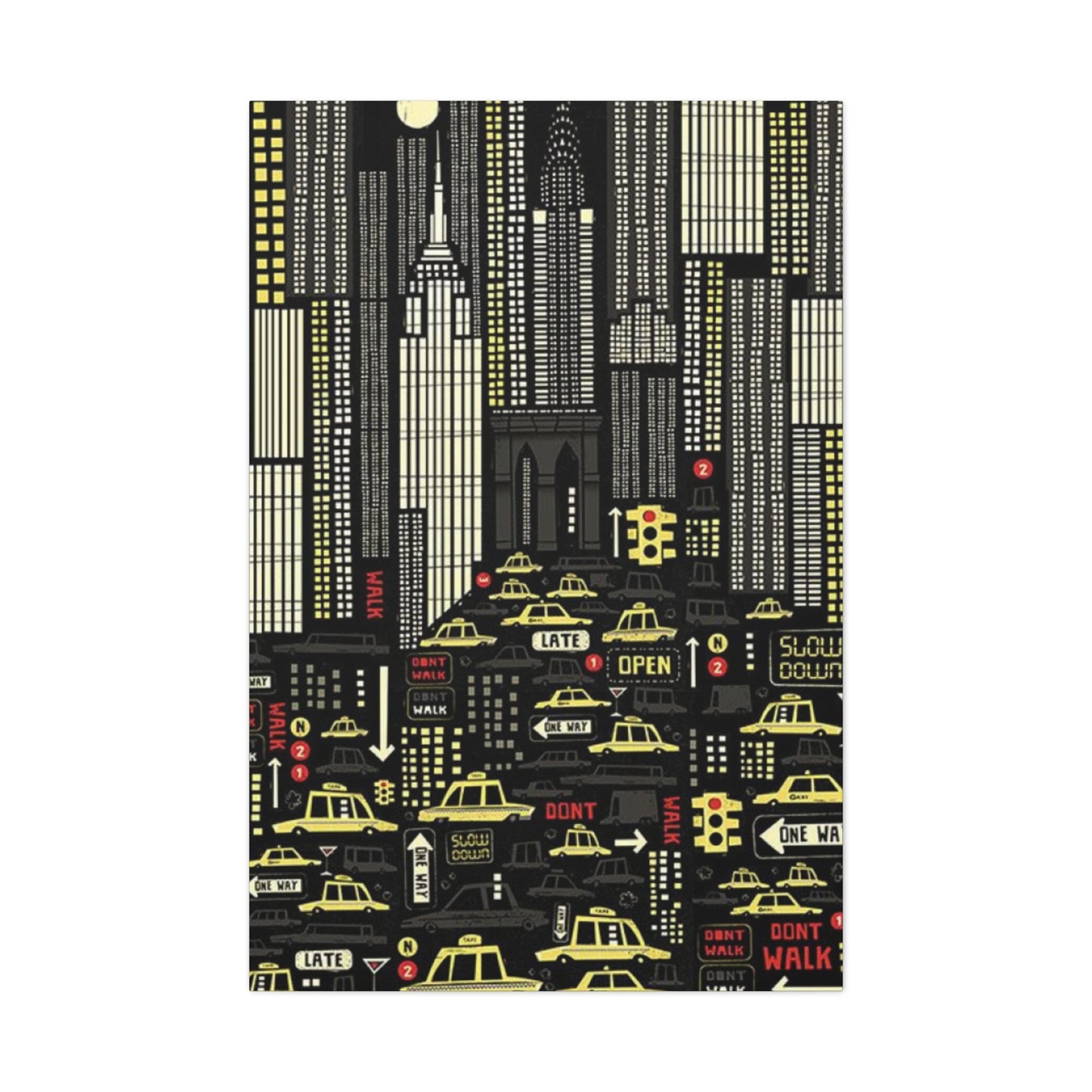
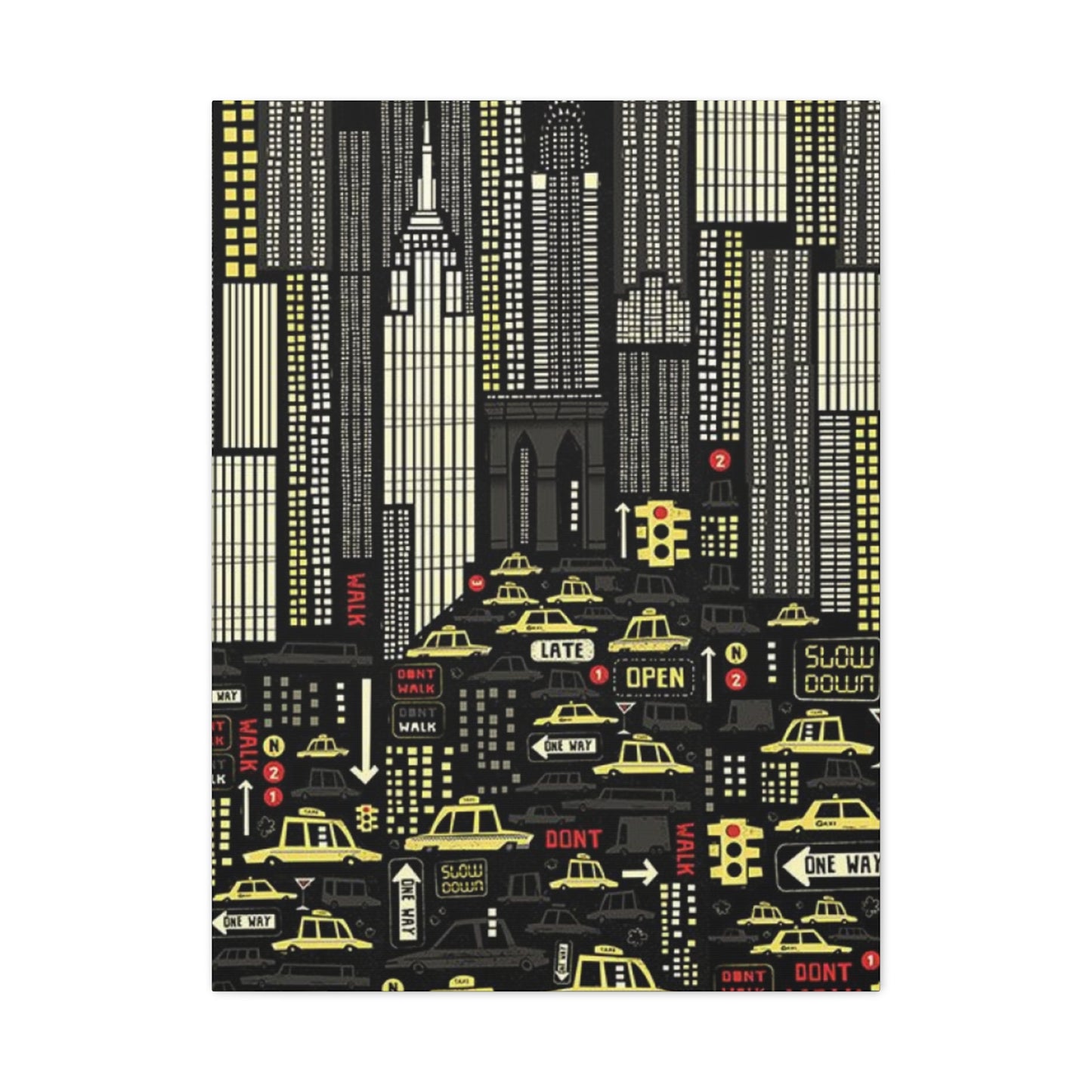
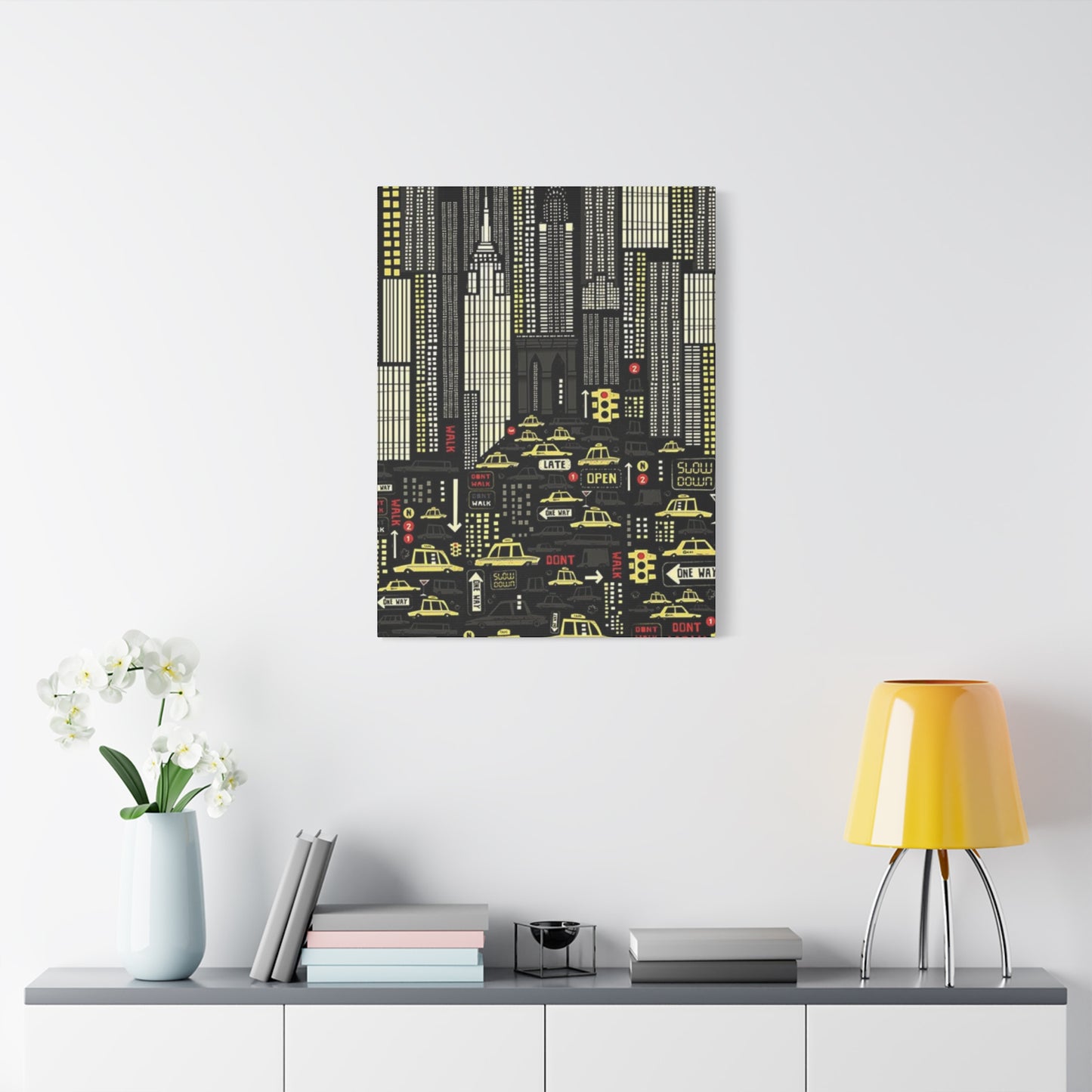
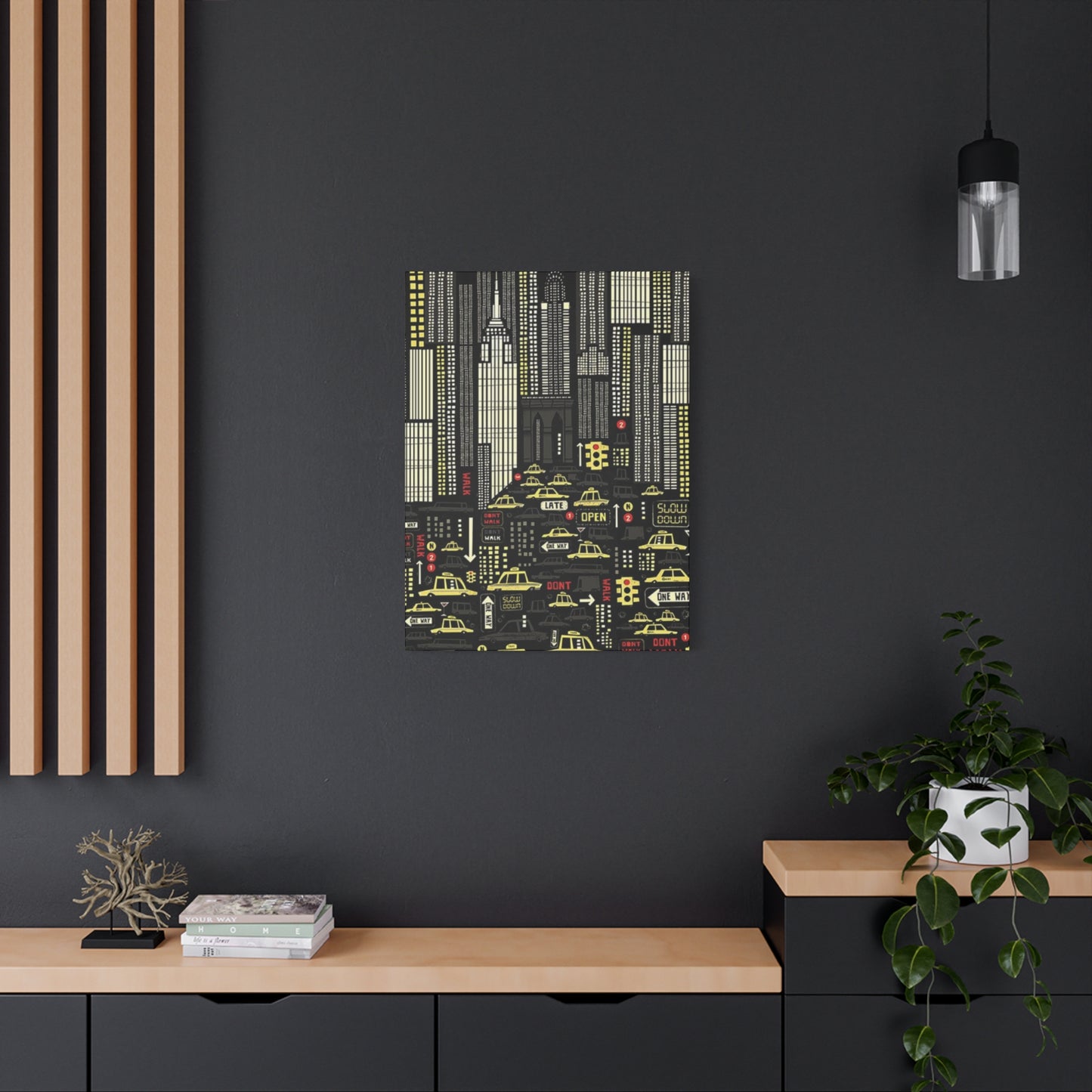
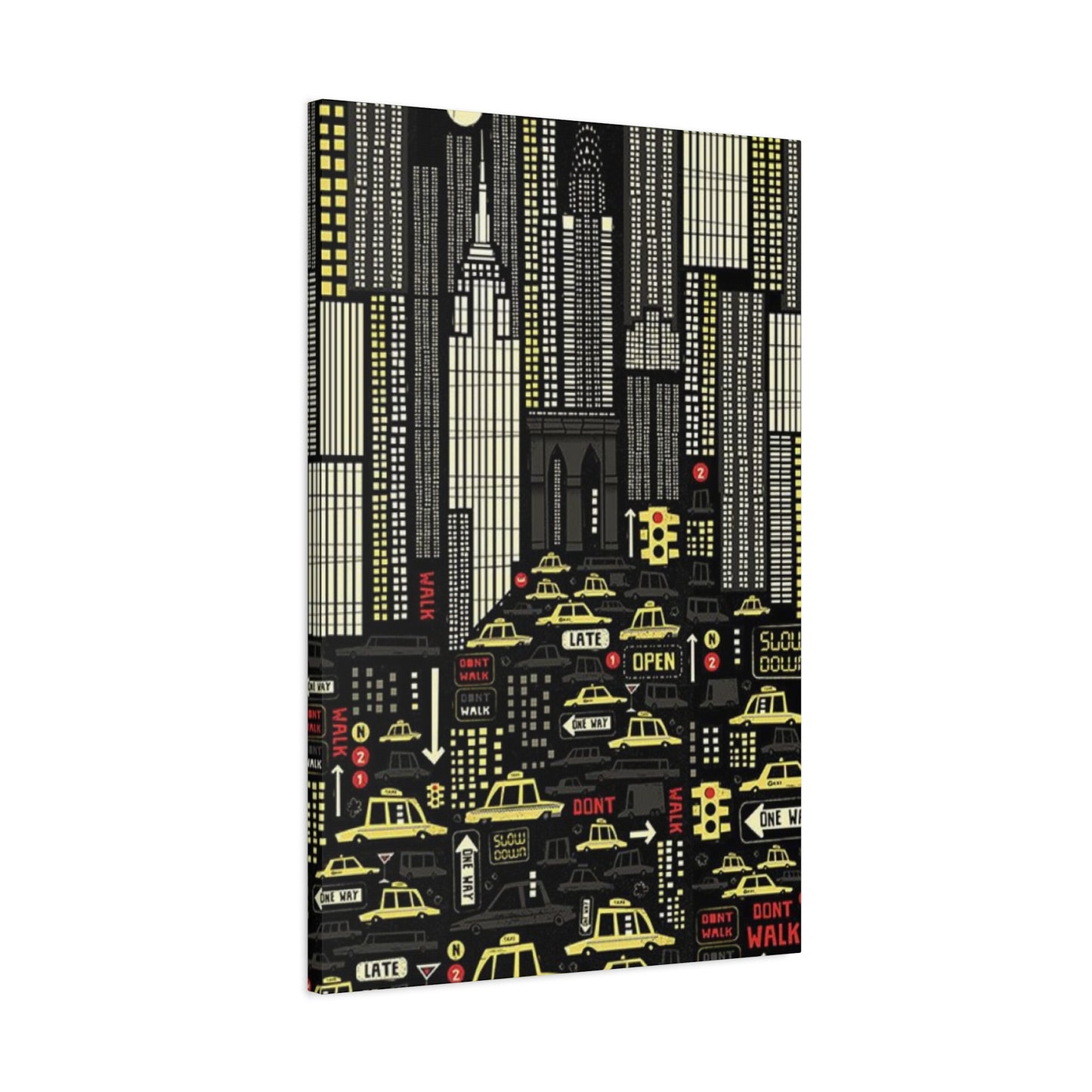
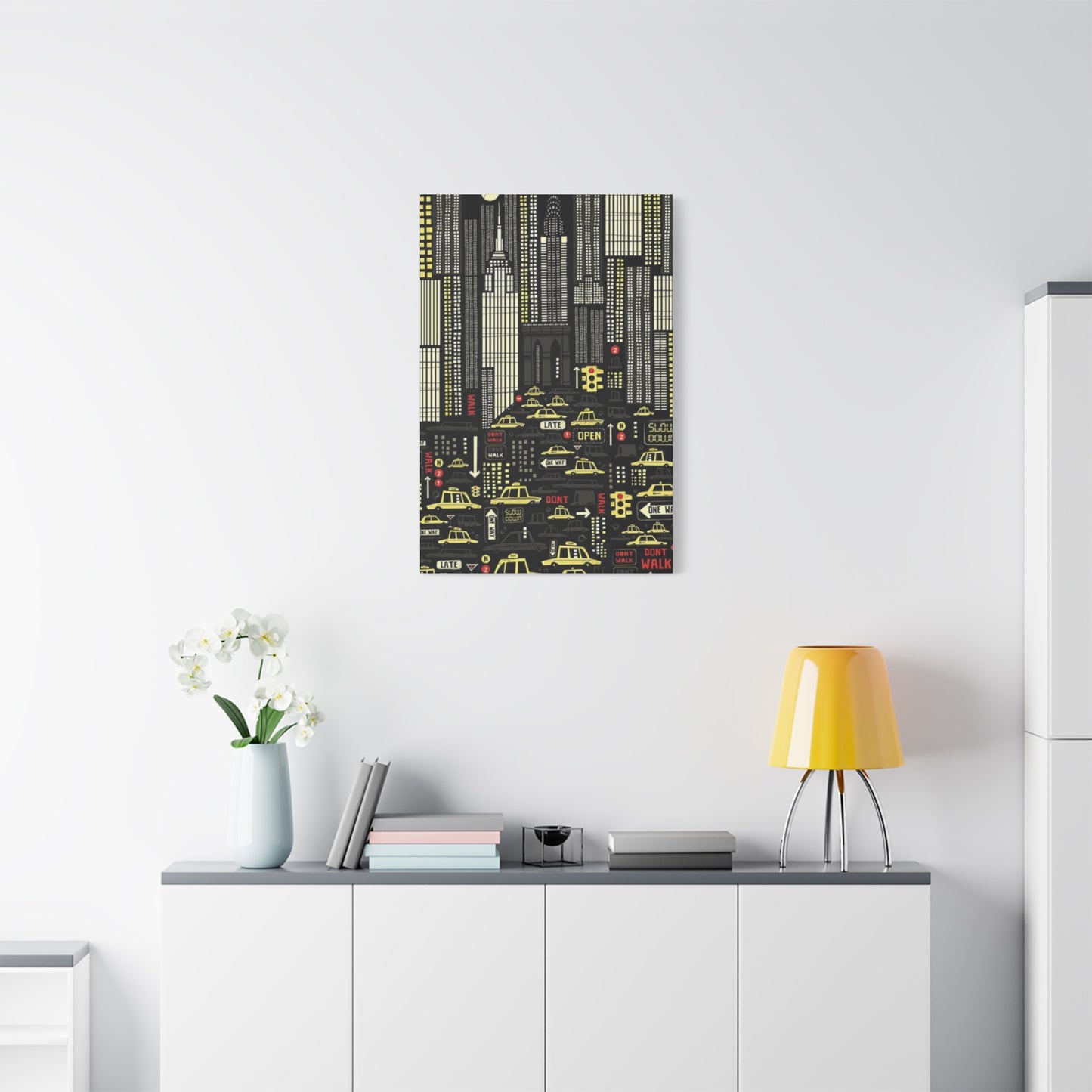
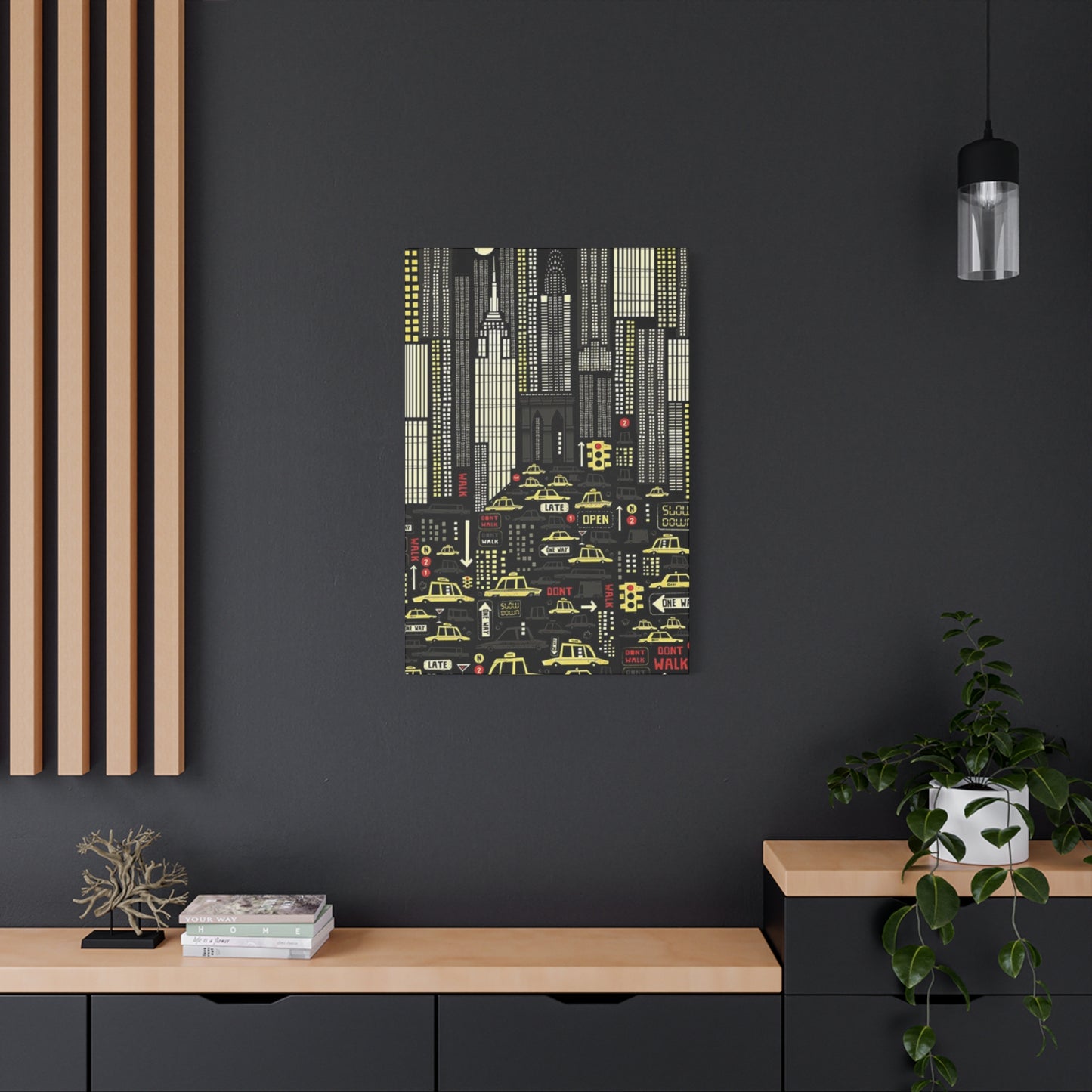
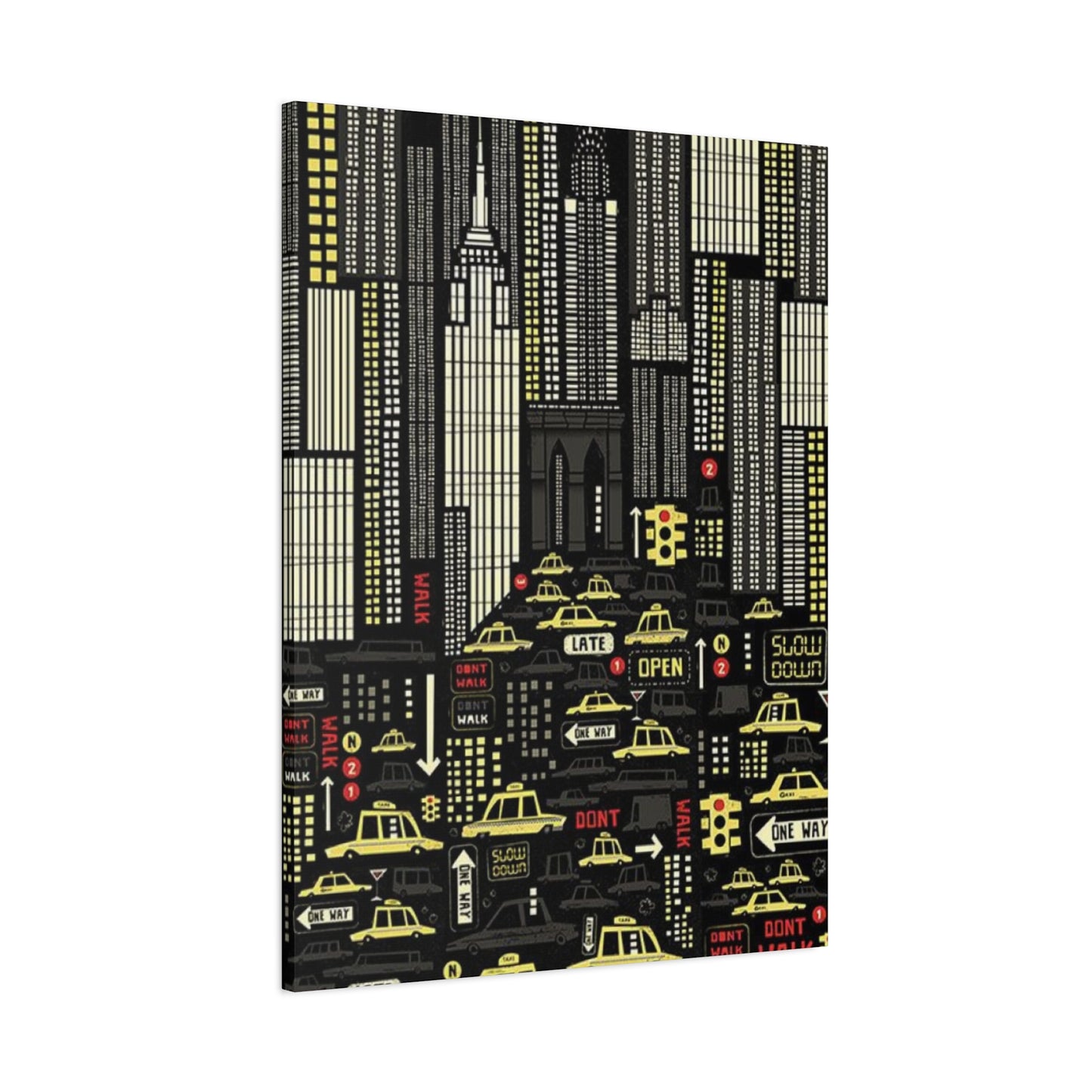
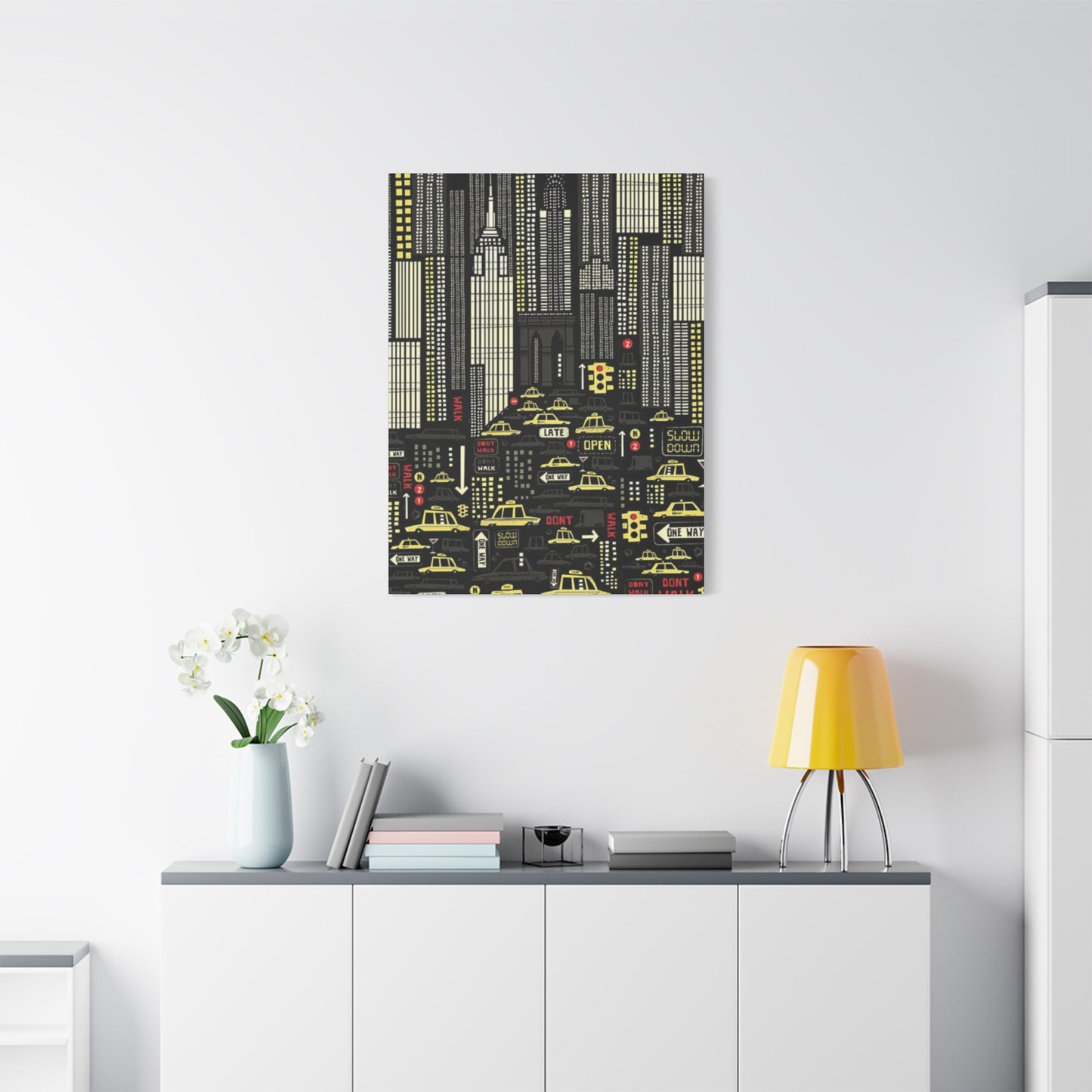
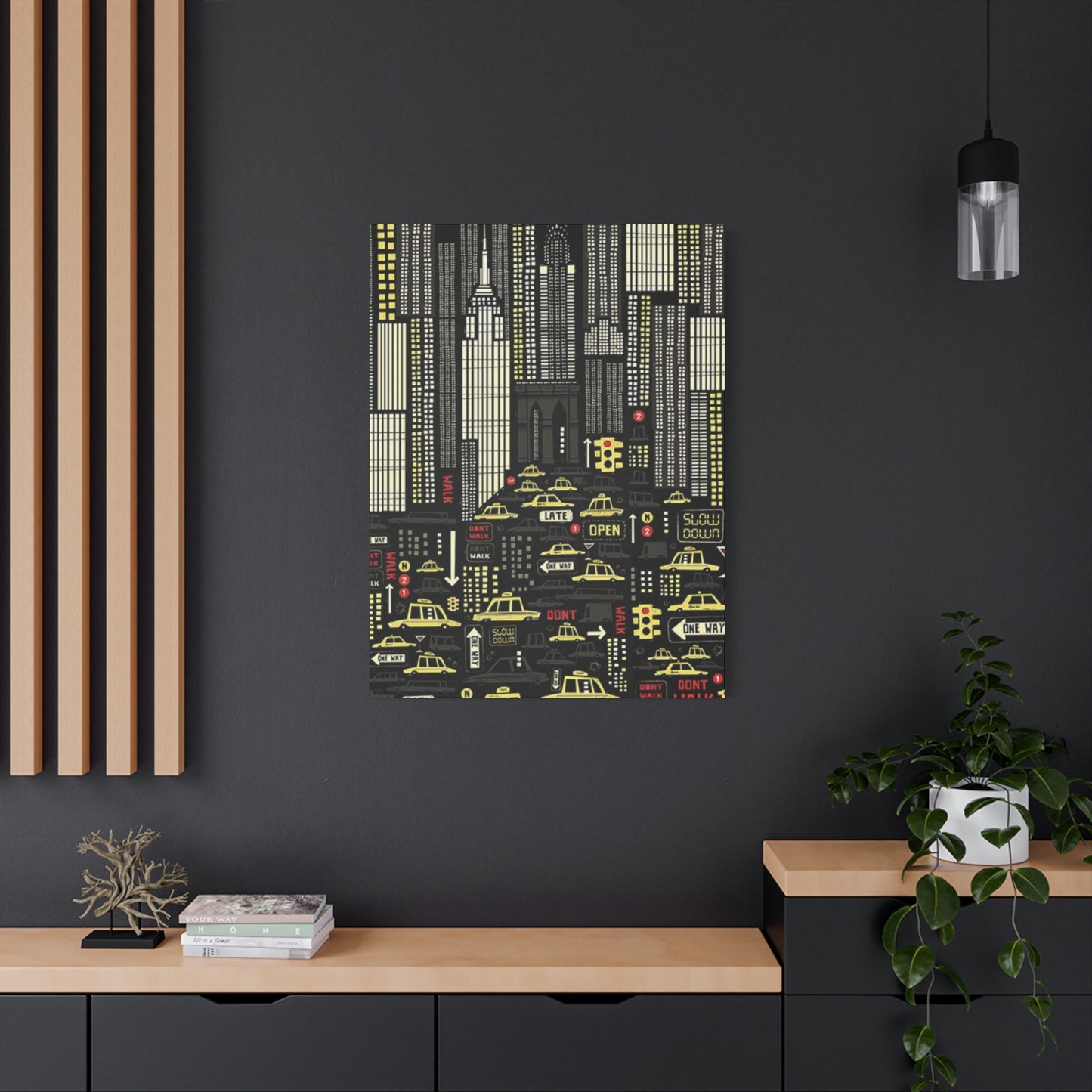
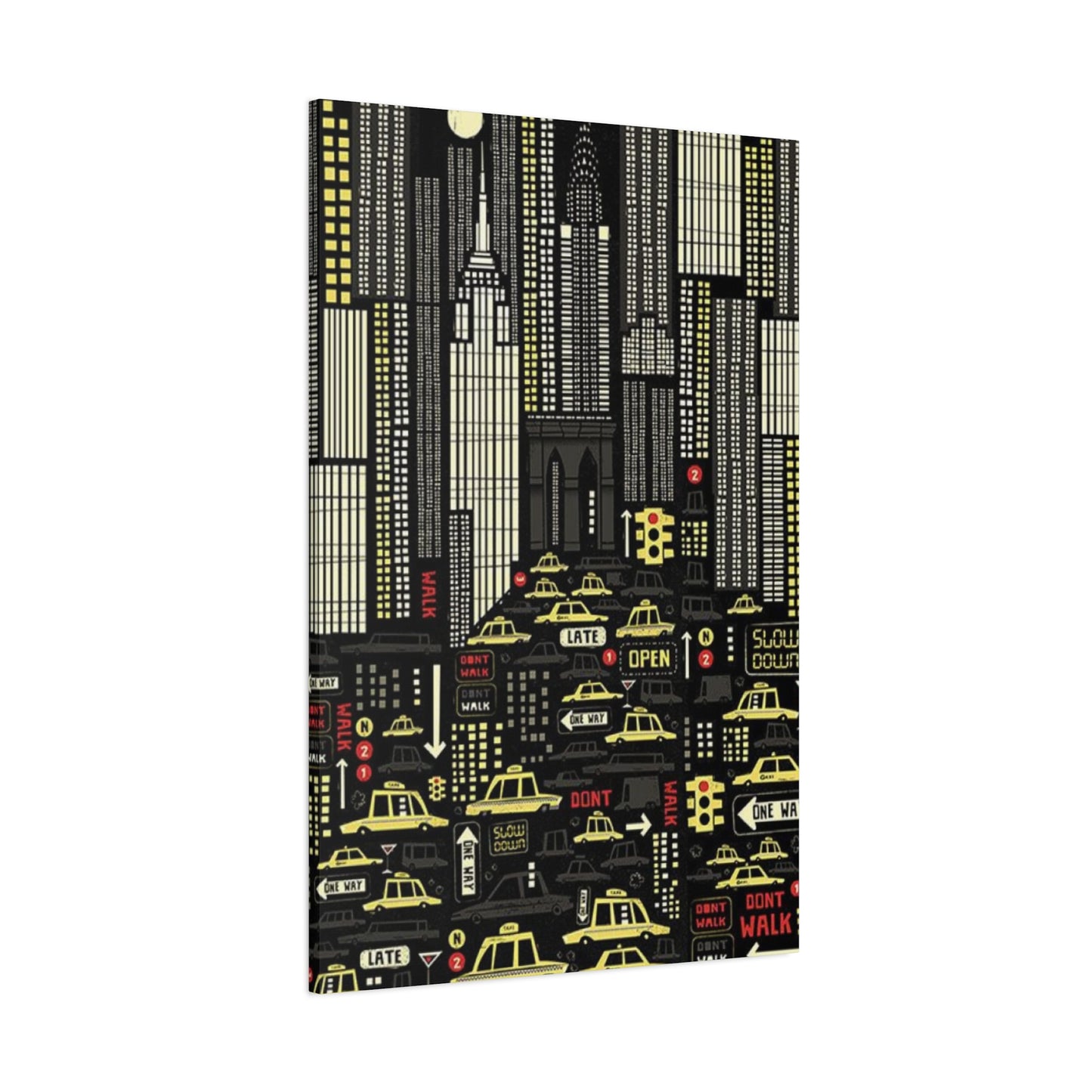
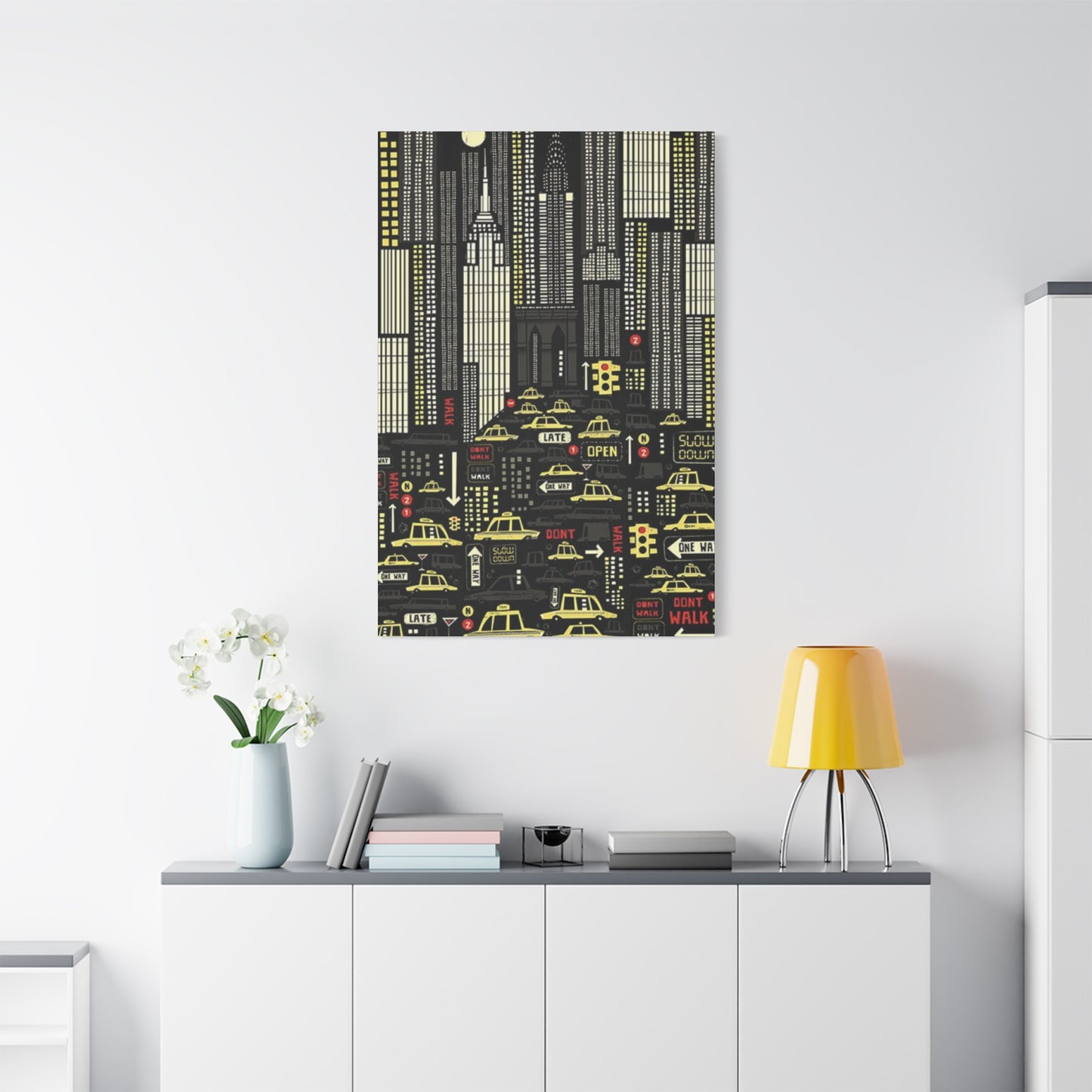
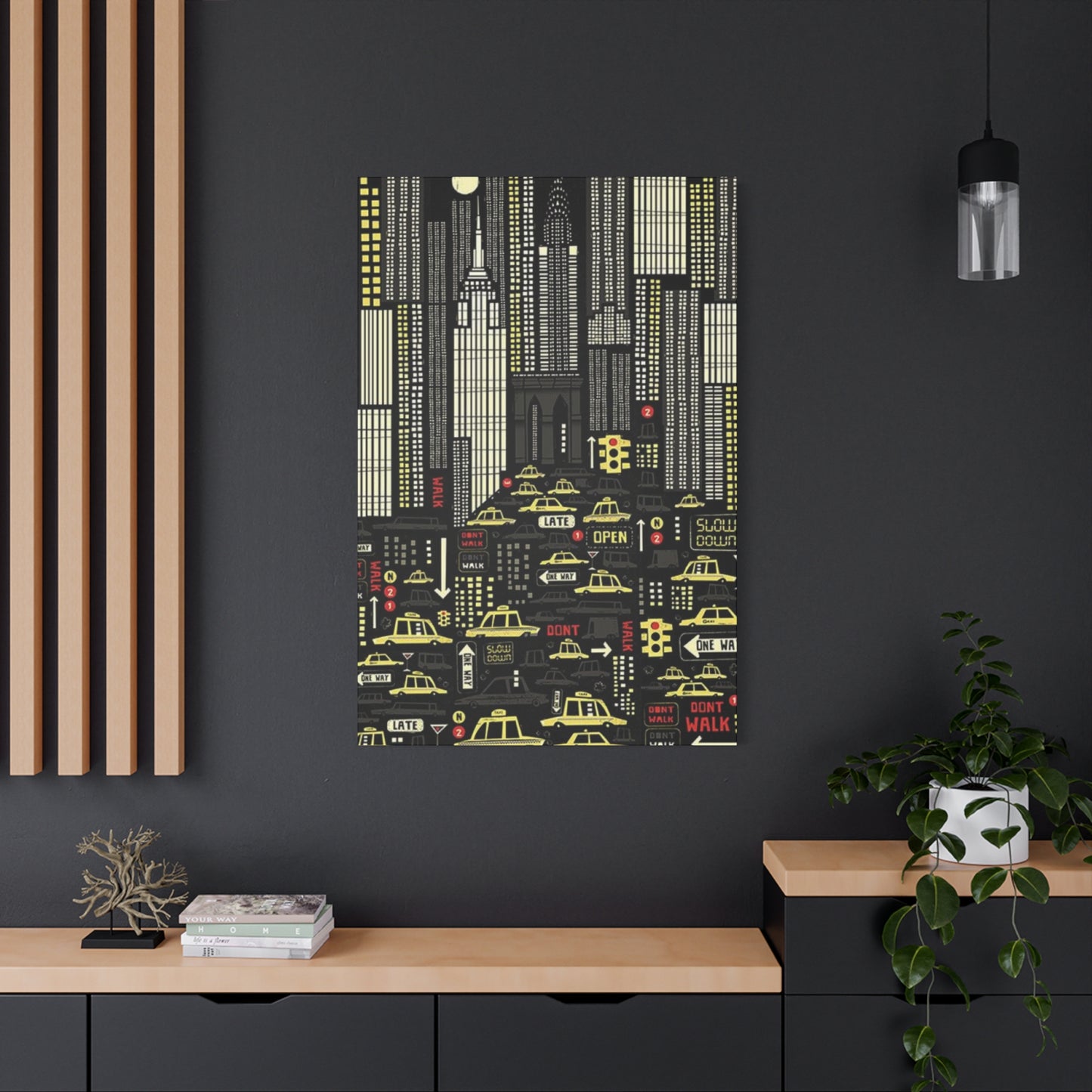
NYC Yellow Taxi Animation: Bringing Metropolitan Energy Into Your Living Space Through Dynamic Wall Art
The bustling streets of New York City have long captured the imagination of artists, photographers, and designers worldwide. Among the most iconic symbols of this metropolitan landscape is the yellow taxi, a vehicle that represents more than just transportation but embodies the very spirit of urban life. When transformed into animated wall art and canvas prints, these vibrant images create a powerful visual statement that brings the energy of city streets directly into homes, offices, and commercial spaces. This comprehensive exploration delves into every aspect of yellow taxi animation artwork, from its cultural significance to practical considerations for selecting and displaying these captivating pieces in various environments.
The Cultural Significance Behind Yellow Taxi Imagery in Modern Art
The yellow taxi has become an enduring symbol of New York City, representing the constant motion, diversity, and opportunity that define the metropolitan experience. These vehicles have appeared in countless films, television shows, photographs, and artworks throughout the decades, cementing their place in popular culture. When artists choose to depict yellow taxis in their work, they tap into a rich visual language that immediately evokes feelings of urban sophistication, adventure, and the fast-paced nature of city living.
The color yellow itself carries psychological weight, associated with energy, optimism, and attention-grabbing vibrancy. In the context of New York City streets, this bright hue stands out against the gray concrete, glass towers, and crowded sidewalks, making it a natural focal point for visual compositions. Artists who work with taxi imagery understand that they are not simply depicting a vehicle but capturing a moment in the continuous flow of urban existence, where millions of individual stories intersect daily.
Animation adds another layer of meaning to taxi artwork, suggesting movement, progress, and the dynamic nature of city life. Unlike static photographs, animated representations can convey the sensation of motion, the blur of passing scenery, and the kinetic energy that characterizes metropolitan environments. This artistic choice transforms a simple subject into a commentary on modern life, where constant change and movement have become the norm rather than the exception.
The appeal of taxi-themed artwork extends beyond New York City residents to a global audience that recognizes these vehicles as representations of American urban culture. For some viewers, such artwork serves as a nostalgic reminder of visits to the city, while for others, it represents aspirational qualities associated with metropolitan living. The universality of transportation as a human experience makes taxi imagery relatable while its specific connection to New York gives it distinctive character and authenticity.
Exploring Various Animation Styles in Taxi-Themed Wall Art
Animation in wall art takes many forms, each offering distinct aesthetic qualities and emotional impacts. Vector-based animation creates clean, geometric representations of yellow taxis, often with simplified shapes and bold color blocks that give artwork a contemporary, graphic design feel. This style works particularly well in modern interiors where minimalism and clear visual communication are priorities. The precision of vector animation allows for sharp lines and perfectly rendered forms that maintain their quality regardless of viewing distance.
Watercolor animation effects bring a softer, more artistic interpretation to taxi imagery. By incorporating fluid brush strokes, color bleeding, and transparent layering, this style creates dreamlike representations that emphasize the emotional and experiential aspects of city life rather than literal documentation. Watercolor techniques can make taxi scenes feel more personal and intimate, as though filtered through memory and impression rather than captured through a camera lens.
Motion blur animation simulates the visual experience of watching traffic speed past, creating dynamic compositions where taxis appear to streak across the canvas. This technique effectively communicates velocity and urgency, capturing the feeling of standing on a busy street corner as the city rushes by. The intentional distortion created by motion blur adds visual interest and prevents the artwork from becoming static or lifeless, even when displayed as a print rather than actual moving imagery.
Pop art animation styles draw inspiration from the work of artists like Andy Warhol and Roy Lichtenstein, using bright colors, repeated imagery, and bold outlines to create eye-catching compositions. This approach often involves manipulating taxi images through color shifts, pattern overlays, and graphic simplification that elevates everyday subjects to iconic status. Pop art animation particularly appeals to collectors who appreciate bold visual statements and artwork that serves as conversation starters.
Digital glitch animation introduces contemporary digital aesthetics into taxi imagery, incorporating pixelation, color distortion, and fragmented compositions that reflect our technology-saturated era. This style creates a sense of modernity and can appeal to younger audiences or those interested in the intersection of traditional subjects and digital culture. Glitch effects can make familiar taxi scenes feel fresh and unexpected, preventing the imagery from feeling cliché or overly sentimental.
Technical Aspects of Creating High-Quality Canvas Prints
The process of transforming digital animation artwork into physical canvas prints requires careful attention to technical details that significantly impact the final product's appearance and longevity. Resolution stands as the most critical factor, with high-quality prints requiring source images of at least 300 dots per inch at the intended display size. Lower resolutions may appear acceptable on screens but will reveal pixelation, blurriness, or banding when printed at larger scales, diminishing the professional quality that makes artwork worth displaying.
Color management throughout the printing process ensures that the vibrant yellows, deep blacks, and subtle gradations present in digital files translate accurately to physical prints. Different printing technologies and canvas materials can affect color reproduction, making it essential to work with printers who use color-calibrated equipment and can provide proofs before final production. The distinction between RGB color spaces used for digital displays and CMYK processes used in printing requires conversion that, when handled improperly, can result in unexpected color shifts or reduced vibrancy.
Canvas material selection impacts both the visual appearance and durability of prints. Cotton canvas offers a traditional fine art feel with a natural texture that many collectors prefer, while polyester canvas provides enhanced durability and better resistance to moisture and environmental factors. Blended materials attempt to balance these qualities, offering moderate texture with improved practical characteristics. The weight and weave of canvas also affect how the material accepts ink and how the final print appears, with heavier canvases generally providing more substantial presence and professional appearance.
Stretching and mounting techniques determine how canvas prints maintain their shape and tension over time. Gallery wrap mounting, where the image extends around the sides of the frame, creates a modern, frameless appearance that works well for contemporary spaces. Museum wrap keeps the image confined to the front surface, with neutral colors on the sides, which some collectors prefer for a more traditional presentation. The quality of stretcher bars, typically made from kiln-dried wood, prevents warping that could cause canvas to sag or develop unwanted texture over time.
Protective coatings applied to finished prints serve multiple purposes, including protecting against ultraviolet light that can cause fading, repelling moisture that might damage canvas or ink, and creating surfaces that can be gently cleaned without harming the artwork. Various coating options range from matte finishes that eliminate glare to glossy surfaces that enhance color vibrancy, with satin finishes offering a middle ground. The choice of coating should consider both aesthetic preferences and the environmental conditions where the artwork will be displayed.
Size Considerations for Maximum Visual Impact
Selecting the appropriate size for taxi animation wall art requires balancing multiple factors including room dimensions, viewing distance, surrounding décor, and the specific composition of the artwork itself. Oversized prints, ranging from four to six feet in width, create dramatic focal points that command attention and can anchor entire room designs. These large-scale pieces work particularly well in spacious areas such as living rooms, office lobbies, or commercial spaces where they can be viewed from various distances and serve as primary design elements.
Medium-sized prints, typically between two and four feet wide, offer versatility that makes them suitable for numerous applications. These dimensions work well above furniture pieces like sofas and beds, in hallways and corridors, or as part of gallery wall arrangements. Medium prints provide sufficient presence to make visual statements without overwhelming spaces or requiring extensive wall area, making them practical choices for apartments and smaller homes where wall space comes at a premium.
Small-scale prints and intimate pieces measuring under two feet create opportunities for personal vignettes and detailed viewing experiences. These sizes work beautifully in home offices, reading nooks, bathrooms, and entryways where viewers can appreciate fine details and subtle artistic elements that might be lost in larger compositions. Small prints also enable collectors to display multiple related pieces together, creating cohesive series or thematic groupings that tell more complex visual stories.
The specific composition of taxi animation artwork should influence size selection, as different images have varying optimal scales. Pieces featuring busy street scenes with multiple taxis and abundant environmental details often benefit from larger sizes that allow viewers to discover and appreciate individual elements. Conversely, minimalist compositions focusing on a single taxi silhouette or simplified graphic representation may achieve maximum impact at smaller scales where clean lines and bold shapes read clearly without unnecessary expansion.
Viewing distance calculations help determine appropriate artwork size for specific locations. As a general guideline, optimal viewing distance ranges from one and a half to two times the diagonal measurement of the artwork, though this varies based on the piece's detail level and the viewer's intended experience. Spaces where people typically stand close to walls, such as hallways, can accommodate smaller pieces effectively, while rooms where seating positions viewers at greater distances require larger artwork to maintain visual presence and impact.
Color Palette Selection and Coordination with Interior Design
The color scheme present in taxi animation artwork significantly influences how pieces integrate with existing interior design and the emotional atmosphere they create within spaces. Traditional yellow taxi artwork features bright, saturated yellows as the dominant color, often contrasted against neutral urban backgrounds of grays, blacks, and whites. This classic combination works well in spaces with neutral color schemes, where the yellow provides a vibrant accent that energizes without clashing with existing décor elements.
Variations on traditional taxi colors offer opportunities for customization that better aligns artwork with specific design visions. Some artists create versions featuring taxis in unexpected hues such as teal, pink, or purple, maintaining the recognizable taxi form while shifting the color story to complement particular interior palettes. These reinterpretations can feel more personalized and less obvious than standard yellow representations, appealing to collectors who want taxi imagery without its most conventional presentation.
Monochromatic treatments transform taxi scenes into studies of light, shadow, and form, removing color as a factor and instead emphasizing composition, contrast, and tonal relationships. Black and white taxi artwork brings timeless elegance and photographic quality to spaces, working particularly well in sophisticated environments where subtlety and refinement take priority over bold color statements. Sepia and other tinted monochrome approaches add warmth or coolness depending on the chosen tone, creating different emotional responses while maintaining the simplified color approach.
Background color choices in taxi animation artwork dramatically affect overall appearance and integration with interior spaces. Dark backgrounds create dramatic contrast that makes yellow taxis appear to glow, generating bold, attention-grabbing compositions suitable for spaces that can accommodate strong visual statements. Light backgrounds produce airier, more open feelings and can make spaces appear larger and brighter, though they risk allowing yellow taxis to dominate less emphatically.
Complementary color schemes incorporating colors opposite yellow on the color wheel, particularly purples and blues, create visual tension and energy that can make artwork feel more dynamic and engaging. Analogous color schemes using colors adjacent to yellow, such as oranges and greens, produce harmonious compositions that feel more unified and peaceful. Understanding these color relationships helps in selecting taxi artwork that achieves desired emotional effects and successfully coordinates with existing room colors.
Frame and Mounting Options for Professional Presentation
While many canvas prints are designed for frameless display with gallery wrap mounting, adding frames provides opportunities to enhance artwork presentation and better integrate pieces with room décor. Floating frames create separation between canvas edges and frame boundaries, producing a contemporary look that adds visual interest through dimensional depth. This mounting style works particularly well for modern and transitional spaces where clean lines and understated elegance guide design choices.
Traditional frames with visible borders offer opportunities to introduce additional colors, textures, and materials that complement both the artwork and surrounding environment. Wood frames bring natural warmth and can range from light, blonde tones to deep, rich browns and blacks, each creating different effects when paired with taxi imagery. Metal frames provide industrial edge and contemporary sophistication, with options including brushed aluminum, polished chrome, and matte black finishes that each contribute distinct character.
Frame width and profile significantly impact artwork presentation, with narrow frames creating minimal visual interruption and allowing the image to dominate, while wider frames add substantial presence and can make smaller prints appear more significant. Profile depth also matters, with shallow frames maintaining low profiles against walls and deeper frames creating more dimensional presence that causes artwork to project outward, increasing its physical impact within spaces.
Alternative mounting systems beyond traditional frames include acrylic face mounting, where artwork is bonded to clear acrylic sheets that protect the surface while creating a luminous, gallery-quality appearance. Metal prints transfer images directly to aluminum sheets, creating ultra-modern presentations with exceptional durability and unique visual characteristics including subtle metallic sheens. These alternative approaches appeal to collectors seeking distinctive presentations that differ from conventional canvas and frame combinations.
Mounting hardware and installation methods affect both the security of artwork placement and the ease with which pieces can be repositioned or removed. Professional hanging systems including D-rings, wire, and sawtooth hangers each offer advantages and limitations depending on artwork weight, wall type, and desired positioning flexibility. For valuable or heavy pieces, professional installation ensures proper weight distribution and secure mounting that protects both artwork and walls from damage.
Placement Strategies for Different Room Types and Functions
Living rooms serve as primary gathering spaces where taxi animation artwork can establish design themes and create focal points that anchor furniture arrangements. Positioning artwork above sofas or seating areas creates natural visual connections between functional elements and decorative accents, while placement above fireplaces or entertainment centers leverages existing architectural features as display platforms. The scale of living room artwork should match the room's proportions, with larger spaces accommodating oversized pieces that might overwhelm smaller areas.
Bedroom placement considerations balance aesthetic impact with the room's function as a restful retreat. Artwork positioned above beds serves as the natural focal point upon entering rooms, while pieces on walls opposite beds become the last thing seen before sleep and first sight upon waking, influencing daily rhythms and moods. The energy conveyed by animated taxi imagery can invigorate morning routines while potentially being too stimulating for some individuals' sleep environments, making it important to consider personal preferences and sensitivities.
Home offices and study spaces benefit from artwork that inspires productivity, creativity, and focused energy, making animated taxi scenes particularly appropriate for these environments. The implied motion and urban dynamism can help maintain alertness and combat the monotony of extended work sessions. Positioning artwork within the line of sight during brief breaks from computer screens provides mental refreshment without requiring significant physical movement, while placement outside direct sightlines during focused work prevents potential distraction.
Dining areas offer opportunities for conversational artwork that stimulates discussion and creates memorable dining experiences. Taxi animation prints bring urban sophistication to these spaces, particularly in contemporary and industrial-style dining rooms where metropolitan themes feel cohesive with overall design directions. Scale should allow diners to appreciate the artwork without it dominating the dining experience, typically requiring medium-sized pieces unless the dining area occupies a particularly spacious room.
Entryways and foyers create first impressions that set tones for entire homes or offices, making them strategic locations for statement artwork that communicates personal style and interests. Taxi animation in these transitional spaces immediately signals urban sophistication and contemporary aesthetic sensibilities. Size limitations in many entryways require careful selection to achieve impact without creating cramped feelings, though large entries can accommodate dramatic oversized pieces that truly wow visitors.
Creating Gallery Walls and Multi-Panel Displays
Gallery wall arrangements allow collectors to display multiple related pieces together, creating cohesive visual narratives that offer more complexity than single artworks achieve alone. Taxi-themed gallery walls might include various animation styles, different perspectives on similar subjects, or sequential moments that together convey the experience of urban travel. Successful gallery arrangements require careful planning regarding spacing, alignment, and visual flow to ensure the collection reads as an intentional composition rather than random placement.
Triptych and multi-panel displays split single images across multiple canvases, creating expansive compositions with built-in visual interest from the spacing between panels. Large taxi scenes gain additional dynamism when divided across three or more pieces, with the negative space between canvases adding rhythm and preventing the artwork from appearing monolithic. Panel arrangements can be horizontal, vertical, or configured in creative patterns that add architectural interest to walls beyond what single pieces provide.
Mixing sizes within gallery walls adds visual interest and prevents arrangements from appearing too rigid or formulaic. Combining one large central piece with several smaller surrounding works creates hierarchical compositions with clear focal points, while arrangements using pieces of varied but similar sizes produce more democratic distributions of visual weight. The key to successful mixed-size galleries lies in achieving overall balance where no single area feels too heavy or empty relative to others.
Color coordination across multiple pieces ensures gallery walls feel cohesive even when displaying works with different subjects or styles. For taxi-themed collections, maintaining consistent treatment of the signature yellow while varying backgrounds, animation styles, or compositional approaches allows unity with diversity. Alternatively, arranging pieces to create color gradients or patterns across the full gallery adds an additional layer of design intentionality that elevates the overall presentation.
Spacing and layout mathematics help create professional-looking gallery arrangements that feel neither cramped nor disconnected. Common spacing guidelines suggest maintaining two to three inches between pieces, though this can vary based on frame styles and overall aesthetic preferences. Creating paper templates or using digital planning tools allows experimentation with various arrangements before committing to wall holes, saving time and preventing damaged walls from unsuccessful layouts.
Lighting Techniques to Enhance Artwork Visibility and Impact
Proper lighting transforms artwork from merely visible to truly showcase-worthy, revealing details, enhancing colors, and creating dramatic presentations that maximize aesthetic impact. Picture lights mounted directly above or below artwork provide focused illumination specifically designed for art display, typically using LED technology that minimizes heat and ultraviolet exposure that could damage prints over time. Adjustable picture lights allow customization of light angles and intensity to achieve optimal results with specific pieces.
Track lighting systems offer flexibility for illuminating multiple artworks or adjusting spotlight positions as artwork placement changes. Individual track heads can be positioned and angled to highlight specific pieces, with dimming capabilities allowing fine control over lighting intensity based on time of day, natural light levels, and desired ambiance. Quality track systems designed for art illumination use bulbs with high color rendering indices that accurately display artwork colors rather than distorting hues through poor-quality light.
Recessed ceiling spotlights provide clean, architectural lighting solutions that direct attention to artwork without visible fixtures drawing focus. When positioned correctly relative to artwork, recessed lights create even illumination across print surfaces while minimizing glare and unwanted shadows. The fixed nature of recessed lighting requires accurate initial positioning, as adjustments after installation are impossible without significant renovation work.
Natural lighting considerations impact both artwork preservation and display effectiveness. While natural light beautifully illuminates spaces during daytime hours, direct sunlight contains ultraviolet radiation that gradually fades prints, making it essential to position valuable artwork away from windows or use UV-filtering window treatments. Indirect natural light from north-facing windows or bounced light from nearby windows provides gentler illumination that enhances artwork without the preservation concerns associated with direct sun exposure.
Ambient room lighting affects how artwork appears within broader contexts, with general illumination levels influencing whether dedicated art lighting creates sufficient contrast to make pieces stand out or disappears against bright overall environments. Layered lighting approaches combining ambient, task, and accent lighting allow flexibility, enabling artwork to take center stage during evening hours through spotlighting while integrating more subtly within daytime contexts when natural light dominates spaces.
Material Quality Indicators for Premium Canvas Prints
Assessing canvas print quality requires understanding various material and production characteristics that separate exceptional products from mediocre offerings. Canvas weight, measured in ounces per square yard, indicates material substance and durability, with quality prints typically using canvas weighing at least eight to ten ounces. Heavier canvas resists sagging, provides better structural integrity for large prints, and creates a more substantial, professional appearance that lighter materials cannot match.
Ink quality determines color vibrancy, longevity, and resistance to fading over time. Archival-grade pigment inks offer superior lightfastness compared to dye-based alternatives, maintaining color integrity for decades when properly displayed and cared for. Manufacturers using premium inks typically specify their products as archival or museum-quality, with ratings indicating expected lifespans of seventy-five to one hundred years or more under appropriate conditions.
Print resolution and detail rendition reveal the quality of both source files and printing equipment used in production. Examining prints closely for pixelation, banding in gradient areas, or loss of fine details helps identify inferior products. High-quality taxi animation prints should display smooth color transitions, sharp edges where appropriate, and consistent ink application across the entire surface without visible printing artifacts or flaws.
Stretcher bar quality affects how prints maintain shape and tension over time. Premium stretcher bars are made from kiln-dried wood that resists warping, with adequate thickness and internal bracing for larger prints that prevents bowing. Corner joints should be secure with precise connections that hold canvas taut, and better manufacturers include hanging hardware integrated into stretcher construction rather than relying on added elements that may prove less secure.
Finishing details including edge treatments, protective coatings, and backing materials indicate production care and attention to quality. Clean, evenly coated edges without raw canvas showing, properly applied protective finishes without drips or uneven coverage, and dust covers on the back of stretched prints all signal professional manufacturing standards. These details might seem minor but collectively reflect the manufacturer's commitment to delivering premium products that will satisfy discerning collectors.
Seasonal and Themed Variations of Taxi Artwork
Winter-themed taxi animation featuring snow-covered streets, holiday lights, and seasonal atmospheric effects creates artwork appropriate for year-round display while offering special resonance during colder months. Snowy taxi scenes evoke the particular magic of urban winters, when the energy of city life contrasts beautifully with quiet snowfall and transformed landscapes. These seasonal variations appeal to collectors who enjoy rotating artwork with changing seasons or those who want pieces specifically reflecting their favorite times of year.
Night scene animations emphasizing illuminated taxis against dark urban backgrounds create moody, atmospheric artwork with different energy than daytime representations. The glow of taxi lights, reflections on wet pavement, and the mysterious quality of nighttime streets produce compositions that feel sophisticated and slightly mysterious. Night scenes work particularly well in spaces designed with darker color palettes or where creating ambient, intimate atmospheres takes priority over bright, energetic feelings.
Rain-soaked street scenes incorporate reflections, weather effects, and the particular character of cities during inclement weather. Water droplets, puddle reflections doubling taxi images, and blurred backgrounds suggesting rain create dynamic compositions with added visual complexity. These weather-themed pieces appeal to collectors who appreciate the full spectrum of urban experiences rather than only idealized sunny day representations.
Historical or vintage-styled taxi animations transport viewers to earlier eras of urban transportation, featuring older taxi models, period-appropriate street scenes, and nostalgic color treatments that evoke mid-century aesthetics. These retrospective pieces appeal to history enthusiasts, vintage design lovers, and those seeking artwork that connects contemporary spaces with cultural heritage and historical continuity.
Holiday-specific variations including New Year's Eve scenes with Times Square celebrations, autumn foliage-lined streets, or spring cherry blossoms in urban parks create occasion-specific artwork that celebrates particular moments in the annual cycle. While some collectors prefer versatile artwork suitable for constant display, others enjoy rotating seasonal pieces that mark passing time and add variety to their living environments.
Commercial Applications Beyond Residential Decor
Restaurant and hospitality venues frequently incorporate taxi animation artwork to establish urban, contemporary atmospheres that enhance dining and social experiences. New York-themed restaurants and bars find taxi imagery particularly appropriate for reinforcing location-inspired concepts, while establishments without specific geographic themes use metropolitan artwork to suggest sophistication, energy, and cosmopolitan character. Large-scale installations in commercial spaces create impressive visual statements that contribute to memorable guest experiences.
Corporate office environments use taxi animation prints to energize workspaces, inspire urban-minded corporate cultures, and create visually interesting environments that combat office monotony. Transportation companies, logistics firms, and businesses with connections to urban services or mobility find taxi imagery particularly relevant to their corporate identities. High-quality artwork in office spaces signals professionalism and attention to environment quality that positively influences both employees and visiting clients.
Hotel room artwork increasingly features location-specific imagery that helps guests connect with destinations and creates distinctive experiences differentiating properties from competitors. Hotels in or near major metropolitan areas use taxi animation artwork to celebrate urban settings while providing attractive, contemporary décor that appeals to modern travelers. The durability and maintenance advantages of canvas prints make them practical choices for hospitality applications where artwork must withstand frequent exposure without requiring constant replacement.
Retail environments including boutiques, galleries, and lifestyle stores use taxi animation artwork to establish brand identities and create shopping environments that feel curated and stylistically cohesive. Artwork selection reflects brand personalities and target customer preferences, with edgy contemporary designs appealing to younger demographics while classic representations attract traditional shoppers. Strategic artwork placement guides customer flow through retail spaces and creates Instagram-worthy backgrounds that encourage social media sharing.
Healthcare facilities increasingly recognize the role of attractive environments in patient experience and staff satisfaction, leading many to incorporate engaging artwork including urban scenes and taxi imagery. Waiting rooms, corridors, and treatment areas benefit from visually interesting pieces that provide mental distraction and create more welcoming atmospheres than institutional environments typically offer. The positive energy suggested by taxi animation can help counter the anxiety many people experience in medical settings.
Digital File Formats and Resolution Requirements
Understanding digital file specifications ensures artwork purchases result in high-quality physical prints rather than disappointing low-resolution products. File format selection impacts image quality, with TIFF and PNG formats preferred for their lossless compression that preserves all image data, unlike JPEG compression that discards information to reduce file sizes. When custom printing taxi animation artwork, requesting files in uncompressed or lossless formats ensures the highest possible output quality.
Resolution requirements scale with intended print sizes, following the general guideline of 300 pixels per inch for photo-quality output. A print measuring twenty-four by thirty-six inches requires source files of at least 7200 by 10800 pixels to achieve professional quality. Lower resolutions may suffice for artwork intended for viewing at distances or pieces where soft focus contributes to aesthetic goals, but most applications benefit from files meeting or exceeding 300 DPI standards.
Color space specifications affect how digital files translate to printed output, with RGB color space used for screen display and CMYK color space used for most printing processes. Professional print services handle color space conversion, but understanding these differences helps set realistic expectations regarding how screen-displayed colors will appear in final prints. Some vibrant screen colors fall outside the reproducible range of print technologies, requiring adjustments to achieve similar but printable alternatives.
Bit depth indicates color information contained in files, with 8-bit images providing 256 shades per color channel and 16-bit images offering 65,536 shades per channel. Higher bit depth creates smoother color gradations particularly noticeable in skies, gradients, and subtle tonal transitions, though it also results in larger file sizes. For high-quality taxi animation prints with smooth color work, 16-bit source files provide advantages that justify their additional storage requirements.
Aspect ratio considerations ensure artwork fits intended display formats without unwanted cropping or awkward empty spaces. Common canvas aspect ratios include 2:3, 3:4, and 1:1 square formats, with panoramic options extending to 1:2 or wider. Matching digital file aspect ratios to intended print dimensions prevents composition problems and ensures the full image appears as the artist intended without modifications during the printing process.
Maintenance and Preservation of Canvas Wall Art
Regular dusting represents the most important maintenance task for canvas prints, preventing accumulation of airborne particles that can dull colors and degrade appearance over time. Soft, dry microfiber cloths or soft-bristled brushes gently remove dust without applying moisture or cleaning agents that might damage canvas or ink. Dusting frequency depends on environmental conditions, with homes in dusty climates or near busy streets requiring more frequent attention than those in cleaner environments.
Environmental control significantly impacts canvas print longevity, with stable temperature and humidity levels preventing various degradation processes. Excessive humidity encourages mold growth and can cause canvas to slacken, while extreme dryness leads to canvas shrinkage and brittleness. Avoiding placement near heating vents, air conditioning outlets, or humidifiers helps maintain stable conditions that preserve print quality.
Sunlight protection prevents the most common and damaging form of artwork degradation, as ultraviolet radiation gradually breaks down ink pigments and causes colors to fade. Even archival-quality inks eventually succumb to continuous UV exposure, making it essential to position valuable artwork away from direct sunlight or use UV-filtering window treatments. Display lighting should similarly use bulbs and fixtures designed to minimize ultraviolet output.
Cleaning requirements beyond routine dusting should be approached cautiously, as improper cleaning can permanently damage prints. For marks or stains, gently dabbing with barely damp white cloths may remove surface contamination without harming the canvas or ink, though rubbing or applying cleaning solutions risks spreading stains or removing protective coatings. Professional art conservation services offer cleaning options for valuable pieces requiring more than basic maintenance.
Inspection routines help identify developing problems before they become serious, allowing timely intervention that prevents minor issues from becoming major damage. Regular examination of canvas tension, checking for sagging or waves, observing any color changes or spots suggesting mold growth, and noting any damage to protective coatings enables prompt response. Early detection of problems typically allows simpler, less expensive remediation than addressing advanced deterioration.
Psychological Effects of Urban Artwork in Living Spaces
Environmental psychology research demonstrates that surrounding imagery significantly influences mood, energy levels, and overall psychological wellbeing. Urban artwork including taxi animations can energize spaces, inspire activity, and create psychological associations with the excitement and opportunity represented by city environments. For individuals who thrive on stimulation and external engagement, such imagery reinforces personal identity and creates surroundings that feel aligned with inner nature.
The dynamic quality of animated taxi representations specifically communicates movement and progress, subtly influencing viewers toward action-oriented mindsets. This psychological priming can prove beneficial in work environments where productivity and forward momentum are priorities, though it might feel overstimulating in spaces designed for relaxation and rest. Understanding these psychological effects helps in making artwork selections appropriate for specific room functions and personal preferences.
Nostalgic connections represent another psychological dimension of taxi artwork, particularly for individuals with personal histories in urban environments or memorable experiences involving city travel. Artwork that triggers positive memories creates emotional anchors within spaces, contributing to feelings of comfort, identity continuity, and psychological grounding. Even for those without direct urban experience, taxi imagery can represent aspirational qualities and connection to broader cultural narratives around metropolitan life.
Color psychology plays a significant role in the emotional impact of taxi artwork, with yellow's associations with happiness, optimism, and energy contributing to uplifting effects within spaces. The contrast between bright taxis and darker urban backgrounds creates visual tension that maintains interest and prevents spaces from feeling dull or monotonous. Understanding how color affects mood allows strategic artwork selection that supports desired emotional atmospheres in different rooms.
Personal identity expression through environmental choices including artwork contributes to psychological wellbeing by creating spaces that feel authentic and personally meaningful. For urbanites, creative professionals, and individuals who identify with metropolitan culture, taxi animation artwork communicates self-concept and creates surroundings that reflect personal values and aesthetic preferences. This alignment between internal identity and external environment supports psychological comfort and self-expression.
Customization Options for Personalized Artwork
Custom color adjustments allow buyers to adapt taxi artwork to specific interior color schemes, changing background hues, adjusting taxi colors, or modifying overall tones to achieve perfect coordination with existing décor. Many print services offer customization during ordering processes, enabling buyers to see previews of proposed changes before committing to purchases. This flexibility ensures artwork integration with carefully planned interior designs without compromising on desired imagery.
Text additions personalize artwork with names, dates, quotes, or location references that add sentimental value and create unique pieces unavailable through standard offerings. Anniversary gifts featuring significant dates, new home artwork incorporating address numbers, or inspirational quotes overlaid on taxi scenes transform generic prints into meaningful personal statements. Text customization requires careful attention to font selection, size, and placement to ensure additions enhance rather than detract from underlying imagery.
Size customization beyond standard offerings accommodates specific wall dimensions or unusual display requirements. While most vendors offer common sizes, custom printing services can produce artwork in virtually any dimensions, ensuring perfect fits for available spaces. Custom sizing eliminates the compromise between ideal imagery and available sizes, allowing buyers to optimize both aesthetic and practical considerations.
Cropping and composition adjustments enable buyers to focus on specific elements within larger scenes or adjust framing to better suit personal preferences or display requirements. Zooming into detailed sections, adjusting horizontal versus vertical orientation, or shifting focal points creates variations on original compositions that may better serve specific applications or aesthetic visions.
Multi-image combinations allow creation of unique diptychs, triptychs, or larger multi-panel arrangements using coordinated but distinct images. Custom services can split single images across multiple canvases, create thematic series using related but different taxi scenes, or combine taxi imagery with complementary urban subjects. These customized arrangements create truly unique installations impossible to replicate through standard product offerings.
Investment Value and Art Market Considerations
Limited edition prints offer investment potential beyond decorative value, with artificial scarcity created through numbered editions increasing desirability and potential resale value. Collectors interested in artwork as investment vehicles typically seek limited editions accompanied by certificates of authenticity documenting edition sizes and individual print numbers. While not all limited edition prints appreciate significantly, works by recognized artists or those with particularly compelling aesthetic qualities may increase in value over time.
Artist reputation significantly influences artwork investment potential, with prints by established artists commanding premium prices and offering better appreciation prospects than works by unknown creators. Researching artist backgrounds, exhibition histories, and market performance helps identify pieces with stronger investment characteristics. Emerging artists with growing reputations represent higher-risk, higher-reward investment opportunities for those willing to accept greater uncertainty in exchange for potentially substantial returns.
Market trends in art collecting shift over time, with certain styles, subjects, or aesthetic approaches falling in and out of favor. Urban imagery including taxi scenes has maintained relatively consistent popularity over decades, suggesting stable rather than speculative investment characteristics. Understanding broader trends in contemporary art markets helps predict which types of taxi animation artwork might hold or increase value versus those likely to decline as tastes evolve.
Authentication and provenance documentation prove increasingly important for valuable prints, with detailed records establishing legitimacy and ownership history that support resale efforts. Maintaining purchase receipts, certificates of authenticity, artist signatures or documentation, and any exhibition or publication records creates provenance trails that enhance value and marketability.
Condition preservation remains paramount for maintaining artwork investment value, as deterioration through fading, staining, damage, or poor display conditions significantly reduces resale potential. Following proper maintenance protocols, professional framing when appropriate, and careful handling during any moves or reinstallation protects both aesthetic and financial value over time.
Pairing Taxi Artwork with Complementary Design Elements
Furniture selection influences how taxi animation artwork integrates within room designs, with contemporary pieces in metal, glass, and leather creating cohesive modern aesthetics that complement urban imagery. Mid-century modern furniture's clean lines and retro appeal pair particularly well with taxi artwork, creating unified vintage-contemporary hybrid styles. Traditional furniture creates interesting juxtapositions that add character through unexpected combinations.
Textile choices including throw pillows, area rugs, and window treatments offer opportunities to echo colors and themes present in taxi artwork, strengthening visual connections throughout spaces. Yellow accent pillows or throws create direct color relationships with taxi imagery, while patterns incorporating geometric forms or urban motifs extend thematic consistency. The tactile variety textiles introduce balances the visual focus on wall-mounted artwork.
Lighting fixture selection contributes to overall design cohesion, with industrial-style pendant lights, Edison bulb fixtures, and metal lamps reinforcing urban themes established by taxi artwork. Modern minimalist lighting maintains focus on artwork without competing for attention, while more decorative fixtures can introduce additional personality and design interest that complements rather than contradicts taxi imagery.
Architectural elements including exposed brick, concrete features, or industrial-style windows naturally complement urban taxi artwork by reinforcing metropolitan aesthetics through structural components. In spaces lacking these built-in features, accent walls using textured wallpapers, concrete-effect paints, or wood paneling create backdrops that enhance taxi imagery and strengthen overall design themes.
Decorative accessories including sculptures, vases, books, and collected objects provide opportunities to extend taxi artwork themes throughout spaces beyond wall surfaces. Objects with urban connections, travel memorabilia, vintage transportation-related items, or contemporary geometric sculptures create layered environments where taxi artwork fits within broader decorative narratives rather than existing as isolated elements.
Conclusion
In conclusion, NYC Yellow Taxi animation wall art brings a bold, dynamic energy into any living space, offering a fresh way to experience the pulse of New York City. The iconic yellow taxis are more than just a symbol of the city's transportation—they represent the unrelenting movement, hustle, and constant buzz of life in one of the world’s most vibrant urban environments. Through animated wall art, this quintessential image of NYC is brought to life in an exciting, modern way, adding an element of motion and color that enhances the atmosphere of any room.
The dynamic nature of animated art helps capture the frenetic pace and excitement of New York, making it more than just a static image on the wall. It transforms your living space, allowing the viewer to feel immersed in the energy of the city, even if they are far from it. With the ability to blend modern animation techniques with traditional urban aesthetics, this type of art becomes a bridge between the past and present, celebrating NYC's iconic yellow taxis as both a nostalgic and contemporary symbol of metropolitan life.
Moreover, NYC Yellow Taxi animations bring a sense of playfulness and vibrancy, making them perfect for modern homes, offices, or spaces that aim to inject character and personality. These animations often have an almost hypnotic effect, with the motion and rhythmic repetition of taxis weaving through city streets creating a sense of movement and life that static art simply can't match. It invites viewers to engage with the artwork in a deeper way, evoking the hustle and excitement that comes with navigating the city’s streets.
On a broader scale, these animated pieces also speak to the broader themes of urban living—mobility, connectivity, and the fast-paced, ever-changing nature of city life. They reflect the personal and communal journeys that unfold in cities like New York, where each taxi ride carries a story, a moment, and an opportunity for new experiences. It’s a reminder that, in a city that never sleeps, everything is constantly moving, evolving, and pushing forward.
Ultimately, NYC Yellow Taxi animation wall art doesn’t just add an eye-catching aesthetic to your space—it brings the spirit of New York into your home. It’s a celebration of metropolitan life, offering a taste of the city's electric energy, while creating a visually captivating focal point that sparks conversation and connection. Whether you’re a New Yorker at heart or simply drawn to the city's iconic appeal, this style of wall art is a bold way to infuse a little urban magic into any environment.


