


Yellow Taxi Painting New York City Wall Art & Canvas Prints
Yellow Taxi Painting New York City Wall Art & Canvas Prints
Couldn't load pickup availability
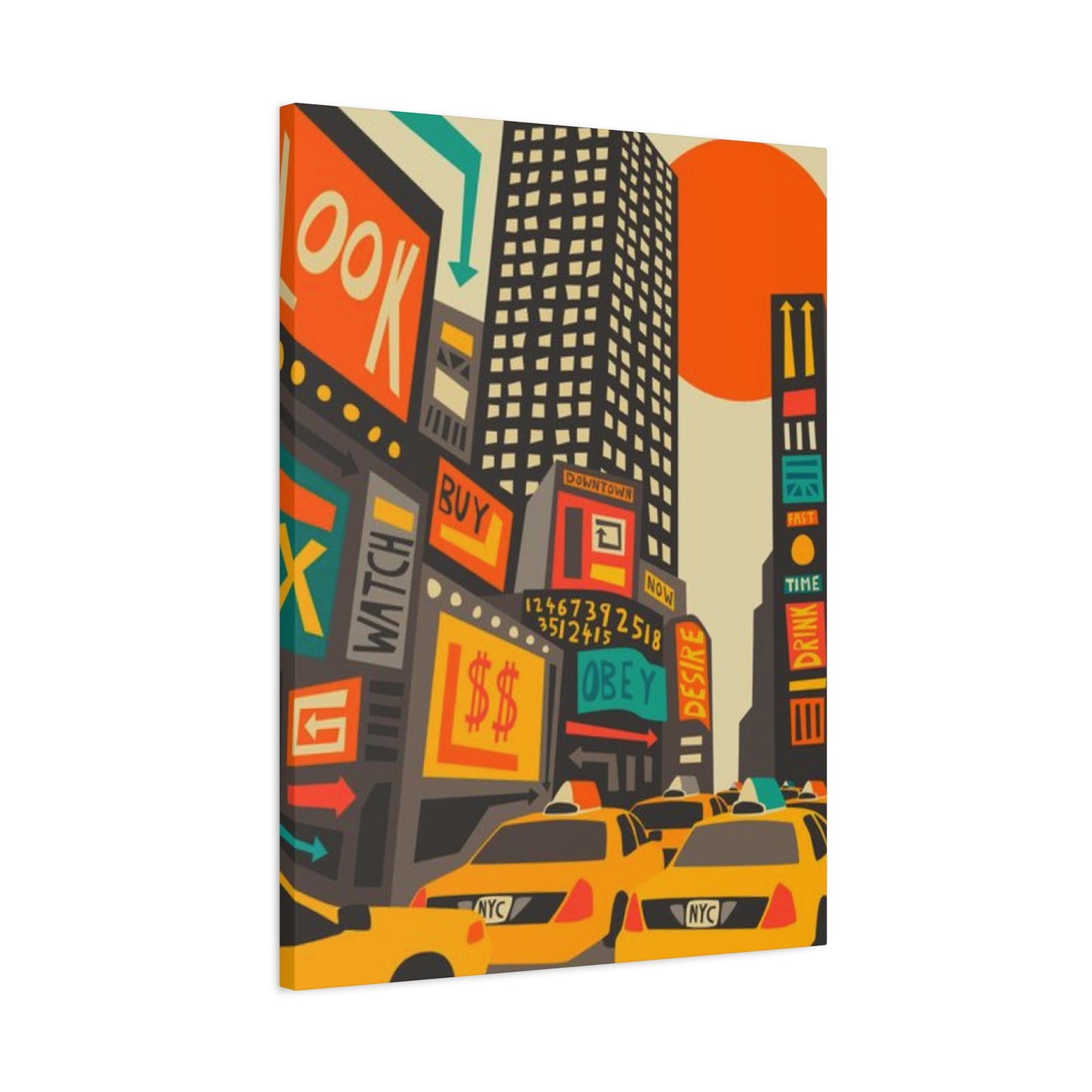
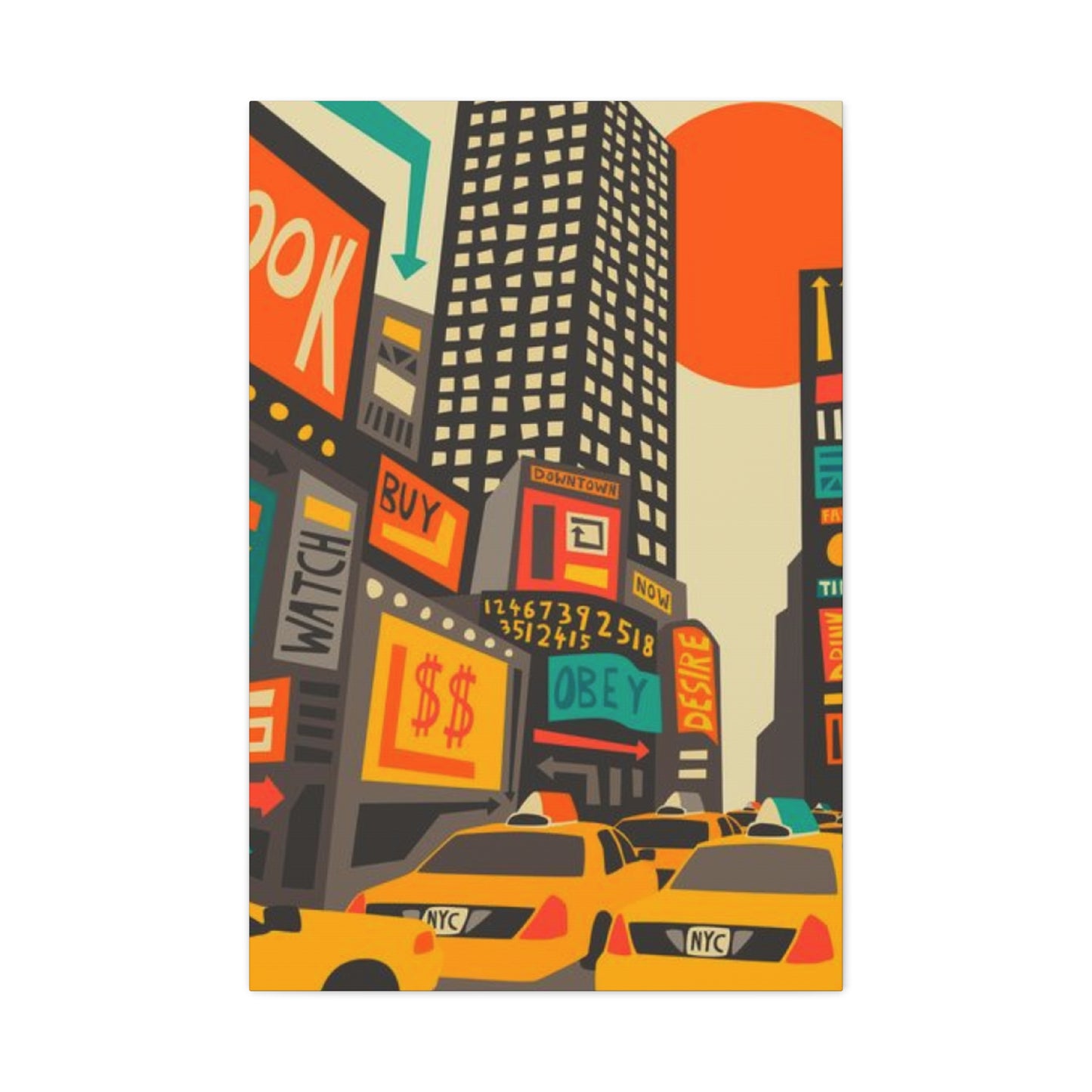
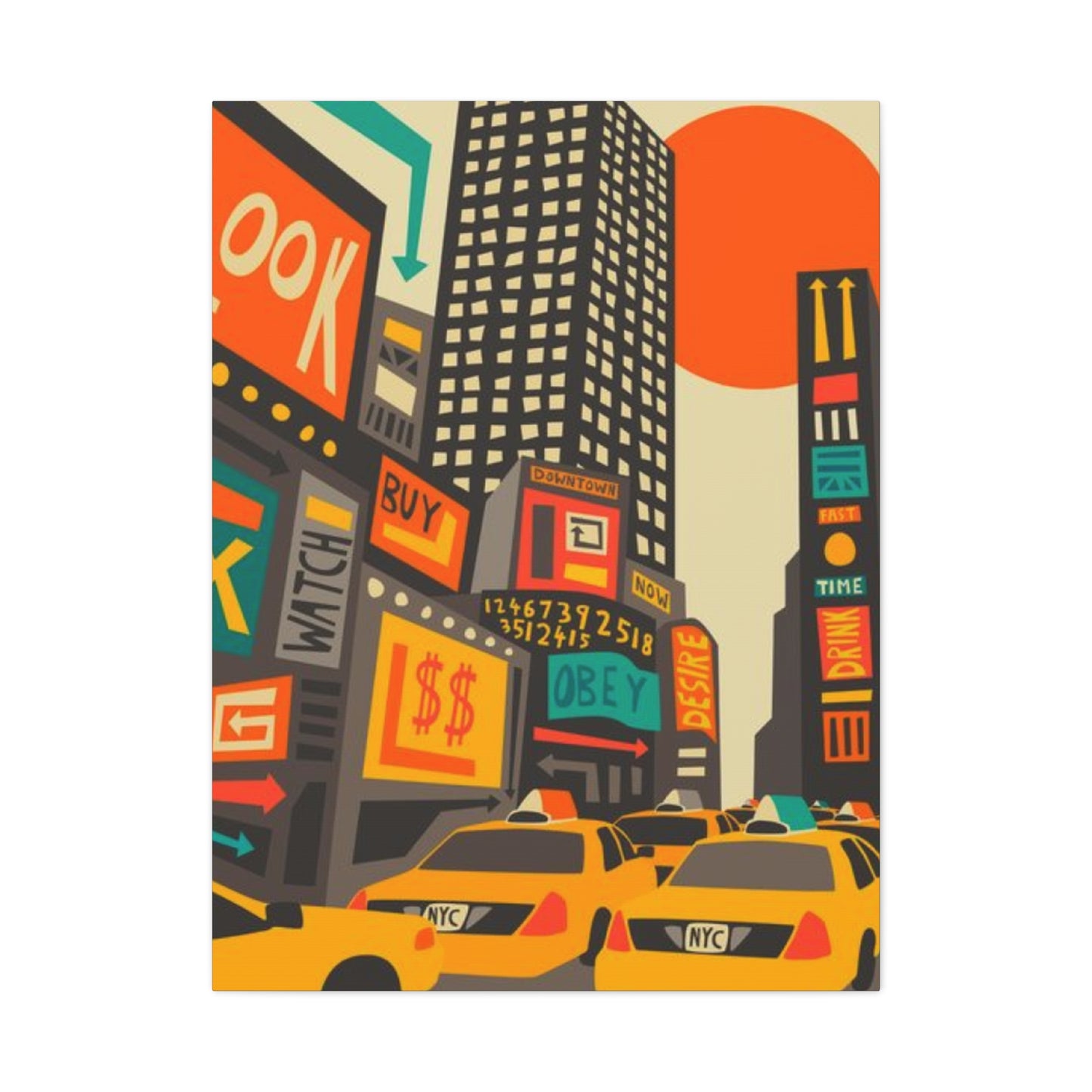
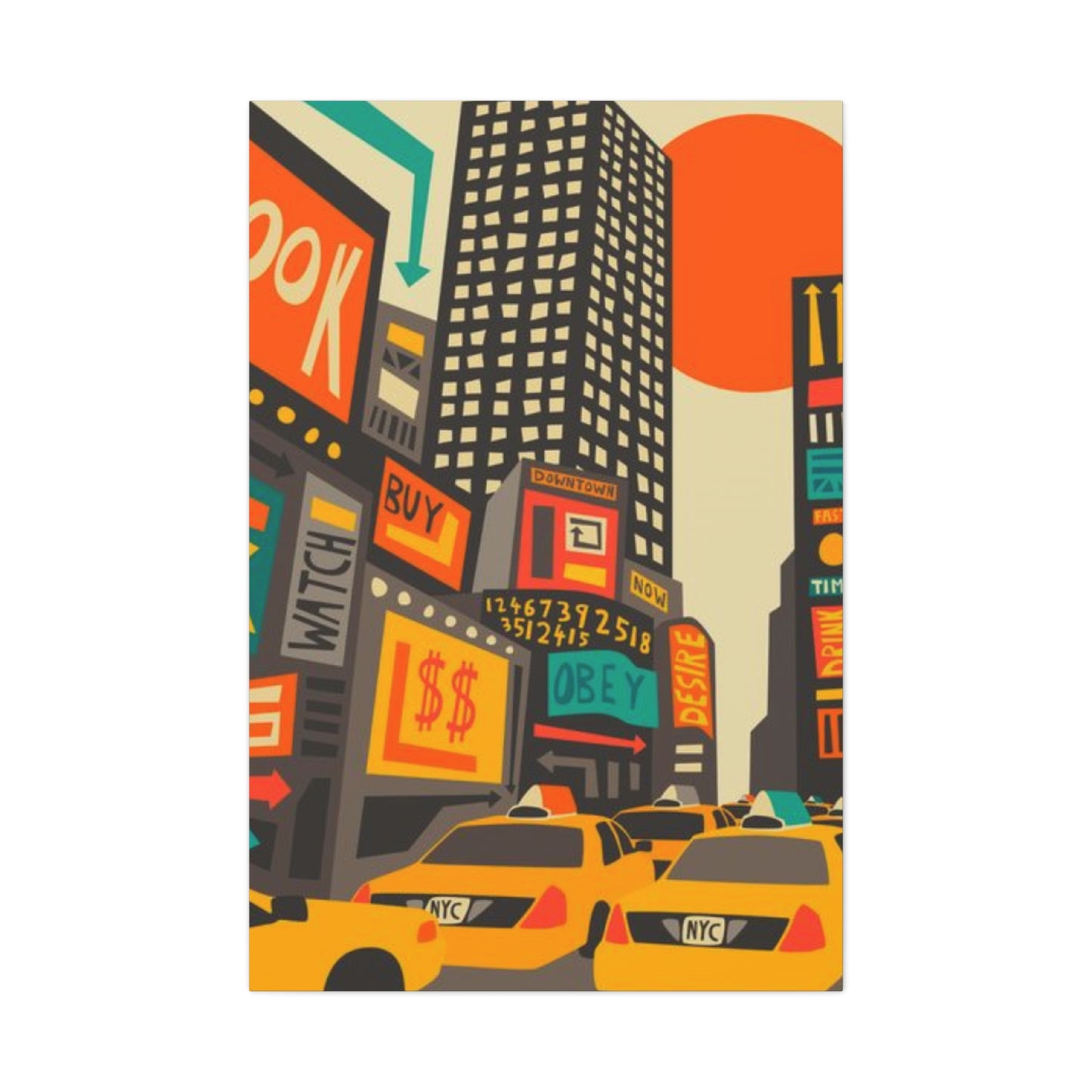
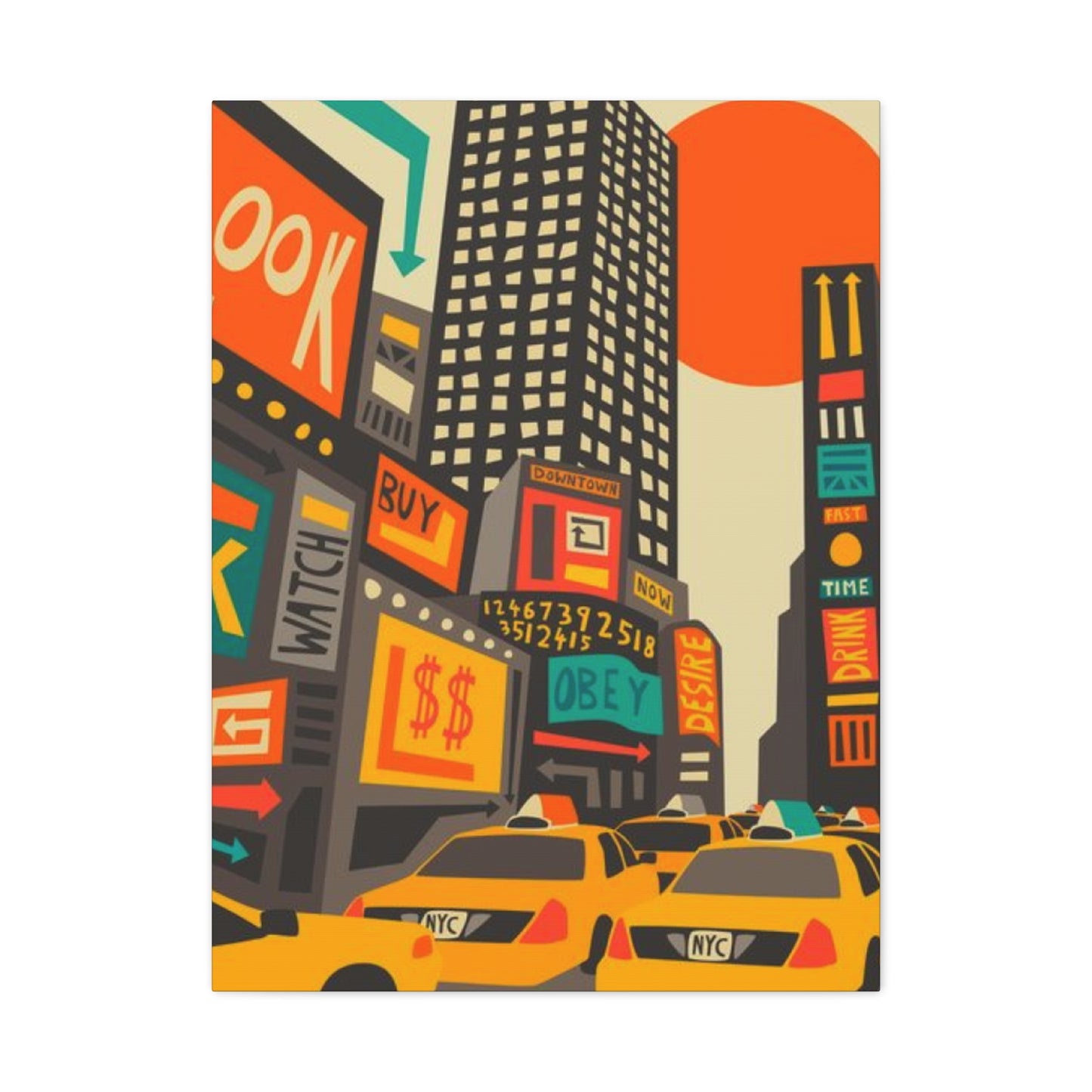
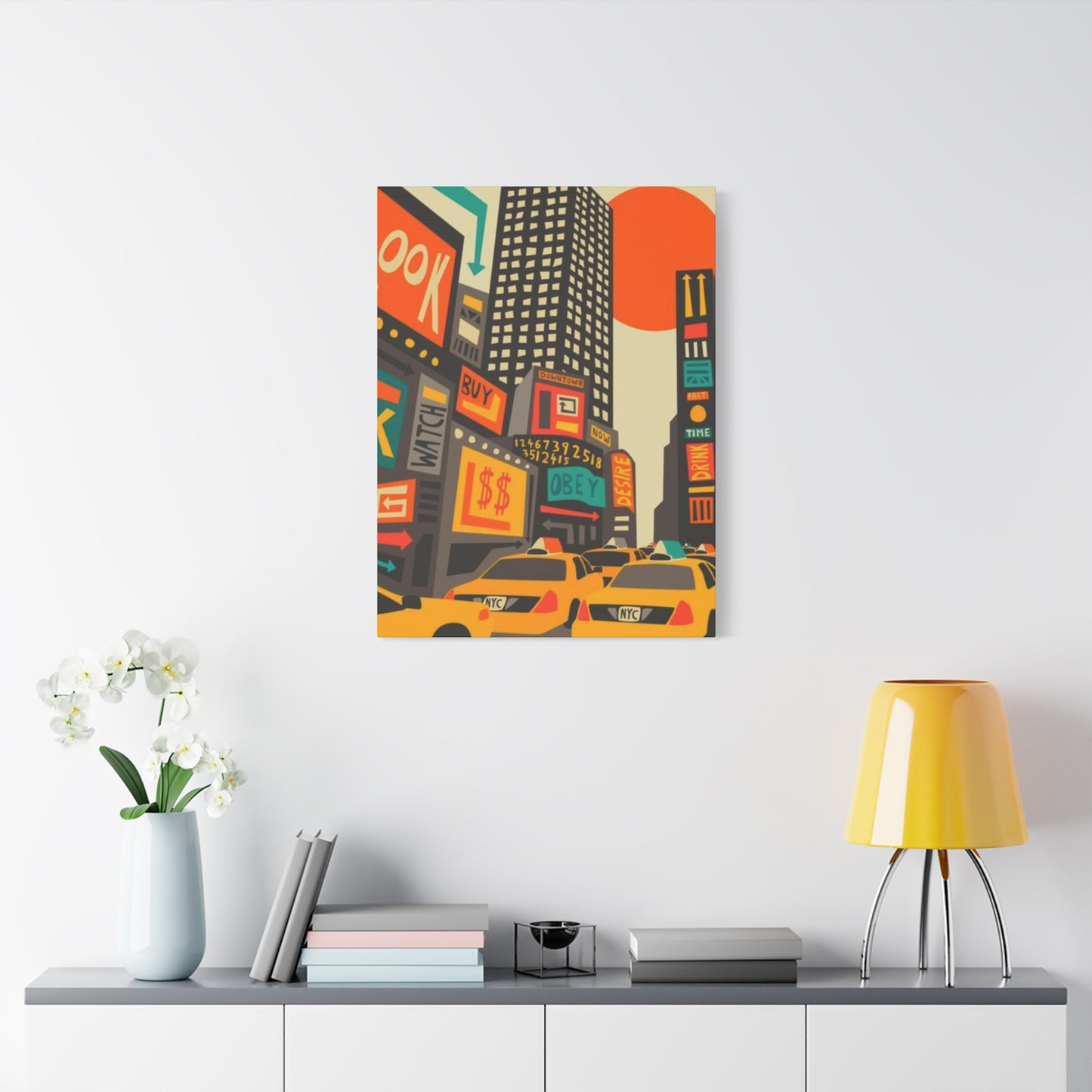
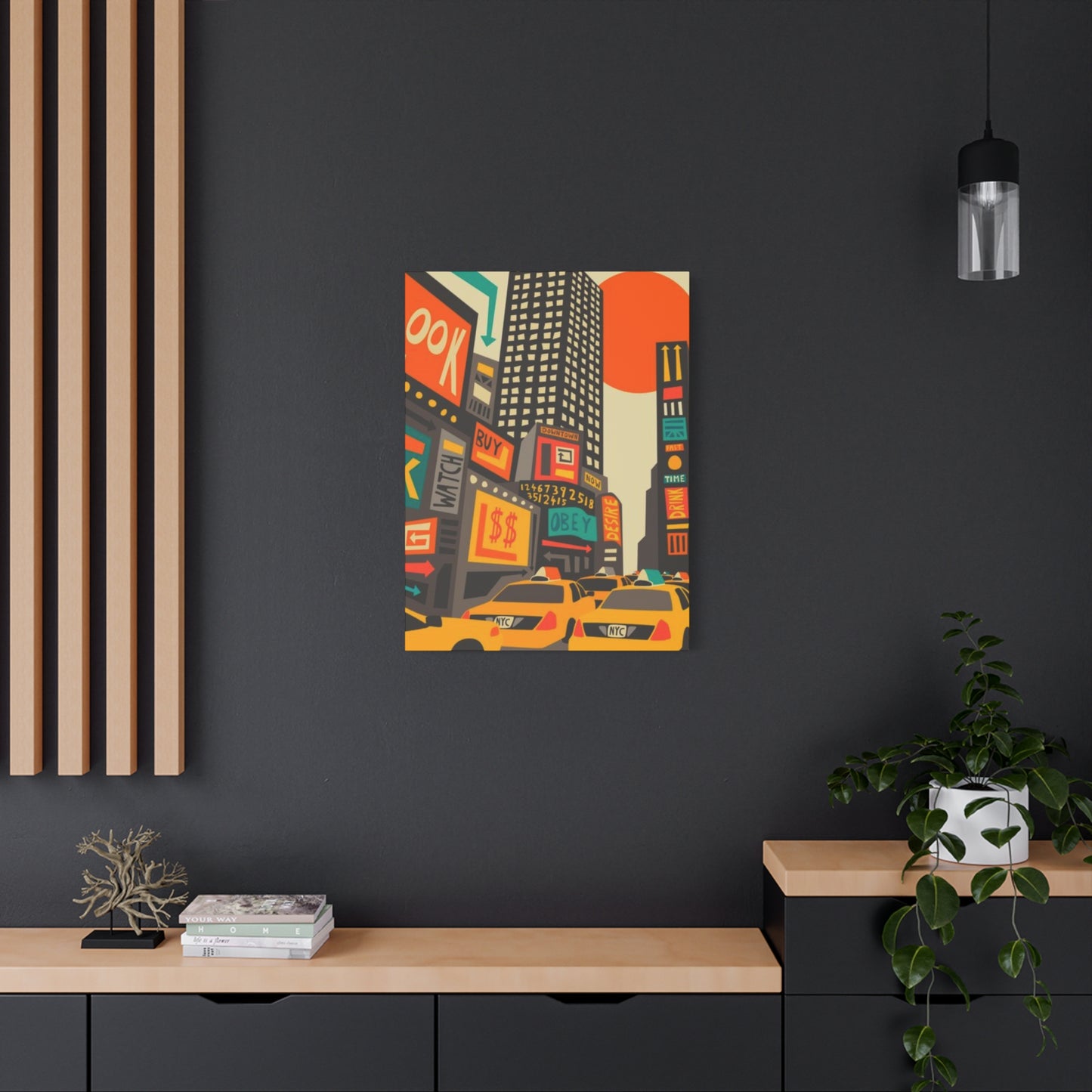
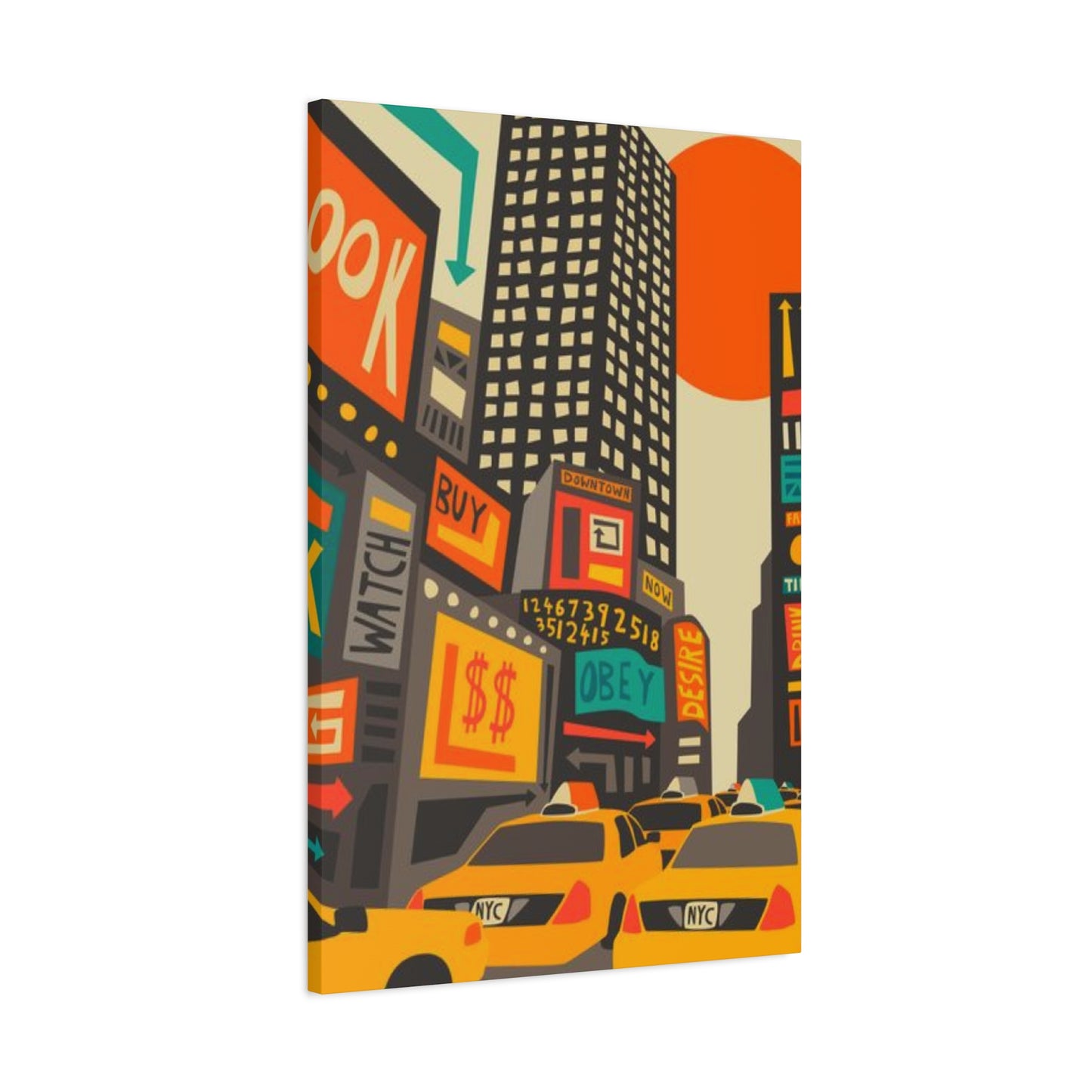
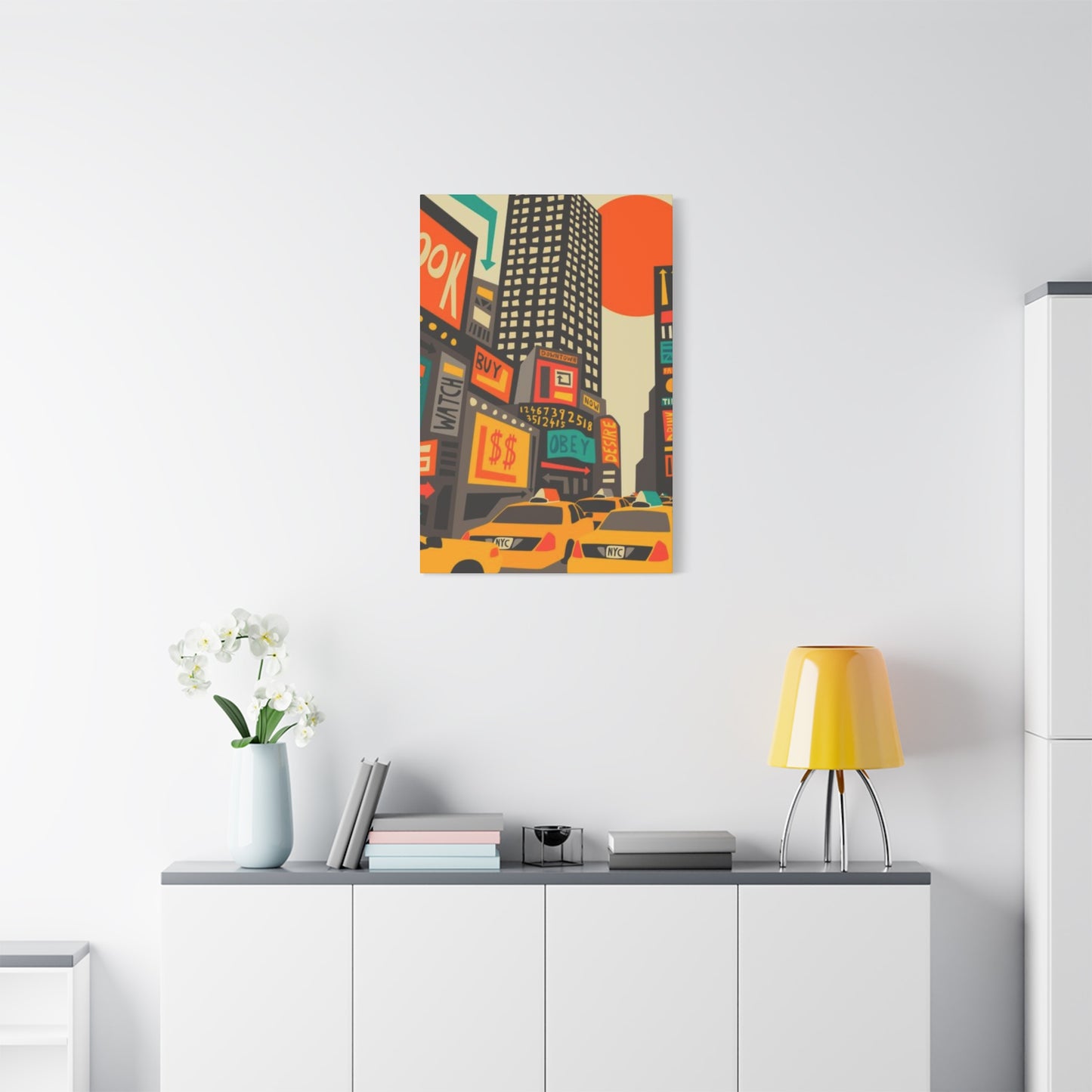
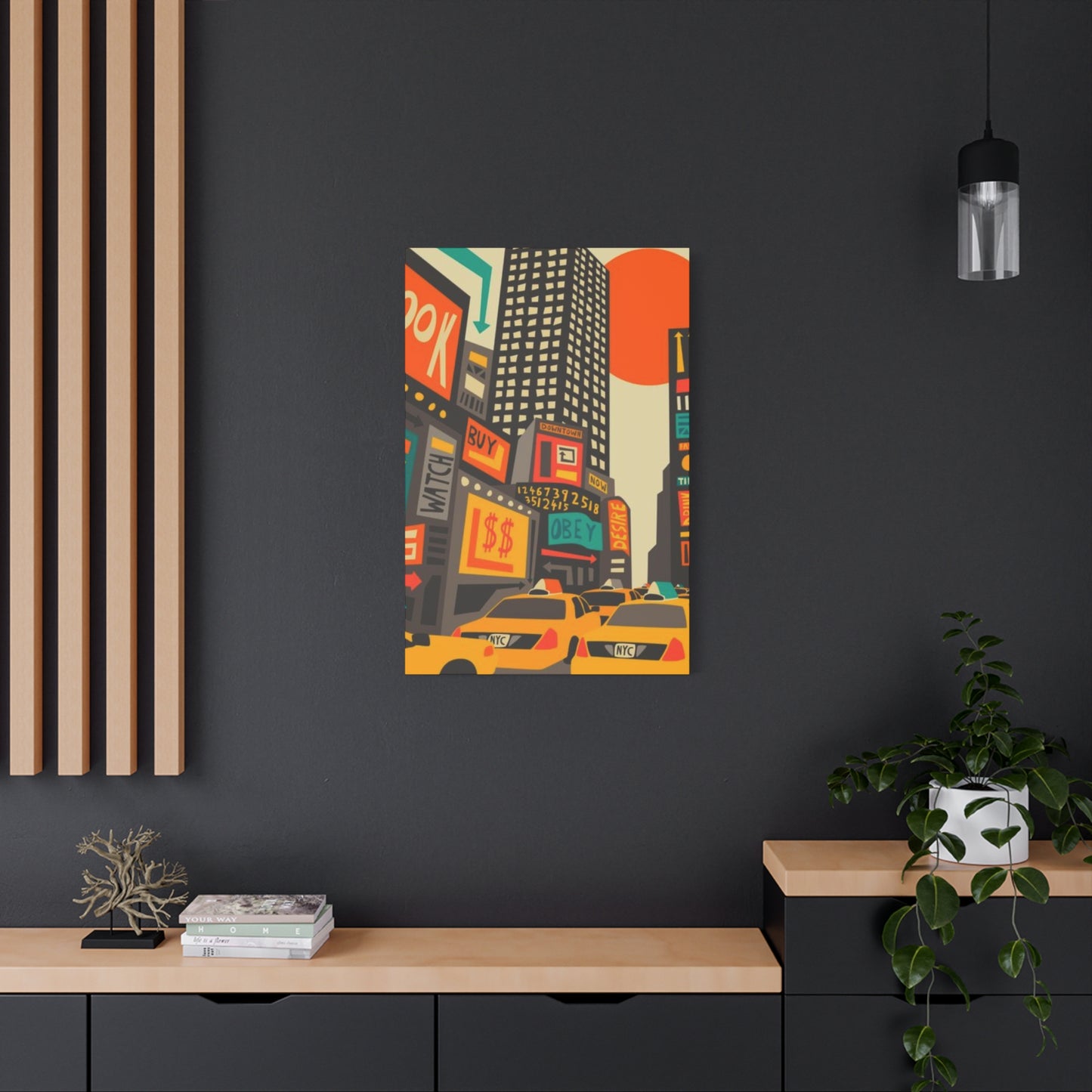
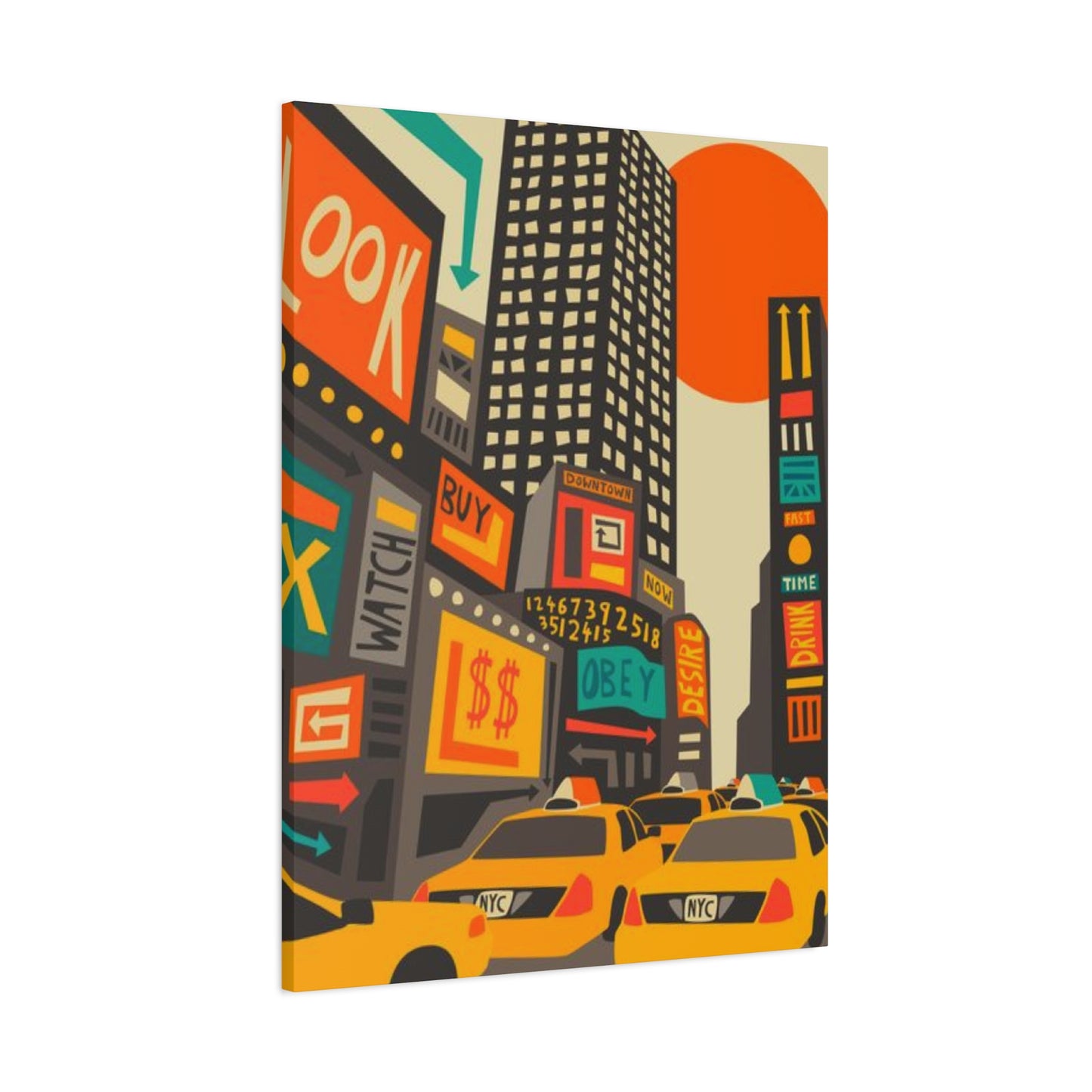
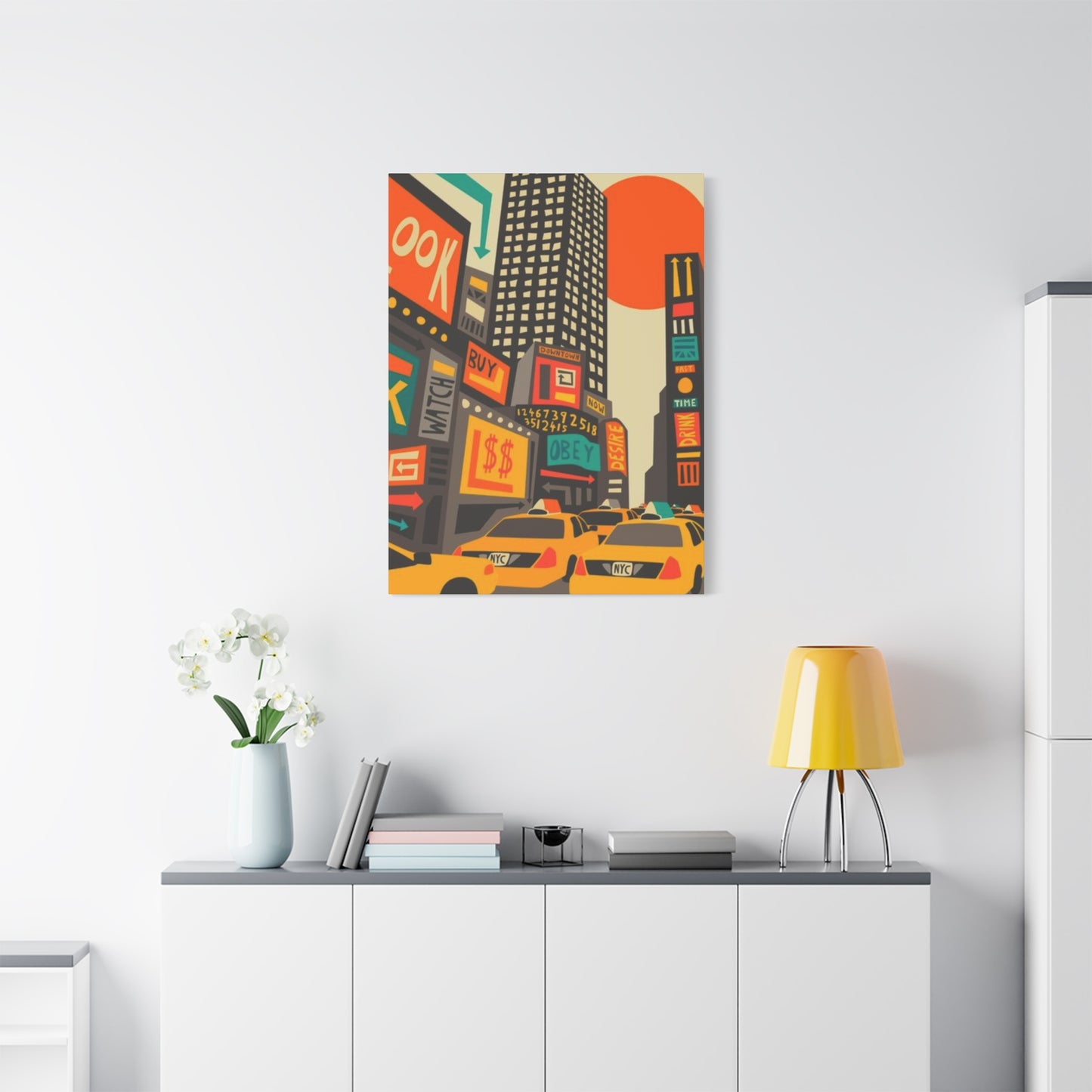
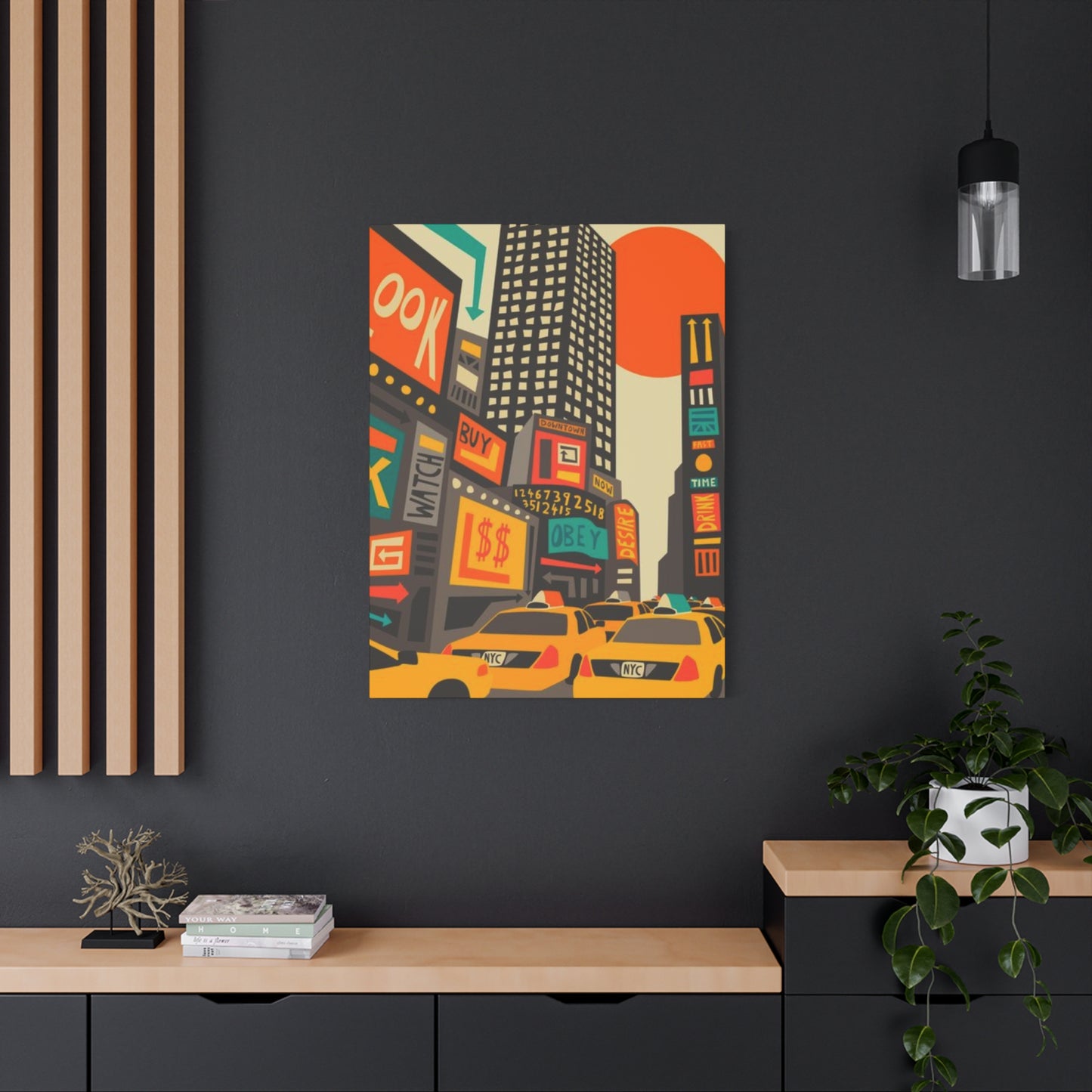
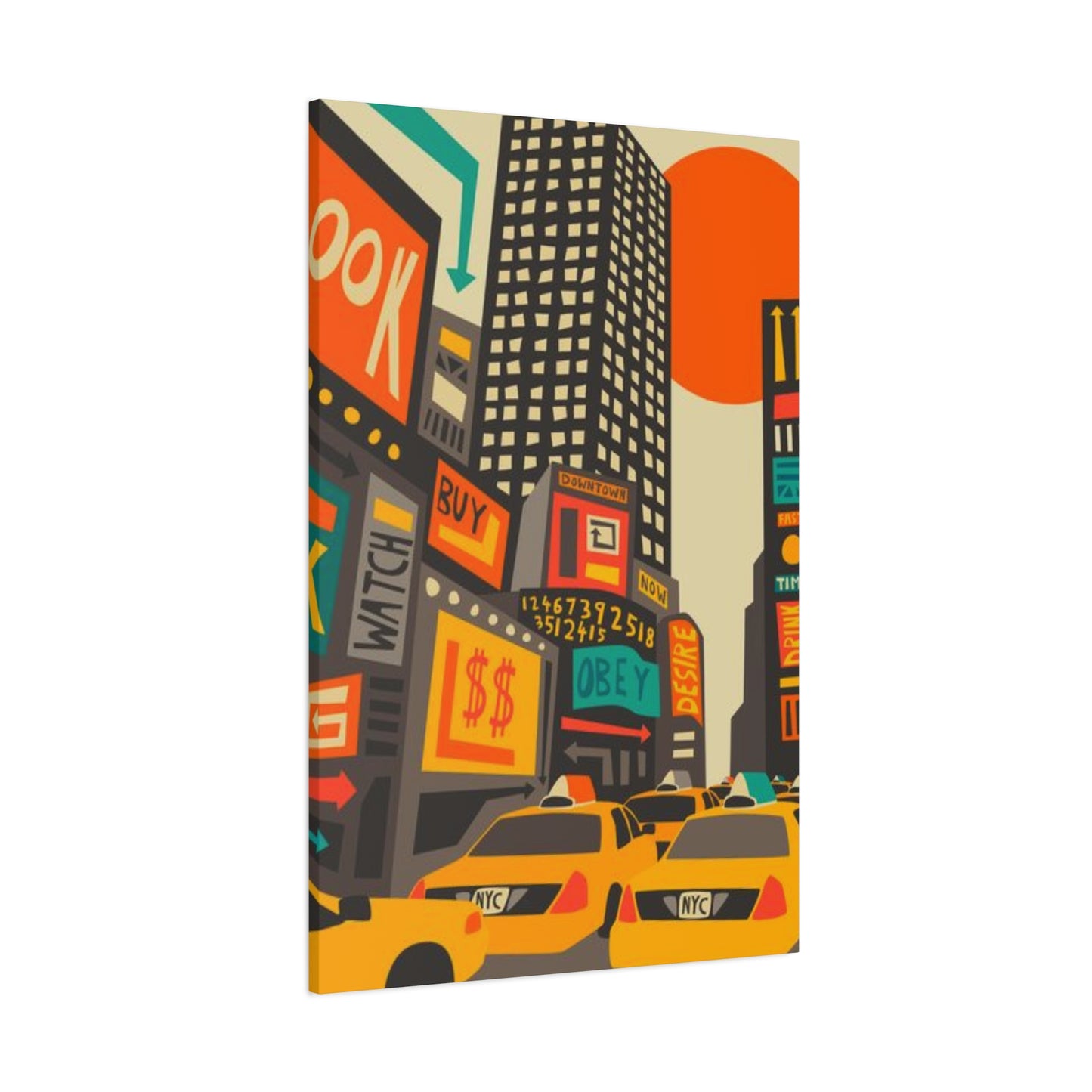
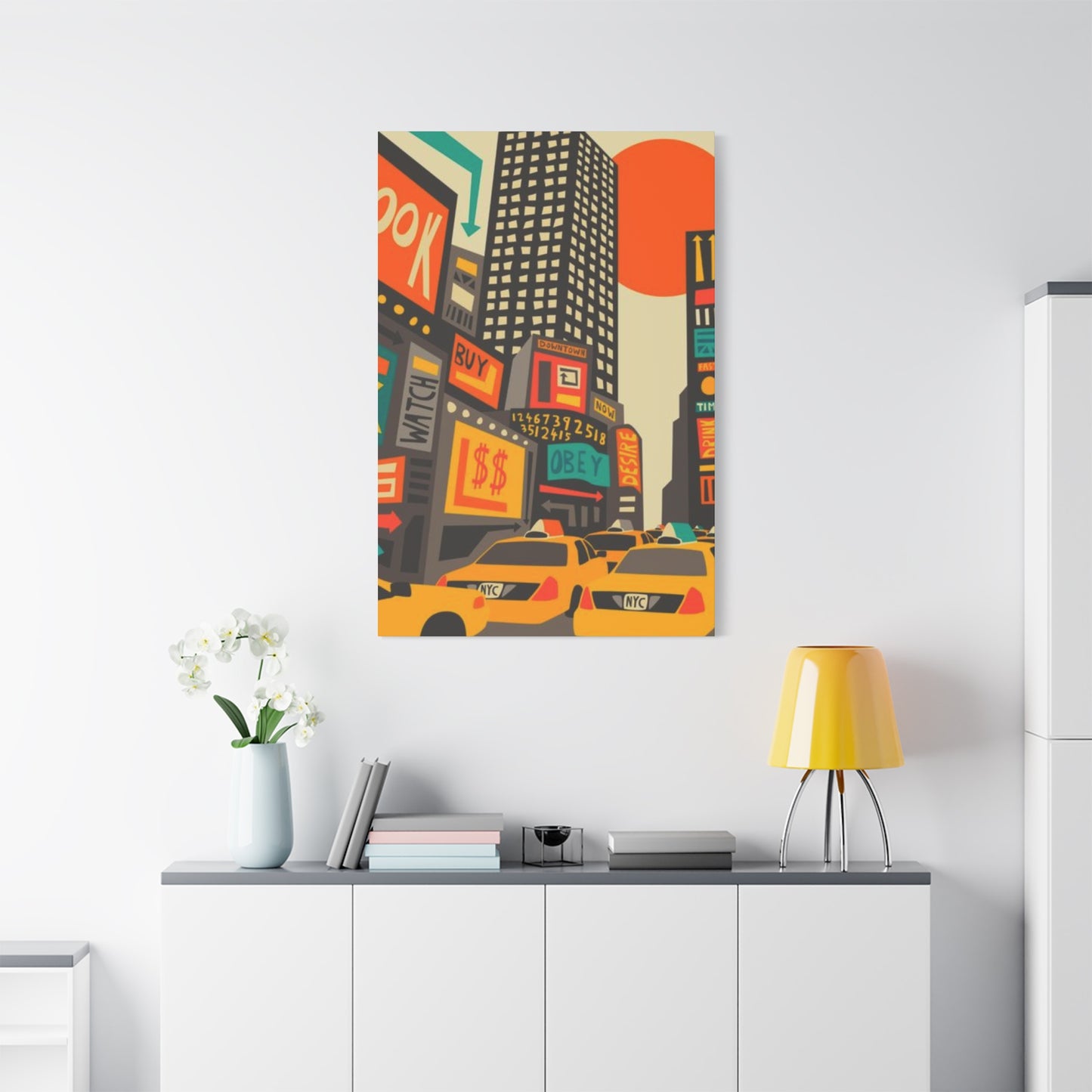
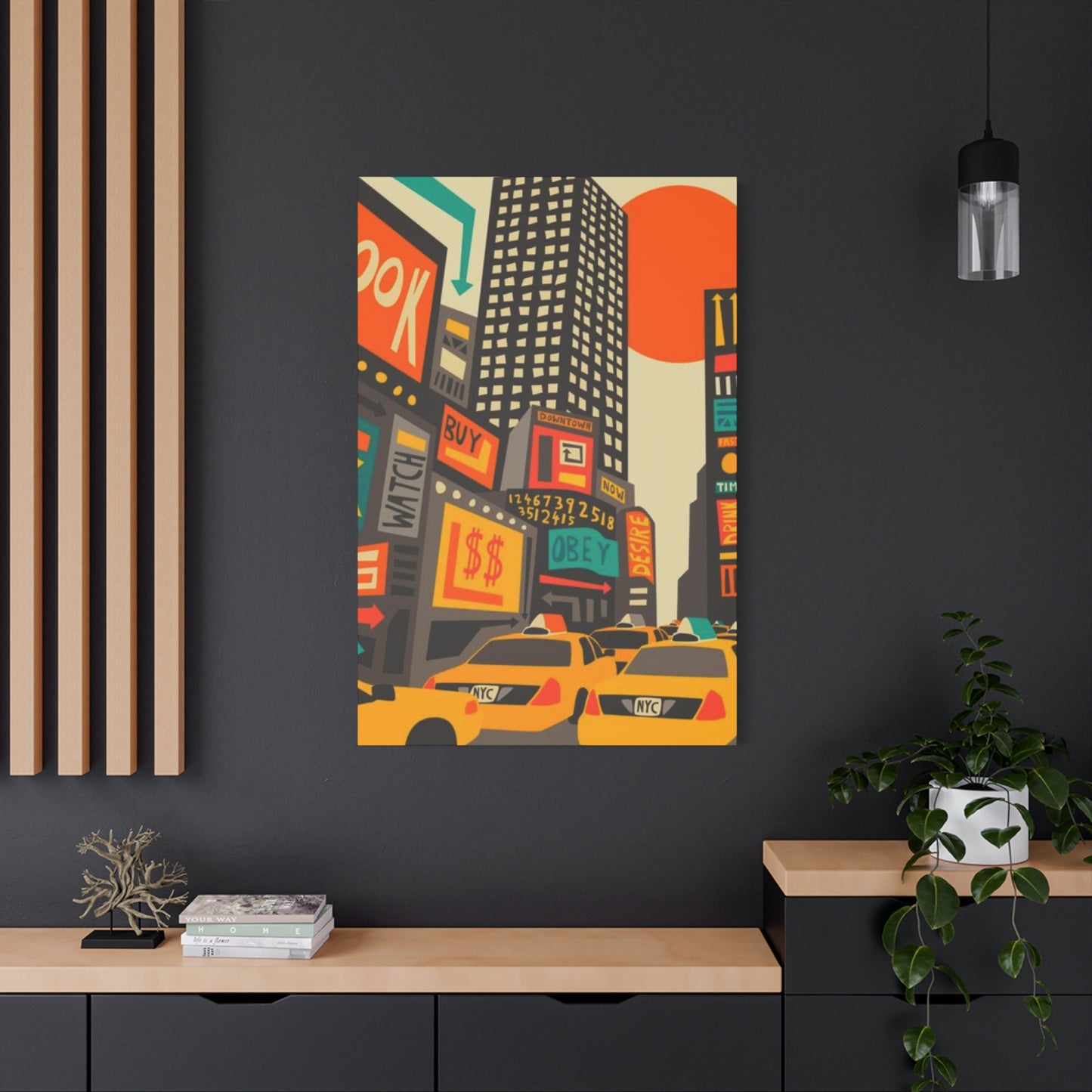
The Iconic Yellow Painting Taxi: How It Became a Symbol of New York City Wall Art
The vibrant energy of Manhattan's bustling avenues has captivated artists and photographers for generations, with one symbol standing out above all others - the iconic yellow taxicab. These vehicles have become more than mere transportation; they represent the heartbeat of urban life, the constant motion of a city that never sleeps, and the dreams of millions who navigate its concrete canyons. When transformed into wall art, these distinctive automobiles carry that same electric atmosphere into homes, offices, and creative spaces around the world.
Yellow cab artwork encompasses a diverse range of styles, mediums, and interpretations that celebrate this quintessential metropolitan icon. From hyper-realistic photography capturing rain-soaked streets reflecting neon lights to abstract paintings reducing the taxi to bold geometric shapes and vivid color blocks, these pieces serve as windows into the urban experience. The appeal extends far beyond nostalgia or tourism memorabilia; these artworks speak to universal themes of movement, ambition, diversity, and the perpetual forward momentum that defines modern city living.
The cultural significance of yellow cab imagery in contemporary art cannot be overstated. These vehicles have appeared in countless films, television shows, photographs, and paintings, becoming visual shorthand for urban sophistication and metropolitan culture. When displayed in residential or commercial spaces, yellow taxi wall art creates an immediate sense of place and atmosphere, transforming ordinary rooms into sophisticated urban environments that celebrate both history and modernity.
The Historical Significance of Yellow Cabs in American Culture
The story of yellow taxicabs begins in the early twentieth century when automobile entrepreneur John Hertz decided to paint his fleet a distinctive color after a University of Chicago study suggested yellow was the most visible shade from a distance. This practical decision would inadvertently create one of the most recognizable symbols in American urban culture. By 1915, his Yellow Cab Company had established the standard that would spread across major cities, though none would embrace the yellow taxi quite like Manhattan.
Throughout the decades, these vehicles witnessed and participated in the transformation of American cities. They carried soldiers returning from wars, transported immigrants to new neighborhoods, and ferried business executives between meetings that shaped industries. The yellow cab became a democratic space where all social classes intersected, creating a unique microcosm of urban society. This rich history infuses yellow cab artwork with layers of meaning that resonate with viewers on multiple levels.
The golden age of American cinema cemented the yellow taxi's place in popular imagination. Classic films depicted dramatic scenes unfolding in cab interiors, romantic encounters beginning with chance rides, and chase sequences weaving through traffic. Directors understood that showing a yellow cab immediately communicated location and urban authenticity. This cinematic heritage means that yellow taxi paintings and photographs carry with them decades of storytelling tradition, making them inherently narrative pieces that invite viewers to imagine the countless stories these vehicles could tell.
The preservation of this imagery through art serves an important cultural function. As ride-sharing services and changing transportation patterns alter the urban landscape, yellow cab artwork becomes a document of a specific era in metropolitan history. These pieces capture not just vehicles but entire streetscapes, architectural details, fashion moments, and atmospheric conditions that together create a comprehensive portrait of urban life in particular decades.
Visual Elements That Define Yellow Taxi Wall Art
The composition of effective yellow taxi artwork relies on several key visual elements that work together to create impact and emotional resonance. The distinctive chrome yellow or sunshine yellow color provides an immediate focal point that draws the eye and creates energy within a composition. This vibrant hue contrasts beautifully with the grays and blacks of asphalt streets, the muted tones of concrete buildings, and the varied colors of urban crowds, creating dynamic tension that keeps artwork visually engaging.
Lighting plays a crucial role in establishing mood and atmosphere in yellow cab pieces. Daytime scenes capture the brilliant reflections off polished chrome and glass, emphasizing the vehicle's sculptural qualities and mechanical precision. Golden hour photography bathes taxis in warm amber light that enhances their yellow paint while creating long shadows that add drama and depth. Nighttime compositions offer perhaps the most striking possibilities, with taxi bodies becoming canvases for reflected neon signs, streetlights, and the illuminated windows of surrounding buildings.
The surrounding environment contributes essential context and meaning to yellow taxi artwork. Steam rising from subway grates, pedestrians crossing streets with characteristic urban urgency, towering skyscrapers creating canyon-like corridors, and the wet reflections of rainy streets all enhance the narrative possibilities of the central subject. Artists carefully select which environmental details to include, emphasize, or minimize to guide viewer attention and establish the emotional tone of the piece.
Perspective and viewpoint dramatically affect how viewers engage with yellow cab artwork. Street-level compositions place viewers in the midst of urban action, creating immediacy and energy. Elevated perspectives looking down on taxis navigating grid patterns emphasize the organized chaos of city traffic and the geometric beauty of urban planning. Close-up detail shots focusing on specific elements like checker patterns, taxi medallions, or rain-speckled windows create intimate moments that invite contemplation of textures and surfaces.
The human element, whether present or implied, adds narrative depth to yellow taxi artwork. Pieces showing passengers entering or exiting vehicles suggest stories in progress, journeys beginning or ending, and the constant human drama of city life. Even when figures are absent, the empty taxi becomes a stage waiting for its next scene, allowing viewers to project their own experiences and memories onto the composition.
Artistic Styles and Techniques in Yellow Cab Paintings
Contemporary artists employ diverse painting techniques to interpret the yellow taxi subject, each approach revealing different aspects of this iconic symbol. Photorealistic painting captures every detail with meticulous precision - the texture of worn vinyl seats, the pattern of water droplets on windshields, the reflection of city lights in polished paint. These works celebrate technical skill while creating almost meditative viewing experiences as audiences discover increasingly subtle details with prolonged observation.
Impressionistic interpretations break down the taxi into looser brushstrokes and color studies, emphasizing the feeling and atmosphere of urban moments rather than precise documentation. These paintings might blur the edges between taxi and environment, suggesting the fluid nature of city life where boundaries constantly shift and merge. The technique particularly suits rainy day scenes where reflections and refractions naturally create impressionistic effects in the real world.
Abstract approaches distill the yellow taxi to its essential elements - color, shape, and energy. Geometric abstraction might reduce the vehicle to rectangular forms and diagonal lines suggesting movement. Expressionistic treatments apply bold, energetic brushwork that conveys the kinetic intensity of urban traffic. Color field variations explore how different shades and tones of yellow interact with complementary and contrasting hues to create emotional responses in viewers.
Pop art traditions treat the yellow taxi as cultural iconography worthy of the same attention as consumer products or celebrity portraits. These works often employ bright, flat colors, bold outlines, and repetitive patterns that celebrate and critique the commercialized urban landscape. The style acknowledges the taxi as both functional object and cultural symbol, existing simultaneously in practical and mythological realms.
Mixed media approaches combine painting with collage, incorporating actual street maps, vintage taxi receipts, newspaper clippings about city life, or textured materials that add physical dimension. These layered compositions create rich visual experiences that reward close examination while commenting on the complex, multifaceted nature of urban existence. The combination of materials can also evoke the passage of time, showing how cities and their symbols accumulate history through continuous accretion.
Photography as Medium for Yellow Taxi Wall Art
Photography offers unique advantages for capturing and presenting yellow taxi imagery, with different photographic approaches revealing varied aspects of the subject. Street photography tradition treats taxis as integral elements of urban theater, capturing spontaneous moments of city life with authenticity and immediacy. These photographs often feature decisive moments where light, composition, and human activity align perfectly to create images that feel both candid and carefully constructed.
Fine art photography elevates the yellow taxi to sculptural object worthy of formal study. These carefully composed images might isolate vehicles against minimalist backgrounds, emphasize their curves and lines through dramatic lighting, or present them in unexpected contexts that challenge viewer expectations. The approach transforms the familiar into the remarkable, asking audiences to reconsider an object they normally encounter without conscious thought.
Long exposure photography creates ethereal effects where stationary taxis remain sharp while surrounding traffic blurs into ribbons of light, suggesting the constant flow of urban energy around these patient vehicles waiting for fares. Multiple exposure techniques can overlay several moments, creating composite images that compress time and suggest the repetitive patterns of taxi movements through city streets.
Black and white photography strips away color to focus on form, texture, contrast, and composition. Without the immediate impact of yellow paint, these images challenge photographers to find other visual elements that make taxis recognizable and compelling. The approach often creates more dramatic, film noir atmospheres that emphasize shadow, reflection, and the geometric relationships between vehicles and architecture.
Infrared photography presents surreal interpretations where conventional color relationships invert, creating otherworldly urban landscapes. Ultraviolet photography reveals details invisible to normal vision. These experimental techniques transform the familiar yellow taxi into something strange and new, defamiliarizing the everyday to help viewers see their environment with fresh perspective.
Color Theory and Yellow Taxi Art
The distinctive yellow of taxicabs provides fascinating opportunities for exploring color theory principles in visual art. On the color wheel, yellow occupies a unique position as a primary color that naturally attracts attention and conveys optimism, energy, and movement. In yellow taxi artwork, this inherent vibrancy creates immediate visual impact that draws viewers across rooms and establishes focal points within compositions.
Complementary color relationships between yellow and violet or purple create maximum visual contrast and dynamic tension. Artists frequently exploit this relationship by placing yellow taxis against purple-tinted dusk skies, violet shadows, or buildings with purple-gray tones. This pairing creates vibration effects at color boundaries that increase energy and movement within static images, perfectly suiting the subject of vehicles in perpetual motion.
Analogous color schemes position yellow taxis within environments of oranges, greens, and warm neutrals, creating harmonious compositions that feel cohesive and balanced. These pieces often evoke specific times of day - golden hour sunlight that bathes everything in amber warmth, or spring mornings when yellow taxis harmonize with fresh green foliage and golden sunlight. The analogous approach creates unity and calm even when depicting busy urban scenes.
Split complementary schemes combine yellow with blue-violet and red-violet, offering the visual interest of complementary colors with slightly more nuanced relationships. Many nighttime taxi scenes naturally employ these relationships, with yellow cabs illuminated against blue evening light and reddish neon reflections. The combination suggests the synthetic, electric quality of urban nightlife.
Monochromatic explorations focus entirely on yellow, using different shades, tints, and tones to create depth and interest. These pieces challenge artists to achieve visual complexity through value relationships rather than color variety. The approach emphasizes form, light, and composition while celebrating the iconic yellow that makes these vehicles instantly recognizable.
Temperature contrasts between warm yellow taxis and cool gray urban environments create psychological effects that enhance storytelling. The warm vehicle becomes a symbol of human warmth, vitality, and movement within potentially cold, impersonal city spaces. This temperature contrast subtly communicates emotional content that reinforces thematic intentions.
Composition Techniques in Yellow Taxi Artwork
Strong compositional structure separates memorable yellow taxi artwork from merely competent attempts. The rule of thirds provides a reliable framework, positioning the taxi at intersecting power points rather than dead center, creating dynamic balance and visual interest. This classic approach allows surrounding environment to contextualize the vehicle while maintaining clear focal emphasis.
Leading lines within urban environments guide viewer attention toward yellow taxi subjects. Converging perspective lines of streets, the vertical lines of building edges, the diagonal lines of crosswalk stripes, and the curves of other vehicles all create pathways that direct eyes through compositions. Skillful artists use these inherent urban geometries to create visual flow that leads viewers on specific journeys through the image.
Framing techniques employ architectural elements, other vehicles, pedestrians, or foreground objects to create frames within frames that isolate and emphasize yellow taxis. A taxi viewed through an arch, between buildings, or reflected in a window gains additional layers of visual interest and compositional complexity. These frames can also add narrative context, suggesting viewpoint and relationship between observer and subject.
Negative space around taxis contributes as much to composition as the vehicles themselves. Empty street space suggests openness, possibility, or isolation depending on context. Crowded compositions with minimal negative space convey urban density, pressure, and energy. The balance between filled and empty areas controls pacing and emotional tone.
Symmetry and asymmetry each offer distinct advantages. Symmetrical compositions with taxis centered on empty streets create formal, contemplative atmospheres suited to minimalist approaches. Asymmetrical arrangements with vehicles positioned off-center amid chaotic urban activity generate energy and movement more appropriate to dynamic scenes.
Depth creation through layering places yellow taxis within complex spatial environments. Foreground elements establish immediate space, the taxi occupies middle ground as primary subject, and background architecture or atmospheric effects suggest distance. This layering creates three-dimensional illusion on two-dimensional surfaces, increasing realism and spatial complexity.
Pattern and repetition transform single yellow taxis into visual rhythms. Multiple vehicles arranged in grids, rows, or scattered patterns create compelling designs that emphasize the ubiquity of these urban fixtures. Repetition also allows for theme and variation approaches where similar elements display subtle differences that reward careful viewing.
The Role of Weather and Atmosphere in Taxi Art
Weather conditions dramatically affect the mood and visual qualities of yellow taxi artwork, with rain perhaps offering the richest possibilities. Wet streets transform into mirror surfaces that double the visual information in a composition, creating inverted reflections of taxis, buildings, and lights. Rain droplets on taxi surfaces catch and refract light in countless tiny points, adding texture and sparkle. The general softening of atmospheric perspective in rain creates dreamy, romantic qualities perfectly suited to urban nostalgia.
Snow scenes present yellow taxis as bright points of color and warmth against white landscapes, emphasizing their cheerful presence in potentially harsh conditions. Fresh snow softens urban hard edges and muffles sound, creating peaceful atmospheres quite different from typical city chaos. The contrast between yellow and white provides maximum visibility and impact, making these compositions particularly striking.
Fog and mist create atmospheric mystery, partially obscuring taxis and their environments. Vehicles emerge from or disappear into gray veils, suggesting journeys into unknown destinations. The limited visibility focuses attention on foreground elements while creating depth through progressive atmospheric fading. These conditions suit noir-influenced pieces that emphasize mystery and urban alienation.
Harsh sunlight creates strong shadows with sharp edges that add dramatic contrast and geometric interest to compositions. Direct overhead light eliminates many shadows, creating different effects than low-angle morning or evening sun. The quality of light affects color saturation, with bright conditions intensifying yellow paint while extreme contrast situations create exposure challenges that artists must navigate or exploit.
Stormy skies provide dramatic backdrops that emphasize the small scale of even these substantial vehicles within vast urban environments. Dark clouds create ominous atmospheres that contrast with the optimistic yellow of taxis, suggesting resilience or defiance. Lightning, when captured or depicted, adds electric drama that reinforces themes of energy and movement.
Golden hour light bathes everything in warm amber tones that enhance yellow paint while creating long shadows and dimensional modeling. This flattering light creates romantic, nostalgic atmospheres particularly suited to idealized urban visions. The specific quality of evening versus morning golden hour offers subtly different emotional tones.
Urban Architecture as Context for Yellow Taxi Art
The architectural environment surrounding yellow taxis provides essential context that grounds these vehicles in specific places and times. Art Deco buildings with their geometric patterns, streamlined curves, and decorative details create period-specific settings that evoke specific decades of urban history. These structures share design language with the sculptural qualities of mid-century taxis, creating visual harmony between vehicle and environment.
Glass and steel skyscrapers of modernist and contemporary design create striking contrasts with yellow taxi subjects. The reflective surfaces multiply visual information, showing taxis mirrored in building facades alongside clouds and surrounding structures. These vertical elements emphasize the canyon-like qualities of urban streets while their clean lines and technological sophistication create dialogue with mechanical taxi forms.
Brownstone residential architecture provides human-scaled environments that contrast with commercial district verticality. Yellow taxis parked along tree-lined streets bordered by these traditional structures suggest neighborhood life and domestic urban experience rather than purely commercial activity. The warm tones of brownstone materials harmonize with yellow paint while adding textural richness.
Industrial architecture including warehouses, converted factories, and infrastructure elements introduces rougher textures and utilitarian aesthetics. Yellow taxis in these environments might suggest transition zones between different urban districts or comment on gentrification processes transforming cities. The contrast between refined taxi finish and weathered industrial surfaces creates visual interest through textural variety.
Historic landmarks and monuments anchor taxi artwork to specific locations while adding layers of cultural and historical meaning. A yellow taxi passing beneath a famous arch or beside a recognized building immediately communicates place and invites associations with that location's identity and significance. These architectural elements transform generic urban scenes into portraits of particular cities with distinct characters.
Street-level architectural details including storefronts, awnings, fire escapes, street lamps, and signage contribute essential texture and specificity to taxi artwork. These elements populate compositions with visual variety while suggesting the commercial and social activities that animate urban spaces. Their inclusion creates richer, more complex environments that reward extended viewing.
Lighting Techniques in Yellow Taxi Visual Art
Mastery of lighting separates exceptional yellow taxi artwork from ordinary efforts, with different lighting approaches creating distinct emotional and aesthetic effects. Front lighting illuminates taxi subjects evenly, revealing maximum detail and color saturation while minimizing dramatic shadow effects. This straightforward approach suits documentary or commercial purposes where clarity and information take precedence over atmospheric mood.
Side lighting creates dimensional modeling by illuminating one side of vehicles while leaving the other in shadow. This reveals form and three-dimensional structure while adding drama through contrast. The technique particularly suits three-quarter view compositions that show both front and side surfaces of taxis, allowing light to sculpt their forms.
Backlighting positions light sources behind taxi subjects, creating silhouettes or rim lighting effects. When taxis are fully silhouetted, they become graphic shapes defined by outline rather than surface detail. Partial backlighting creates glowing edges that separate vehicles from backgrounds while maintaining some internal detail. These approaches create dramatic, high-contrast images with strong graphic impact.
Natural window light from building interiors can illuminate taxis parked alongside structures, creating soft, directional lighting with subtle gradations. This approach often appears in more intimate, contemplative taxi portraits that emphasize quiet moments rather than urban energy. The quality suggests domestic or personal space rather than public commercial environment.
Artificial urban lighting including streetlights, neon signs, vehicle headlights, and building illumination creates complex lighting situations with multiple sources of varying colors and intensities. Artists must balance these competing elements while maintaining clear focal emphasis on yellow taxi subjects. The variety of artificial sources allows for rich color mixing and creative lighting effects impossible with single sources.
Reflected light bouncing off wet streets, building surfaces, or other vehicles adds secondary illumination that fills shadows and creates complex interplay of direct and indirect lighting. This reflected light often carries color from its source, tinting shadows with subtle hues that add richness and sophistication to color palettes.
Dramatic lighting with extreme contrast between highlights and shadows creates noir aesthetics suited to more serious or mysterious interpretations of urban experience. This approach sacrifices some detail in favor of bold graphic impact and emotional intensity. The technique acknowledges the darker aspects of city life while maintaining visual appeal through compositional strength.
Movement and Dynamism in Stationary Yellow Taxi Art
Creating sense of movement in static yellow taxi images requires specific technical and compositional approaches that suggest velocity and kinetic energy. Motion blur techniques in photography capture taxis as streaks of yellow through cityscape backgrounds, directly recording movement through extended shutter speeds. The degree of blur communicates speed, with slight blur suggesting normal traffic flow while extreme blur implies racing urgency.
Diagonal compositions naturally suggest movement more effectively than horizontal or vertical arrangements. Positioning taxis at angles creates dynamic tension and implied directionality that static frontal views cannot achieve. The diagonal leads eyes through frames while suggesting vehicles in mid-transit rather than parked passivity.
Implied motion lines borrowed from comic art and illustration add explicit velocity indicators even to realistic paintings. These simplified speed lines trailing behind taxis or radiating from wheels communicate movement through graphic convention that viewers intuitively understand. The approach adds stylization while clarifying intention.
Panning techniques in photography keep taxis relatively sharp while blurring backgrounds into horizontal streaks, creating sense that cameras and viewers move alongside vehicles through space. This suggests shared velocity and places audiences inside the experience of movement rather than observing from stationary positions.
Strategic cropping that includes only partial taxi forms suggests vehicles entering or exiting frames, implying continuity of movement before and after the captured moment. This technique transforms compositions into temporal slices of ongoing action rather than complete, contained scenes.
Repetition of taxi forms progressing across compositions suggests sequential motion, showing the same vehicle at different points along its trajectory. This approach makes time visible, illustrating movement as process rather than single frozen moment. The technique creates narrative progression within single images.
Atmospheric effects including trailing exhaust, kicked-up water spray, or dust clouds provide environmental evidence of recent movement. These secondary elements support claims of velocity while adding visual interest and textural variety to compositions.
Interior Details of Yellow Taxis as Artistic Subject
The interior spaces of yellow taxis offer intimate perspectives quite different from typical exterior views, revealing the private public spaces where countless urban dramas unfold. The dashboard area presents a complex arrangement of meters, medallions, licenses, and technological equipment that documents specific eras of taxi evolution. These details serve as historical artifacts capturing changing regulatory requirements and technological advancement.
Vinyl or leather upholstery shows wear patterns that map thousands of passenger journeys. Cracks, repairs, and discoloration tell stories of use, age, and maintenance that give vehicles individual character. Artists focusing on these textural details celebrate the working life of these vehicles and honor their service.
Rearview mirrors frame driver perspectives, creating compositions within compositions that show road ahead or reflected street scenes behind. These mirrors also occasionally capture driver faces partially visible, adding human presence while maintaining anonymity and mystery. The reflected views compress spatial information in visually interesting ways.
Partition barriers between driver and passenger compartments feature in more recent taxi generations, introducing transparent or translucent planes that divide interior space while maintaining visual connection. These barriers reflect light in interesting patterns and create layered spatial effects in photographs and paintings.
Passenger perspective views through taxi windows frame urban scenes with window edges acting as compositional borders. Rainy window glass with water droplets creates organic patterns that overlay exterior views, combining natural and artificial elements. These interior-to-exterior views suggest journey experience and traveler perspective.
Nighttime interior illumination creates pools of warm light within darker environments, emphasizing the enclosed protective quality of taxi spaces. The glow of meters, phones, and tablet screens adds contemporary technology presence while creating secondary light sources with distinct color temperatures.
Taxi details including fare cards, inspection certificates, and driver identification provide documentary information that grounds artwork in specific regulatory and operational realities. These elements add authenticity while commenting on the commercial and governmental frameworks structuring urban mobility.
Cultural References and Symbolism in Yellow Taxi Art
Yellow taxis carry rich symbolic meanings that artists explore and exploit to add conceptual depth to visual works. As democratic spaces, taxis represent accessibility and social mobility - anyone with sufficient fare can command temporary transportation regardless of social status, race, or background. This egalitarian symbolism makes taxis powerful metaphors for opportunity and urban meritocracy.
The perpetual motion of taxis mirrors the relentless pace and forward momentum of modern urban life. They never rest, always moving between origins and destinations in endless cycles that echo the work rhythms governing contemporary existence. Artists use this quality to comment on capitalism, ambition, exhaustion, or the human search for purpose within repetitive systems.
Yellow taxis function as stages for chance encounters and fleeting connections between strangers. Driver and passenger relationships compressed into brief shared journeys create unique social dynamics explored in art that examines human connection, loneliness, or community in dense urban populations where proximity rarely translates to genuine relationship.
Immigration narratives frequently feature taxis, both as vehicles transporting newcomers to unfamiliar destinations and as employment providing economic foothold for those beginning American journeys. Many taxi drivers are immigrants pursuing economic opportunity, making these vehicles symbols of aspiration, struggle, and the American dream's contemporary manifestations.
Film and television history saturates yellow taxis with accumulated cultural meanings. Countless memorable scenes occur in taxi interiors or involve taxi interactions, creating rich intertextual networks that inform viewer responses to taxi artwork. These references add narrative density as audiences unconsciously access decades of media memories.
The taxi as waiting vehicle suggests potential and possibility - every empty taxi represents a journey that could occur, a destination that might be reached, a story that could unfold. This potentiality makes taxis powerful symbols for themes of choice, change, and the moment before significant action or decision.
In contrast, the occupied speeding taxi symbolizes urgency, purpose, and forward momentum. Someone in a taxi has somewhere to be, something important happening that demands timely arrival. This creates associations with ambition, deadlines, and the valuable commodity of time in fast-paced urban environments.
Regional Variations in Yellow Taxi Imagery
While yellow taxis are most strongly associated with Manhattan, other cities feature taxi imagery with distinct regional characteristics that inform artistic interpretations. San Francisco taxis navigating steep hills create dramatic compositions with extreme vertical elements rare in flatter cities. The distinctive architecture and fog-prone climate add unique atmosphere to West Coast taxi art.
Chicago taxis in artwork often appear against that city's particular architectural heritage including distinctive bridges and waterfront locations. The colder climate means more winter scenes with snow and ice adding seasonal variety. The somewhat more industrial character of Chicago creates different urban textures than coastal metropolitan areas.
Miami taxi art tends toward brighter color palettes reflecting tropical light quality and the vibrant pastels of Art Deco architecture. Palm trees and beach proximity create vacation atmosphere distinct from Northern urban grit. The cultural fusion of multiple Hispanic influences adds distinctive character.
Las Vegas taxis appear in contexts of entertainment district excess, surrounded by elaborate casino facades, neon extravagance, and desert landscapes quite different from traditional urban contexts. The artificial, theatrical quality of that environment creates surreal backdrops for taxi subjects.
International variations including London's black cabs, Tokyo's boxy taxis, or Mexico City's green and white vehicles offer comparative perspectives that highlight the cultural specificity of American yellow taxis while exploring universal themes of urban transportation. These alternatives demonstrate how local regulations, aesthetic preferences, and practical considerations shape vehicle design.
Within Manhattan itself, different neighborhoods provide distinct contexts for taxi artwork. Financial District locations emphasize commercial energy and architectural density. Times Square settings maximize visual chaos with advertising and tourist crowds. Residential neighborhoods in outer boroughs create more intimate, community-focused atmospheres. Artists select locations that support their thematic intentions and desired emotional tones.
Print Techniques and Materials for Yellow Taxi Wall Art
The physical production of yellow taxi wall art involves various printing technologies and material choices that affect final appearance, longevity, and pricing. Giclee printing using archival inks on fine art papers or canvas produces gallery-quality reproductions that preserve subtle color gradations and fine details. These museum-grade prints resist fading for decades when properly displayed and framed, making them investment pieces suitable for serious collections.
Canvas prints offer texture and depth that enhance certain artistic styles, particularly painterly works where visible canvas weave complements brushstroke aesthetics. The wrapping of printed canvas around wooden frames creates three-dimensional objects with presence that flat prints cannot match. The casual, contemporary presentation suits modern interiors while eliminating glass glare issues.
Metal prints transform yellow taxi images into luminous, contemporary objects with saturated colors and sharp details. The process infuses inks directly into specially coated aluminum, creating weather-resistant, durable pieces with striking visual impact. The reflective properties add depth while the modern aesthetic suits contemporary and industrial interiors.
Acrylic face-mounting places photographs or prints behind clear acrylic sheets, creating gallery-style presentations with exceptional depth and color saturation. Light penetrates the acrylic and reflects off the print surface, creating illuminated appearance with extraordinary vibrancy. These premium presentations command higher prices while delivering museum-quality impact.
Wood print substrates offer organic warmth that contrasts interestingly with urban taxi subjects. The wood grain becomes part of the artwork, visible through lighter areas and adding natural texture to mechanical subjects. These unique pieces work particularly well in spaces mixing urban and natural design elements.
Framing options dramatically affect how yellow taxi artwork integrates into spaces. Simple floating frames maintain focus on images while providing finished edges. Elaborate moldings add traditional elegance suitable for classic interiors. Shadow box depths create three-dimensional presentations for mixed media works or prints combined with dimensional elements.
Paper quality selection between smooth, textured, matte, or glossy finishes affects how viewers experience artwork. Smooth papers maximize detail sharpness, textured papers add tactile interest, matte surfaces eliminate reflections while slightly softening contrast, and glossy papers deliver maximum color saturation with mirror-like reflectivity. Artists and printers select materials that enhance specific images' qualities.
Size Considerations for Yellow Taxi Wall Art
Scale dramatically affects how yellow taxi artwork functions within spaces and impacts viewers. Small format prints under twenty inches suit intimate spaces including entryways, bathrooms, or gallery walls combining multiple works. These modest sizes invite close inspection of details while fitting easily into existing décor schemes without dominating.
Medium formats between twenty and forty inches work well as focal points in dining rooms, bedrooms, or office spaces where moderate impact is desired without overwhelming. These versatile sizes balance presence and subtlety, making them popular choices for residential installations where dramatic statements must coexist with comfortable, livable atmospheres.
Large format prints exceeding forty inches create substantial impact suitable for spacious living rooms, lobbies, or commercial installations where commanding attention from distance is essential. These statement pieces anchor entire room designs and visible from multiple angles and viewing distances. The scale imparts importance and gravitas to subjects while showcasing fine details visible even from across rooms.
Oversized installations stretching six feet or longer transform walls into immersive environments that surround viewers with urban energy. These dramatic presentations work best in spaces with substantial wall expanses and high ceilings that can accommodate their scale without cramping. Commercial settings including hotels, restaurants, and corporate offices frequently employ these commanding works to establish strong brand identities.
Proportional relationships between artwork and walls require careful consideration. Standard interior design guidelines suggest artwork should occupy fifty to seventy-five percent of available wall width to achieve balanced integration. Too small creates floating lost appearances while oversized crowds spaces uncomfortably.
Viewing distance correlates to optimal size, with larger spaces requiring proportionally larger artwork to maintain visual impact. Pieces viewed primarily from across rooms benefit from bold compositions with strong shapes readable at distance, while artwork in spaces where viewers frequently pass nearby rewards finer details that reward close inspection.
Multi-panel installations including diptychs and triptychs create expanded horizontal or vertical formats while introducing rhythm through divisions between panels. These allow for larger total coverage while maintaining manageable individual panel sizes. The gaps between panels create pacing and enable interesting compositional relationships between sections.
Color Coordination with Interior Design
Integrating yellow taxi artwork into interior spaces requires thoughtful consideration of existing color schemes and design approaches. The vibrant yellow naturally demands attention, making coordination essential for harmonious results. In neutral interiors dominated by whites, grays, and blacks, yellow taxi art provides energizing color accents that enliven potentially austere environments. The high contrast creates focal drama while the taxi imagery adds personality and cultural reference.
Spaces featuring warm color palettes with oranges, reds, and earth tones create analogous harmony with yellow taxi subjects. The color family relationships feel natural and cohesive, allowing artwork to integrate smoothly while still providing focal interest. These environments enhance the warmth and energy inherent in yellow hues.
Cool-toned interiors with blues, greens, and purples create complementary relationships that maximize visual impact and energy. The color contrast vibrates at boundaries, creating dynamic tension that energizes spaces. However, careful balance is required to prevent overwhelming effects or visual discomfort from extreme opposition.
Monochromatic or near-monochromatic yellow taxi artwork works beautifully in spaces with minimal color variation, adding textural and compositional interest without disrupting careful color control. These pieces emphasize form, light, and spatial relationships while maintaining restraint appropriate to minimalist or refined design philosophies.
Accent color extraction involves selecting secondary colors from taxi artwork backgrounds to inform accessories, textiles, or paint choices in surrounding spaces. A taxi photograph featuring blue evening sky might inspire blue throw pillows or accent walls that create visual connections between art and environment. This approach creates intentional design cohesion.
Contrast versus harmony decisions depend on desired spatial effects. High contrast placement makes artwork statement pieces demanding attention and defining room character. Low contrast integration allows artwork to participate in overall environments without dominating, suitable when multiple visual elements share importance.
Metallic accents including gold, bronze, or brass finishes harmonize naturally with yellow taxi subjects while adding sophisticated shimmer. These warm metals echo the golden notes in yellow paint while introducing luxury that elevates perceived value of both art and environment.
Emotional Responses Evoked by Yellow Taxi Art
Yellow taxi artwork triggers diverse emotional responses rooted in both universal human experiences and personal memories. Nostalgia represents perhaps the most common reaction, as these images evoke specific times and places in viewers' pasts. People remember cab rides during significant life events - moving to cities, job interviews, romantic encounters, or departures. The artwork becomes a trigger unlocking these stored memories and their associated emotions.
Urban energy and vitality radiate from dynamic taxi compositions that capture movement, crowds, and architectural density. These pieces celebrate city life's excitement and possibility, appealing to those who thrive on stimulation and pace. The yellow vehicle becomes a symbol of participation in something larger, more complex, and more significant than individual existence.
Loneliness and isolation paradoxically emerge from some taxi imagery, particularly solitary vehicles on empty streets or solitary passengers visible through windows. These compositions acknowledge that urban density doesn't guarantee human connection and that cities can intensify feelings of separateness despite surrounding millions.
Aspiration and ambition connect to taxi symbolism as vehicles facilitating movement toward goals and destinations. An image of a taxi speeding toward unknown destinations can inspire viewers pursuing their own objectives, serving as visual metaphors for determination and forward progress despite obstacles.
Romance blooms in rainy evening taxi scenes that recall classic film moments or personal experiences of chance encounters and fleeting connections. The combination of atmospheric weather, urban glamour, and private interior space creates perfect conditions for romantic imagination.
Anxiety occasionally surfaces, particularly in images suggesting traffic chaos, deadline pressure, or urban overwhelm. These pieces acknowledge the stressful aspects of city living while potentially offering cathartic recognition for those experiencing similar pressures in their lives.
Joy and optimism flow naturally from bright yellow hues and the democratic accessibility these vehicles represent. The cheerful color and association with possibility and new experiences create fundamentally positive emotional foundations that override darker interpretations.
Yellow Taxi Art in Commercial Spaces
Businesses strategically employ yellow taxi artwork to establish urban, sophisticated, or energetic brand identities aligned with metropolitan values. Hotels in city locations use taxi imagery to reinforce place and authenticity, assuring guests they're experiencing genuine urban culture. The artwork becomes part of the environmental storytelling that shapes guest experiences and memories.
Restaurants and bars aiming for urban casual or sophisticated metropolitan atmospheres find taxi art perfectly suited to their brand positioning. These venues attract clientele seeking city energy and contemporary style, with artwork supporting and amplifying desired associations. The recognizable imagery creates immediate visual communication of concept without requiring explanation.
Corporate offices employ taxi artwork to convey dynamism, forward momentum, and connection to wider cultural conversations. Companies wanting to project innovation, energy, or urban sophistication select these images as visual shorthand for values they wish to embody. The artwork contributes to corporate culture and employee experience of workspace environment.
Transportation industry businesses including car services, logistics companies, and mobility startups find obvious thematic connections to taxi imagery. The artwork celebrates their industry while providing visually appealing decoration that reinforces brand identity and communicates expertise.
Retail environments use taxi art to create distinctive shopping experiences and memorable brand environments. Urban fashion retailers targeting young professional demographics find particular alignment with taxi aesthetics that suggest style-conscious city living.
Healthcare facilities including dental offices, medical practices, and wellness centers occasionally employ taxi art to create more dynamic, less clinical environments. The urban imagery distracts from medical anxiety while signaling contemporary, professional practices aligned with modern urban lifestyles.
Co-working spaces and innovation hubs use taxi imagery to inspire creativity and entrepreneurial energy. The symbolism of movement, possibility, and urban dynamism aligns with startup culture values and the aspirations of members working to build businesses and advance careers.
Conclusion:
The yellow taxi, often seen weaving through the bustling streets of New York City, is more than just a mode of transportation. Over the years, it has evolved into a cultural icon, becoming a symbol not only of the city’s vibrant energy but also of the dynamic artistic landscape that defines New York. As one of the most recognizable images in the world, the yellow taxi has seamlessly transitioned from a practical vehicle to a profound subject of artistic expression, especially in the world of wall art.
The journey of the yellow taxi from a functional object to an emblem of New York City is a story rooted in practicality and, over time, rich with symbolism. Introduced in 1907 by the Yellow Cab Company, the yellow taxi was designed for visibility. Its bright color made it easy for New Yorkers to spot, and soon after, the image of the yellow car became synonymous with city life itself. As the city grew into a global metropolis, so too did the taxi, not just as a vehicle, but as a representation of the city's rhythm, pulse, and its constantly moving population.
In the realm of art, the yellow taxi has served as an enduring motif. From classic pop art icons like Andy Warhol, who explored the intersection of consumer culture and art, to contemporary street artists who use the yellow taxi to address issues of mobility and gentrification, the taxi has remained a constant visual reference in the depiction of New York City. Its ubiquity on the streets of Manhattan, coupled with its bright color, has made it a prime subject for visual artists eager to capture the essence of urban life. Whether painted in the style of abstraction, realism, or even in street art forms, the yellow taxi speaks to themes of transience, diversity, and the fast-paced, ever-changing nature of the city.
The yellow taxi’s cultural significance extends beyond its artistic representations; it has become a metaphor for New York itself. The city, known for its hustle and bustle, is embodied in the image of the yellow taxi—a vehicle constantly in motion, picking up passengers from different walks of life and transporting them to their destinations. This idea of movement and connection is a reflection of New York's social fabric, where cultures collide, merge, and create new identities. As a symbol, the taxi evokes a sense of unity amid diversity, representing the city's openness to change, its dynamic economy, and its ability to draw people from all over the world.
Moreover, the yellow taxi encapsulates the working-class spirit of New York. The drivers, often immigrants and long-time city residents, represent the backbone of New York’s daily operations, much like the taxi itself, which tirelessly carries people through the city’s grid. The image of the yellow taxi, then, becomes a tribute to the hardworking New Yorkers who navigate the city’s complex streets, offering their services to the millions who call the city home.
The rise of street art in New York City has further cemented the yellow taxi’s place in the city's cultural lexicon. Street artists, using the urban environment as their canvas, have found new and innovative ways to incorporate the yellow taxi into their work. Some take the vehicle's bright color and use it as a symbol of the city’s vibrancy, while others repurpose the taxi to comment on issues like social inequality, urban migration, and the pressures of city living. The use of the yellow taxi in street art also speaks to the democratization of art in New York, where even the city’s walls and public spaces become places for self-expression and cultural dialogue.
As much as the yellow taxi represents the physical movement of people through the city, it also serves as a metaphor for the constantly shifting nature of urban spaces. New York, a city of reinvention, growth, and flux, is mirrored in the yellow taxi, which constantly changes destinations, routes, and passengers. This sense of transience is reflected in many wall art pieces that depict the taxi not just as an object, but as part of a larger narrative about the ebb and flow of life in the city.
In addition, the yellow taxi has come to represent a form of nostalgia for those who have experienced New York at different points in time. Whether seen in old photographs or contemporary art, the yellow taxi evokes memories of journeys, both literal and figurative. It represents a city that never stands still, yet one that remains rooted in its past, its working-class origins, and its evolving identity.
In conclusion, the yellow taxi is far more than just a vehicle; it is an enduring symbol of New York City’s culture, history, and spirit. Through its representation in wall art, it has transcended its utilitarian function, becoming an iconic symbol of the city’s pulse and its endless energy. From the artists who capture its essence on canvas to the street art that challenges perceptions of urban life, the yellow taxi is a living, breathing symbol of New York’s dynamic, ever-changing nature. As the city continues to evolve, so too will the legacy of the yellow taxi, remaining an integral part of New York’s story, both on the streets and in the art that shapes its identity.


